Puppy Toys: What Every New Owner Should Know
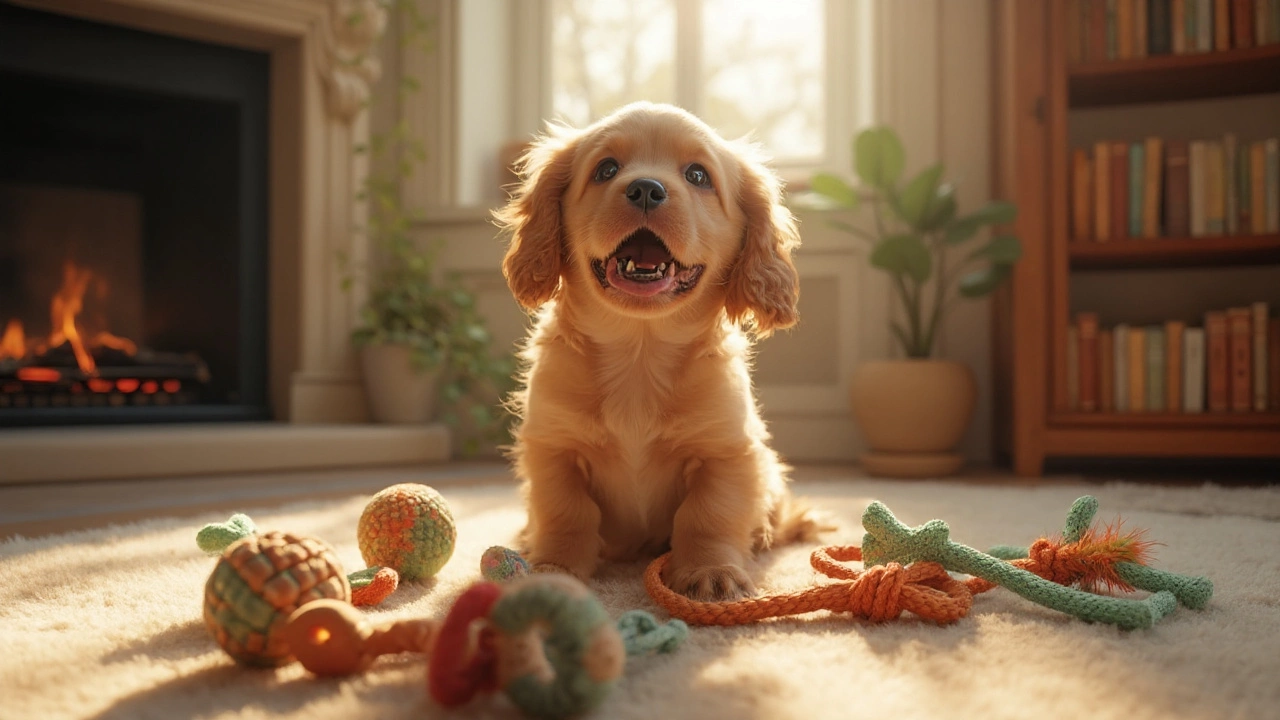
Got a fresh‑off‑the‑shelf puppy? They’ll chew, bite, and toss anything that fits in their mouth. The right toys keep that energy in check and protect your furniture. Below you’ll find quick tips to pick toys that are safe, engaging, and easy on a puppy’s growing teeth.
How to Pick Safe Toys
First off, size matters. A toy that’s too small can become a choking hazard, so choose anything that’s at least as big as your pup’s mouth when it’s open wide. Look for sturdy plastic, natural rubber, or tightly‑woven fabrics. Avoid toys with tiny parts, loose strings, or glass eyes.
Materials should be chew‑friendly. Puppies love to gnaw while their teeth come in, so a soft‑yet‑durable rubber chew works best. If you’re unsure, check the label for “vet‑approved” or “non‑toxic” stamps. Those little badges mean the toy has passed basic safety checks.
Don’t forget the texture. Some pups love smooth balls, others prefer ridged ropes. Rotate textures every few days; it keeps them curious and prevents boredom. When a toy starts to fray, toss it out – a shredded toy is a fast track to a vet visit.
Best Types of Toys for Growing Puppies
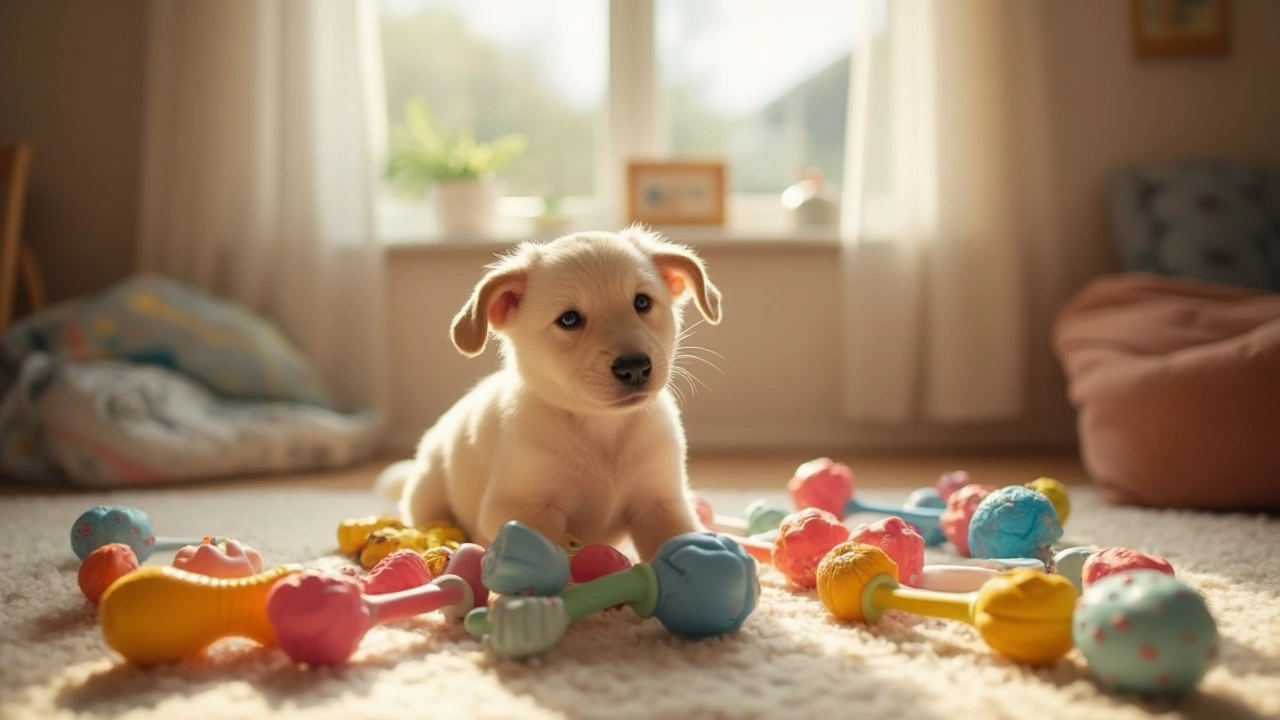
Chew toys. Soft rubber rings, frozen teething sticks, or plush toys with reinforced seams are perfect for soothing sore gums. They also help clean teeth, which means fresher breath later on.
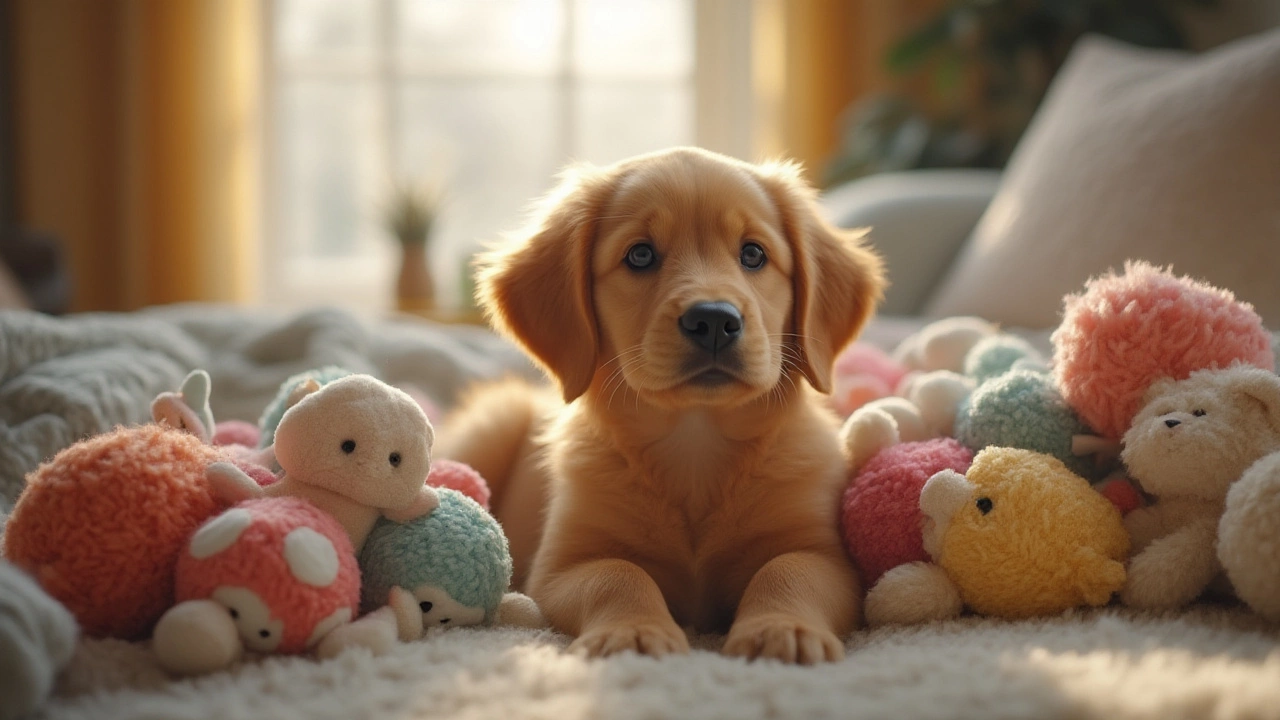
Cuddle toys. A small, plush buddy can calm an anxious pup. Look for washable fabrics so you can toss them in the laundry after a muddy adventure.
Puzzle toys. Simple treat‑dispensing balls teach problem‑solving and keep a puppy occupied for a few minutes. Start easy and bump up the difficulty as they get smarter.
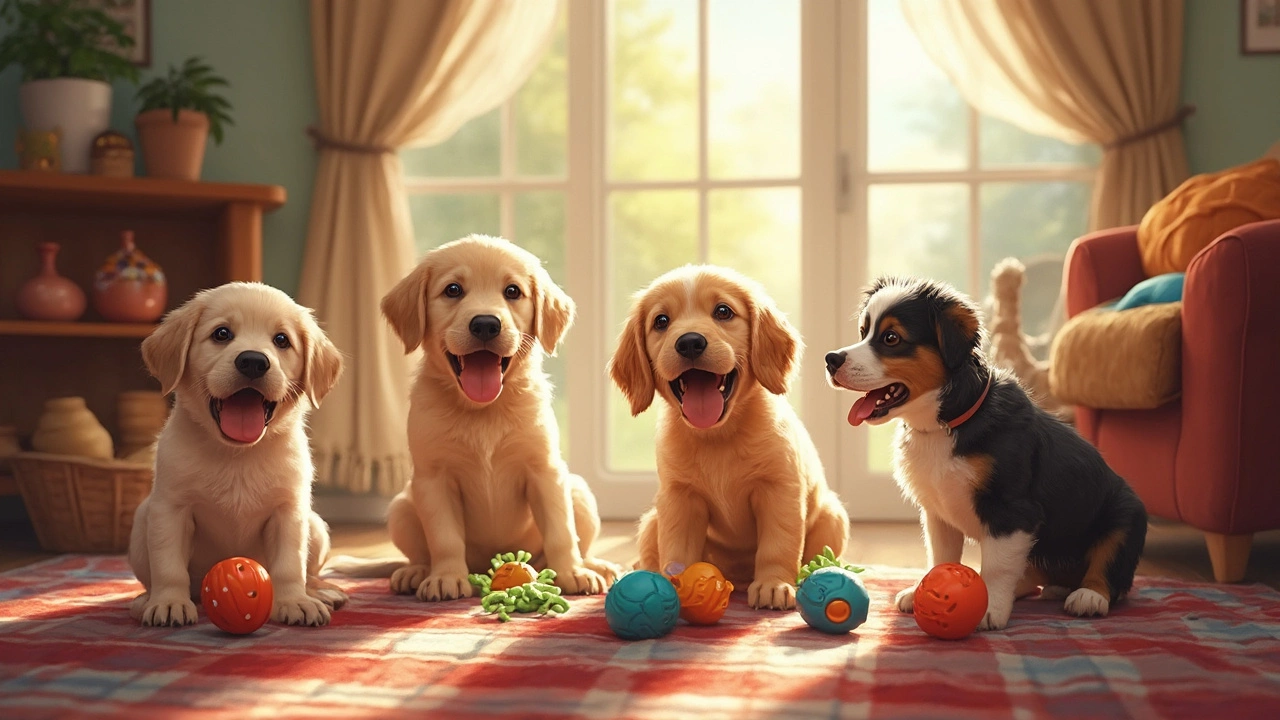
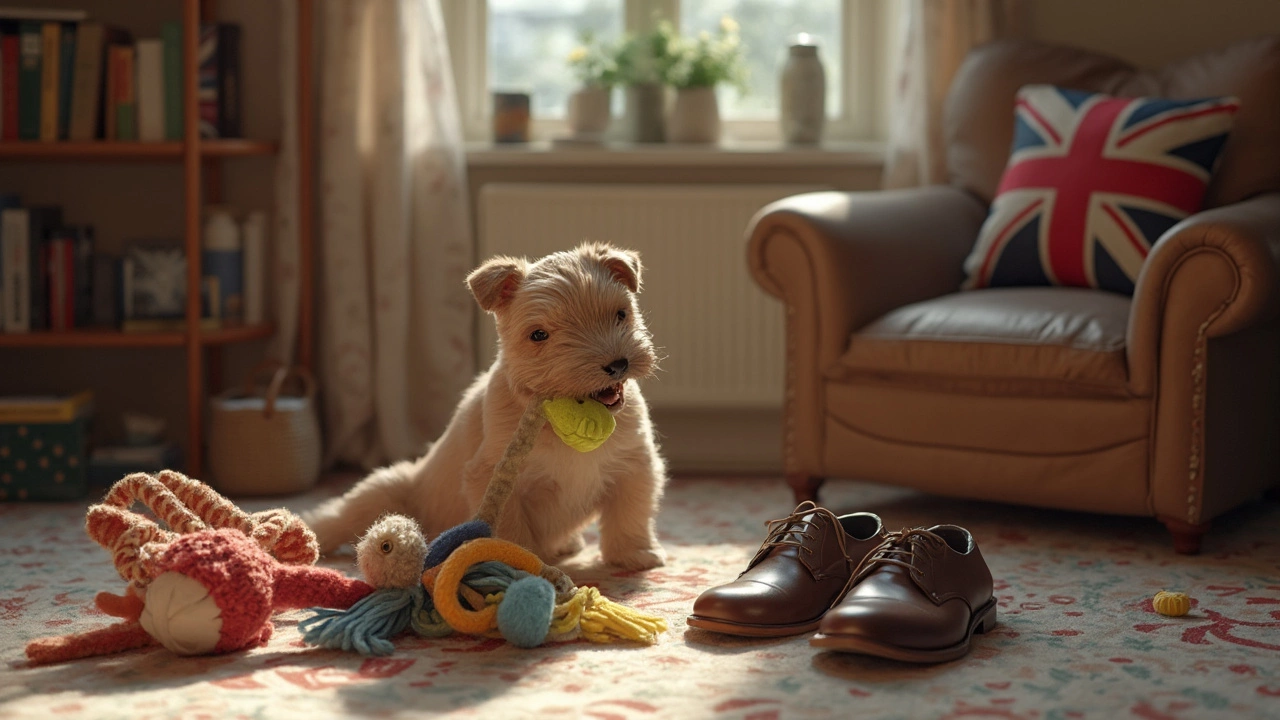
How many toys should you start with? A handful – three to five – is enough. Too many at once can overwhelm a curious puppy, while too few might push them to chew on shoes. Keep a small stash in different rooms and swap them out weekly.
Playtime length matters too. The 10‑minute rule is a good rule of thumb: let your pup explore a toy for about ten minutes, then give a short break. This prevents joint strain and keeps excitement high. Short bursts of play also fit nicely into the 333 rule – three days of settling, three short play sessions, and three quick training drills each week.
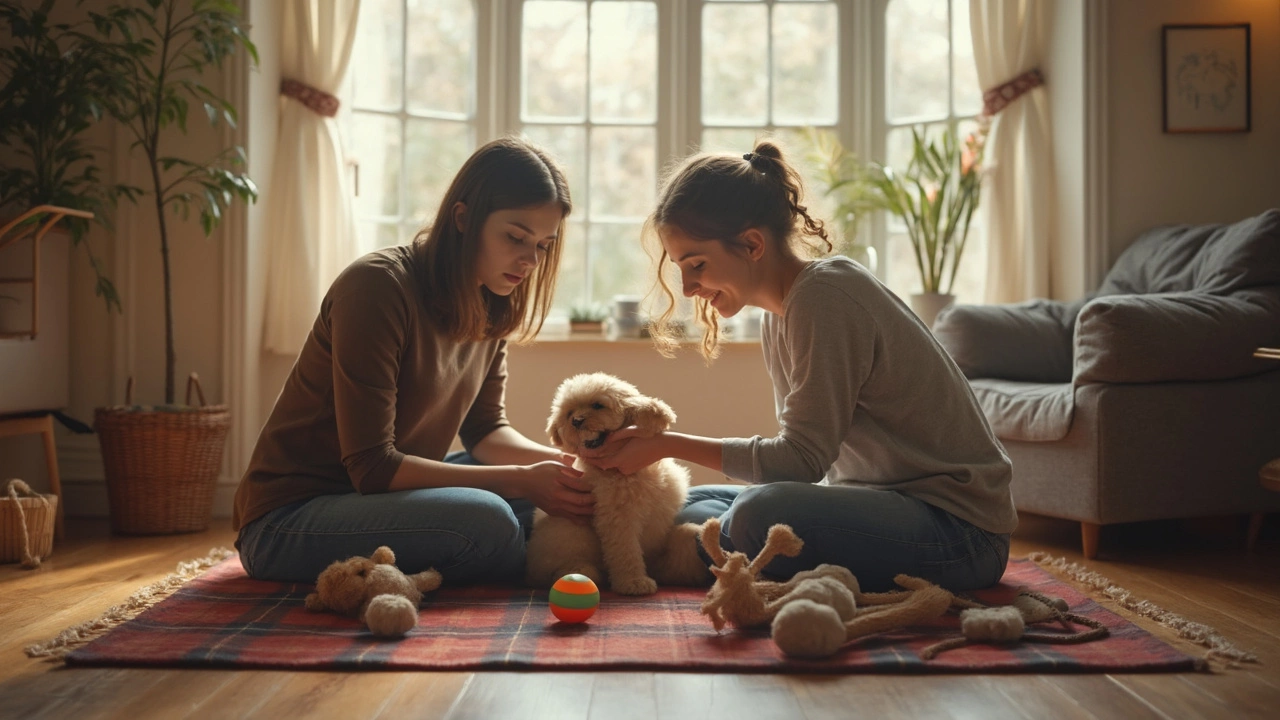
Finally, supervise the first few sessions with any new toy. Watch how your pup bites, pulls, and chews. If you see pieces breaking off or the toy getting too soft, replace it immediately. Supervision isn’t just safety; it’s a chance to bond and see which toys truly spark joy.
With these basics, you’ll feel confident picking puppy toys that are safe, fun, and good for growth. Keep a rotation, watch for wear, and enjoy those wagging tails as your little pup learns the world one chew at a time.