Should I Give My Dog Fish Oil? A Vet-Backed Guide to Benefits, Dosage, and Risks
Wondering if fish oil is right for your dog? Discover the real benefits for skin, joints, and heart health, plus expert tips on dosage and choosing quality supplements.

Keeping your dog in top shape isn’t rocket science, but it does need a bit of know‑how. Below are the most useful everyday tips that help you spot problems early, feed right, and choose safe supplements.
Start with a balanced diet. Good quality commercial kibble or a well‑planned homemade meal should cover protein, fat, carbs, vitamins, and minerals. Look for sources that list real meat first and avoid excess fillers like corn or wheat.
If you’re curious about extra nutrients, the most important vitamin for dogs is vitamin E – it supports skin, coat, and immune health. A deficiency often shows up as a dull coat or slow healing. Adding a vet‑approved supplement can fill the gap, but never guess; ask a professional first.
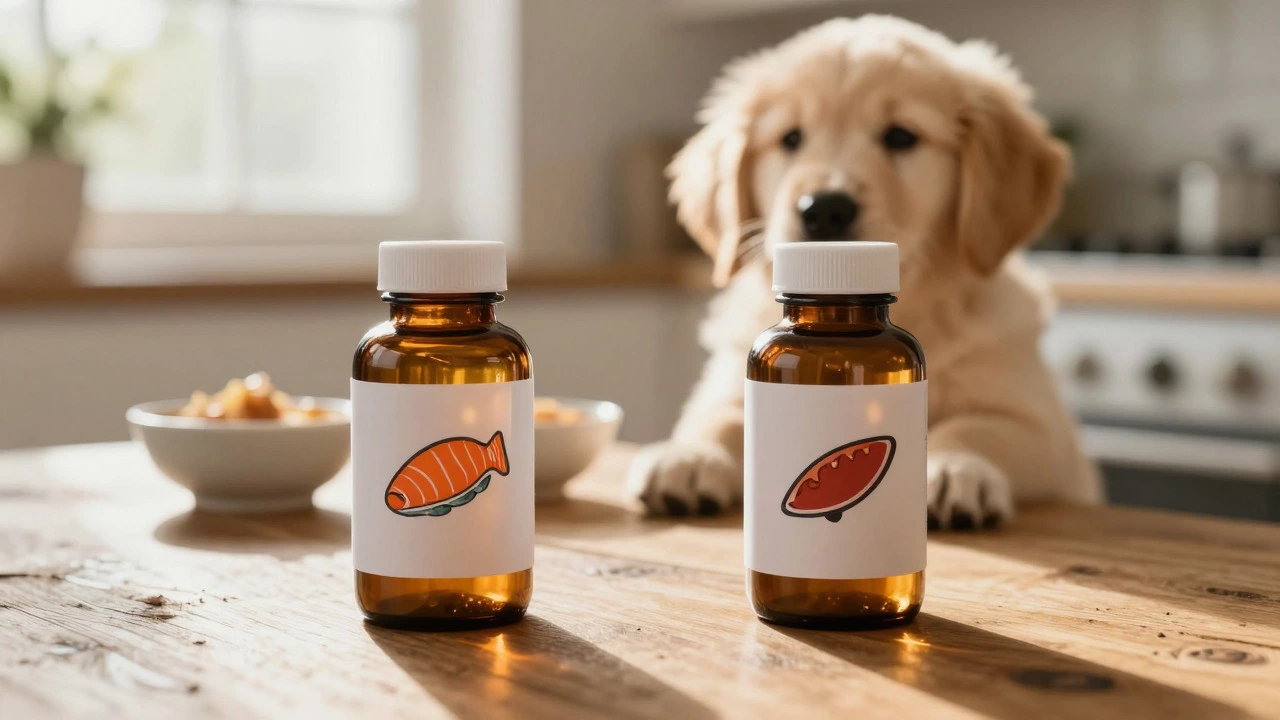
Fish oil is a popular pick for shiny coats and joint support. It’s effective, but watch the dosage – too much can cause loose stools. If your dog hates fish, salmon oil works just as well and often tastes better.
Not a fan of fish? Plant‑based omega‑3s, algae oil, or krill oil provide similar benefits without the fishy smell. For dogs that need a boost in gut health, bone broth is a gentle option. Make it at home with raw bones, simmer low, and skim off any fat before serving.
Protein shakes made for humans are a big no‑no. Many contain sweeteners like xylitol or high caffeine, both toxic to dogs. Stick to dog‑specific protein powders if you think your pup needs extra protein – always check the label.
Blueberries are a safe fruit treat. They’re low in sugar and packed with antioxidants, which can help with memory and immune function. Serve a few fresh berries a day or blend them into a topping for plain yogurt.
When you’re feeding homemade meals, remember that they often miss key nutrients. A multivitamin designed for dogs can bridge the gap, especially for calcium and vitamin D. Again, pick a product that a vet recommends.
All of these additions are helpful, but they’re not a cure‑all. Watch your dog’s weight, coat condition, and energy levels. If anything feels off – excessive licking, sudden itching, or a change in appetite – it could be a sign of an underlying issue.
Speaking of licking, a dog’s kiss can be sweet, but it also spreads bacteria. Most healthy dogs don’t pose a risk, yet keep an eye on wounds or open sores on their mouth. If your pup licks a lot after a meal or when stressed, it might be trying to soothe a dental problem or nausea.
Bottom line: good food, the right supplements, and regular vet checks keep most health problems at bay. Use these practical tips as a daily checklist, and you’ll give your dog a longer, happier life.
Wondering if fish oil is right for your dog? Discover the real benefits for skin, joints, and heart health, plus expert tips on dosage and choosing quality supplements.
Discover the most unhealthy foods for dogs, including chocolate, xylitol, and grapes. Learn why these common household items pose serious health risks.
Discover whether cod liver oil or salmon oil is better for your dog. We compare safety, nutrient absorption, and health benefits to help you choose the right Omega-3 supplement for your pet.
Deciding whether to remove your dog's collar at night involves balancing safety and convenience. Learn about strangulation risks, the benefits of breakaway collars, and expert tips for ensuring a safe, comfortable sleep for your pet.
Discover what dog food vets do not recommend, including grain-free diets linked to heart disease, raw food risks, and harmful additives. Learn how to choose safe, balanced nutrition for your dog.
Discover the best dog supplements for joint health, digestion, and skin. Learn which vitamins your dog actually needs and how to choose safe, effective products.
Discover which dog food brands veterinarians actually recommend in 2026. We break down top choices like Hill's, Royal Canin, and Purina Pro Plan, explain AAFCO standards, and help you choose the right diet for your dog's health.
Dogs benefit from a consistent bedtime routine aligned with their natural circadian rhythms. Learn how to establish healthy sleep habits, recognize signs of disruption, and adapt schedules for different ages and lifestyles.
Ever wonder why dogs tilt their heads when you talk? Discover the science of canine hearing, visual processing, and the cognitive secrets behind this adorable behavior.
There's no set age to stop vaccinating your dog. Core vaccines like rabies and parvo are needed for life. Learn what shots your senior dog really needs, how vets decide, and why skipping them is dangerous.
Learn how to pick safe, effective dog supplements based on age, symptoms, and vet-recommended ingredients - and avoid common mistakes that waste money or harm your pet.
Eggs can be a healthy, natural supplement for dogs when cooked and given in moderation. They support coat health, muscle maintenance, and brain function-but raw eggs and added seasonings are risky. Learn how much, how often, and how to serve them safely.