How Often Do Dogs Need Grooming? A Breed-by-Breed Guide
Wondering how often to groom your dog? Learn breed-specific schedules for brushing, bathing, and professional trims. Keep your pet healthy and happy.

Got a furry friend that needs a trim, a bath, or just a quick brush? You’re in the right place. In this guide we’ll answer the questions that pop up most often and share bite‑size tips to make grooming easier for you and calmer for your dog.
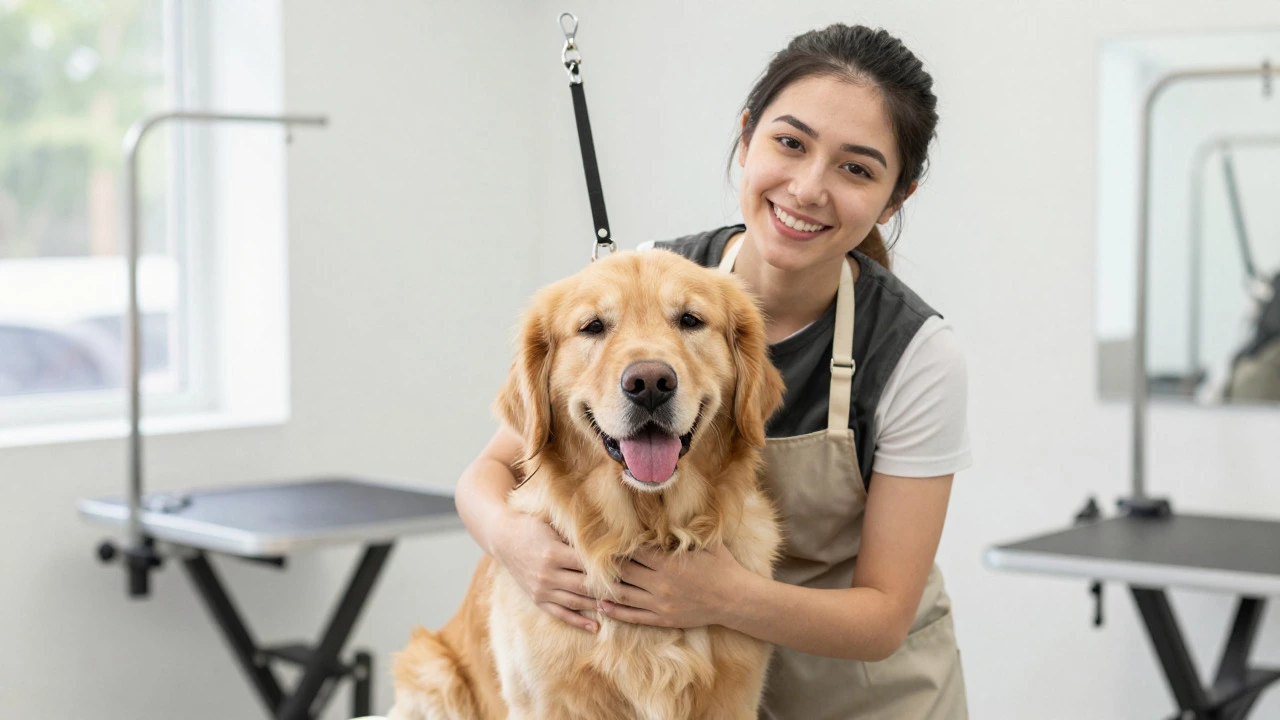
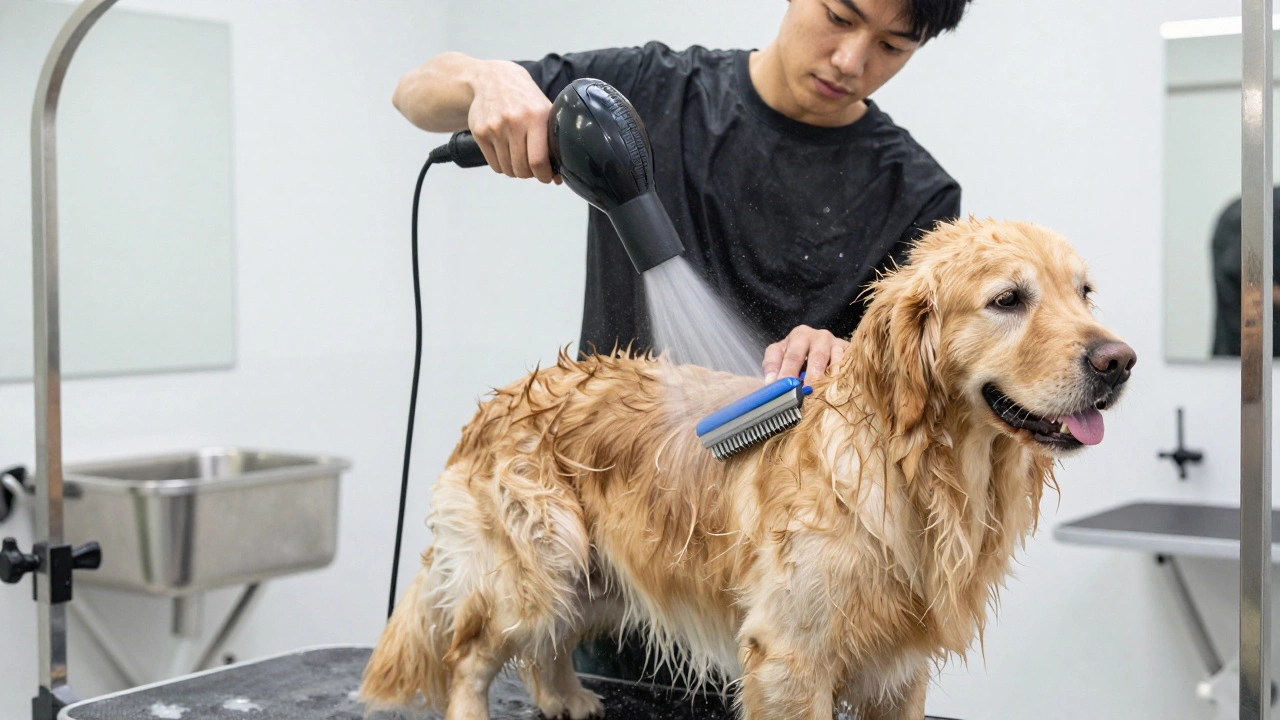
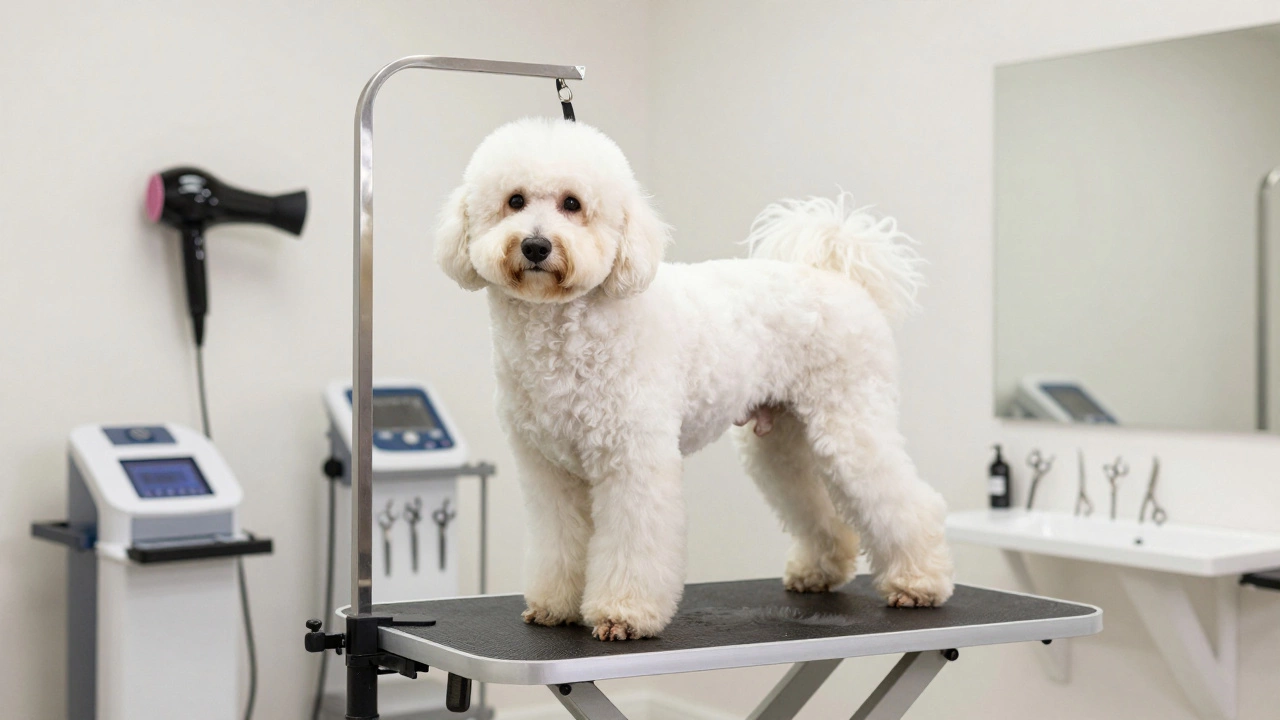
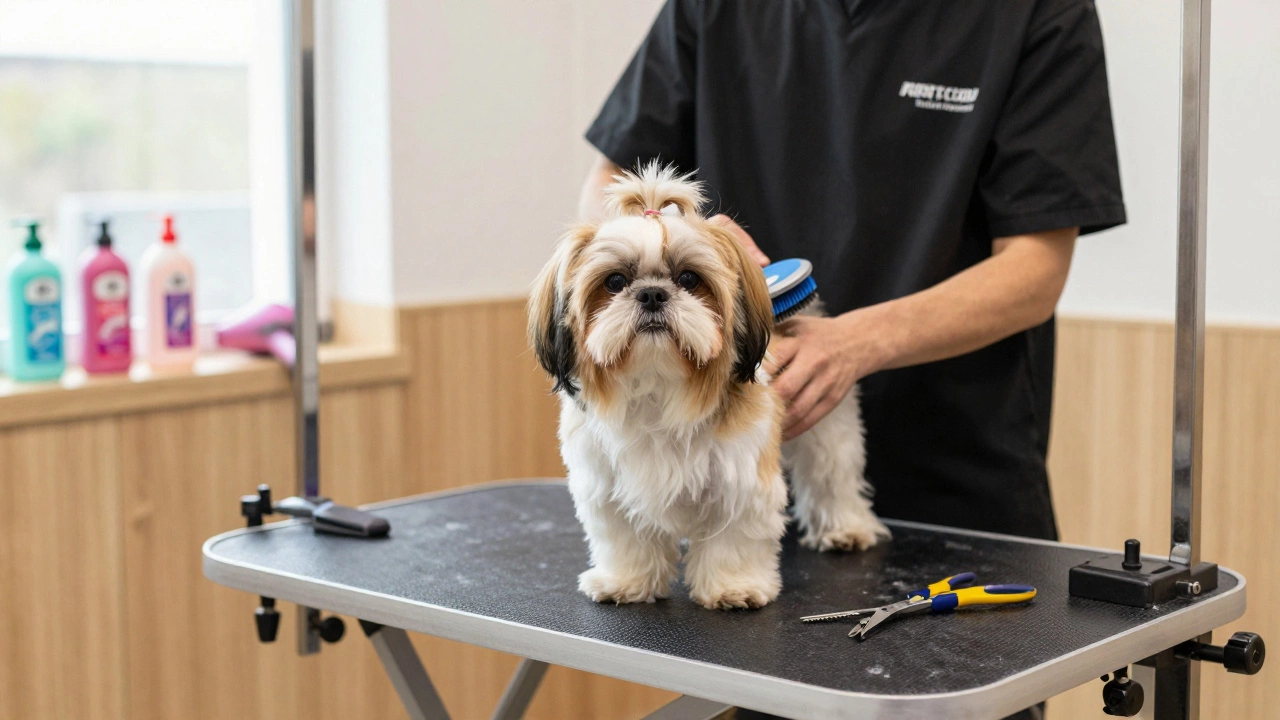
First up, why does a grooming session sometimes feel like a four‑hour marathon? It’s not just the haircut. Groomers wash, dry, brush out tangles, trim nails, clean ears, and check skin health. Each step takes time, especially on a thick‑coated breed. Rushing can ruin the finish or irritate your pet’s skin, so the wait is usually worth it.
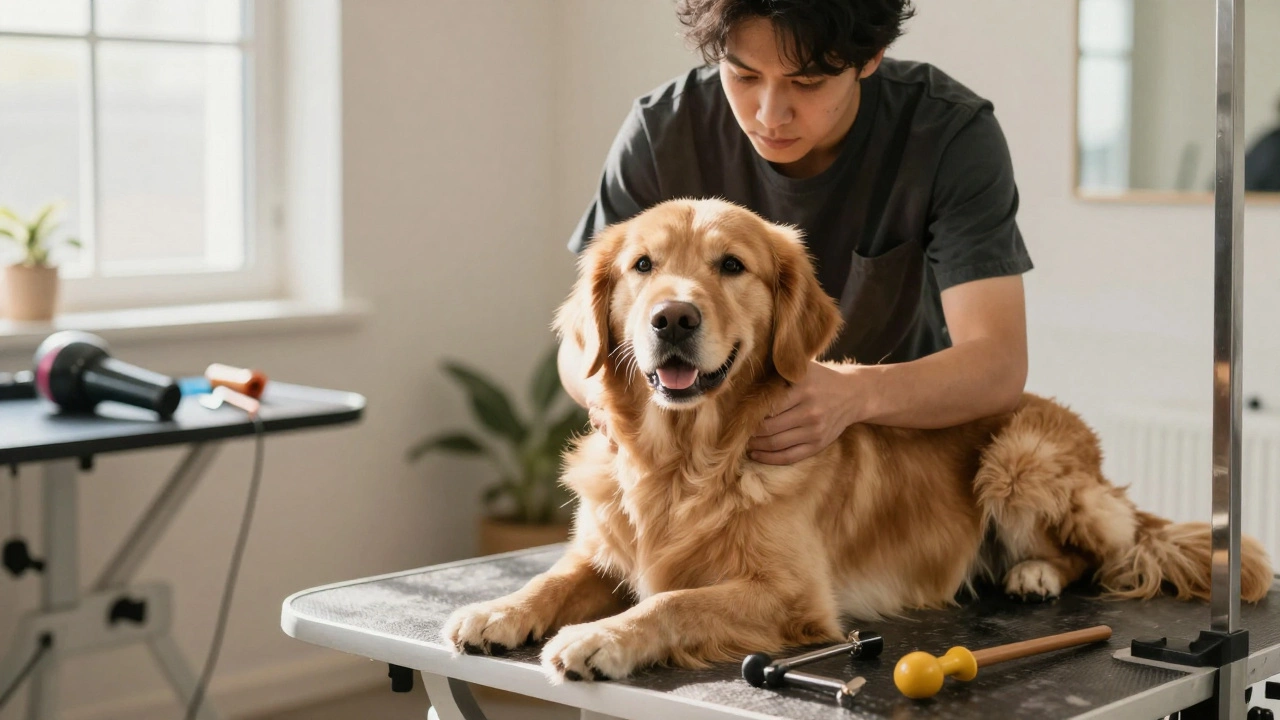
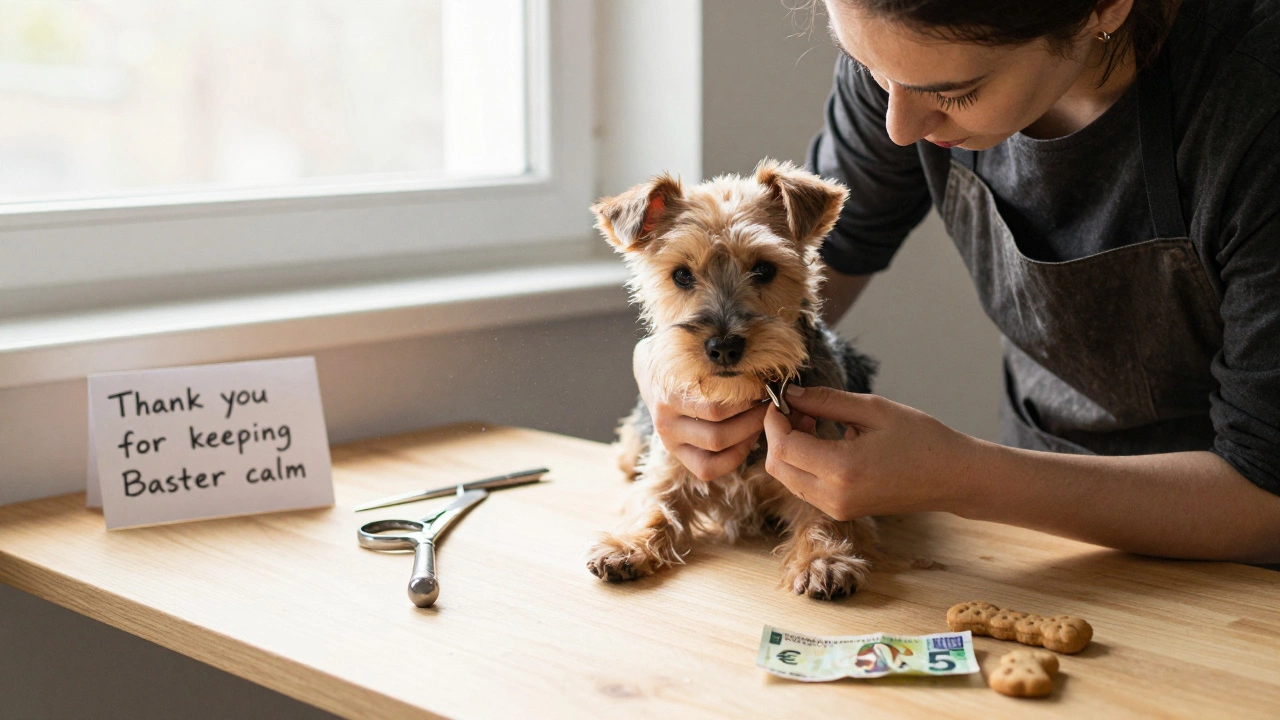
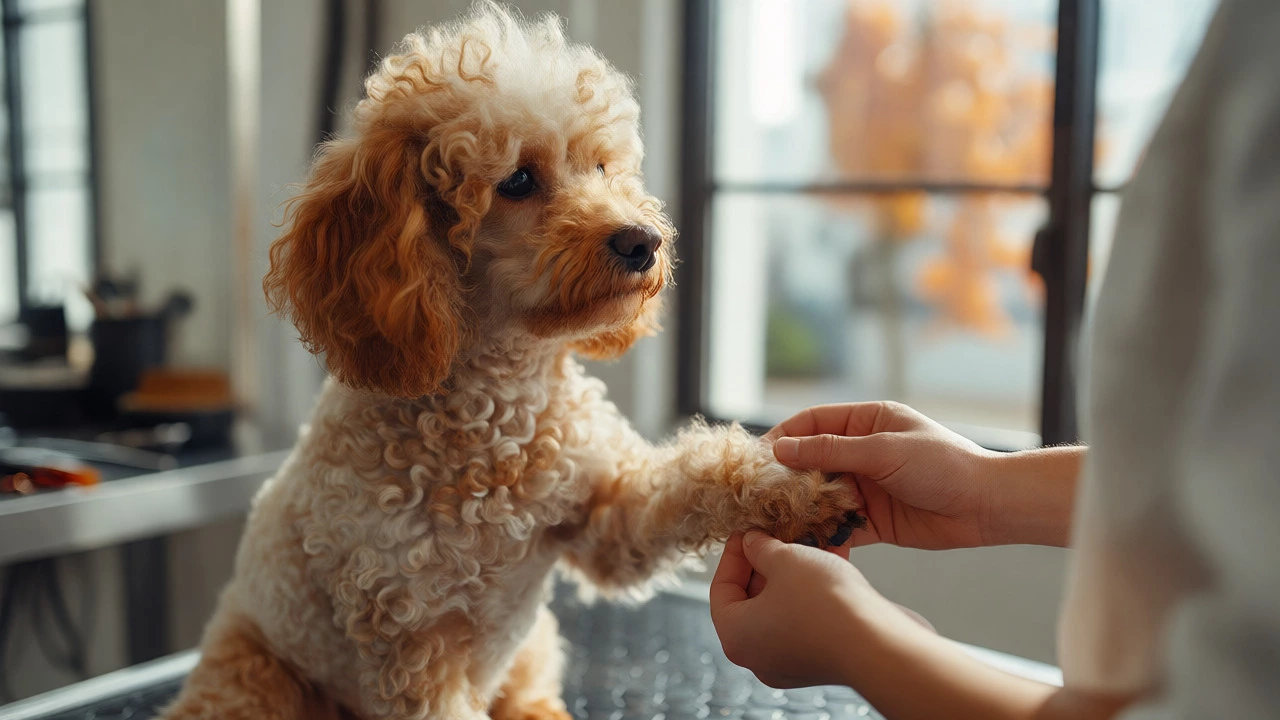
Ever wondered how pros keep dogs still without causing stress? The answer is gentle restraint. Groomers use slip‑lead loops, grooming tables with secure but comfy straps, and calming spoken cues. The goal is to keep the dog safe, not scared. If your pup gets nervous, a short walk before the appointment and a calming treat can help.
Another hot topic is the vinegar spray. Groomers sometimes spritz a diluted vinegar solution to neutralize odor and soothe skin. It’s safe in low concentrations and can help with minor flea issues, but it’s not a replacement for a proper flea treatment. If you want to try it at home, mix one part apple cider vinegar with three parts water and test on a small patch first.
Tipping etiquette also confuses many owners. A $20 tip is common for a standard groom, but the amount really depends on the service length, coat condition, and any extra work. If the groomer spent extra time dealing with mats or a difficult pup, a bigger tip shows appreciation. Think of it as a thank‑you for the extra care.
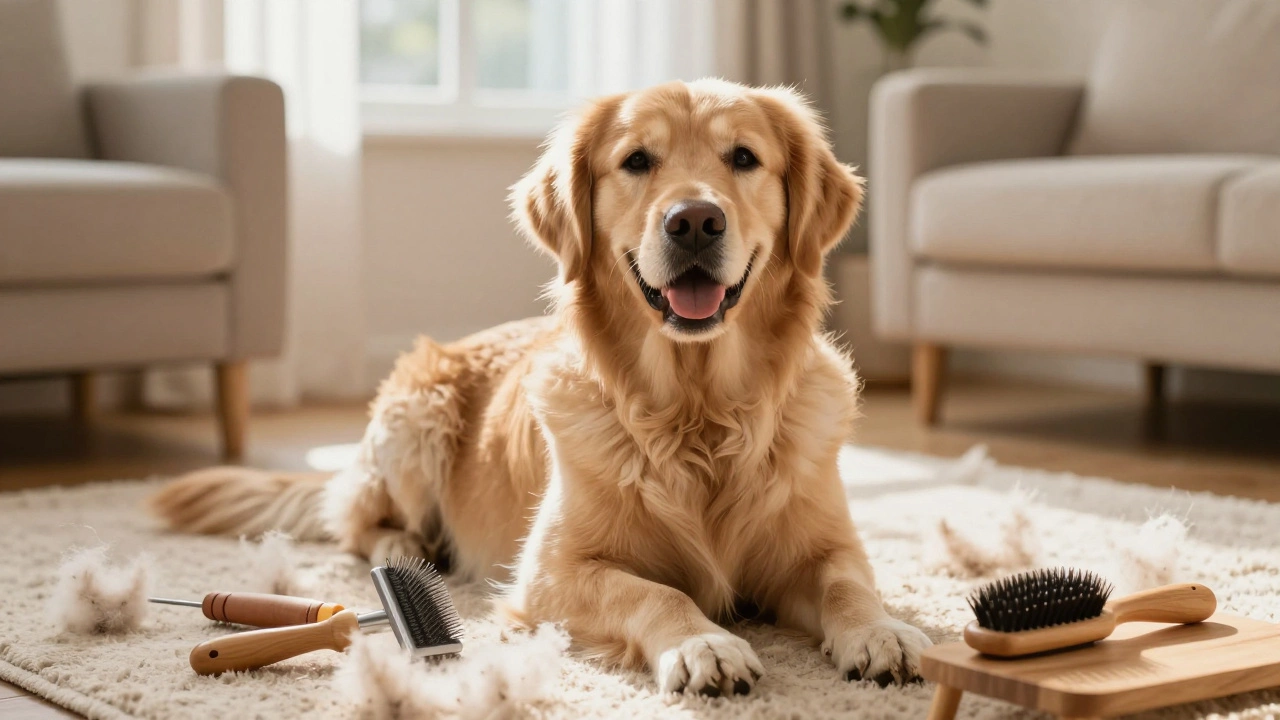
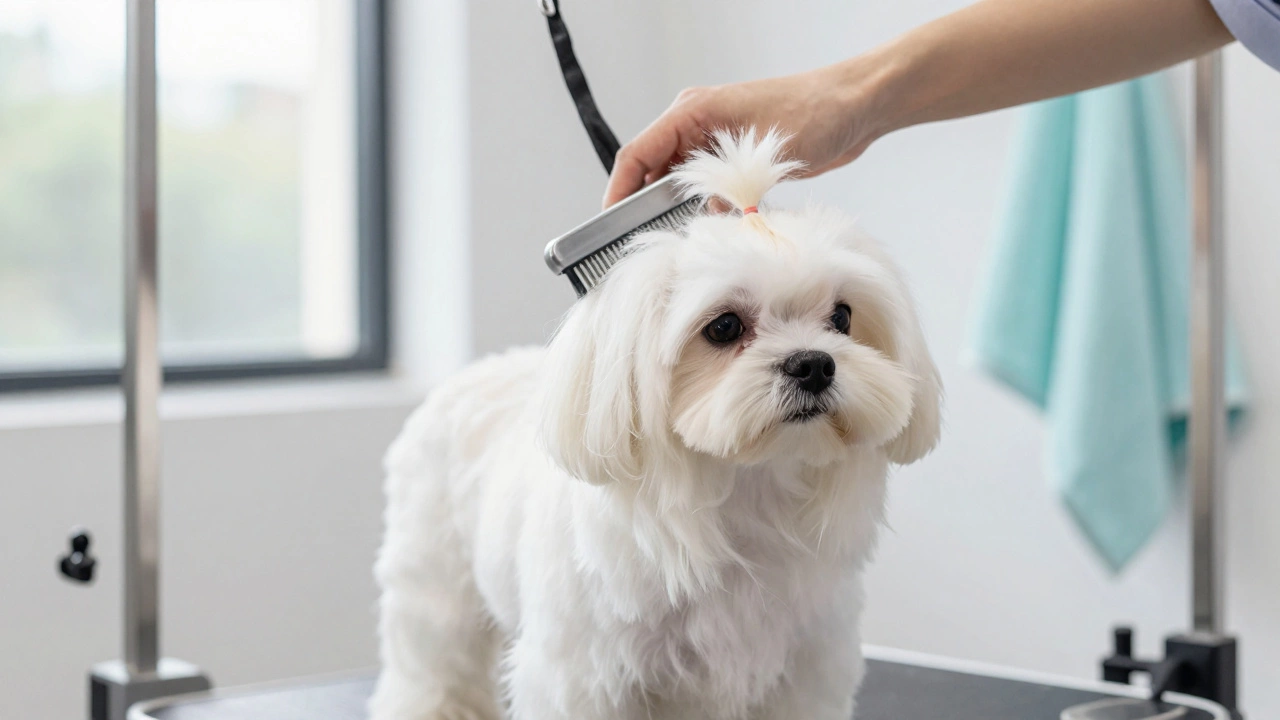
Start with a quick brush at home. Removing loose hair reduces the time the groomer needs to spend on de‑matting. It also gives you a chance to spot any skin issues early.
Know what not to cut. Whiskers, paw hair, and the fur around the tail help with balance and protection. If you’re doing a DIY trim, steer clear of those areas and keep the length where it naturally falls.
Bring a favourite toy or blanket to the salon. Familiar smells can calm an anxious dog and make the experience feel less foreign. A calm pup is easier to handle, which means a smoother groom for everyone.
Ask the groomer about their handling style before the appointment. Some use a calm voice and gentle touch, while others may rely more on tools. Knowing the approach helps you prep your dog at home and set realistic expectations.
Finally, keep a grooming schedule. Regular baths and trims prevent severe matting and keep skin health in check. Most dogs do well with a grooming visit every 4‑6 weeks, but long‑haired breeds might need more frequent brushing.
With these answers and tips, you should feel more confident walking into a grooming salon—or tackling a simple trim at home. Your dog will look great, feel comfortable, and you’ll avoid the common pitfalls that make grooming feel like a chore.
Wondering how often to groom your dog? Learn breed-specific schedules for brushing, bathing, and professional trims. Keep your pet healthy and happy.
Struggling to choose between PetSmart and Petco for dog grooming? We compare base prices, loyalty rewards, and hidden fees to help you find the cheapest option for your pup in 2026.
Discover which dogs should not get haircuts to avoid permanent coat damage. Learn about double-coated breeds, proper grooming techniques, and seasonal care tips.
Confused about tipping etiquette for dog groomers? We break down whether you should tip the owner vs. employees, regional norms, and alternative ways to show appreciation in 2026.
Discover why professional dog grooming takes 4 hours. From high-velocity drying to mat removal and breed-specific styling, learn the hidden steps behind a perfect coat.
Discover how much grooming is normal for your dog based on coat type. Learn brushing schedules, bathing frequency, and essential care tips for healthy skin and fur.
Find out exactly how often to groom your dog based on breed, coat type, and seasonal changes. This guide covers professional vs. at-home routines for short, long, and double-coated dogs.
Wondering if you should rinse coconut oil off your dog? Learn when to leave it for skin healing and when to wash it off to avoid a greasy mess.
Dog grooming costs in Midlothian, VA range from $40 to $120 depending on breed, coat type, and service level. Learn what’s included, how to save money, and where to find reliable groomers nearby.
Learn how much to tip a PetSmart groomer based on real costs, dog behavior, and groomer feedback. Find out when to tip more, when to skip it, and how tipping helps your dog’s health and your next visit.
Should you tip for a dog nail trim? Learn when it's appreciated, how much to leave, and what groomers really think. No rules-just real advice from pet pros.