What Airline Allows Large Dogs in Cabin? A Complete Guide for 2026
Find out which airlines let large dogs fly in the cabin in 2026. Compare fees, carrier sizes, and tips for stress-free travel with big breeds.

Got a dog, cat, or even a rabbit that needs to hop on a plane? Flying with pets can feel like a maze, but you don’t have to guess your way through. In this guide we break down the biggest hurdles – airline rules, carrier sizing, calming tricks and ways to keep costs low – so you can pack, board and relax.
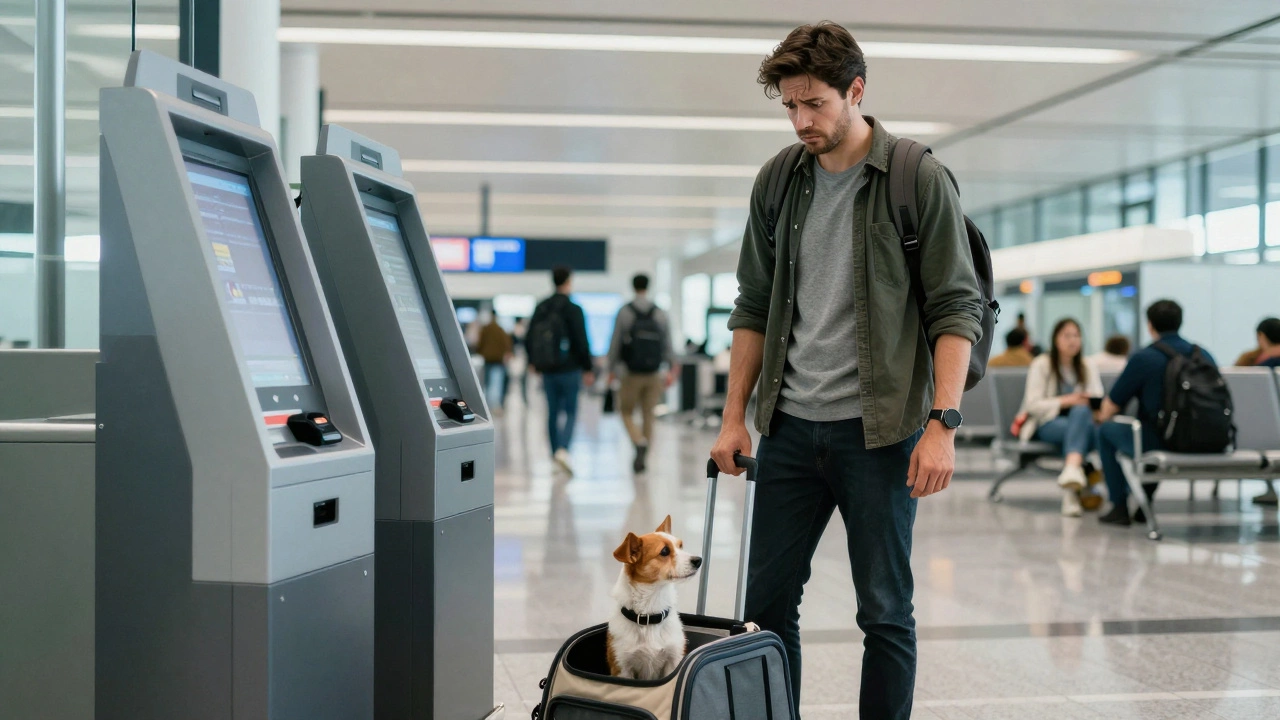
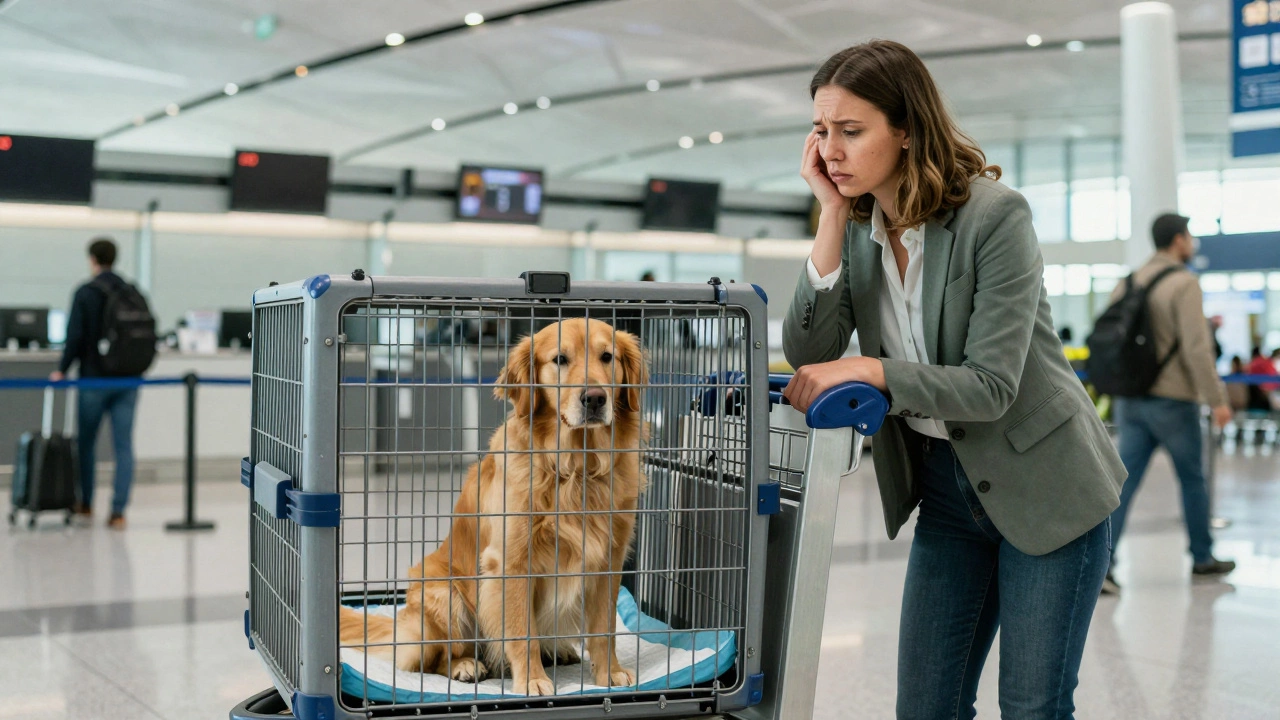
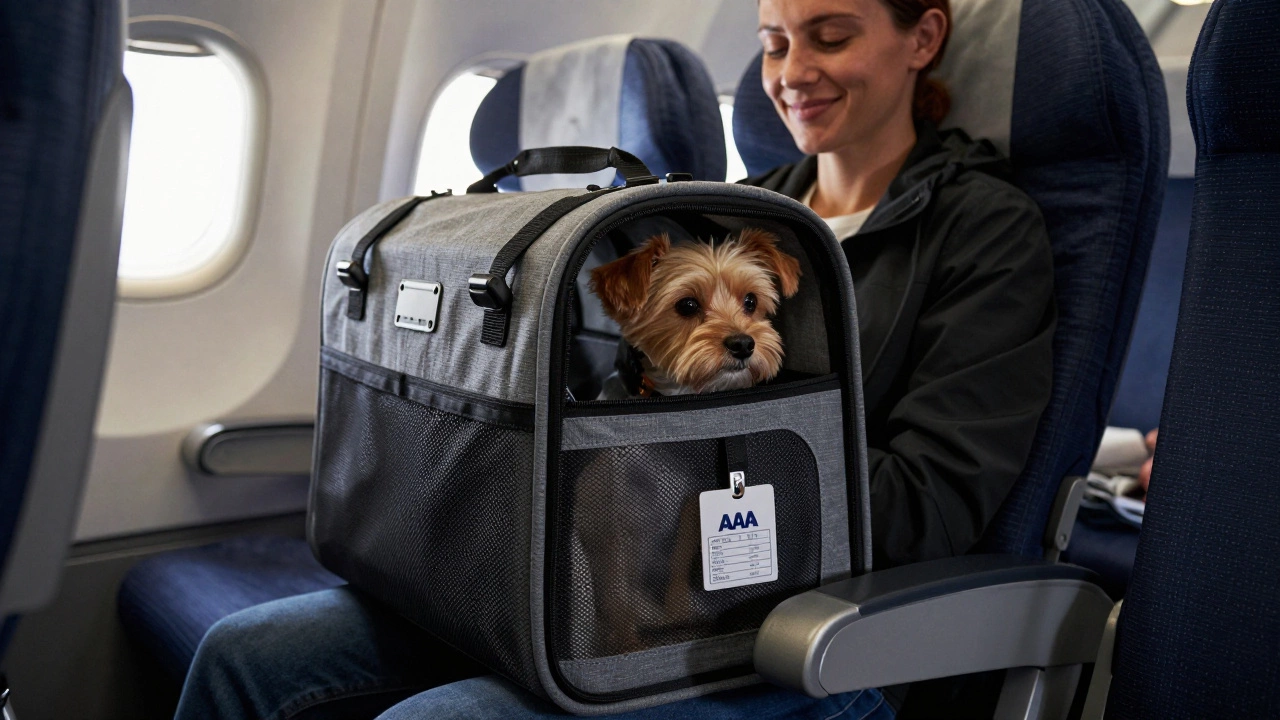
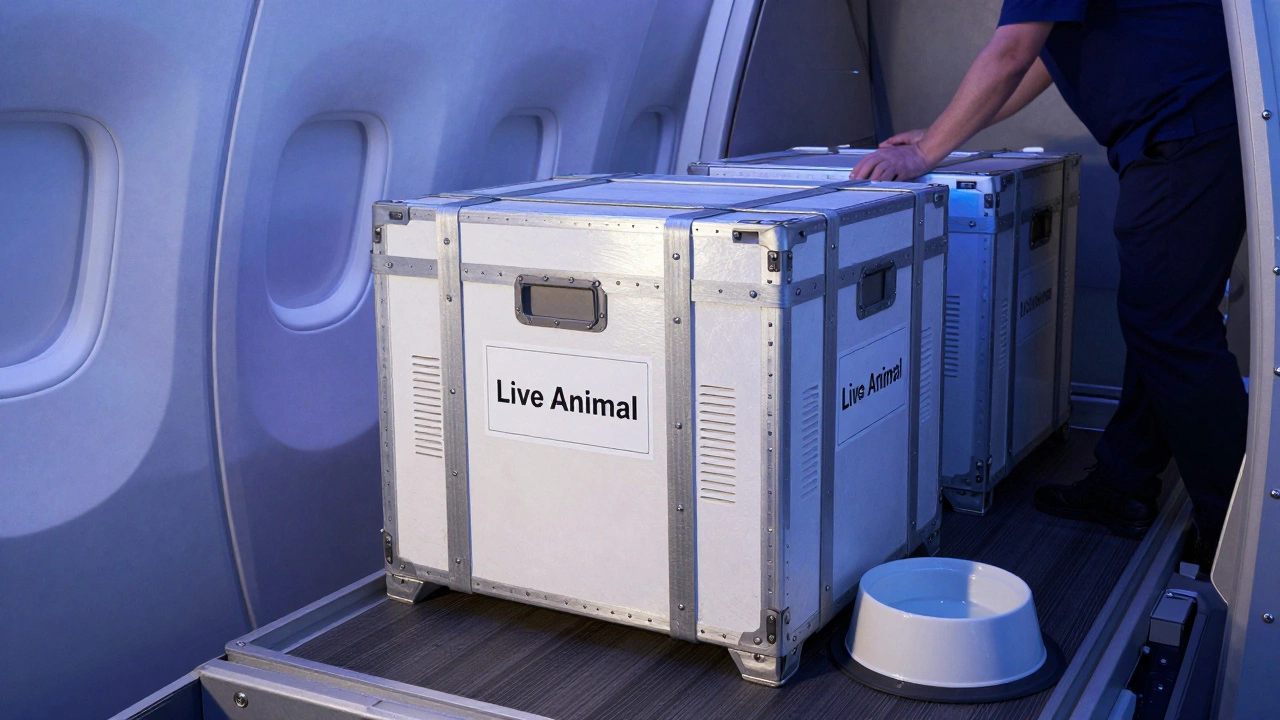
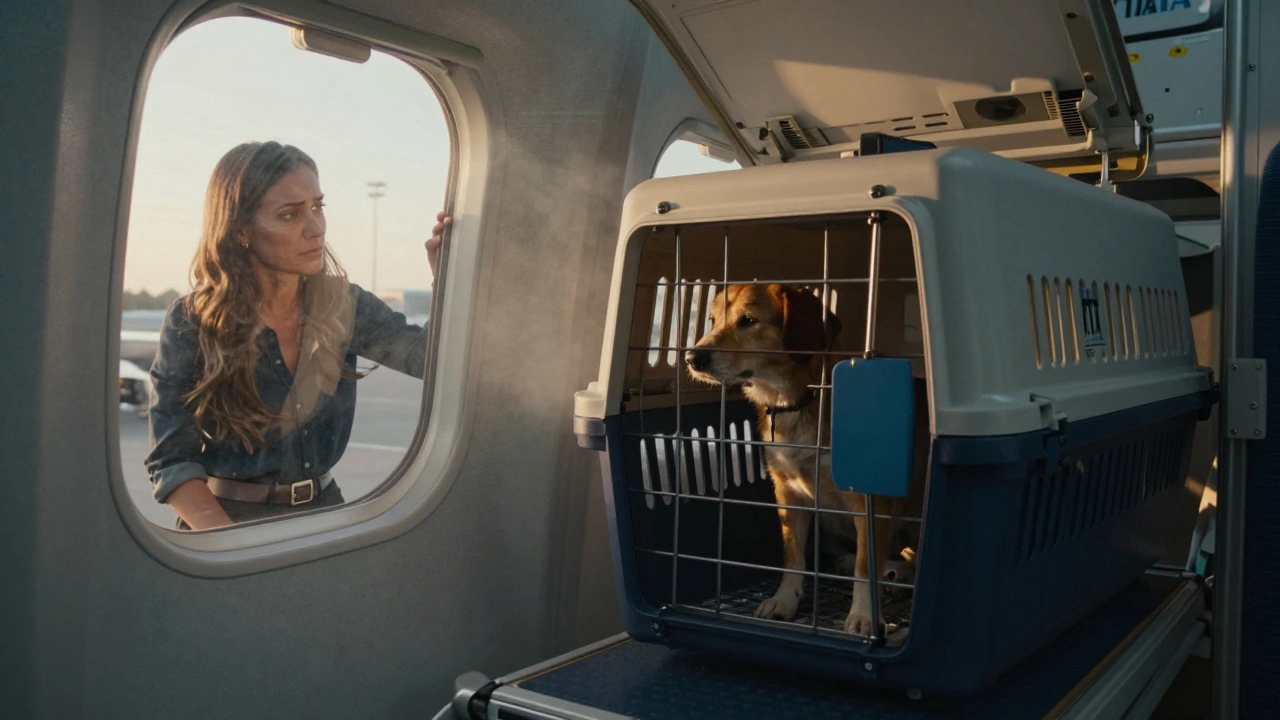
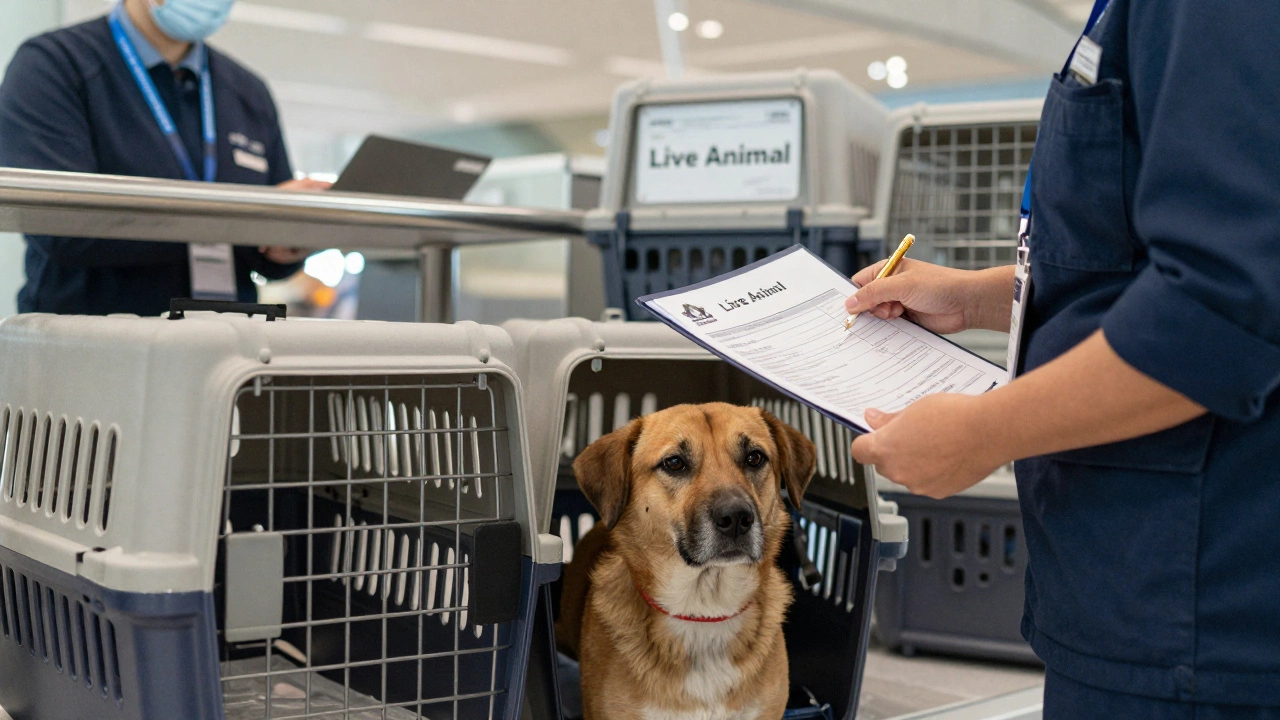
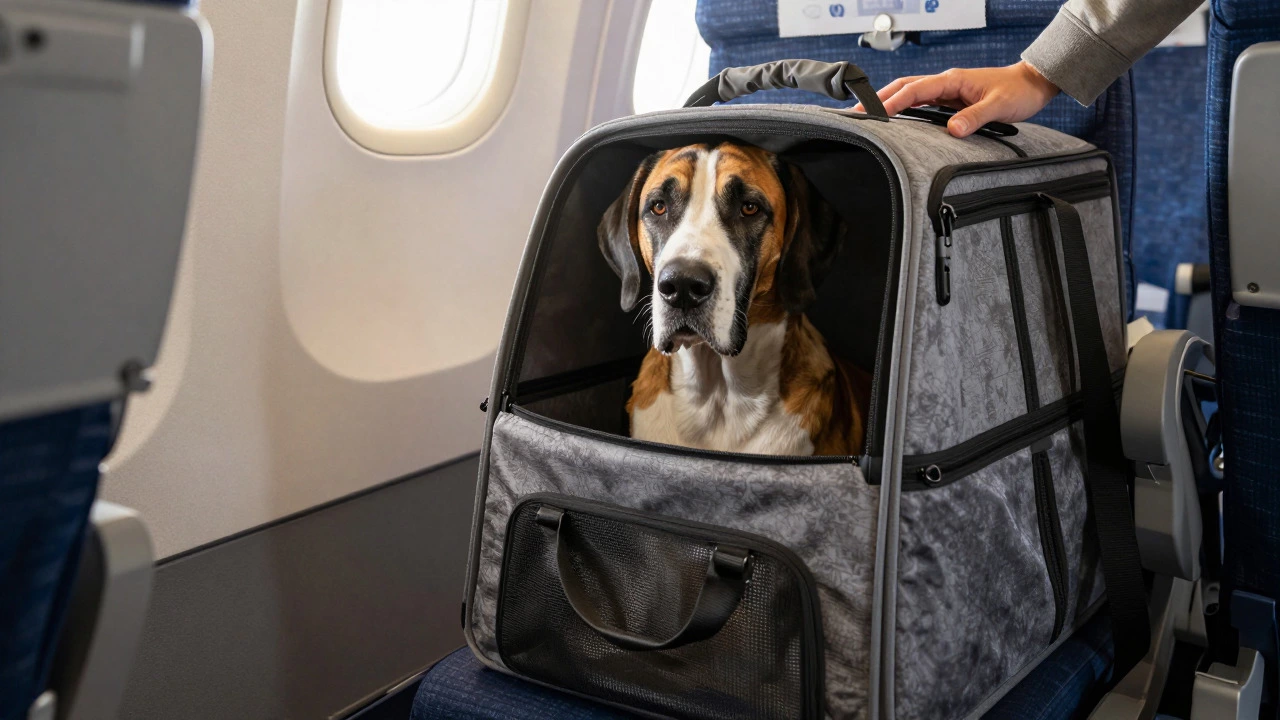
First stop: the airline’s pet policy. Every carrier has its own limits on weight, size and where pets can travel – cabin or cargo. Big dogs (think 50 lb) usually end up in the cargo hold, while small dogs and cats often fit under the seat if the carrier measures under about 18 x 11 x 8 inches. Check the airline’s website before you book; a quick search for “pet travel policy + airline name” saves you a lot of last‑minute drama.
Most airlines charge a fee – anywhere from £25 to £100 – and you’ll need a health certificate if the flight is longer than a few hours. Some carriers even require a microchip and recent vaccination records. Keep all paperwork in a folder you can grab at the airport.
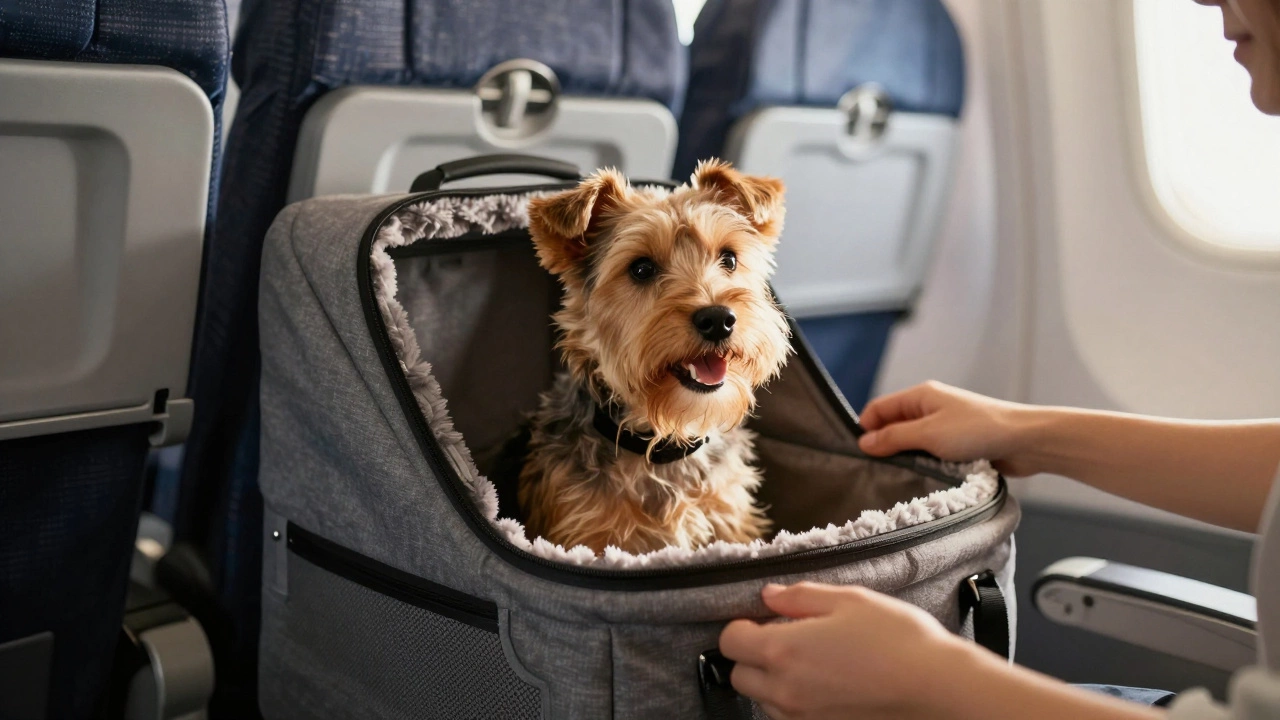
The carrier is the heart of a smooth trip. It needs to be sturdy, well‑ventilated and fit the airline’s dimensions. A good rule of thumb: measure the carrier on the inside, then compare it to the airline’s under‑seat space. If it’s a little tight, you’ll likely be denied boarding.
Line the bottom with a soft towel or a blanket your pet already loves. Add a water bottle that won’t spill and a favorite chew toy. For longer flights, consider a carrier with a built‑in vent that lets fresh air flow.
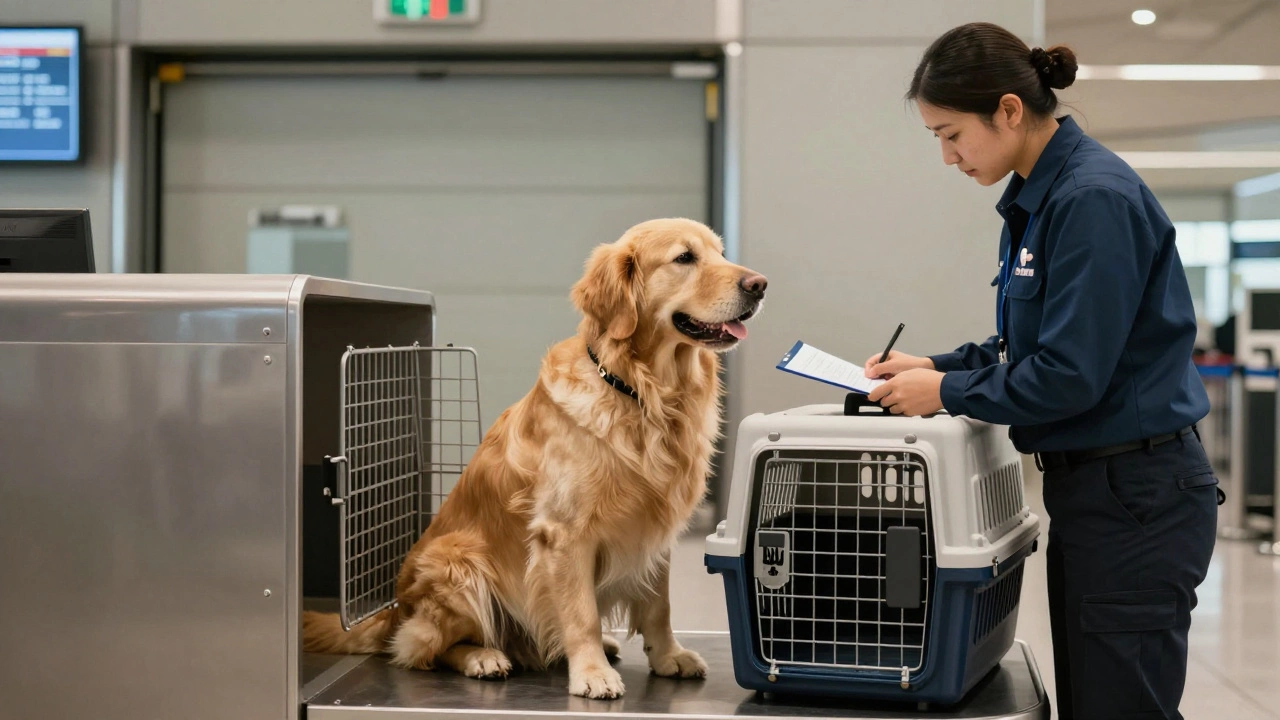
When you get to the airport, arrive early. Give the staff time to check the carrier size and paperwork. Most airports have designated pet relief areas – make a quick stop before you head to the gate.
Now, what about calming a nervous dog? Many owners swear by a snug carrier and a familiar scent. A light blanket and a piece of your own clothing can work wonders. If your vet approves, a short‑acting anti‑anxiety supplement can smooth out the ride, but never give heavy sedation – it can affect breathing in the cabin.
Budget‑friendly tips: book a direct flight, travel during off‑peak times and compare airline fees before you commit. Some low‑cost carriers charge less for pets but have stricter size limits, so weigh the trade‑off.
Finally, remember that every pet is different. Some love the hustle of a busy airport, while others prefer a quiet, early‑morning flight. Observe your pet’s behavior and adjust your plan accordingly. With the right prep, pet travel becomes a breeze, not a nightmare.
Find out which airlines let large dogs fly in the cabin in 2026. Compare fees, carrier sizes, and tips for stress-free travel with big breeds.
Discover which airlines do not allow pets, including budget carriers like Ryanair and Spirit, and international giants like Emirates. Learn about breed bans, cargo-only policies, and alternatives for safe pet travel.
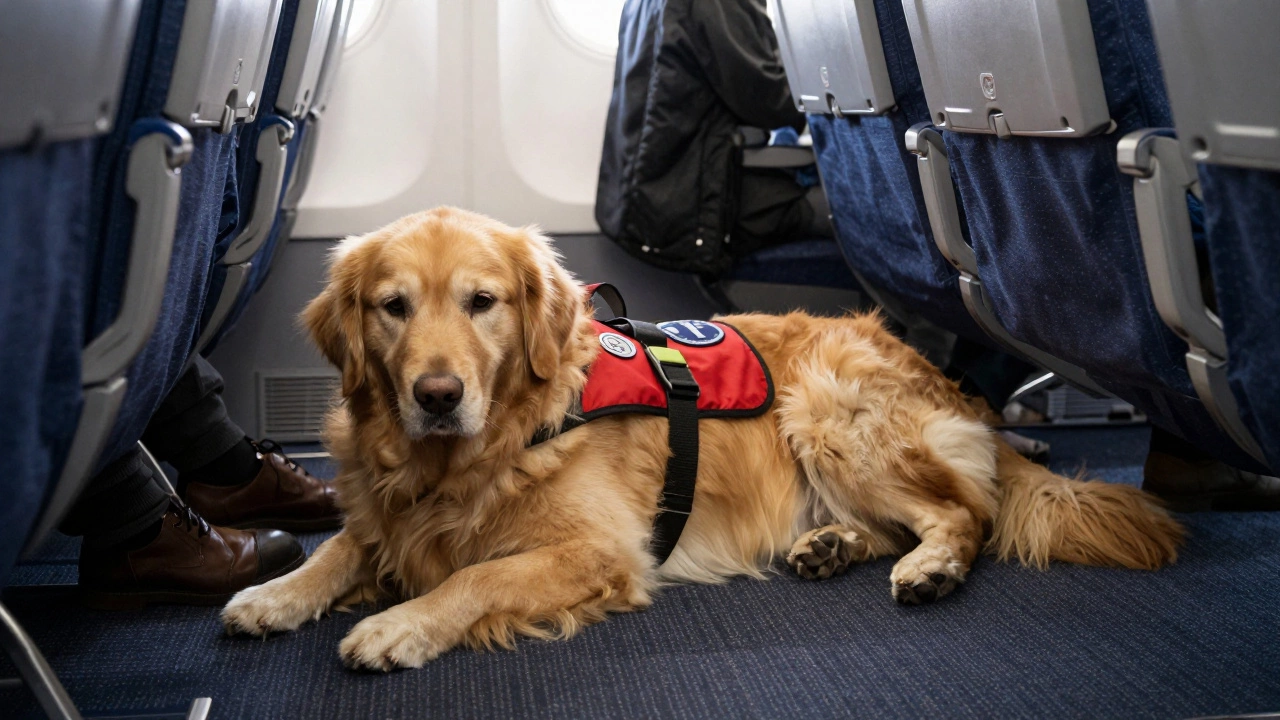
Can you refuse a seat next to a dog on a plane? Learn the difference between service dogs and pets, your legal rights, and practical tips to avoid discomfort during flights.
Learn the only 3 questions you can legally ask about a service dog. Understand ADA rules, avoid common mistakes, and show respect to handlers during your travels.
Flying with a 100-pound dog requires careful planning. Learn the rules for cargo vs cabin travel, essential crate requirements, and airline policies to ensure your large breed travels safely.
Confused about service dog paperwork? Learn what businesses can and cannot ask for, the difference between service dogs and ESAs, and how to protect your rights while traveling.
Flying a dog in 2026 costs between $100 for cabin travel and $1,500+ for cargo. Learn about hidden fees, breed restrictions, and how to save money on pet airfare.
If your dog is too big for the cabin, flying in cargo is safe and common. Learn how to prepare, what airlines require, and how to avoid costly mistakes when traveling with a large dog.
Can your dog sit on your lap during a flight? Most airlines say no-here’s why, what the rules really are, and how to fly safely with your small dog without breaking any policies.
Airlines don't feed pets in cargo during flights, but they do provide water and limited feeding on long trips if you prepare properly. Learn how to keep your pet safe, hydrated, and calm during air travel.
Airlines don't require pet insurance to fly with your dog, but skipping it can cost you thousands if something goes wrong. Learn what coverage you really need for safe pet travel.
Flying with a 25 lb dog is possible but requires careful planning. Learn which airlines allow it, what paperwork you need, how to choose a crate, and the safest ways to travel without risking your dog's health.