Dog Training Tips & Guides
Training a dog doesn’t have to be a mystery. Whether you’ve just brought home a puppy or are working with an older dog, the right approach can make every session feel like a fun game instead of a chore. Below you’ll find straight‑forward advice you can use today, plus links to our most popular how‑to posts such as “Stop Your Dog Pulling on Leash” and “How to Teach Your Puppy Its Name.”
Basic Commands Every Dog Should Know
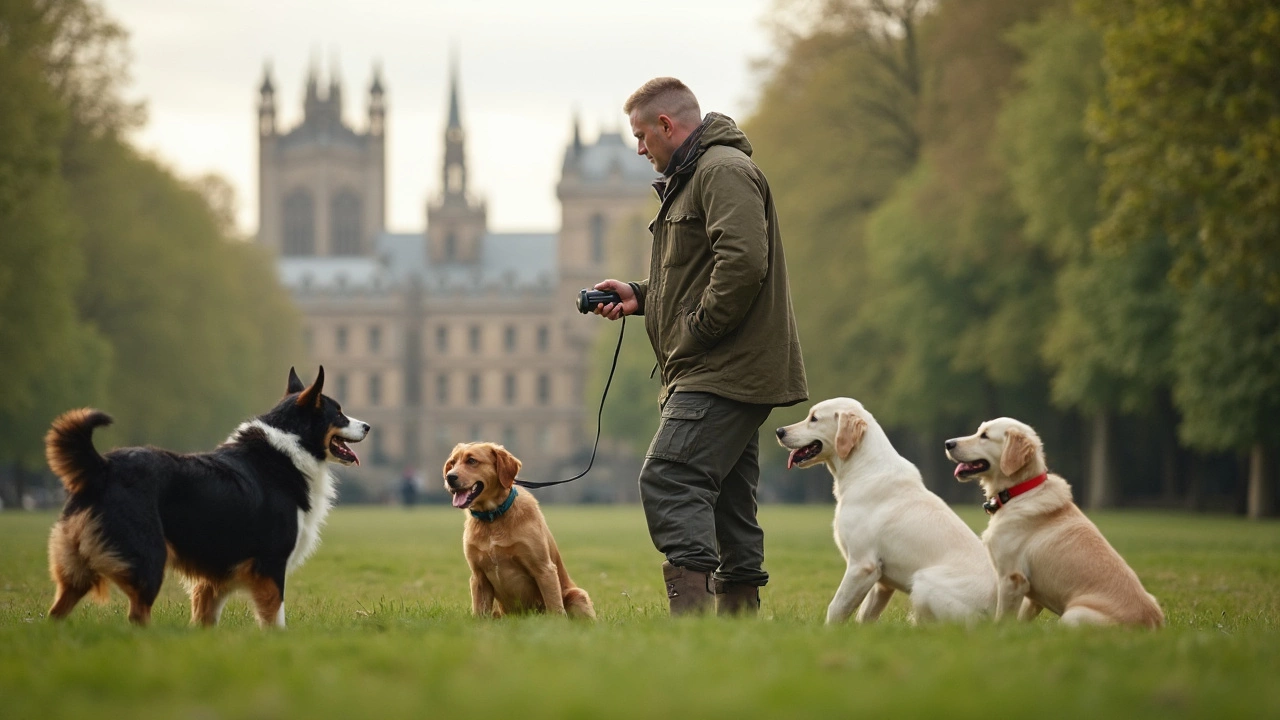
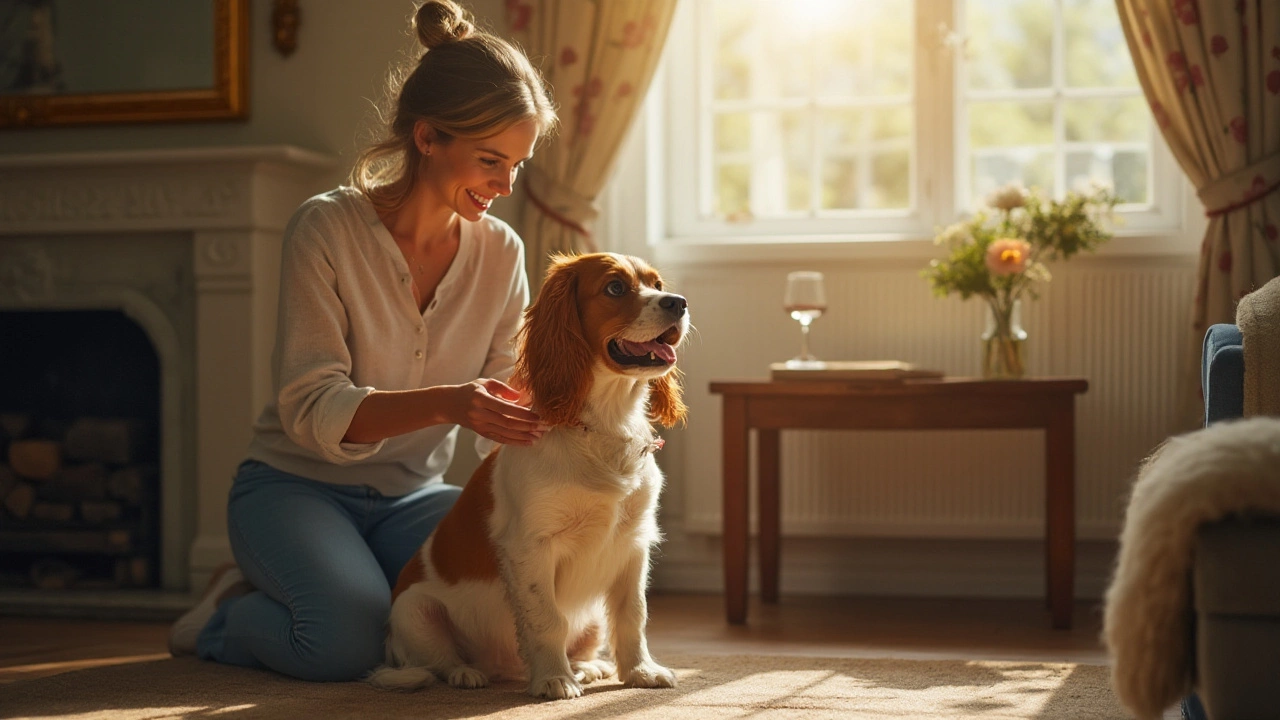
Start with the three foundation commands: sit, stay, and come. They are quick to teach and useful in everyday life. For sit, hold a treat just above your dog’s nose and move it back over the head. As the head lifts, the bottom naturally lowers—say “sit” and reward the moment the hindquarters touch the floor.
To teach stay, ask for a sit, then hold your palm out and say “stay.” Take one step back, then return and reward if the dog holds the position. Increase distance gradually; short, frequent sessions work best.
The come command saves you from a lot of trouble. Use a cheerful tone and open‑armed invite while holding a treat. When your dog runs to you, praise loudly and give the snack. Practice in a safe, fenced area before trying it on a leash.
Common Training Challenges and Easy Fixes
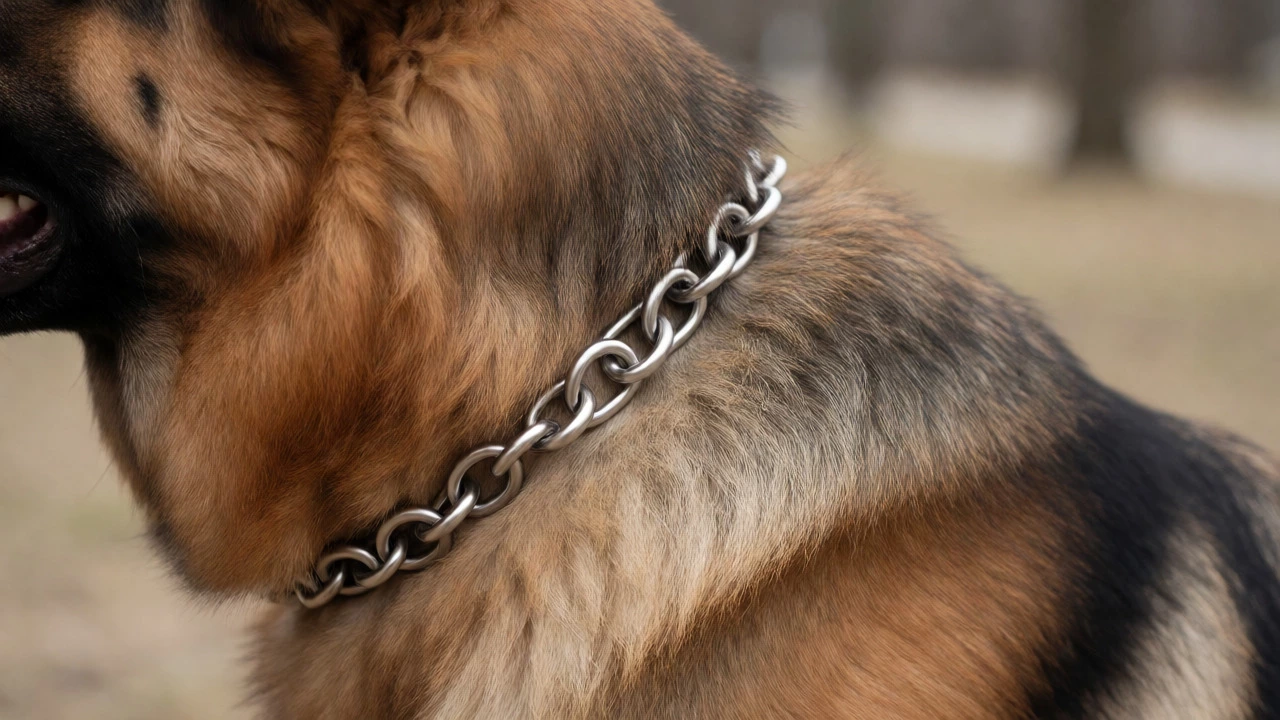
One of the most common frustrations is a dog that pulls on the leash. The trick is to stop moving the moment the tug starts. Stand still, wait for loose slack, then resume walking. Consistency turns a pulling habit into a polite walk.
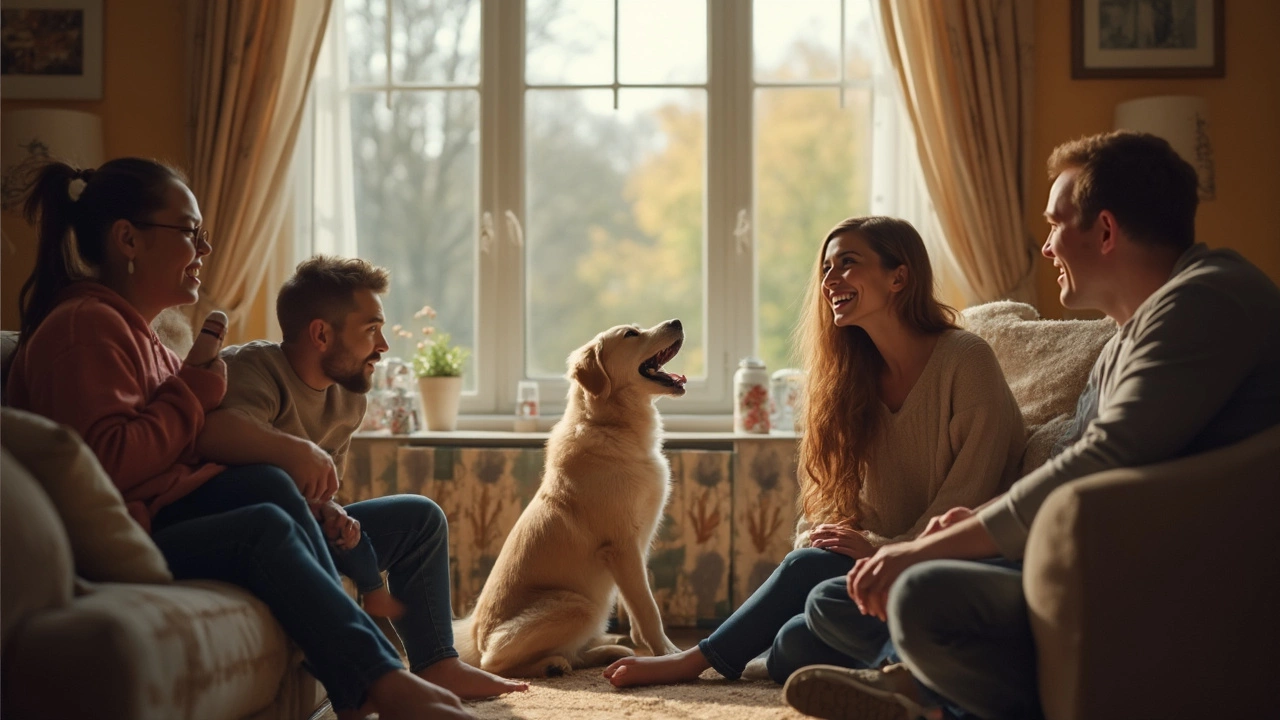
Another frequent issue is barking at visitors. Teach a “quiet” cue by first rewarding short moments of silence, then gradually extending the quiet period before giving the treat. Pair the cue with a calm environment so the dog learns that silence is rewarding.If your pup jumps on people, redirect the excitement. Ask for a sit as soon as they approach, then give attention only when the dog stays low. Over time the dog links greetings with a calm posture.
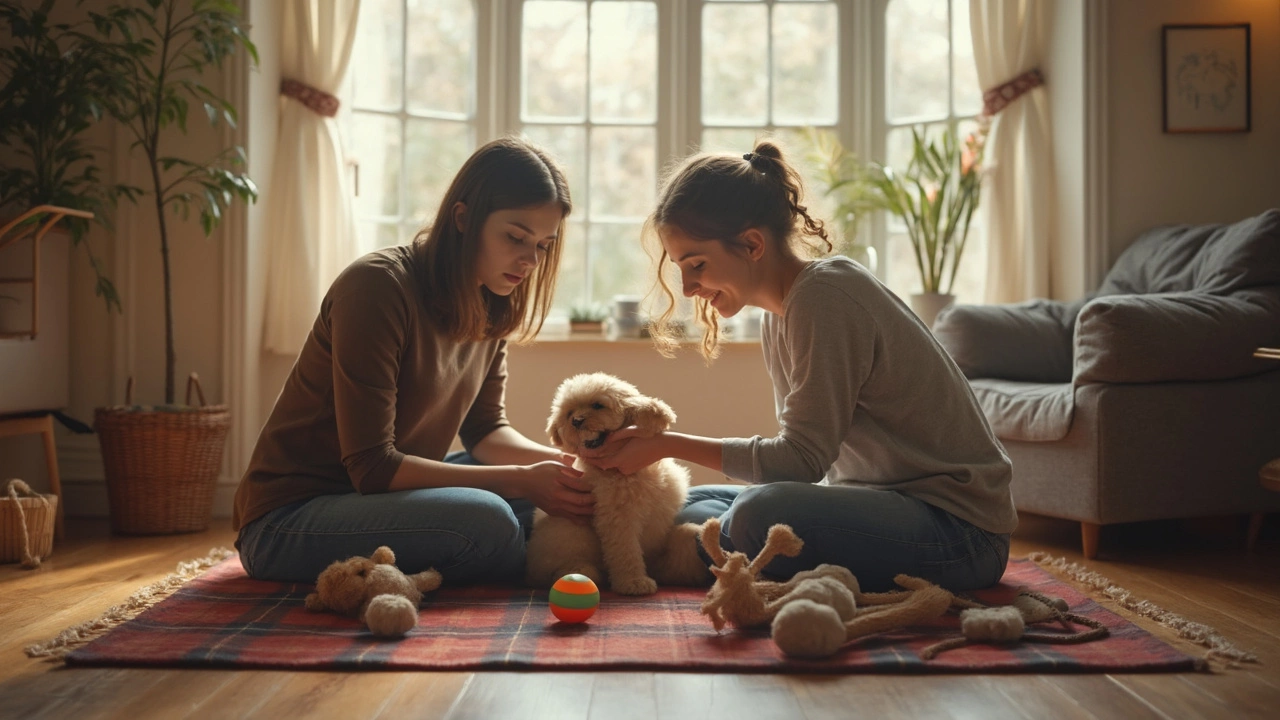
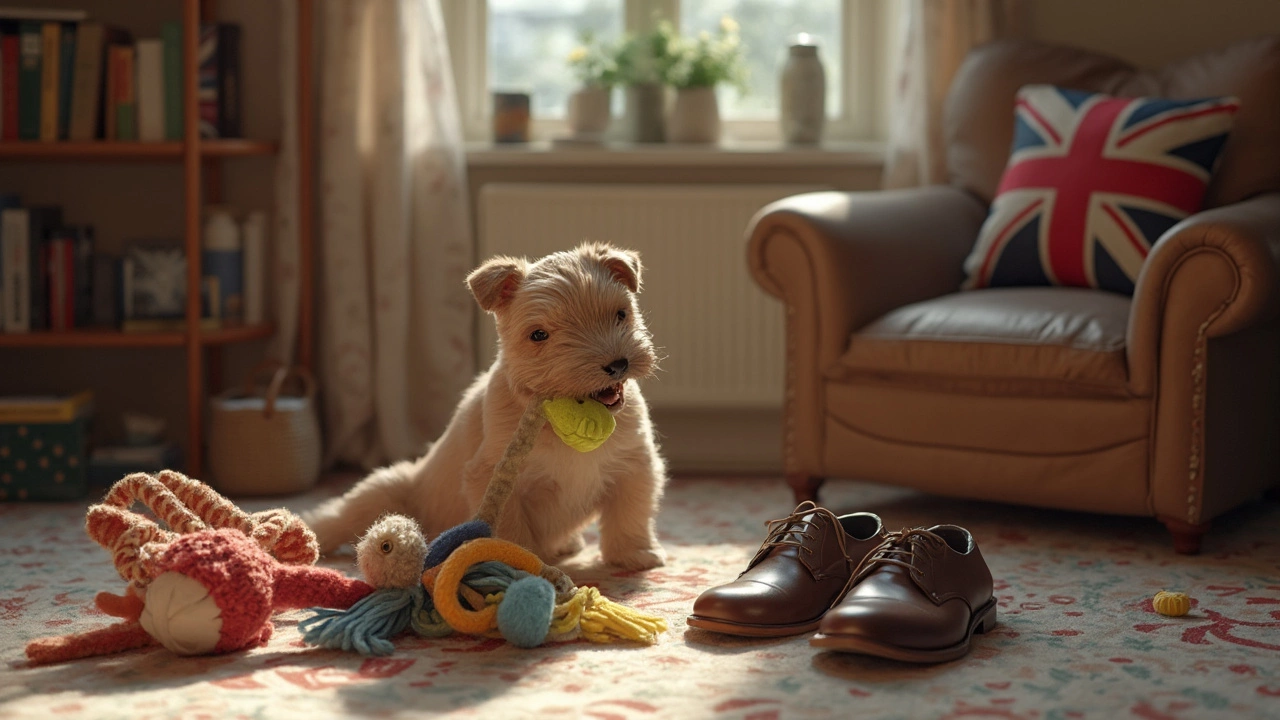
Our post “How to Teach Your Puppy Its Name” breaks down the science behind name recognition, and “Best Chew Toys for Puppies” shows how the right toys can reduce destructive chewing—both are great complements to the training tips above.
Remember, short sessions (5‑10 minutes) twice a day keep a dog’s attention and prevent burnout. End each training episode with a game or a walk so the dog associates learning with fun. Consistency, patience, and plenty of praise are the only tools you really need.
Ready to try? Pick one command, grab a treat, and spend five minutes today. You’ll see progress faster than you expect, and the bond with your dog will grow stronger with every successful session.