What is the Most Unhealthy Food for Dogs? Top Toxic Foods to Avoid
Discover the most unhealthy foods for dogs, including chocolate, xylitol, and grapes. Learn why these common household items pose serious health risks.

Feeding your dog the right food is one of the biggest ways you can boost their health. A balanced diet gives them energy, supports joint health, and helps their coat stay shiny. But with so many products on the market, it’s easy to get confused. Below you’ll find clear, practical advice you can start using today.
First, let’s tackle the biggest slip‑ups owners make. Many people think human protein shakes are a good supplement for dogs. In reality, most shakes contain sweeteners, artificial flavors, and even xylitol – a poison for dogs. If your dog drinks a shake, watch for vomiting, diarrhea, or lethargy and call your vet immediately.
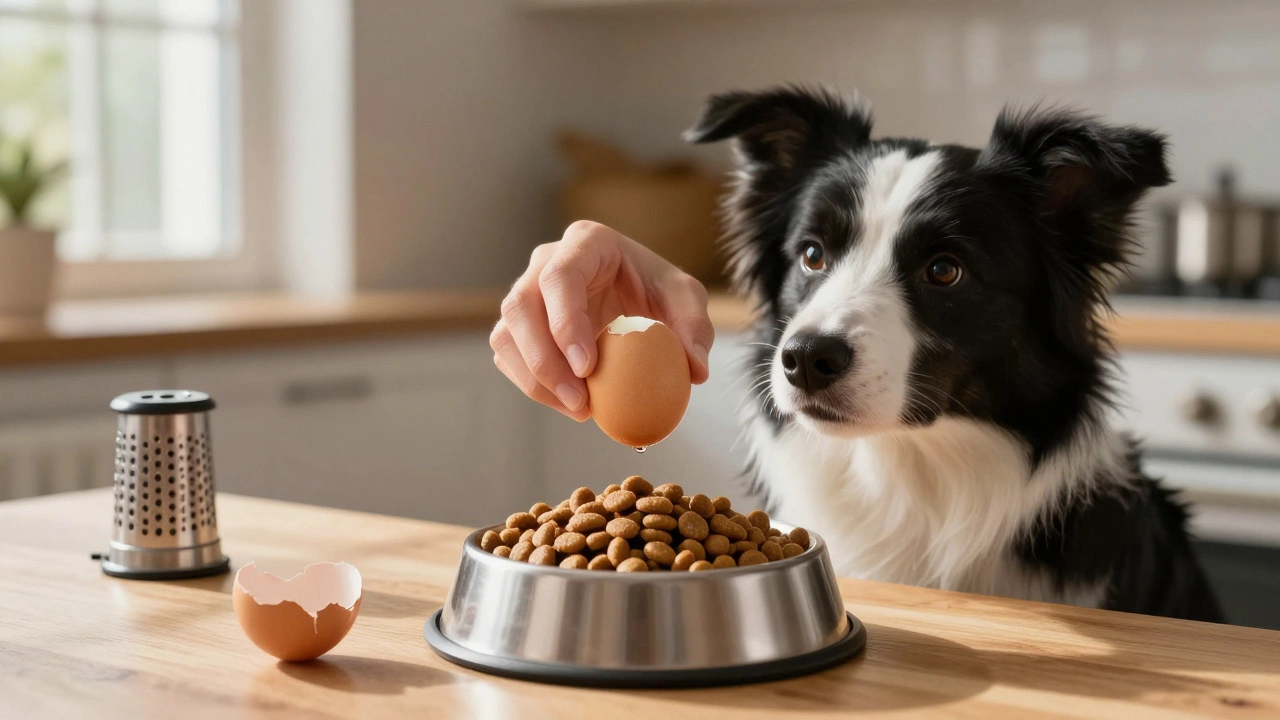
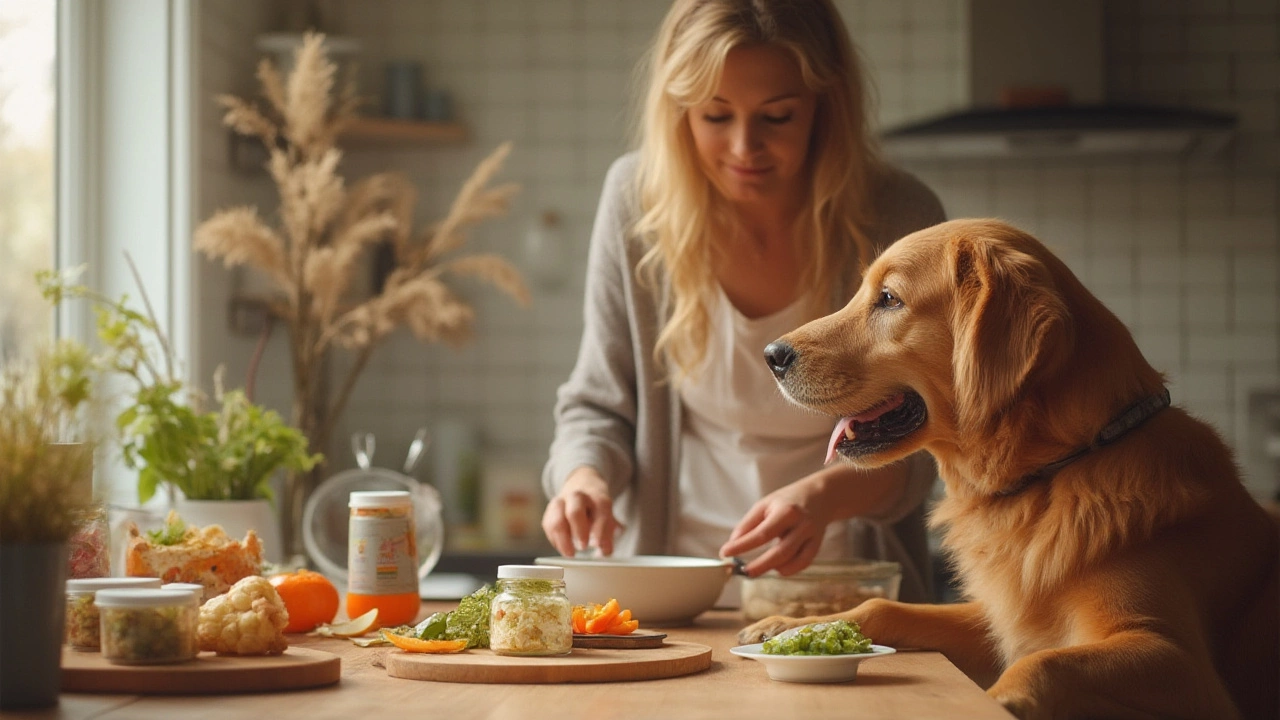
Second, homemade dog food can sound healthy, but it often hides dangerous ingredients. Foods like grapes, chocolate, onions, and excessive garlic can cause serious illness. Even seemingly safe items like too much dairy or raw eggs can lead to upset stomachs or bacterial infections. Always check a reliable ingredient list before adding anything new.
Third, fish oil is popular for joint support, but not every product is safe. Some cheap oils contain contaminants or too much vitamin A, which can be toxic over time. Look for reputable brands that list the source (like salmon) and have third‑party testing.
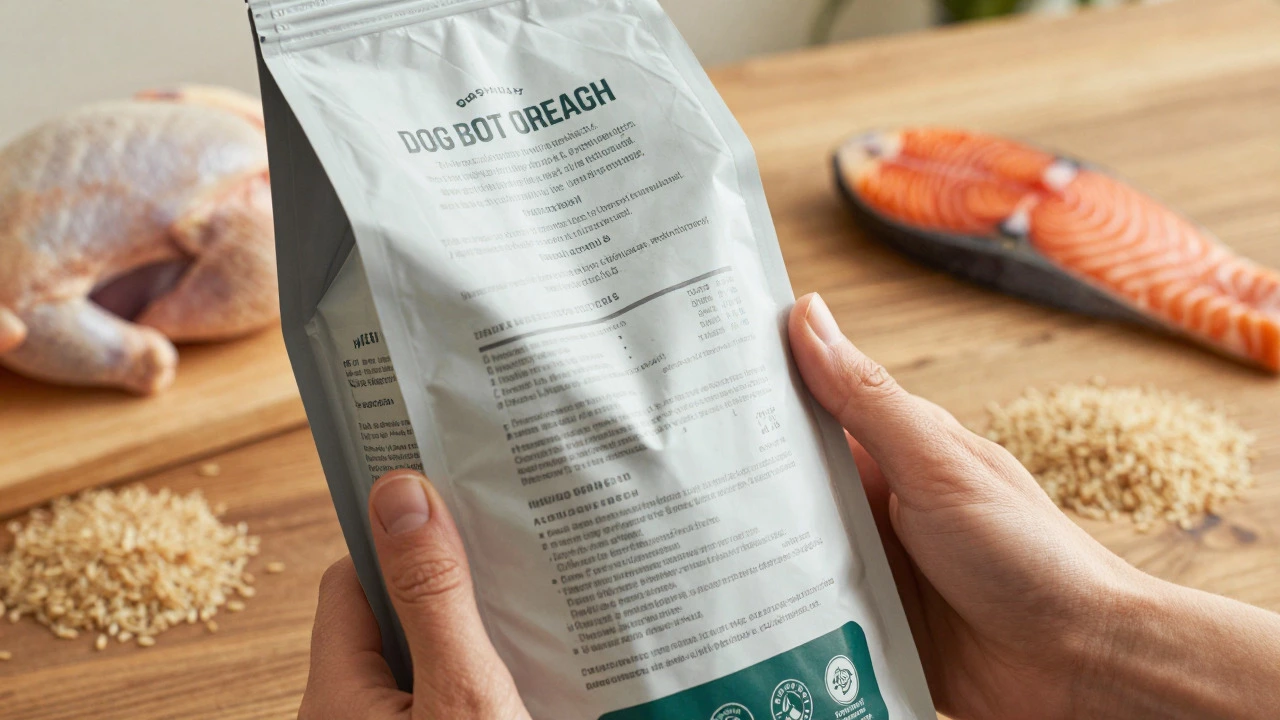
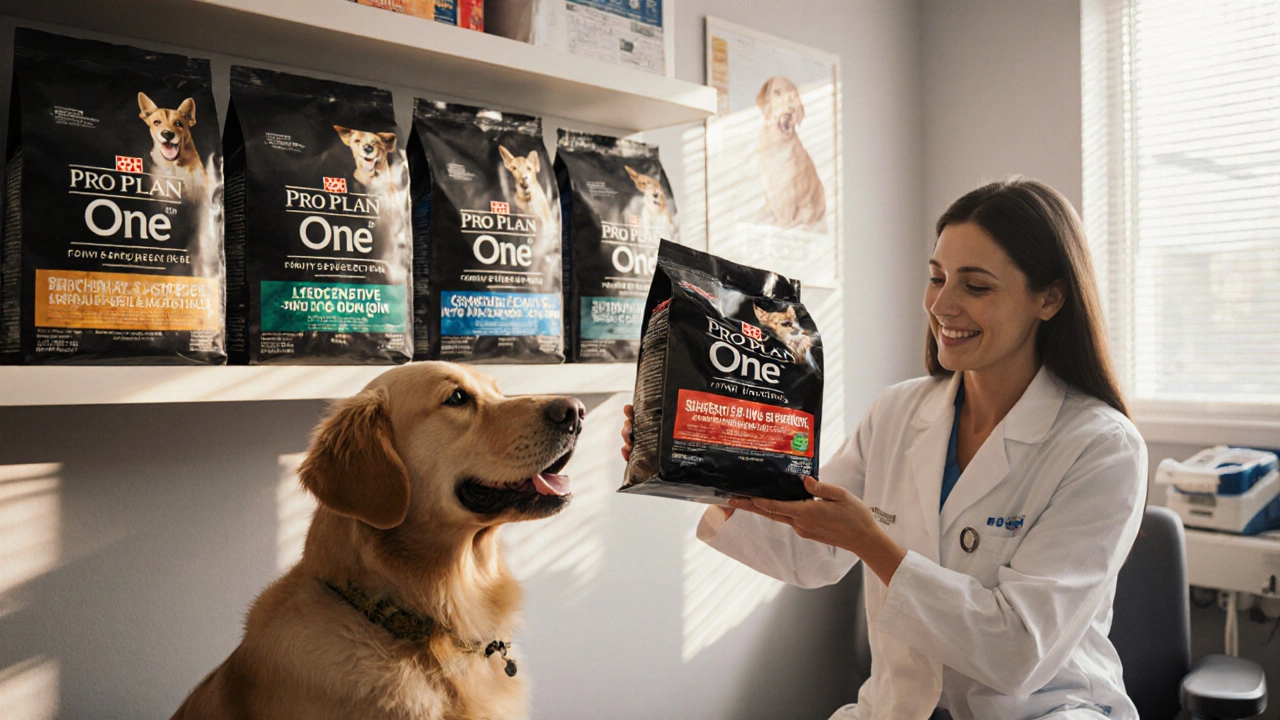
Start with a high‑quality commercial dog food that meets the AAFCO standards for your pet’s life stage. These formulas already balance protein, fats, carbs, vitamins, and minerals. If you want to supplement, ask your vet which options are best for your dog’s size, breed, and activity level.
Protein is the building block of a dog’s diet. Aim for a food where real meat is the first ingredient. Avoid fillers like corn or soy that provide little nutritional value. For extra protein, consider plain cooked chicken, turkey, or lean beef – just keep portions moderate.
If you’re looking for omega‑3 benefits without fish oil, there are plant‑based alternatives such as algae oil or krill oil. These give similar anti‑inflammatory effects and are easier on the stomach for some dogs.
Hydration matters, too. Fresh water should always be available, and wet food can add extra moisture for dogs that don’t drink enough. Just be careful with canned foods that are high in sodium; choose low‑salt options when possible.
Finally, pay attention to your dog’s weight and body condition. A quick visual check – you should feel ribs without a thick fat cover – helps you gauge if you need to adjust portions. Use the feeding guidelines on the bag as a starting point, then fine‑tune based on your dog’s activity and metabolism.
By skipping risky human snacks, staying clear of dangerous homemade ingredients, and choosing vet‑approved supplements, you’ll give your dog a diet that supports a long, happy life. Need more specific advice? Check out our articles on protein shakes, salmon oil, homemade food hazards, and fish‑oil alternatives for deeper details.
Discover the most unhealthy foods for dogs, including chocolate, xylitol, and grapes. Learn why these common household items pose serious health risks.
Discover how to find the best dog food for your pet by understanding AAFCO standards, decoding ingredient lists, and choosing the right format for your dog's life stage.
Scrambled eggs are a safe, nutritious treat for dogs when cooked plain without onions, garlic, or excessive salt. Learn portion sizes, health benefits, and how to serve them safely.
Discover the top 3 dog food brands in 2026: Orijen, Royal Canin, and Blue Buffalo. Compare ingredients, prices, and benefits to find the best nutrition for your dog's specific needs.
Discover how to choose the best wet dog food for your pet. Learn about protein sources, hydration benefits, and how to read labels correctly.
Purina Beneful is affordable but packed with corn, soy, and by-products. While some dogs do fine on it, many develop allergies or digestive issues. Learn what's really inside and what better options exist.
Eggs can be a healthy, natural supplement for dogs when cooked and given in moderation. They support coat health, muscle maintenance, and brain function-but raw eggs and added seasonings are risky. Learn how much, how often, and how to serve them safely.
Vets recommend Purina because it's backed by decades of science, not marketing. It's consistent, clinically tested, and works for most dogs-especially those with sensitive stomachs or health conditions.
Discover which vitamin matters the most for your dog’s health, how deficiencies show up, and the real science behind canine nutrition. Practical tips and expert insights inside.
Wondering which dog food vets actually stand behind? This article unpacks what real veterinarians say about choosing dog food, spotlighting the safest and healthiest types for dogs at every stage of life. Find out what to look for on the label, get tips for decoding ingredient lists, and see why some brands stand out at the vet’s office. Also, learn about special considerations for dogs with sensitive stomachs or allergies. Get all the straight facts to feel confident about your dog's bowl.
Curious if Purina One lives up to the promises on its label? This article breaks down what's actually in the formula, how it ranks for nutritional quality, and what real dog owners have experienced. You'll get the facts behind popular claims, ingredient details that matter, and tips on picking what's best for your dog's health. No fluff—just real insights to help you make your next food buy with confidence. Perfect for anyone who wants straightforward answers about their pet's food.
Wondering if bone broth is safe or healthy for your dog? This article takes a deep look at bone broth as a supplement in your dog’s diet. Learn about the benefits, how to use it, and what risks to watch for. You'll get real tips for buying or making bone broth yourself, plus advice on picking the best options for your pup’s unique needs. Get practical info to help you decide if bone broth deserves a spot in your dog’s bowl.