Harness vs. Collar for Walking Dogs: Which Is Safer and Better?
Discover whether a harness or collar is safer for your dog. We compare control, comfort, and breed-specific needs to help you choose the right walking gear.

When it comes to keeping your dog safe, comfortable, and happy, the right accessories make all the difference. From everyday collars to calming gadgets, each piece serves a purpose that goes beyond looks. Below we break down the most useful items, share quick tips on picking the best ones, and point out common mistakes to avoid.
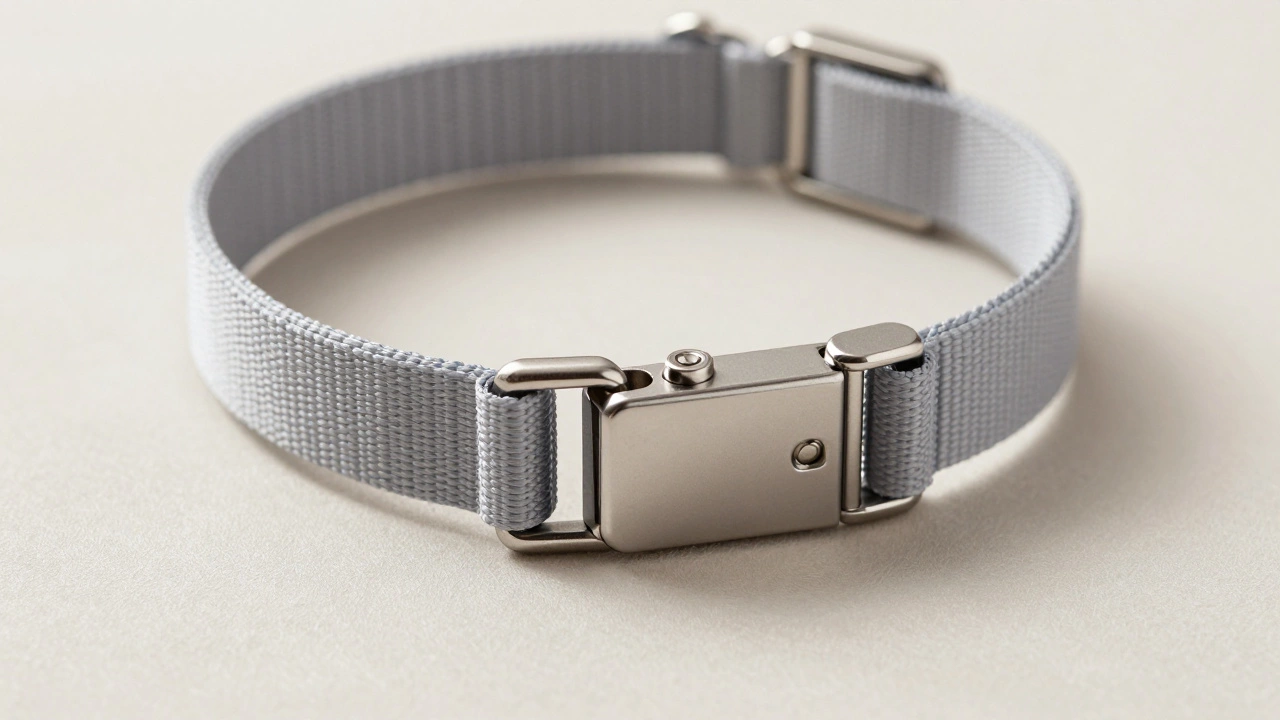
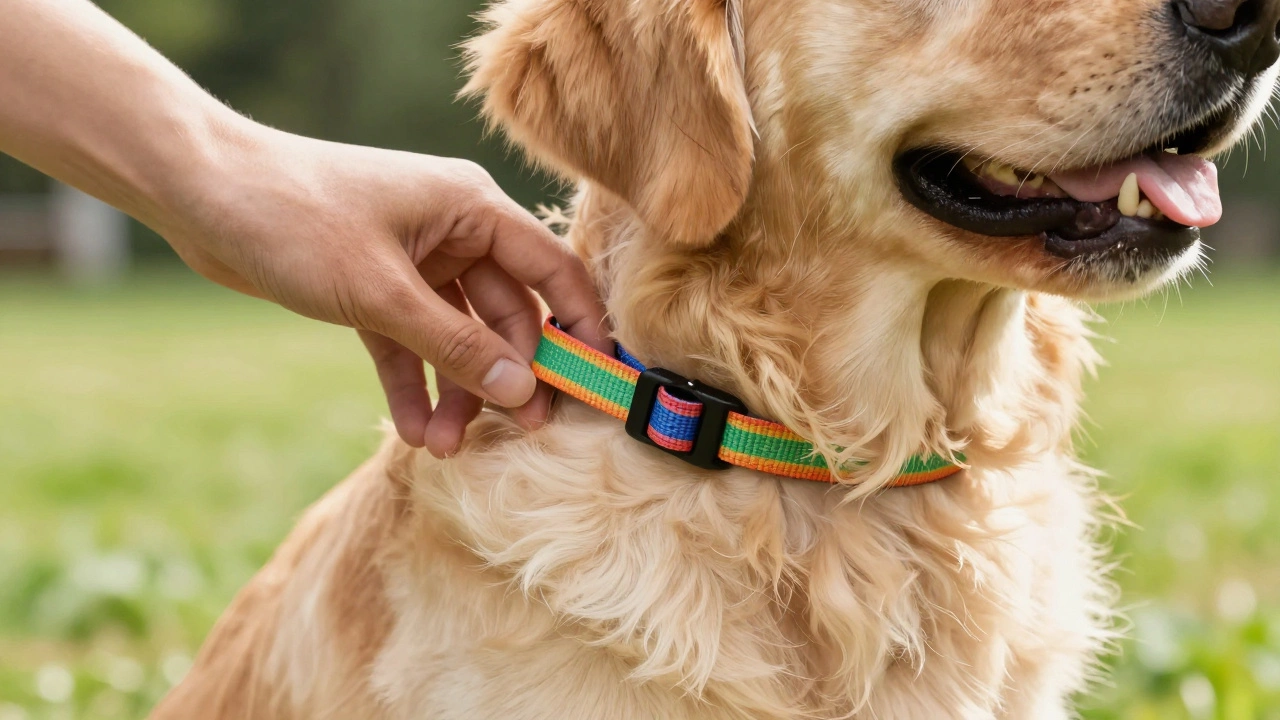
Collars are the first thing you notice on a dog, but they’re also the first line of protection. A good collar should fit snugly without digging in, be made from durable material, and have a sturdy buckle. If you’re unsure whether to leave the collar on 24/7, consider the risks: constant wear can cause skin irritation, but a properly sized, breathable collar poses little danger. Check for signs of wear—frayed edges, lost clipping, or a faded label—and replace the collar every 6‑12 months, especially after muddy hikes or rough play.
For anxious dogs, calming collars are worth a look. They release gentle pheromones or use low‑level vibrations to soothe nerves. While they don’t replace training, many owners report noticeable calmness during thunderstorms or fireworks. Just read the label, avoid scented versions if your dog has skin sensitivities, and pair the collar with a calm environment.
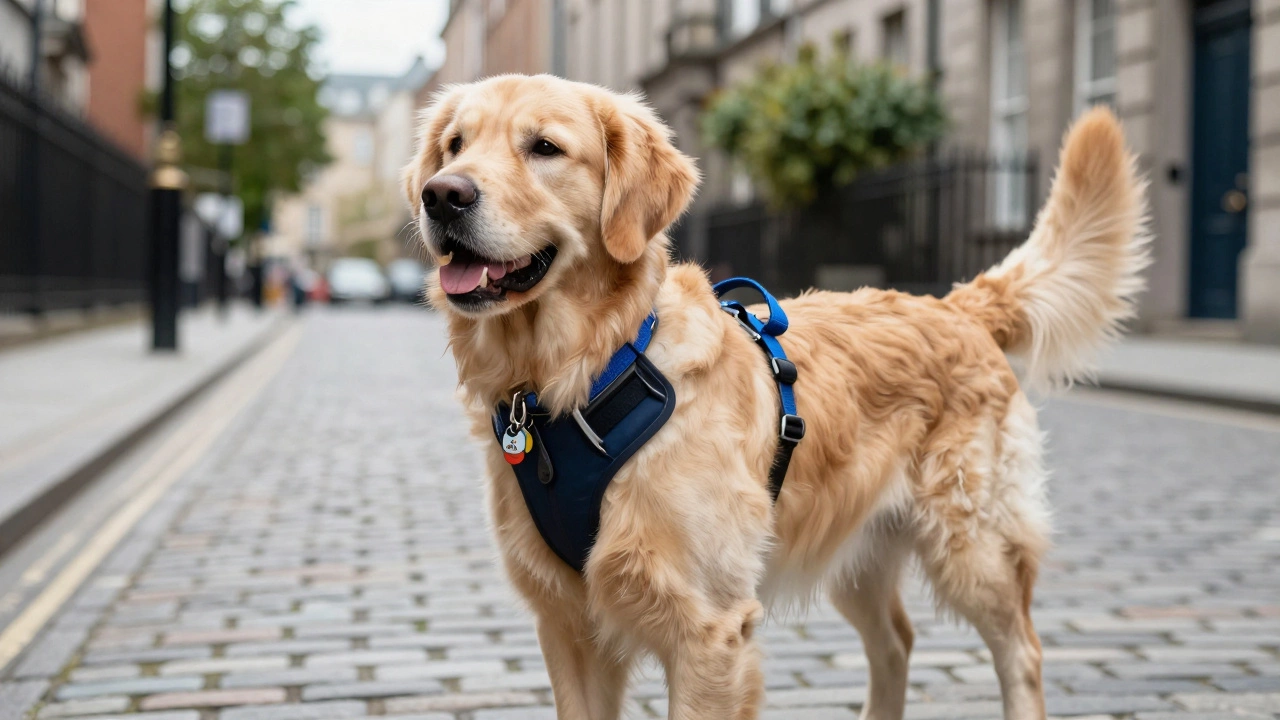
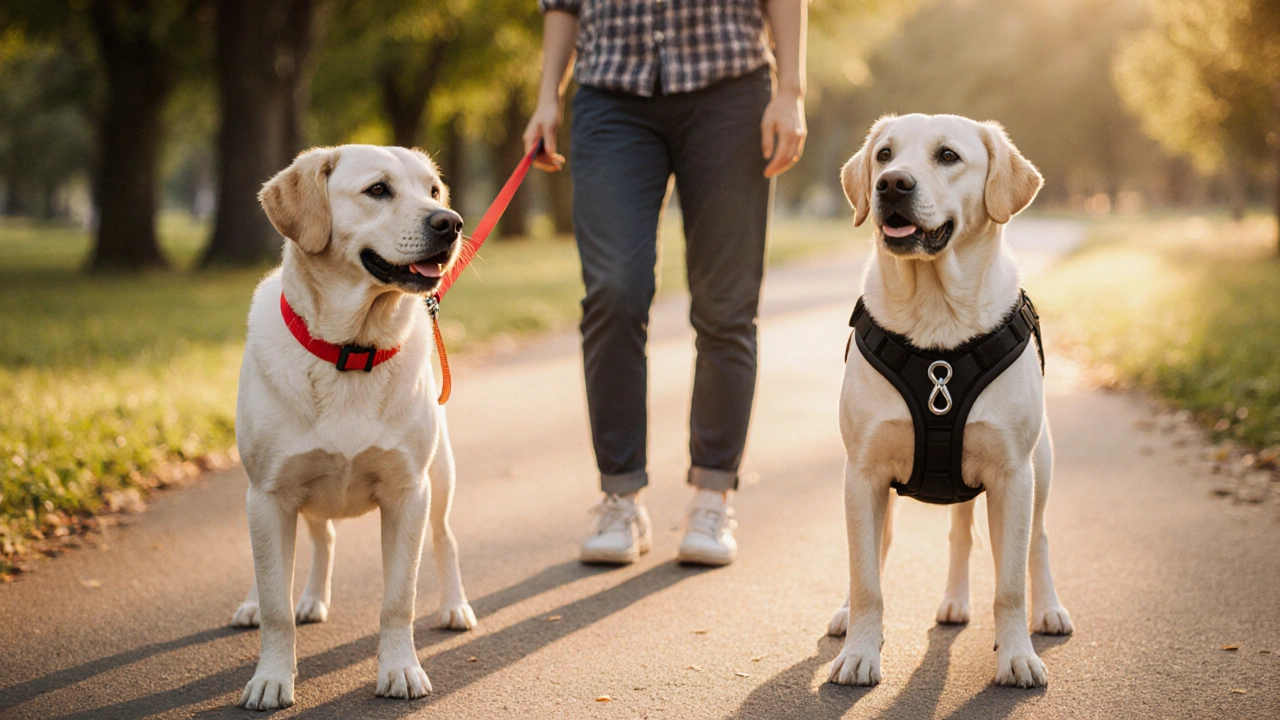
Beyond collars, a well‑equipped dog gets the best out of every walk. A no‑pull harness can stop tugging without choking your pup, and it’s a safer choice for dogs that tend to lunge. If you need extra control, an e‑collar (electronic training collar) offers remote commands, but use it only after consulting a professional trainer and follow the lowest‑intensity setting.
Vibrating collars are a humane alternative to shock‑based devices. They deliver a light buzz that captures attention, making them useful for hearing‑impaired dogs or beginners learning recall. Again, start with short bursts and reward good behavior with treats.
Don’t forget grooming tools. A sturdy brush, nail clippers, and a pet‑safe shampoo keep your dog looking sharp and feeling healthy. Regular grooming also helps you spot skin issues early, which can be especially important if your dog wears a collar daily.
Finally, think about a travel harness or a seat belt attachment if you drive often. These keep your dog secure in the car and reduce the chance of injury if you have to stop suddenly.
Putting it all together, start with a comfortable, well‑fitted collar, add a calming or training tool only if needed, and round out the kit with a harness, grooming supplies, and travel safety gear. Check each item regularly for wear and replace as needed. With the right accessories, walks become smoother, stress levels drop, and your dog enjoys every adventure with you.
Discover whether a harness or collar is safer for your dog. We compare control, comfort, and breed-specific needs to help you choose the right walking gear.
Discover if breakaway collars are necessary for your dog. We compare safety risks, escape chances, and best use cases to help you choose the right gear.
Find the perfect dog collar by understanding sizing rules, material differences, and safety features. Learn when to use flat, martingale, or breakaway collars for your dog's specific needs.
Discover if dogs can safely wear a collar and harness together. Learn the best practices for attachment, safety risks to avoid, and how this combo improves control and ID security.
Ever wonder why some dogs don't wear collars? We explore the reasons, from skin sensitivities and respiratory health to the use of microchips and harnesses.
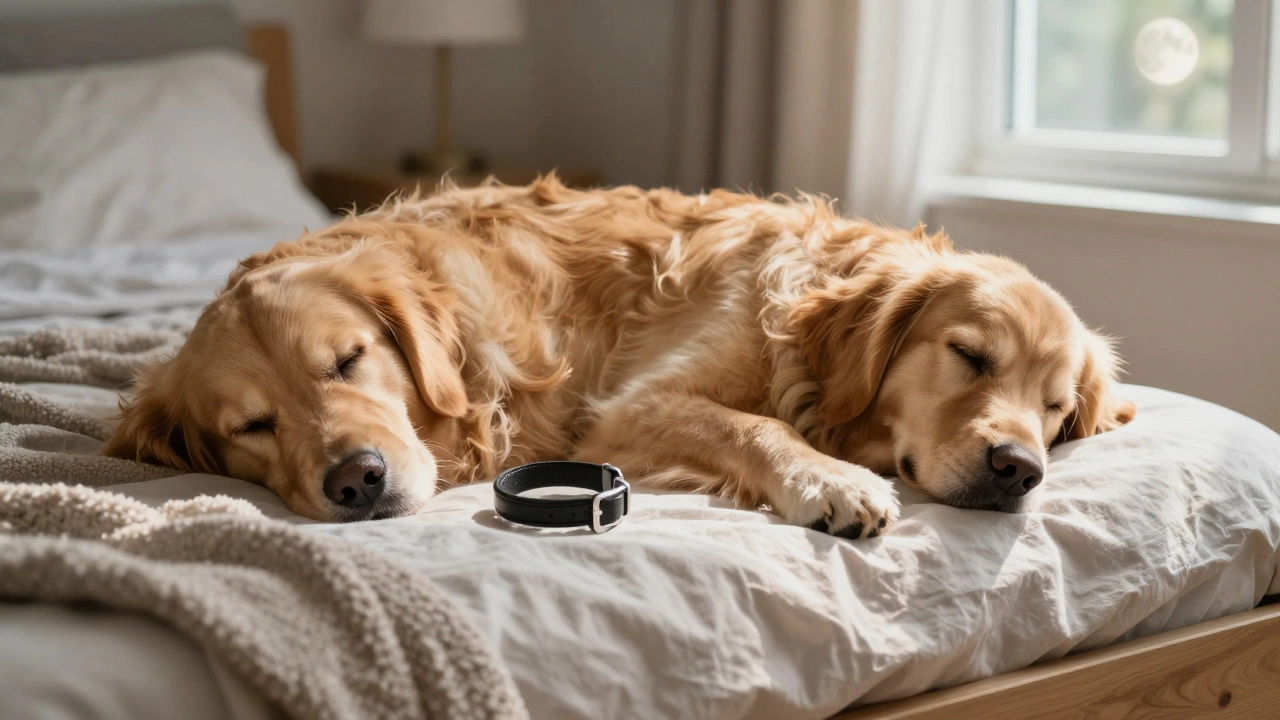
Leaving a dog collar on 24/7 can cause skin irritation, infections, and even breathing problems. Vets recommend removing collars at night and during unsupervised time. Here’s what you need to know to keep your dog safe and healthy.
Breakaway dog collars save lives by releasing under pressure, while quick release collars are for convenience. Know which one your dog needs to stay safe.
Discover whether a dog collar or a harness is safer for walks, with pros, cons, fit tips, and real‑world examples for every breed.
Are dog calming collars worth it? Discover how these collars work, real-world pros & cons, and expert-backed tips to help anxious dogs find relief.
Explore whether it's safe to leave your dog's collar on 24/7. Learn about safety, comfort, health risks, and tips to keep your dog happy and secure.
Dog collars go through a lot—from muddy hikes to rough play. But how do you know when it’s time for a new one? This article explains how often you should replace your dog's collar, what signs to look for, and how different materials hold up. Get simple tips to keep your furry friend safe, comfy, and looking good out on walks.
Ever wondered why so many dog trainers choose e-collars? This article digs into how these collars work, why trainers use them, and the debates around their safety and effectiveness. You'll find facts, tips, and real-world advice to help you decide if this tool is right for your dog. It’s all about understanding the logic behind the popularity of e-collars and clearing up the most common myths. Discover what really goes on with this controversial training tool.