
Pet Flight Eligibility Checker
Flying with a pet doesn’t have to be a nightmare-but it’s not as simple as booking a ticket and walking through security. If you’ve ever stared at your dog or cat wondering if they’ll survive a flight, you’re not alone. Thousands of pet owners do this every year, and most make it through without major issues. But the difference between a smooth trip and a stressful one comes down to preparation, knowing the rules, and avoiding the common mistakes most people don’t see coming.
First, decide: Can your pet even fly?
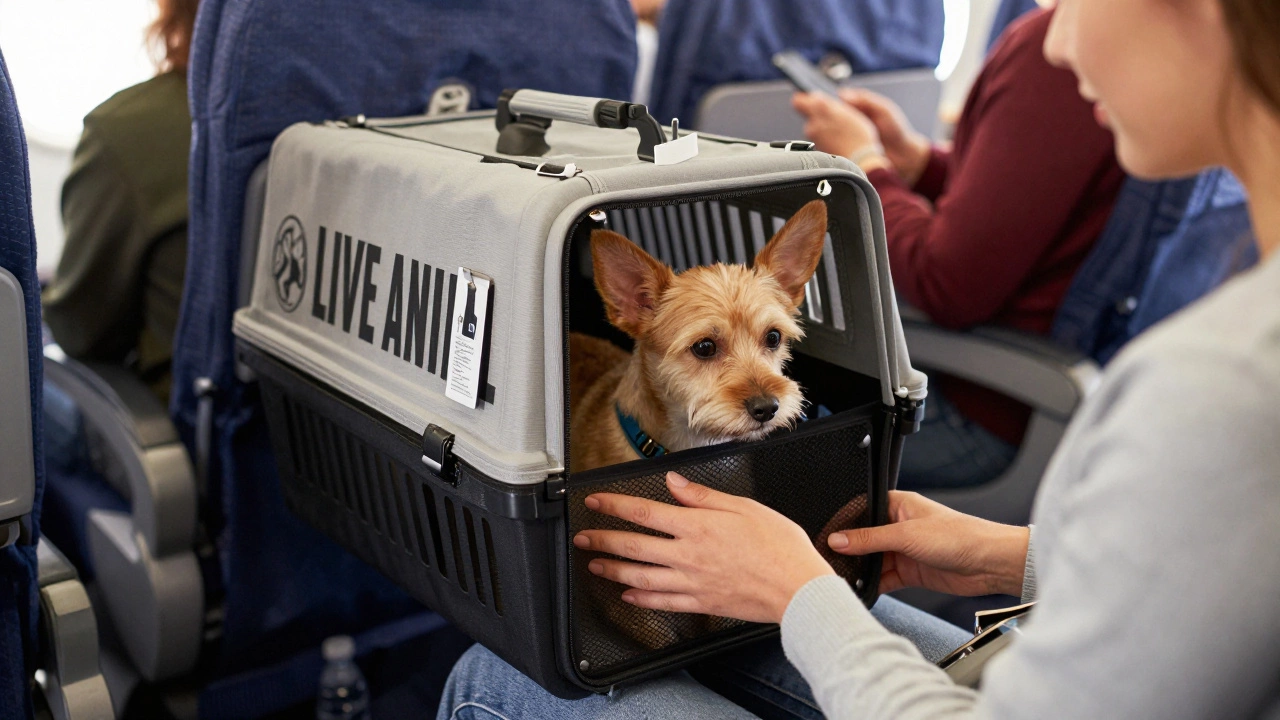
Not every pet is allowed on a plane. Airlines have strict rules based on breed, size, age, and health. Brachycephalic breeds-like Bulldogs, Pugs, and Persian cats-are often banned from cargo holds because their short snouts make it harder to breathe in low-pressure environments. Some airlines won’t fly these pets at all, even in the cabin. Others restrict them during hot months. If your pet is under 8 weeks old, you’re out of luck-most carriers require pets to be at least that old to fly.Weight matters too. If your pet is over 20 pounds (9 kg), they’ll likely need to fly in cargo, even if they’re calm and well-behaved. Cabin pets usually have to fit in an airline-approved carrier that can slide under the seat in front of you. That means a soft-sided carrier no bigger than 18 x 11 x 11 inches. Measure your pet’s height and length before you book. If they can’t stand up or turn around comfortably in that space, they’re too big for the cabin.
What airlines actually allow
Airlines vary wildly in their pet policies. Delta, United, and American all allow pets in the cabin but charge $125-$200 each way. Southwest lets you bring two pets per passenger for $95 each. JetBlue and Alaska Airlines are more pet-friendly overall, with better policies for emotional support animals (though those now require official documentation). European carriers like Lufthansa and KLM have similar rules but often require health certificates issued within 10 days of travel.Some airlines, like Ryanair and EasyJet, don’t allow pets in the cabin at all-not even service animals, unless they’re certified guide dogs. If you’re flying internationally, check each airline’s website directly. Don’t rely on third-party booking sites-they often get pet rules wrong.
Health papers aren’t optional
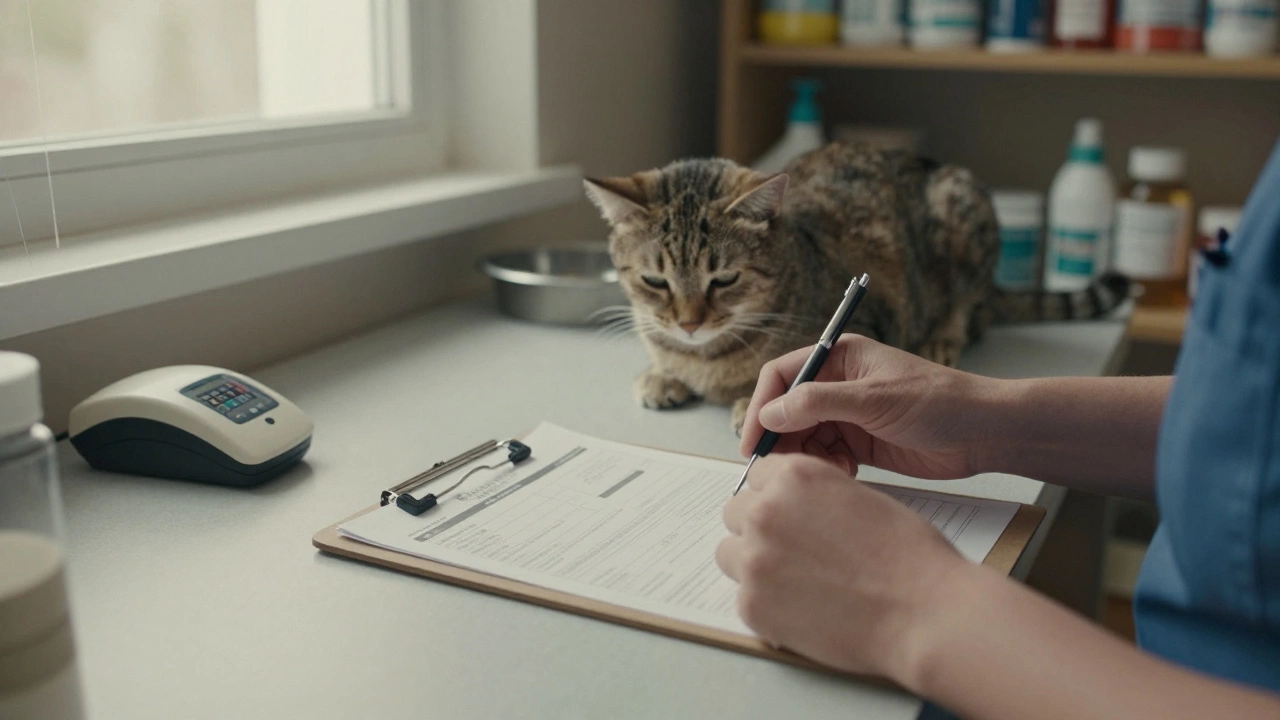
You can’t just show up at the airport with your cat in a carrier. Every U.S. airline requires a health certificate from a licensed vet, issued no more than 10 days before your flight. For international travel, you’ll need an import permit, rabies vaccination records, and sometimes a microchip registered to your name. The EU requires a pet passport, which includes proof of rabies vaccination, microchip, and a tapeworm treatment if you’re coming from a non-EU country.Some countries, like Japan and Australia, have mandatory quarantine periods-up to 10 days or more. That’s not something you can skip. If you’re flying to Hawaii, your pet must complete a 120-day quarantine unless they’ve gone through the state’s 5-Day-or-Less program, which requires multiple blood tests over several months. Plan ahead. These processes take time. You can’t rush them.
Cabin vs. cargo: which is safer?
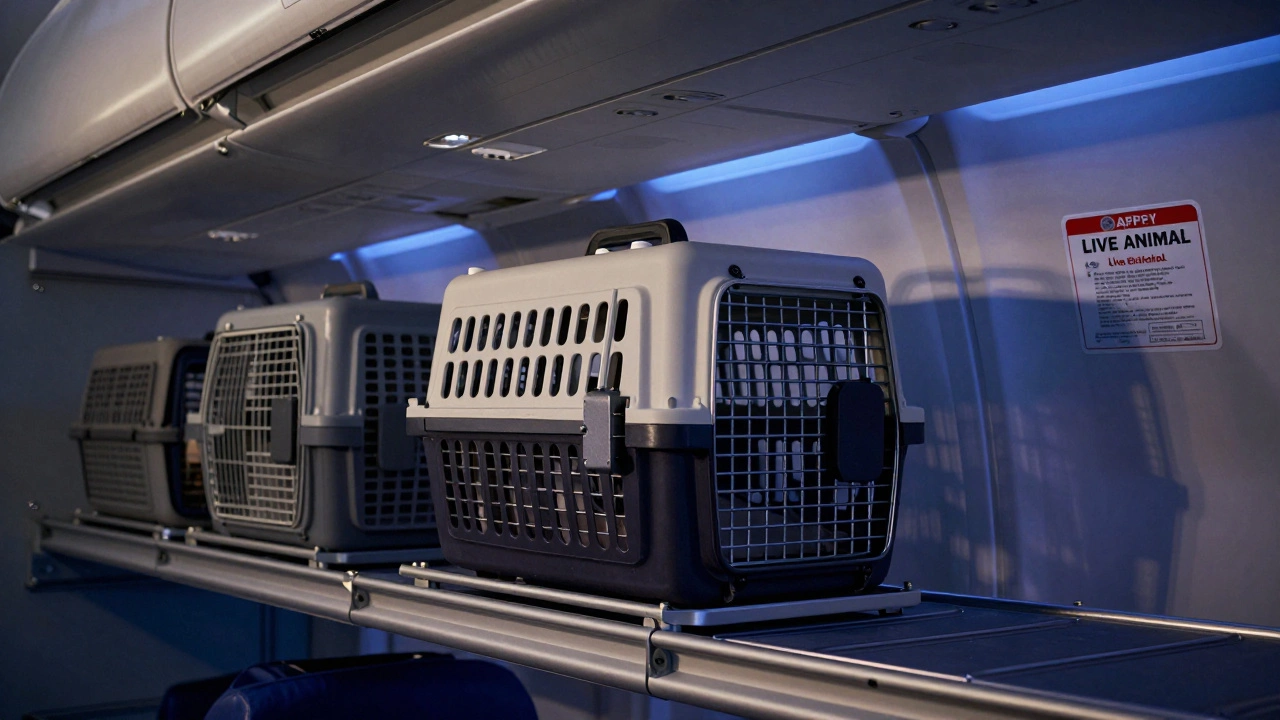
Most people assume the cabin is safer-and it usually is. Pets in the cabin stay with you, are monitored, and aren’t exposed to extreme temperatures or rough handling. But cargo isn’t automatically dangerous. Modern cargo holds are climate-controlled, pressurized, and monitored. The real risk comes from poor planning: flying during summer heatwaves, choosing an airline with bad pet handling records, or not acclimating your pet to the carrier.Here’s what most people get wrong: they wait until the day before to buy a carrier. Then they try to shove their nervous dog into it. Big mistake. Your pet needs to be comfortable in that carrier before the flight. Start training at least 4-6 weeks ahead. Leave the carrier out with treats inside. Let them nap in it. Feed them meals inside. Make it feel like home. If your pet panics when you close the door, you’re not ready to fly.
What to pack (and what to leave behind)
Pack these essentials:- Airlines-approved carrier (with your name, phone, and pet’s name on it)
- Water bottle or collapsible bowl (most airlines won’t let you give food or water during flight, but you can offer it before and after)
- Blanket or towel with your scent on it
- Wet wipes and poop bags (for bathroom breaks)
- Medication if needed (keep in original packaging with vet instructions)
- Recent photo of your pet (in case they get lost)
Leave these behind:
- Food (unless your vet says it’s okay-digestive upset is common in flight)
- Collars with tags (they can get caught in the carrier)
- Leashes (not allowed in cargo)
- Toys with small parts (they can break and become choking hazards)
What happens at the airport
At check-in, you’ll need to present your pet’s health certificate. The agent will inspect the carrier. If it’s too big, too small, or doesn’t meet airline specs, they’ll turn you away. No exceptions. You won’t get a refund.At security, you’ll have to take your pet out of the carrier. Most TSA agents are used to this, but don’t expect them to help. Hold your pet firmly. Use a harness if they’re prone to bolting. After screening, put them back in the carrier immediately. Don’t let them wander near the conveyor belt or busy walkways.
If you’re flying cargo, you’ll drop your pet off at the airline’s cargo counter, usually 2-4 hours before departure. You won’t see them again until you land. Some airports have pet relief areas. Ask at check-in. If your pet is nervous, ask for a “pet-friendly” handler-they’ll ensure your pet is loaded last and unloaded first.
Common mistakes and how to avoid them
Most problems happen because people skip these steps:- Not booking early - Pet spots are limited. Book your pet’s seat at the same time as yours.
- Choosing the wrong flight - Avoid flights during extreme weather. Don’t fly in summer if your pet is brachycephalic.
- Feeding right before - Don’t feed your pet 4-6 hours before the flight. Water is okay, but too much food = accidents.
- Not labeling the carrier - Write your name, phone, destination, and “LIVE ANIMAL” on all sides.
- Assuming your pet will be fine - If your pet has anxiety, talk to your vet about calming aids. Sedatives are usually banned, but natural options like pheromone sprays or calming wraps are allowed.
Real stories: what went right
Sarah from Portland flew her 14-pound cat, Luna, from Oregon to Ireland. She started training 8 weeks out. She used a carrier with a pee pad and a favorite sweater. She booked a direct flight with KLM, got the pet passport, and had her vet issue the health certificate 7 days before. At Dublin Airport, a staff member handed her Luna within minutes of landing. No stress. No delays.Mark from Texas tried flying his bulldog, Duke, in cargo during July. The plane sat on the tarmac for 90 minutes in 95°F heat. Duke developed heat stress. He survived, but spent three days in a vet clinic. Mark now only flies in winter-and only with direct flights.
Is it worth it?
Yes-if you’re prepared. Flying with a pet is harder than driving, but sometimes it’s the only option. The key is treating it like a mission, not an afterthought. Plan early. Know the rules. Train your pet. Don’t cut corners. Most people who fly with pets say it’s easier than they expected. The ones who struggle? They didn’t read the fine print.Can I fly with my pet in the cabin?
Yes, if your pet is small enough to fit in an airline-approved carrier under the seat in front of you. Most airlines limit cabin pets to 20 pounds (9 kg) or less, including the carrier. You’ll need to book a pet spot in advance and pay a fee, usually between $95 and $200 each way.
Do I need a pet passport?
If you’re flying within the EU or into it from outside, yes. A pet passport includes proof of rabies vaccination, a microchip, and sometimes a tapeworm treatment. For international travel outside the EU, check the destination country’s requirements-they can vary widely. The U.S. doesn’t require a passport, but most countries do.
Can I sedate my pet for the flight?
No. Most airlines ban sedatives because they can interfere with breathing at high altitudes. Instead, use calming aids like pheromone sprays, anxiety wraps, or natural supplements approved by your vet. Training your pet to feel safe in the carrier is the best long-term solution.
What if my pet has to go to the bathroom during the flight?
Cabin pets usually don’t need to go during short flights. For longer trips, line the carrier with an absorbent pee pad. Cargo pets are given a chance to relieve themselves during layovers if the flight has a stopover longer than 2 hours. Never give your pet food or water during the flight unless instructed by your vet.
How much does it cost to fly with a pet?
Cabin fees range from $95 to $200 each way, depending on the airline and route. Cargo fees start at $300 and can go over $1,000 for international flights, especially if you need quarantine, health paperwork, or special handling. Always check the airline’s website for exact pricing-it’s not always listed on third-party booking sites.