
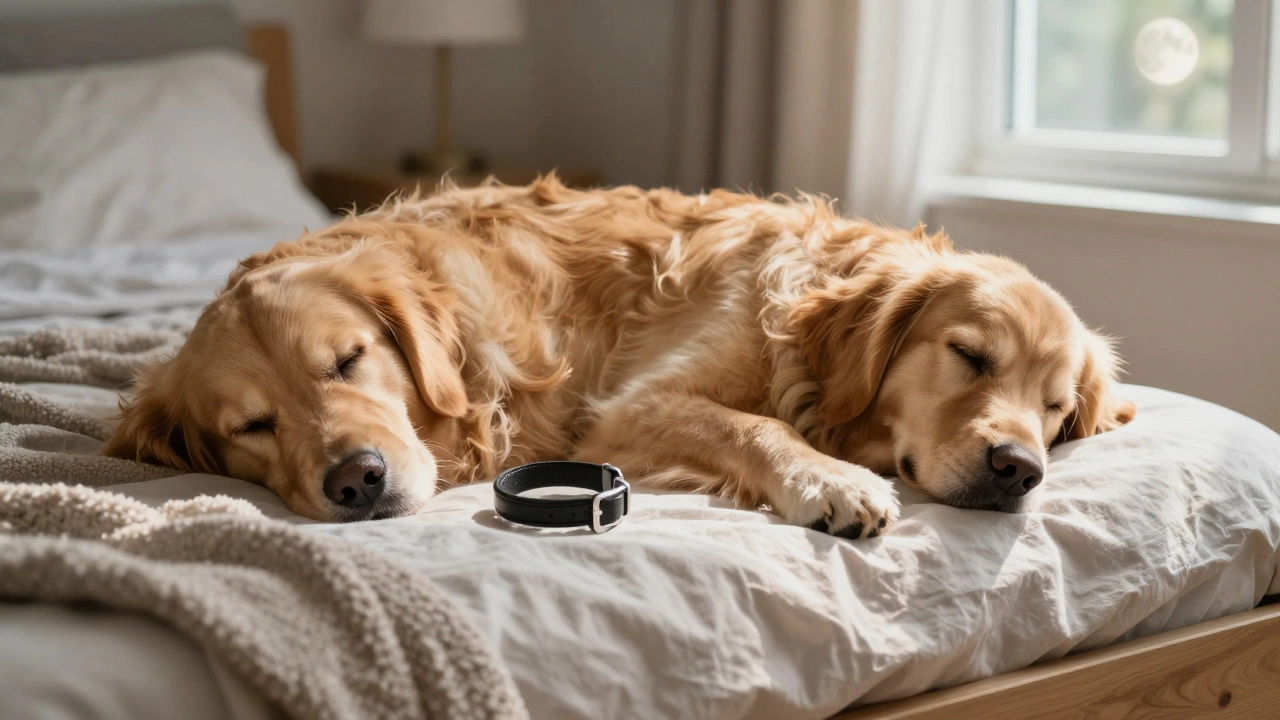
Many dog owners leave collars on their pets day and night-whether for ID tags, leash attachment, or just because it’s always been that way. But is it actually safe? The short answer: dog collars aren’t meant to be worn 24/7, and doing so can cause real harm over time.
Why Constant Collar Use Is a Problem
Dog collars aren’t like human watches or necklaces. They’re tools, not fashion accessories. When worn nonstop, they rub against the skin, trap moisture, and put pressure on sensitive areas like the trachea, thyroid, and lymph nodes. A 2023 study from the University of Edinburgh found that dogs wearing collars continuously for more than six months showed a 40% higher rate of neck skin irritation compared to those given nightly breaks.
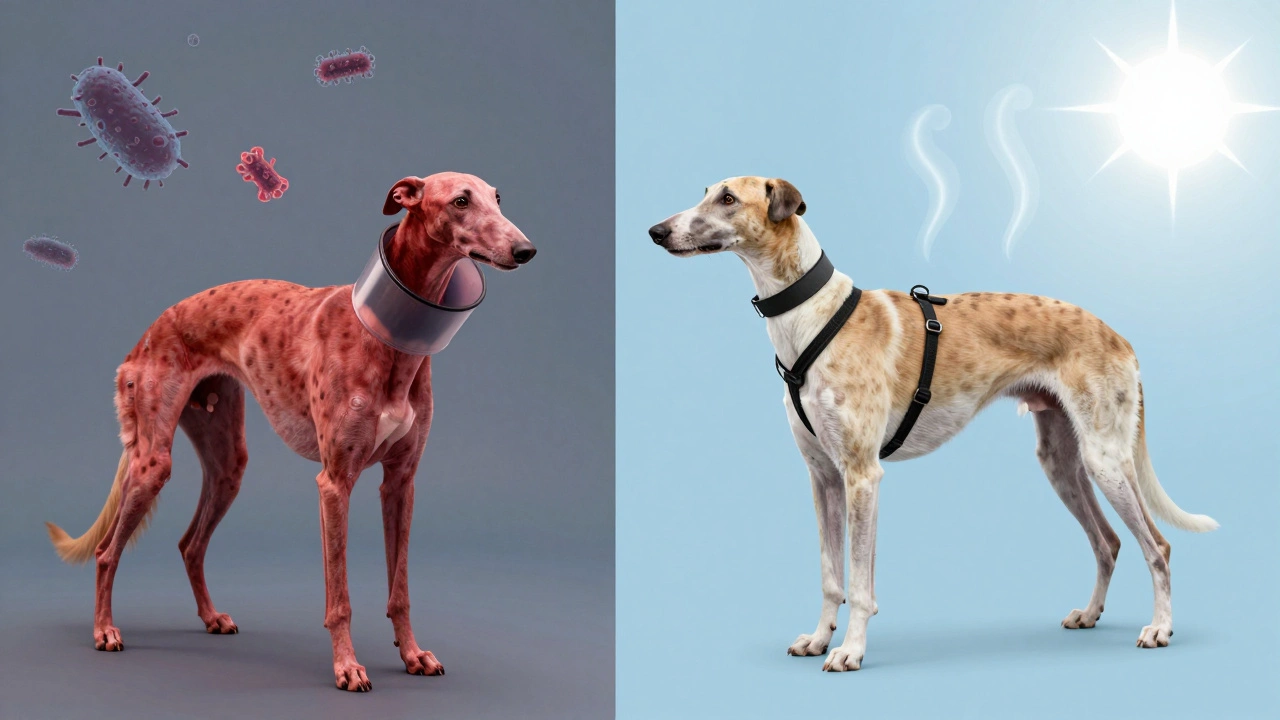
Even if your dog’s collar looks clean and fits fine, microscopic damage adds up. Constant pressure can lead to hair loss, redness, or even open sores-especially in short-haired or thin-skinned breeds like Greyhounds, Whippets, or Dachshunds. And if your dog sleeps curled up or scratches at their neck during the night, that collar becomes a constant friction point.
What Happens Under the Collar?
Most people don’t think about what’s happening under the collar. The skin there is delicate and rarely exposed to air. Sweat, saliva, and dirt build up, creating a breeding ground for yeast and bacteria. This can cause a condition called intertrigo-a painful, smelly skin infection that’s hard to treat without removing the source of irritation.
Collars also interfere with the natural movement of the neck. Dogs use their necks to stretch, turn their heads, and even communicate. A tight or heavy collar can restrict blood flow to the thyroid gland, which sits right under the throat. Over time, this may contribute to hormonal imbalances, especially in older dogs or those with pre-existing thyroid issues.
When Is It Actually Necessary to Keep a Collar On?
There are two clear situations where a collar should stay on:
- During walks-if you’re using it to attach a leash, it’s doing its job.
- When you’re out in public-ID tags can mean the difference between a lost dog coming home or ending up at a shelter.
That’s it. There’s no medical or safety reason to leave a collar on while your dog is sleeping, playing in the yard, or lounging at home. In fact, the American Veterinary Medical Association (AVMA) recommends removing collars during unsupervised time to prevent accidental strangulation, entanglement, or injury.
What About Microchips? Do I Still Need a Collar?
A common excuse for keeping collars on all the time is: “My dog’s microchipped, so the collar isn’t needed.” That’s a dangerous misunderstanding.
Microchips are great-they’re permanent, reliable, and don’t fall off. But they’re useless if no one scans your dog. Not every shelter, vet, or Good Samaritan carries a scanner. And even if they do, scanning takes time. A visible ID tag with your phone number gets your dog home in minutes.
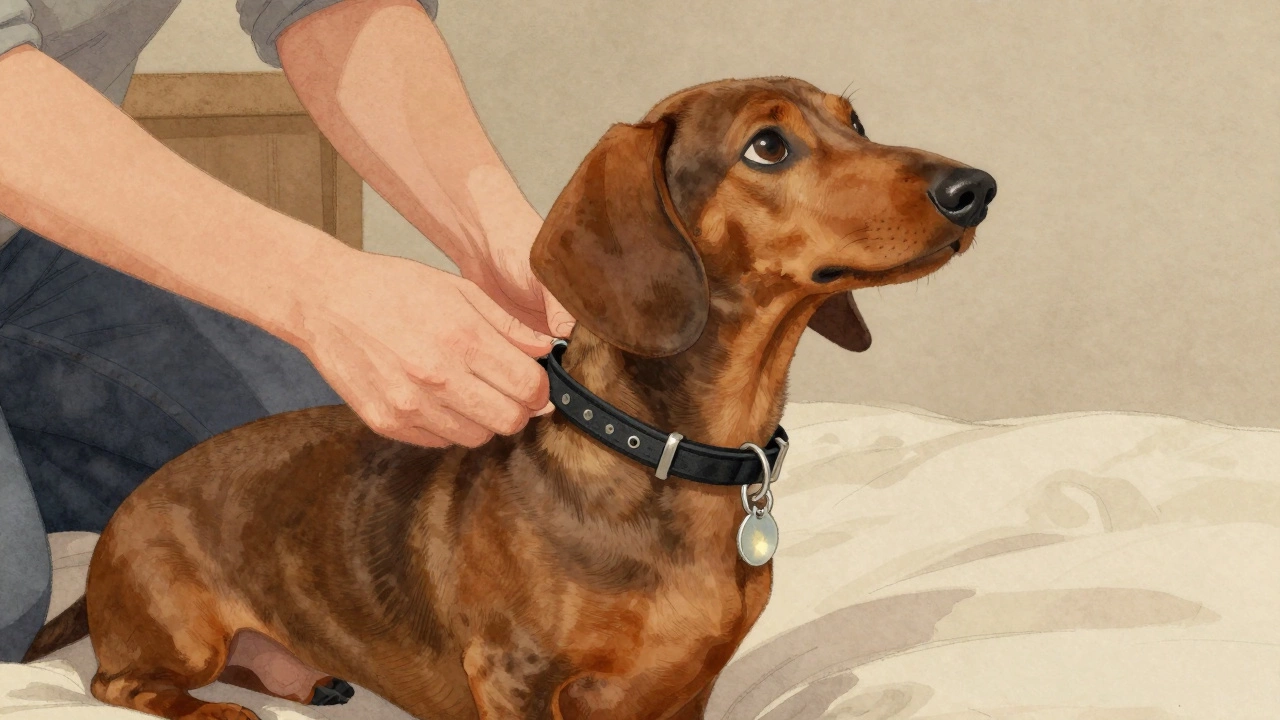
So don’t skip the collar. Just don’t leave it on 24/7. Take it off at night and put it back on before walks or outings. It’s a simple habit that keeps your dog safe without risking their health.
Alternatives to Traditional Collars
If your dog hates collars or you’re worried about irritation, there are better options:
- Harnesses-for walks, a well-fitted harness takes pressure off the neck entirely. It’s safer for dogs with respiratory issues like Pugs or Bulldogs.
- Breakaway collars-these snap open under pressure, reducing strangulation risk. Great for indoor use or if your dog plays rough.
- Silicone or fabric ID bands-some companies make soft, stretchy bands that slip over the head and attach to a harness. No neck pressure, still holds tags.
- Smart collars with GPS-if you’re tech-savvy, some GPS collars let you remove the collar at night and charge it in a dock. They’re pricier but offer peace of mind.
For dogs that are always on the go, a combination of a harness for walks and a breakaway collar for outdoor time works best. Keep the collar on only when needed.
How to Tell If Your Dog’s Collar Is Causing Problems
Watch for these signs:
- Redness, scabs, or hair loss under the collar
- Your dog scratching or rubbing their neck more than usual
- A foul odor coming from the collar area
- Reluctance to move their head or lower it to eat or drink
- Swelling or lumps near the throat
If you see any of these, remove the collar immediately and clean the area gently with a damp cloth. Let the skin breathe for a few days. If it doesn’t improve, see your vet. Left untreated, these issues can turn into serious infections.
How Often Should You Take Off the Collar?
There’s no strict rule, but here’s what most vets recommend:
- Remove the collar every night-let the skin breathe while your dog sleeps.
- Check daily-run your fingers under the collar to feel for warmth, moisture, or irritation.
- Wash the collar weekly-even if it looks clean, bacteria builds up.
- Replace every 6-12 months-collars stretch, buckle, and fray over time. A worn collar can break or pinch.
Make it part of your routine. Take the collar off when you brush your dog, give them a bath, or clean their ears. It’s a quick habit that prevents big problems.
Special Cases: Puppies, Senior Dogs, and Breeds at Risk
Puppies have delicate skin and growing necks. A collar that fits today might be too tight next week. Use a breakaway collar and check the fit every few days. Never leave a collar on a puppy unattended.
Senior dogs often have thinner skin and slower healing. If your older dog has arthritis or a thyroid condition, avoid collars altogether during rest time. A harness with a tag holder is a safer alternative.
Brachycephalic breeds (Pugs, French Bulldogs, Shih Tzus) are especially vulnerable. Their necks are already compressed by their skull shape. A collar adds extra pressure to their airways. Always use a harness for walks and remove collars at home.
Final Takeaway
Leaving a collar on your dog all the time isn’t harmless. It’s not a sign of being a careful owner-it’s a sign of not knowing the risks. Your dog doesn’t need to wear a collar while sleeping, eating, or playing. You only need it for identification and control when you’re out.
Take it off at night. Check the skin daily. Wash the collar weekly. Replace it when it shows wear. Your dog will thank you with healthier skin, better sleep, and fewer vet visits.
Can dogs sleep with collars on?
It’s not recommended. Sleeping with a collar on increases the risk of skin irritation, infections, and accidental strangulation. Let your dog’s neck breathe at night. Remove the collar and put it back on before walks or outings.
Is it safe to leave a dog collar on indoors?
Only if your dog is supervised and the collar is a lightweight, breakaway style. For unsupervised time-even just while you’re in the next room-take it off. Dogs can get tangled in furniture, toys, or other pets’ collars, leading to serious injury.
Should I remove the collar if my dog has a skin condition?
Yes. Any skin issue under the collar needs air, cleaning, and time to heal. Remove the collar completely and consult your vet. They may recommend a soft fabric band or harness with tags instead.
Do microchips replace the need for a collar?
No. Microchips are essential for permanent ID, but they only work if someone scans your dog. Most people won’t take the time to scan. A visible tag with your phone number gets your dog home faster and more reliably.
What type of collar is safest for all-day wear?
No collar is truly safe for all-day, every-day wear. If you must leave one on, choose a breakaway collar made of soft, breathable material like nylon or silicone. But even then, remove it during sleep and unsupervised time. A harness with an attached tag is a smarter long-term solution.