

Dog Food Brand Matcher
Brand Name
Price PointWhy this fits your dog...
Walk into any pet store today and you’ll face a wall of colorful bags promising the world. One claims to be "ancestral," another boasts "superfood" ingredients, and a third looks like it was designed by a graphic novel artist. It’s overwhelming. You just want to know what is actually good for your dog. So, you ask the person who knows best: your veterinarian.
But here’s the catch. If you ask ten different vets, you might get ten different answers. Some swear by big commercial brands, while others push expensive boutique options. Why the confusion? The truth is, there isn’t one single "best" brand for every dog. However, there are specific criteria that veterinary nutritionists use to judge quality. When we look at what vets consistently recommend across the board, a clear pattern emerges based on science, safety, and nutritional completeness.
The Gold Standard: What Vets Actually Look For
Before looking at brand names, you need to understand the metric that matters most to veterinarians: AAFCO The Association of American Feed Control Officials sets the nutritional standards for pet food in the United States. This organization doesn't test food, but they define what must be on the label for a food to be considered complete and balanced.
Vets prioritize brands that conduct rigorous feeding trials. A feeding trial means the company fed the food to dogs under controlled conditions and proved it kept them healthy over time. Many cheap brands skip this step, relying only on "formulation" (mathematical models) to claim compliance. While formulation is legal, it lacks the real-world proof that vets prefer. When you see the statement "Animal feeding tests using AAFCO procedures substantiate that [Brand] provides complete and balanced nutrition," that is a green flag.
Another critical factor is ingredient sourcing and transparency. Vets dislike vague terms like "meat by-products" without specifying the source. They prefer named protein sources like "chicken meal" or "salmon meal." Meal sounds unappealing to humans, but it is a concentrated source of protein with moisture removed, making it stable and nutritious. Fresh meat contains up to 70% water, so if a brand lists fresh chicken first, it may not actually provide more protein than a bag listing chicken meal second.
Top Commercial Brands Recommended by Vets
When general practitioners discuss high-quality maintenance diets for healthy adult dogs, several brands consistently come up. These companies invest heavily in research and have strong reputations for consistency.
| Brand Name | Key Strength | Best For | Price Point |
|---|---|---|---|
| Hill's Science Diet | Clinical research backing; consistent quality control | Dogs with sensitive stomachs or aging joints | Moderate to High |
| Royal Canin | Breed-specific formulations; kibble shape engineering | Specific breed needs (e.g., Bulldogs, Poodles) | High |
| Purina Pro Plan | Affordable high-quality option; extensive feeding trials | Active dogs; budget-conscious owners seeking quality | Moderate |
| Eukanuba | High protein content; precise nutrient profiles | Working dogs; athletic breeds | Moderate |
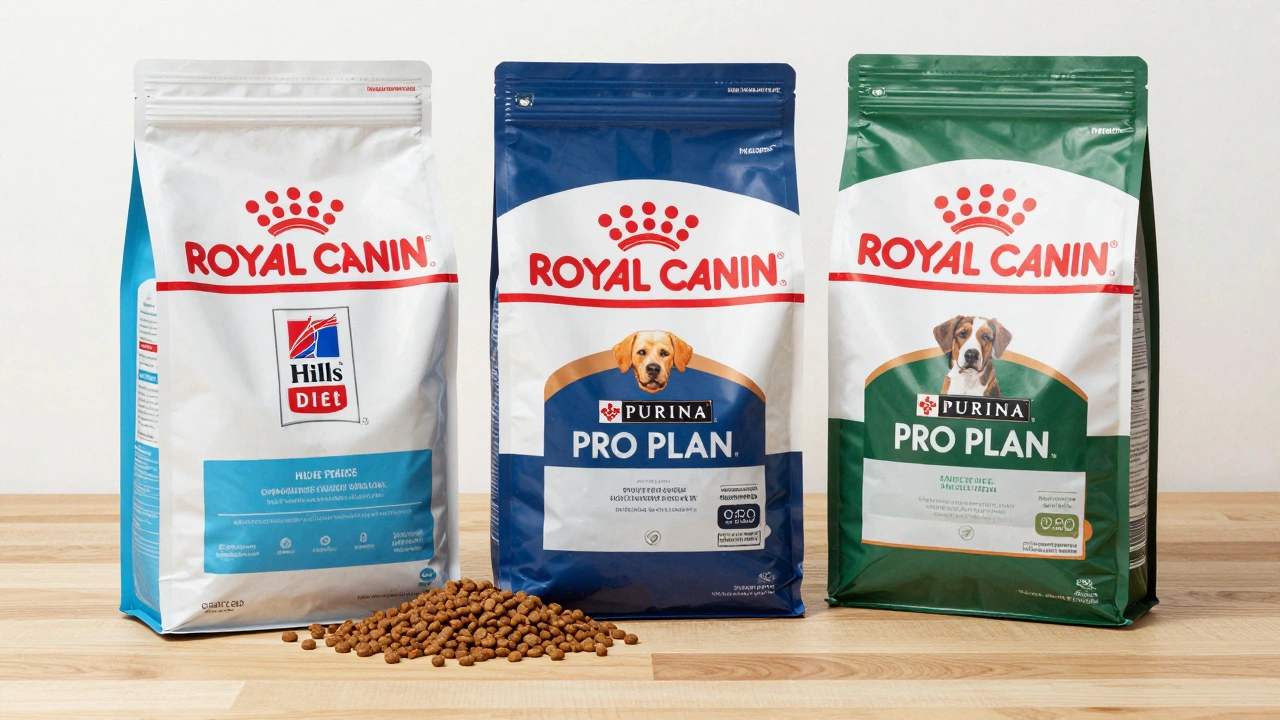
Hill's Science Diet is often the go-to recommendation because Hill's has been conducting independent clinical studies for decades. Their recipes are designed to address specific health concerns, from urinary tract health to weight management. Similarly, Royal Canin stands out for its breed-specific formulas. If you own a French Bulldog, Royal Canin has a recipe tailored to their brachycephalic snout and skin folds. This level of specificity appeals to vets who want to mitigate breed-related risks.
Purina Pro Plan deserves mention because it bridges the gap between premium quality and affordability. Owned by Nestlé Purina PetCare, it benefits from massive resources for quality assurance. Many vets recommend it as a reliable everyday food that won't break the bank but still meets strict nutritional guidelines.
Prescription Diets: When Food Is Medicine
If your dog has a diagnosed medical condition, your vet will likely steer you away from regular grocery store brands and toward prescription diets. These are therapeutic foods designed to manage diseases. You cannot buy these off the shelf; they require a vet script.
The three major players in this space are Hill's Prescription Diet, Royal Canin Veterinary Diet, and Purina Pro Plan Veterinary Diets. Each offers specialized formulas for conditions like:
- Renal Disease: Low phosphorus and protein to reduce kidney strain.
- IBD (Inflammatory Bowel Disease): Hydrolyzed proteins that are broken down small enough to avoid triggering an immune response.
- Allergies: Novel protein sources like venison or duck, or limited ingredient diets.
- Obesity: High fiber, low calorie density to promote satiety while losing weight.
For example, if your dog has chronic kidney disease, a standard high-protein diet could accelerate organ failure. A vet would prescribe a renal-specific formula that carefully balances amino acids to maintain muscle mass without overworking the kidneys. In these cases, the brand matters less than the specific clinical formulation, though Hill's and Royal Canin dominate this sector due to their extensive clinical data.
The Rise of Holistic and Boutique Brands
In recent years, many vets have started recommending "holistic" or boutique brands that focus on whole-food ingredients. These brands often market themselves as "human-grade" or "limited ingredient." Popular choices include Orijen, Acantha, and Ziwi Peak.
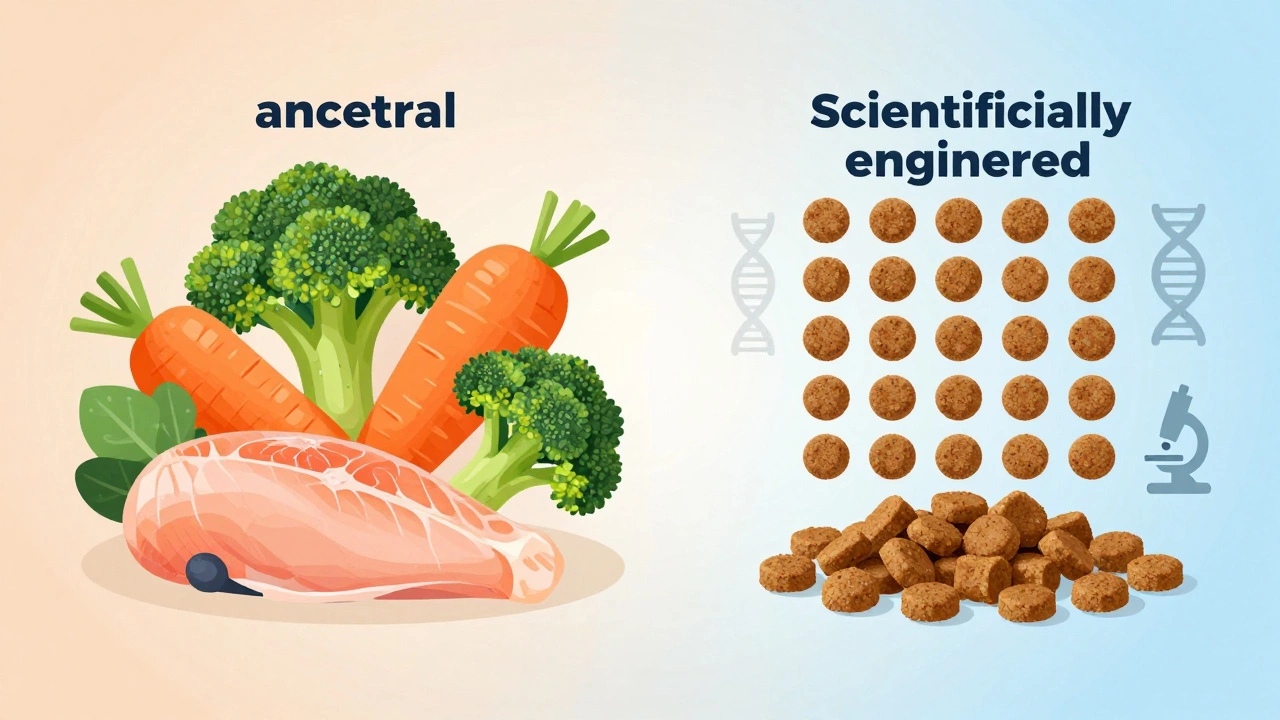
Vets appreciate these brands for their high meat content and lack of artificial preservatives. Orijen and Acana, for instance, use biologically appropriate ingredients, meaning they mimic the ancestral diet of wolves with high levels of fresh animal proteins. However, some veterinary nutritionists caution against extremely high-protein diets for dogs with certain genetic predispositions, such as hip dysplasia or heart issues, where excessive protein might not be ideal.
Ziwi Peak is unique because it offers air-dried raw food that is convenient and highly palatable. It’s expensive, but many vets recommend it as a topper or primary food for dogs with severe food sensitivities, provided the owner can afford it. The key takeaway here is that while boutique brands offer excellent ingredients, they often lack the extensive long-term feeding trial data that larger corporations possess.
Red Flags: Brands Vets Advise Against
Not all recommendations are positive. Vets frequently advise against brands that rely on marketing hype rather than nutritional science. Here are common red flags:
- No Feeding Trials: If the bag says "formulated to meet AAFCO standards" but lacks the feeding trial statement, proceed with caution.
- Vague Ingredient Lists: Terms like "meat meal" or "animal fat" without specifying the species are unacceptable in modern veterinary standards.
- Excessive Fillers: Corn, wheat, and soy aren't inherently bad, but when they appear before protein sources, the food is likely low in quality protein.
- Recall History: Check the FDA website for recent recalls. Brands with frequent recalls suggest poor quality control.
Additionally, be wary of brands that make unsubstantiated health claims, such as "cures cancer" or "boosts immunity" without scientific evidence. Legitimate vet-recommended foods focus on maintaining health, not curing diseases (unless they are prescription diets).
How to Choose the Right Brand for Your Dog
Choosing a vet-recommended brand isn't just about picking a name off a list. It requires matching the food to your dog's life stage, activity level, and health status. Here is a simple decision tree:
- Assess Life Stage: Puppies need higher calories and calcium for growth. Senior dogs need joint support and easier-to-digest proteins. Ensure the bag states "All Life Stages" or specifies your dog's age group.
- Check for Allergies: If your dog itches constantly or has diarrhea, try a limited ingredient diet (LID) with a novel protein like fish or lamb. Consult your vet before switching to rule out parasites or infections.
- Consider Activity Level: Active working dogs need high-fat, high-protein diets. Couch potatoes need weight-management formulas to prevent obesity, which is the number one health issue in pets today.
- Consult Your Vet: Bring the bag to your next appointment. Ask, "Does this meet AAFCO standards? Are there any concerns with this formula for my specific dog?"
Remember, the best food is the one your dog eats, digests well, and thrives on. A slightly cheaper brand that your dog loves and tolerates is better than an expensive gourmet food that sits untouched in the bowl.
Frequently Asked Questions
Do vets really recommend dry kibble?
Yes, most vets recommend high-quality dry kibble as a staple because it is convenient, cost-effective, and helps maintain dental health by reducing plaque buildup compared to soft foods. However, many vets also support mixing wet food or toppers for hydration and palatability, especially for senior dogs with dental issues.
Is grain-free dog food safe?
Grain-free diets are safe for dogs with confirmed grain allergies, which are rare. However, the FDA has investigated a potential link between grain-free diets and Dilated Cardiomyopathy (DCM) in dogs. Unless your dog has a specific grain allergy, most vets now recommend grain-inclusive diets unless there is a compelling medical reason otherwise.
Can I feed my dog a raw diet?
Some vets support raw diets if they are commercially prepared and balanced to meet AAFCO standards. Home-prepared raw diets carry risks of bacterial contamination (Salmonella, E. coli) and nutritional imbalances. If you choose raw, consult a veterinary nutritionist to ensure the diet is complete and safe for your household.
Why is Royal Canin so expensive?
Royal Canin invests heavily in research and development, including breed-specific formulations and clinical trials. The cost reflects the precision engineering of kibble shapes for dental health and the strict quality control measures. For dogs with specific breed-related health issues, the investment can prevent costly medical treatments later.
How do I switch dog food safely?
Always transition slowly over 7-10 days to avoid digestive upset. Start with 25% new food and 75% old food, then gradually increase the ratio of new food each day. Monitor your dog's stool and energy levels during the transition. If diarrhea occurs, slow down the process or consult your vet.
Are boutique brands better than big brands?
Not necessarily. Big brands like Purina Pro Plan and Hill's Science Diet have larger budgets for quality control and feeding trials, reducing the risk of contamination or nutritional gaps. Boutique brands often have superior ingredient lists but may lack the same level of rigorous testing. Choose based on your dog's individual needs and your vet's advice.
What should I look for on the ingredient label?
Look for a named protein source as the first ingredient (e.g., "Chicken" or "Salmon"). Check for the AAFCO statement confirming the food is complete and balanced. Avoid vague terms like "by-products" without specification. Also, look for added vitamins and minerals to ensure nutritional completeness.