
Dog Food Ingredient Checker
Enter ingredients to see results
Every dog owner wants the best for their pet. But not all dog food is created equal. In fact, some of the most common ingredients in commercial dog food can quietly harm your dog’s health over time. You might think you’re giving your pup a balanced meal, but if it contains any of these seven harmful ingredients, you’re putting their long-term health at risk.
Artificial Colors and Flavors
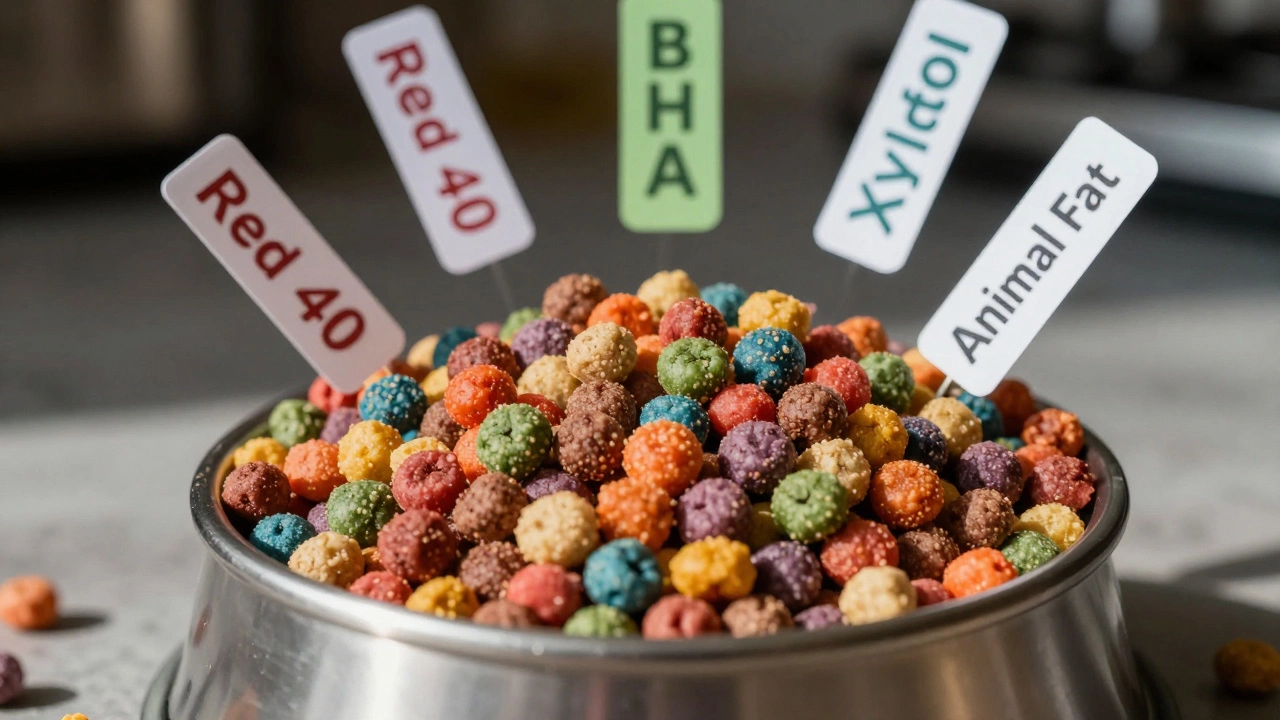
That bright red, blue, or green kibble? It’s not for your dog. Dogs don’t care what their food looks like. Those colors are there to make the food look appealing to you. But they’re not harmless. Artificial colors like Red 40, Yellow 5, and Blue 2 are linked to hyperactivity in dogs and may even trigger allergic reactions. In some cases, these dyes have been tied to cancer in lab animals. The FDA allows them in pet food, but that doesn’t mean they’re safe. Look at the ingredient list - if you see words ending in “-ate” or “-ide” like “carmine” or “tartrazine,” skip it. Real dog food doesn’t need to look like a rainbow.
BHA, BHT, and Ethoxyquin
These are chemical preservatives used to keep fat in dog food from going rancid. But they’re not natural. BHA and BHT are synthetic antioxidants linked to tumor growth in animal studies. Ethoxyquin, originally developed as a rubber stabilizer, is still allowed in some dog foods - even though the FDA has restricted its use in human food. These chemicals build up in your dog’s liver over time. You won’t see immediate symptoms, but long-term exposure can lead to kidney and liver damage. Instead, look for dog food preserved with natural alternatives like vitamin E (tocopherols) or vitamin C (ascorbic acid). If the label says “preserved with mixed tocopherols,” that’s a good sign.
Meat By-Products and Meal Without Source
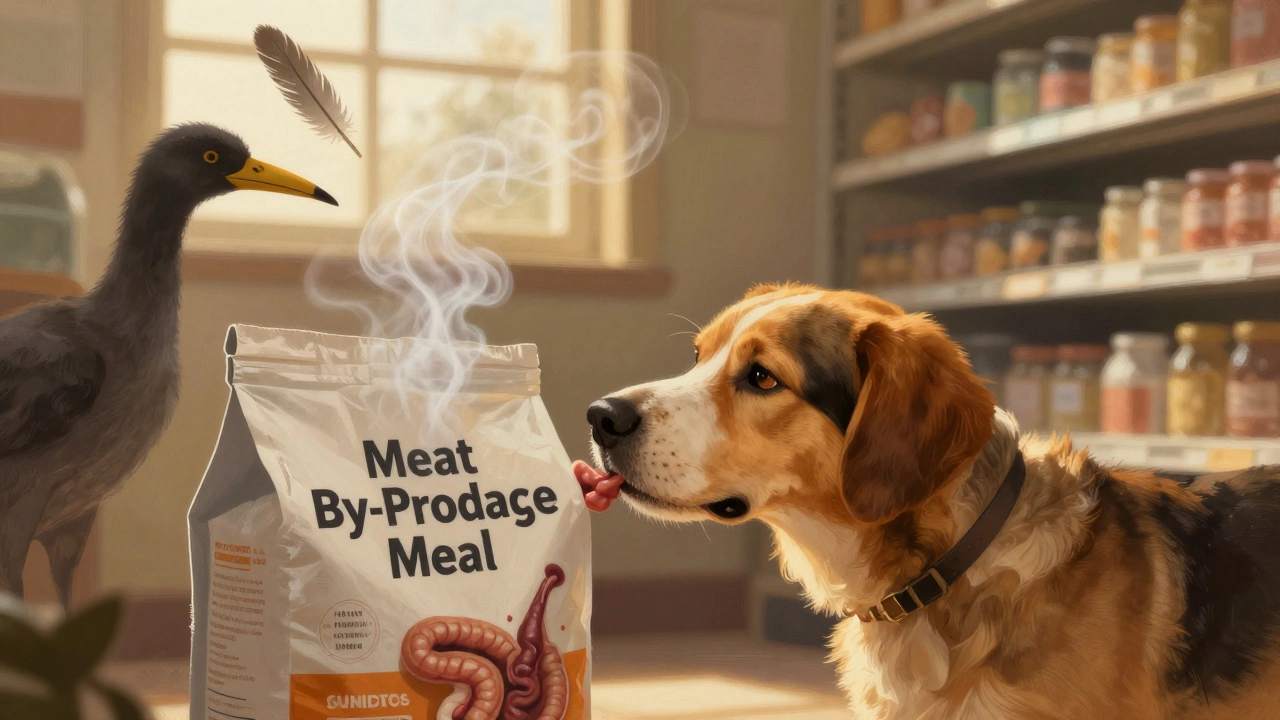
“Chicken by-product meal” sounds like it should be good, right? It’s not. By-products include things like beaks, feathers, feet, and intestines - parts your dog wouldn’t eat in the wild. Even worse, if the label just says “meat by-products” or “animal meal,” you have no idea what animal it came from. That could mean euthanized pets, diseased livestock, or roadkill. The Association of American Feed Control Officials (AAFCO) allows this, but responsible brands name the source: “chicken meal,” “beef meal,” or “salmon meal.” If the protein source isn’t clearly identified, avoid it. Your dog deserves real meat, not mystery scraps.
Grains Like Corn, Wheat, and Soy
These aren’t toxins, but they’re not ideal either. Dogs are carnivores. Their digestive systems aren’t built to process large amounts of grains. Corn, wheat, and soy are cheap fillers used to bulk up dog food. They offer little nutritional value and are common allergens. Many dogs develop skin irritations, ear infections, or chronic itching from these ingredients. Even worse, they’re often genetically modified and sprayed with pesticides. If your dog has sensitive skin or digestive issues, switching to a grain-free formula can make a huge difference. That said, not all grains are bad - some dogs do fine with brown rice or oats. But corn, wheat, and soy? They’re unnecessary and risky.
High Levels of Sodium and Sugar
Too much salt can cause dehydration, high blood pressure, and even sodium ion poisoning in dogs. Some low-quality dog foods contain over 1% sodium - that’s more than what’s recommended for a human toddler. Sugar is even sneakier. It’s added to make food taste better to picky eaters, but it’s linked to obesity, diabetes, and dental decay. Look at the guaranteed analysis and ingredient list. If sugar is listed as “dextrose,” “corn syrup,” or “molasses,” and it’s not a tiny ingredient near the bottom, walk away. A healthy dog food should have less than 0.5% sodium and zero added sugars.
Rendered Fats and Animal Fat Without Source
“Animal fat” is a vague term that hides a lot. It could come from chickens, cows, or even restaurant grease. Rendered fats are often the leftover scraps from slaughterhouses - the fat that’s too low-grade for human consumption. These fats can be rancid, contaminated, or oxidized, which causes inflammation in your dog’s body. Over time, that inflammation can lead to arthritis, digestive disorders, and even heart disease. Always choose dog food that lists a specific fat source: “chicken fat,” “salmon oil,” or “duck fat.” These are fresh, high-quality, and digestible. Avoid anything that just says “animal fat” or “poultry fat.”
Artificial Sweeteners - Especially Xylitol
Xylitol is the most dangerous ingredient on this list. It’s harmless to humans but deadly to dogs. Found in some “low-calorie” or “diet” dog treats, xylitol causes a rapid release of insulin in dogs, leading to a dangerous drop in blood sugar. Symptoms include vomiting, weakness, seizures, and liver failure - sometimes within 30 minutes. Even a tiny amount can be fatal. A single piece of sugar-free gum can kill a small dog. Never give your dog anything labeled “sugar-free” unless you’re 100% sure it doesn’t contain xylitol. Check every treat, toothpaste, and supplement. When in doubt, skip it.
How to Read a Dog Food Label Like a Pro
Reading dog food labels isn’t hard - you just need to know what to look for. Start with the ingredient list. Ingredients are listed by weight, so the first five items make up most of the food. If the first ingredient isn’t a named meat (like “chicken,” “beef,” or “lamb”), it’s probably not high quality. Avoid anything with artificial colors, preservatives, or vague terms like “meat meal” or “animal by-products.” Look for “no artificial additives,” “no fillers,” or “grain-free” on the front, but always check the back. The AAFCO statement at the bottom should say the food is “complete and balanced” for your dog’s life stage - puppy, adult, or senior. If it’s missing, don’t buy it.
What to Look For Instead
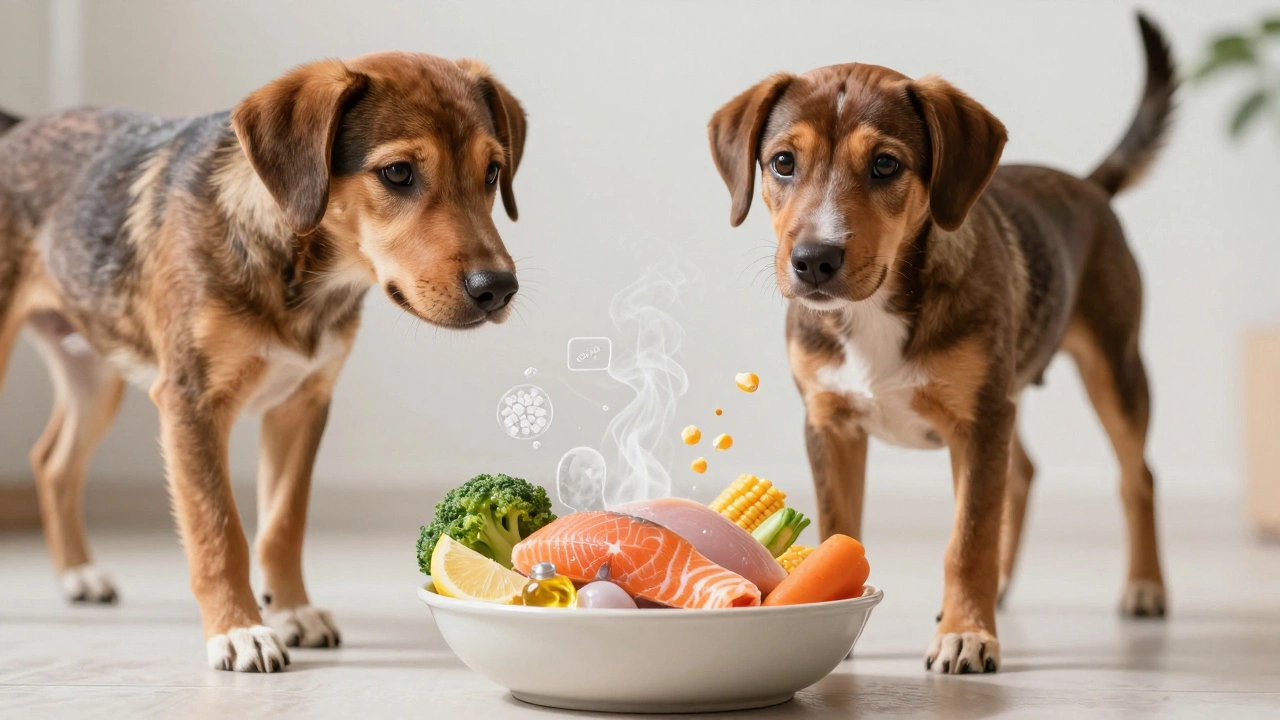
Good dog food has a short, simple ingredient list. You should recognize every item. Look for: real meat as the first ingredient, named animal fats, natural preservatives, and minimal carbohydrates. Additives like glucosamine, chondroitin, and omega-3s from fish oil are bonuses - they support joints and skin. Brands like Orijen, Acana, and The Honest Kitchen are known for transparency. You can also find excellent options at local pet stores or from small-batch makers who list their suppliers. If you’re unsure, call the company. Ask: “Where does your chicken come from?” or “Is your meat human-grade?” If they can’t answer, it’s a red flag.
When to Talk to Your Vet
If your dog has chronic diarrhea, itchy skin, weight loss, or low energy, their food might be the cause. Don’t wait. Switching to a better diet can turn things around in weeks. But if symptoms persist after 30 days on a clean diet, schedule a vet visit. Some health issues - like thyroid problems or food allergies - need medical testing. Your vet can recommend a therapeutic diet or run blood tests to pinpoint the problem. Never guess when your dog’s health is on the line.
Is grain-free dog food always better?
Not always. Grain-free isn’t automatically healthier. Some grain-free foods replace grains with potatoes or peas, which can be high in carbs and linked to heart issues in rare cases. The key is avoiding fillers and artificial ingredients, not just grains. Focus on high-quality protein and natural ingredients instead.
Can I feed my dog human food instead?
Some human foods are safe - like plain cooked chicken, carrots, or pumpkin. But many are dangerous: chocolate, onions, grapes, garlic, and anything with xylitol. Homemade diets are risky without veterinary guidance because they often lack essential nutrients. Stick to commercial dog food that meets AAFCO standards unless your vet approves a custom plan.
How do I know if my dog is allergic to their food?
Signs include constant scratching, ear infections, red skin, vomiting, or diarrhea. If symptoms improve after switching to a limited-ingredient diet (like duck and potato), food allergy is likely. A vet can confirm this with an elimination diet trial - usually lasting 8 to 12 weeks.
Are raw diets safer than kibble?
Raw diets can be healthy if properly balanced, but they carry risks like bacterial contamination (Salmonella, E. coli) and bone fragments. They’re not recommended for households with young children, elderly people, or immunocompromised individuals. If you choose raw, buy from reputable suppliers and follow strict hygiene rules.
What’s the best way to switch dog food?
Mix the new food with the old over 7 to 10 days. Start with 25% new and 75% old, then gradually increase the new portion. This prevents stomach upset. If your dog refuses the new food, try warming it slightly or adding a spoonful of low-sodium broth. Never switch abruptly unless directed by a vet.
Final Thought: Your Dog’s Health Starts With What’s in the Bowl
There’s no magic formula for perfect dog food. But there are clear red flags. Avoid artificial junk, mystery meats, and hidden sugars. Choose food with real ingredients you can pronounce. Your dog won’t tell you they feel unwell - but their coat, energy, and digestion will. Pay attention. The right food can add years to your dog’s life. And that’s worth more than a cheap bag of kibble.