
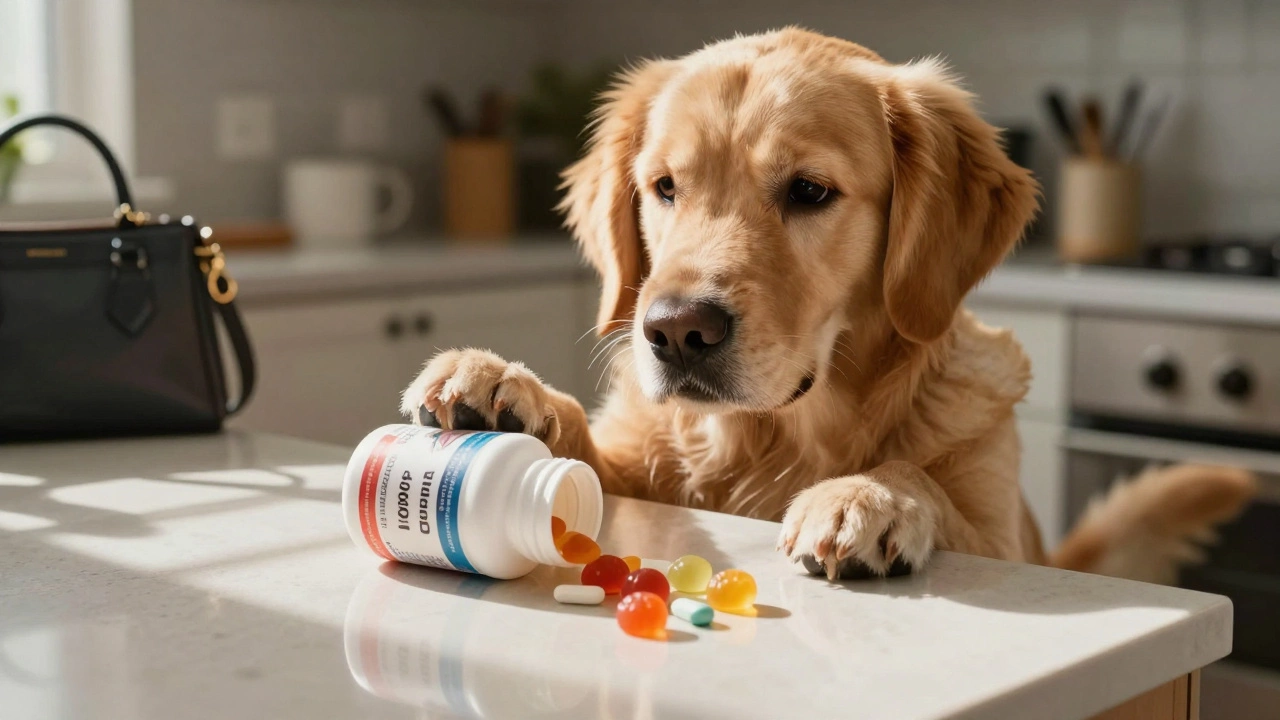
Most dog owners mean well when they reach for a vitamin bottle from their own medicine cabinet. But giving your dog human vitamins - even something as simple as a multivitamin or a gummy - can be dangerous, even deadly. Dogs have different nutritional needs than people, and their bodies handle vitamins in ways you might not expect. Some supplements that are harmless to humans can cause serious harm to dogs. Knowing which vitamins to keep away from your pup isn’t just helpful - it could save their life.
Why human vitamins are risky for dogs
Dogs get all the vitamins they need from high-quality dog food. Commercial dog foods are formulated to meet AAFCO standards, which means they contain the right balance of nutrients for your dog’s life stage - puppy, adult, or senior. Adding extra vitamins on top of that can lead to toxicity, especially with fat-soluble vitamins that don’t flush out of the body like water-soluble ones do.
Unlike humans, dogs can’t tell you when they feel off. A vitamin overdose might not show symptoms right away. By the time your dog is vomiting, lethargic, or having trouble walking, the damage may already be done. That’s why prevention matters more than treatment.
Vitamins dogs should never take
Some vitamins are especially dangerous for dogs. Here are the top offenders:
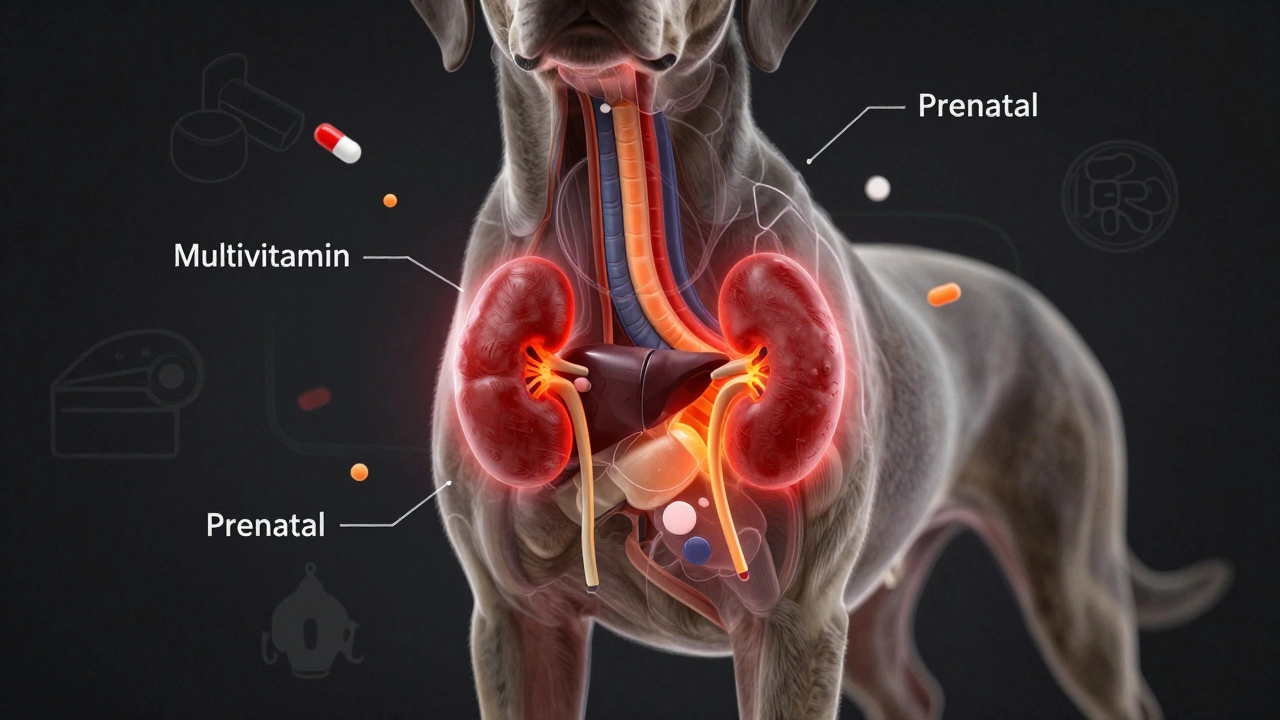
- Vitamin D - Even small amounts can cause kidney failure. A single human vitamin D tablet (1,000-5,000 IU) can be toxic to a 20-pound dog. Symptoms include vomiting, increased thirst, weakness, and seizures.
- Vitamin A - Too much leads to bone and joint pain, muscle weakness, and digestive issues. Just a few extra capsules over weeks can build up to toxic levels.
- Iron - Found in many prenatal or multivitamins, iron overdose causes vomiting, diarrhea, liver damage, and even death. A single iron tablet can poison a small dog.
- Xylitol - Not a vitamin, but often mixed into gummy vitamins. This sugar substitute is deadly to dogs. Just 0.1 grams per pound of body weight can cause a life-threatening drop in blood sugar and liver failure.
- Calcium - Extra calcium supplements, especially for large-breed puppies, can cause abnormal bone growth and joint problems. Many owners think more calcium = stronger bones. It’s the opposite.
Even if the vitamin doesn’t contain these ingredients, many are coated with sugar, artificial flavors, or coloring that can upset your dog’s stomach or trigger allergies. Some gummy vitamins contain chocolate or raisins - both highly toxic to dogs.
What happens if your dog eats human vitamins?
If your dog swallows a human vitamin, don’t wait for symptoms. Call your vet or an animal poison control center immediately. Have the bottle on hand so you can tell them the exact ingredients and dosage.
Time matters. If the ingestion happened within the last hour, your vet might recommend inducing vomiting. But never do this without professional advice - some substances cause more damage coming back up than going down.
For vitamin D or iron overdoses, treatment often includes IV fluids, medications to bind toxins, and blood tests to monitor organ function. Recovery can take days to weeks, and in severe cases, the damage is permanent.
Safe alternatives: When dog vitamins are okay
Not all supplements are bad. Some dogs benefit from vet-recommended vitamins - but only under guidance.
- Joint supplements with glucosamine and chondroitin for older dogs with arthritis
- Omega-3 fatty acids (fish oil) for skin and coat health
- Probiotics for digestive issues
- Specialized vitamins for dogs with medical conditions (like kidney disease or liver problems)
These should always come from a vet-approved source. Look for products with the National Animal Supplement Council (NASC) seal. That means they’ve been tested for safety and quality. Avoid store-brand supplements with vague ingredient lists like “proprietary blend” - you have no idea what’s really inside.
What to do if you’re unsure
Never guess. If you think your dog might need a supplement, talk to your vet first. Ask:
- Is my dog’s diet complete and balanced?
- Could this symptom be caused by something else - like an infection or thyroid issue?
- Do you recommend a specific brand or dosage?
Many owners assume their dog needs extra vitamins because they’re not eating well or have dull fur. But those signs are often caused by dental pain, parasites, or underlying illness - not a vitamin deficiency.

How to keep vitamins out of reach
Most dog vitamin poisonings happen because the bottle was left on the counter, in a purse, or on a nightstand. Dogs are fast, curious, and excellent at finding things.
- Store all human supplements in closed cabinets, not open drawers.
- Use child-proof containers - they’re not foolproof, but they slow dogs down.
- Never take your vitamins in front of your dog if they beg or stare. That trains them to associate you with food.
- Keep purse and bag contents off the floor. Dogs will dig through them.
Even if your dog has never stolen anything before, one slip-up is all it takes. A single vitamin can change everything.
Bottom line: Less is more
Your dog doesn’t need your vitamins. They don’t need your multivitamin, your prenatal pill, your gummy B12, or your “energy booster.” They need good food, clean water, regular vet checkups, and a safe home.
When in doubt, leave it out. If you’re tempted to give your dog something because it’s "natural" or "healthy," remember: what’s safe for you isn’t always safe for them. Dogs thrive on simplicity - not supplements.
Stick to vet-approved nutrition. Skip the human bottles. Your dog will thank you with wagging tails and healthy years ahead.
Can dogs take human vitamin D?
No. Human vitamin D is extremely toxic to dogs. Even a single tablet can cause vomiting, increased thirst, kidney failure, and death. Dogs get all the vitamin D they need from their food. Never give your dog any form of vitamin D supplement unless your vet specifically prescribes it for a diagnosed deficiency - and even then, it’s given in precise, controlled doses.
Is iron dangerous for dogs?
Yes. Iron overdose is one of the most common causes of fatal poisoning in dogs. Many multivitamins and prenatal supplements contain high levels of iron. Symptoms include vomiting blood, dark stools, lethargy, and seizures. A single iron tablet can poison a small dog. If your dog eats iron pills, seek emergency care immediately.
Can dogs have gummy vitamins?
No. Gummy vitamins often contain xylitol, a sugar substitute that is deadly to dogs. Even small amounts can cause a rapid drop in blood sugar and liver failure. Gummies also contain sugar, artificial colors, and flavors that can cause digestive upset. Never assume a gummy is safe just because it’s marketed as "natural" or "for kids."
Do dogs need vitamin C supplements?
No. Dogs produce their own vitamin C in the liver, so they don’t need it from supplements. Giving extra vitamin C won’t boost immunity or prevent illness. It just passes through their system unused. In rare cases, a vet might recommend it for dogs with certain liver diseases - but only under medical supervision.
What should I do if my dog ate a vitamin?
Call your vet or the ASPCA Animal Poison Control Center (888-426-4435) right away. Don’t wait for symptoms. Have the vitamin bottle ready so you can tell them the exact ingredients and how many were taken. Do not try to induce vomiting unless instructed. Time is critical - especially for vitamin D, iron, or xylitol exposure.