
Dog Interaction Safety Checker
Select all factors that apply to the dog's situation to determine if it's safe to pet.
Situation
Body Language Signs
Most people love dogs. That’s why so many travelers bring their pups on road trips, stay at dog-friendly hotels, or stop to pet a stray on the beach. But here’s the truth: not every dog wants to be touched-and touching the wrong way at the wrong time can lead to bites, panic, or worse. You don’t need to be a dog expert to avoid trouble. You just need to know a few simple rules.
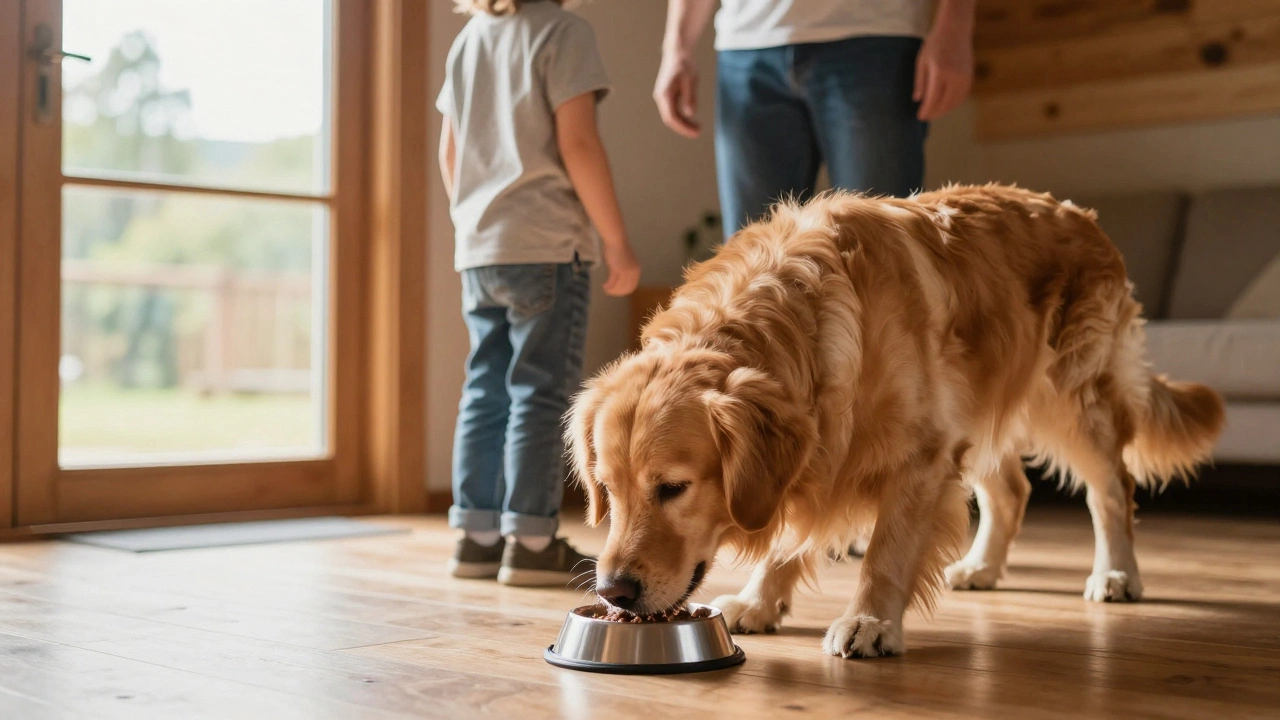
Don’t Pet a Dog While It’s Eating
Think about it: would you let someone reach into your plate while you’re chewing your last bite? Dogs feel the same way. Food is survival. Even the sweetest golden retriever can snap if you reach for its bowl. This isn’t about aggression-it’s about instinct. A dog guarding its food isn’t being mean; it’s being a dog. If you see a dog eating, especially in a hotel room, at a campsite, or on a picnic blanket, keep your hands away. Teach kids this early: no touching while chewing. If you’re staying at a dog-friendly cabin and your pup is eating, give it space. Wait until it’s done. Then, if it’s calm and looking at you, a gentle head scratch is fine.Avoid Touching a Sleeping Dog
Dogs, like humans, need deep sleep to recover. Wake one up suddenly, and you’re asking for trouble. That’s why you shouldn’t pet a dog on the floor of a car, under a porch, or curled up in a hotel room corner. Even if it looks peaceful, a sudden touch can trigger a reflexive reaction. I’ve seen dogs that are sweet as candy during the day growl when startled awake. If you want to pet a sleeping dog, gently call its name first. Let it wake up on its own. If it stretches, yawns, and looks at you with relaxed eyes-then go ahead. If it tenses up or moves away? Leave it alone.Never Pet a Dog Behind the Head or on the Tail
Most people reach for a dog’s head like it’s a statue. But dogs don’t see it that way. A hand coming down from above can feel like a threat. It’s how predators move. Instead, let the dog come to you. Extend your hand slowly, palm down, near its chest or shoulder. Let it sniff. If it leans in, licks your hand, or wags its tail, it’s saying yes. But if it freezes, turns its head away, or shows the whites of its eyes? That’s a no. And never grab a dog by the tail. Ever. Tail pulling can cause nerve damage, pain, or a defensive bite. I’ve spoken to vets in Dublin who’ve treated dogs with tail injuries from tourists trying to grab them for photos. Don’t be that person.Stay Away from Dogs on Leash-Especially Near Cars
A dog on a leash isn’t always a friendly dog. Sometimes it’s scared, stressed, or just trying to get home. Dogs on leash often feel trapped. If you approach them, they can’t escape-and that triggers anxiety. I’ve seen dogs bark, lunge, or even snap when strangers come too close while they’re tied to a car, a post, or a picnic table. That’s not rudeness. It’s fear. If you see a dog on a leash, especially near a parked car or at a rest stop, give it a wide berth. Don’t make eye contact. Don’t reach out. Just walk past calmly. If the owner says, “Go ahead, pet him,” then check for cues first: Is the dog relaxed? Is its tail loose? Is it panting with a happy mouth? If yes, go slow. If no, don’t.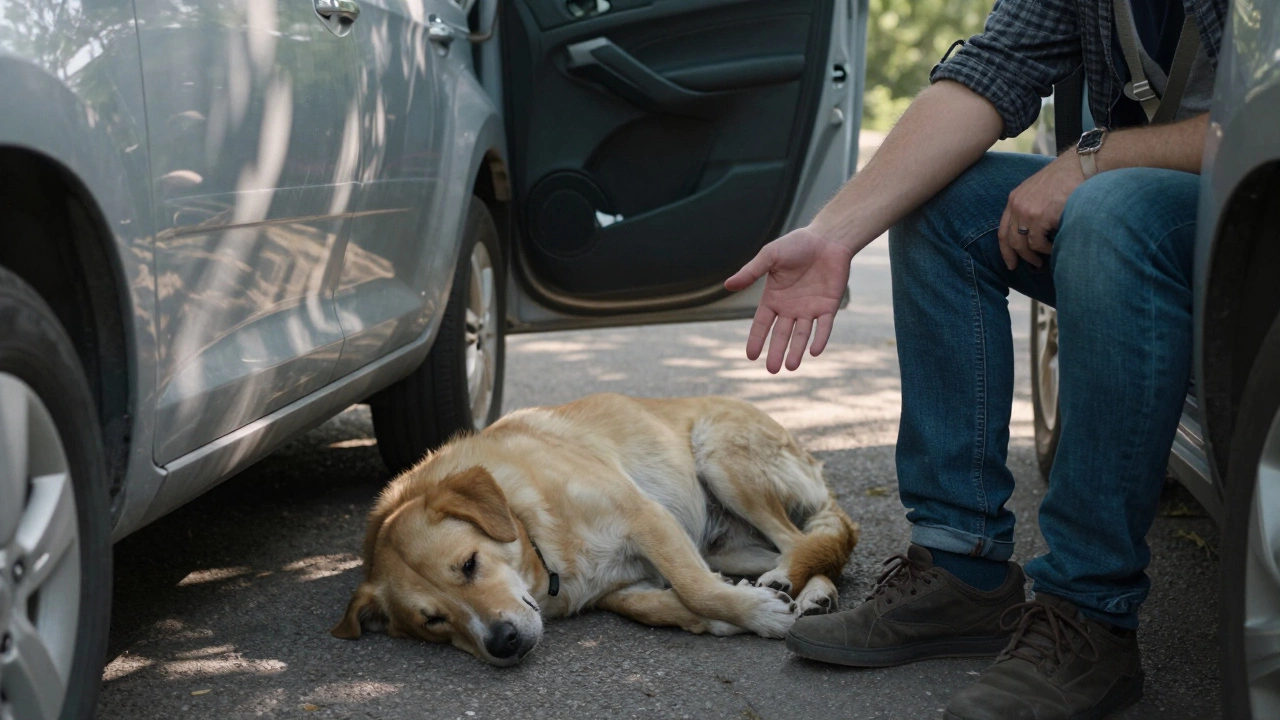
Don’t Pet a Dog That’s Showing Signs of Stress
Dogs communicate constantly. You just have to know how to read them. Here are the red flags:- Yawning when not tired
- Licking lips when there’s no food around
- Turning head away or avoiding eye contact
- Freezing in place
- Showing the whites of the eyes ("whale eye")
- Low tail tucked between legs
- Shaking or trembling (not from cold)
Don’t Pet a Dog in a New or Crowded Place
Think about how you feel in a busy airport, a packed train station, or a noisy festival. Overstimulated. Tired. On edge. Dogs feel that too. If a dog is in a new environment-like a beach during high season, a dog park full of barking dogs, or a festival with loud music-it’s already overwhelmed. Adding a stranger’s hand into the mix is too much. Even if the dog looks happy, its body might be screaming. I’ve seen dogs in tourist towns like Galway or Killarney get petted by ten people in ten minutes. They don’t bite. But they shut down. Their eyes go dull. They stop wagging. That’s not calm. That’s exhaustion. If you want to connect with a dog, find one in a quiet spot. Let it choose you.Don’t Pet a Dog Without Asking the Owner First
This seems obvious, but people forget. A dog isn’t public property. Even if it’s off-leash, even if it’s wagging its tail, even if it’s looking at you with big, hopeful eyes-ask the owner. Not just a quick "Can I pet it?" but wait for a clear answer. Some owners have dogs with medical conditions. Others have dogs recovering from trauma. A dog that’s fine at home might panic in a new place. A quick "Is it okay if I say hi?" can prevent a bad situation. And if the owner says no? Respect it. No excuses. No "but it looks so friendly!" Just nod and move on.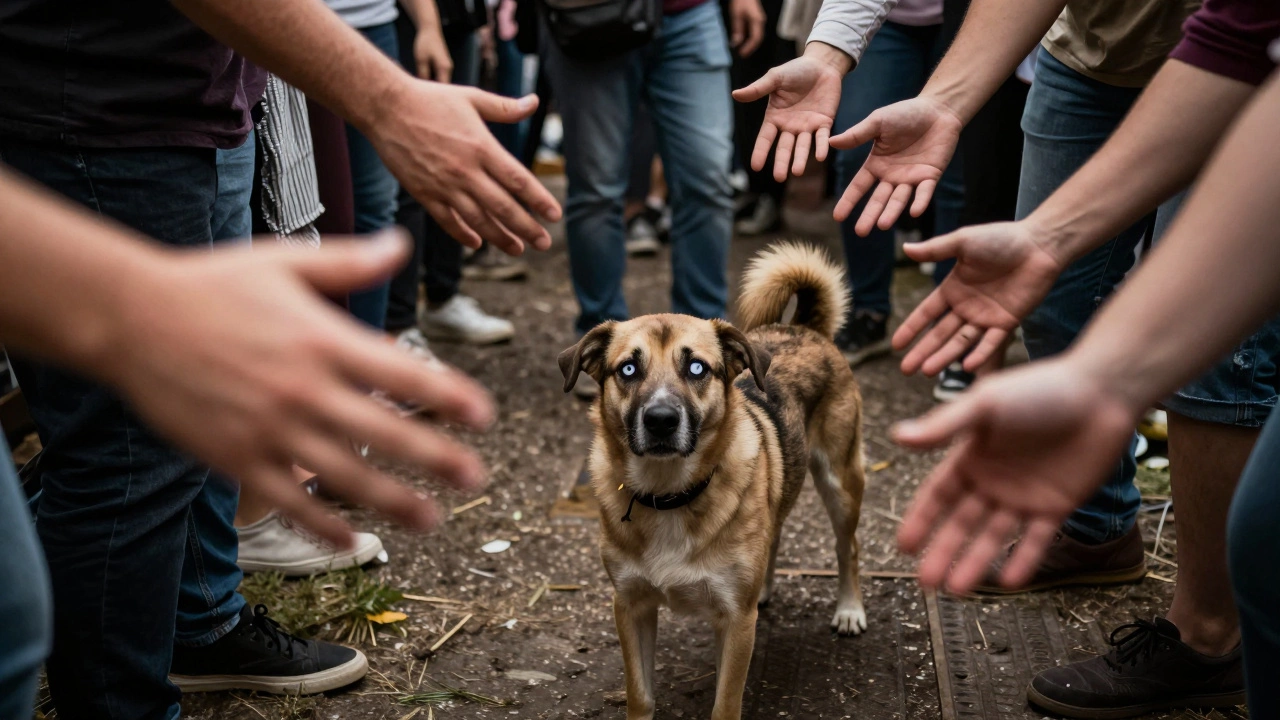
What If a Dog Comes Up to You?
Sometimes, a dog will approach you. Maybe it’s curious. Maybe it’s lost. Maybe it’s just being a dog. Here’s what to do:- Stop moving. Don’t reach out. Don’t bend over. Stand still.
- Let the dog sniff your hand-palm down, fingers curled.
- If it sniffs and walks away? Let it go.
- If it licks your hand, wags its tail, and leans into you? Gently stroke its chest or shoulder.
- If it freezes, growls, or backs away? Say "okay" softly and step back slowly.
Why This Matters on Dog-Friendly Holidays
Dog-friendly travel is growing fast. More hotels, beaches, and trails are opening up. But with more dogs comes more risk-if people don’t know how to interact safely. A single bad encounter can turn a family’s vacation into a nightmare. It can also make businesses rethink allowing dogs. That’s why your choices matter. When you know where not to pet a dog, you’re not just protecting yourself. You’re helping keep dog-friendly spaces open for everyone. Your calm, respectful behavior tells other travelers: this is how we treat dogs.Final Rule: Always Let the Dog Decide
Dogs don’t care if you’re on vacation. They don’t care if you’re a kid, a grandparent, or a photographer. They only care about how you make them feel. The best way to know if you can pet a dog? Let it choose. Don’t force it. Don’t rush it. Don’t assume. Watch. Wait. Ask. Then, if the dog leans in? That’s your green light. If it turns away? That’s your answer too.Can I pet a dog that’s wagging its tail?
Not always. A wagging tail doesn’t mean "happy." It can mean excitement, stress, or even aggression. Look at the whole body. Is the tail stiff and high? Is the body tense? Are the ears forward? Those are warning signs. A happy dog has a loose, wiggly body, a relaxed mouth, and a tail that swings side to side like a metronome. Always check the full picture before touching.
What if my dog doesn’t like being petted by strangers?
That’s completely normal. Some dogs are naturally shy. Others have had bad experiences. You don’t need to force them. If your dog hides, tenses up, or growls when strangers approach, respect that. Keep them on a leash in public places. Politely tell people, "He’s not a fan of strangers." Most people will understand. Your dog’s comfort matters more than someone else’s desire to pet it.
Is it okay to pet a service dog?
No. Service dogs are working. They’re guiding the blind, alerting to seizures, or helping with PTSD. Petting them distracts them from their job. Even a quick pat can break their focus-and put their handler in danger. If you see a service dog, ignore it. Look at the handler. Say hello if they seem open to it. But leave the dog alone. It’s not rude-it’s responsible.
Can children pet dogs safely?
Yes, but only with supervision and clear rules. Teach kids to: 1) always ask the owner, 2) let the dog come to them, 3) pet under the chin or on the chest-not the head, and 4) stop if the dog moves away. Never let kids hug or chase dogs. Even friendly dogs can get overwhelmed by fast movements. Keep interactions short and calm.
What should I do if a dog growls at me?
Don’t scream. Don’t run. Don’t stare. Slowly step back without turning your back. Keep your hands low. Speak softly: "Okay, I’m leaving." Most dogs growl to warn, not to attack. If you respect the warning, the situation usually ends there. If the dog continues to show aggression, alert the owner or leave the area. Never punish a dog for growling-it’s their way of saying "I need space."