
Cat Body Language Safety Checker
This tool helps you interpret your cat's body language to determine if they're comfortable with petting. Based on the article content, cats have specific signals that indicate whether they want to be touched or need space.
Observe your cat's behavior:
Your Cat's Safety Assessment
Understanding cat behavior is key to building a better relationship with your feline friend. Most people think cats love belly rubs, but the truth is quite different. Many cats actually hate it. Why? It all comes down to biology, instinct, and how cats see the world. Let's break it down.
Why Your Cat's Belly Is a No-Go Zone
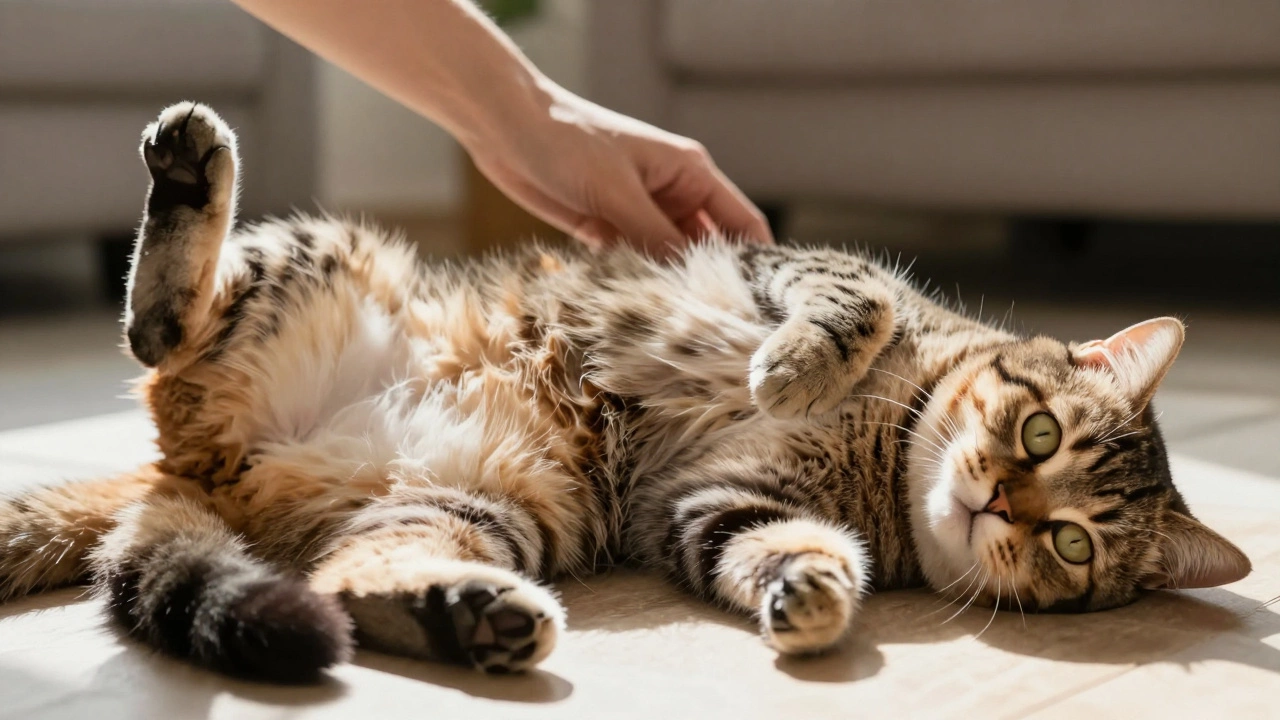
Cats are known for their complex behaviors and unique preferences. When a cat rolls over, it's often seen as an invitation for a belly rub. But this is a common misunderstanding. A cat's belly is one of the most vulnerable parts of its body. In the wild, predators would target this area to deliver a fatal blow. Even domestic cats retain this instinct. Their belly skin is thin, with a high concentration of nerve endings. According to a 2023 study in the Journal of Feline Medicine and Surgery, a cat's belly has up to 20 times more nerve endings than other areas. This makes even light touch feel intense and uncomfortable.
Think of it like this: if someone suddenly touched the inside of your elbow or the back of your knee, you'd probably flinch. That's because those areas are sensitive. A cat's belly is even more sensitive. It's not just about ticklishness-it's about feeling exposed and vulnerable.
Reading Your Cat's Body Language
How do you know if your cat is uncomfortable? Watch for these signs:
- Flattened ears pressed against the head
- Tail flicking rapidly or thumping
- Hissing, growling, or swatting
- Body tensing up or trying to move away
- Pupils dilating (getting larger)
These are clear signals to stop immediately. If you ignore them, your cat may bite or scratch. Remember, a cat's body language is always trying to communicate. It's up to us to listen.
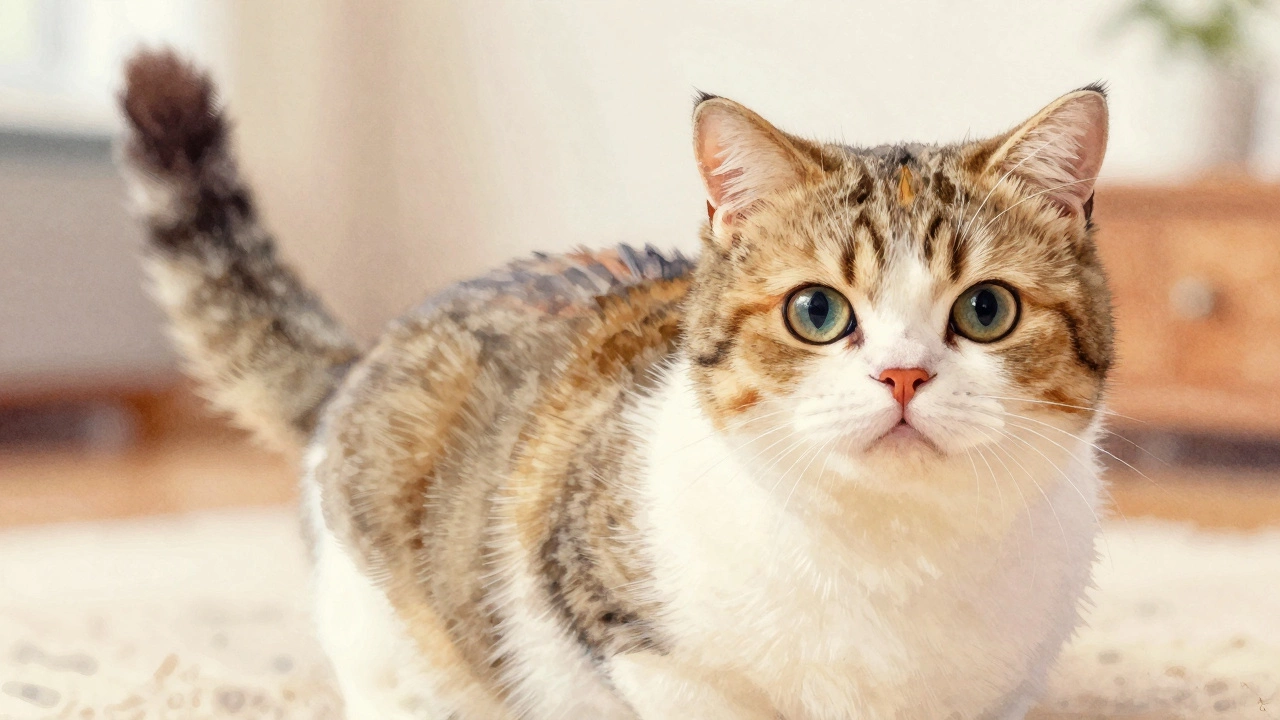
Where to Pet Instead of the Belly
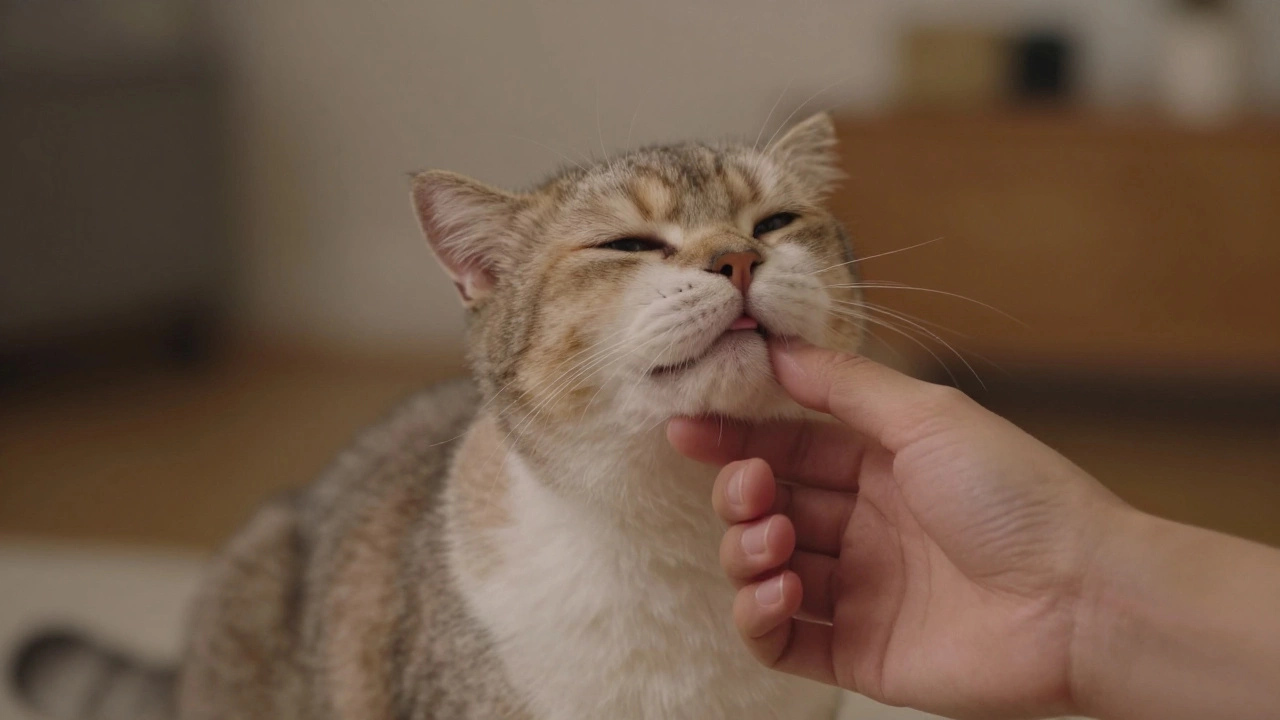
Most cats enjoy being petted in specific spots. Try these areas:
- The base of the ears: gentle strokes here often get a purr
- The chin: many cats love a slow chin scratch
- The forehead: a soft stroke between the eyes
- The back of the neck: but avoid the spine
Start with slow, gentle strokes. Let your cat decide if they want more. Some cats might not like any petting at all-that's okay too. Always respect their boundaries.
Building Trust Without Belly Rubs
Trust is key to a good relationship with your cat. Instead of forcing belly rubs, build trust through positive experiences:
- Offer treats during calm moments
- Play with interactive toys like feather wands
- Use slow blinks: this is a cat's way of saying 'I trust you'
- Let your cat approach you on their terms
Over time, your cat may become more comfortable with touch. But remember: trust takes time. Never punish a cat for not liking belly rubs. They're not being difficult-they're just being cats.
Common Myths About Belly Rubs
Let's clear up some myths:
- Myth: All cats love belly rubs. Truth: Only about 5-10% of cats actually enjoy belly rubs. Most tolerate it briefly before getting upset.
- Myth: A cat rolling over means 'rub my belly'. Truth: Rolling over is often a sign of trust, not an invitation for touch. It's like saying 'I feel safe here', not 'please touch me'.
- Myth: You can train your cat to like belly rubs. Truth: While some cats may tolerate it more with time, you can't change their natural instinct. Forcing it can damage trust.
When to Seek Help
If your cat suddenly starts reacting badly to touch, especially in areas they used to enjoy, it could indicate pain or illness. Consult a veterinarian if you notice:
- Increased aggression when touched
- Limping or favoring a limb
- Changes in appetite or litter box habits
Early detection can make a big difference in your cat's health.
Why does my cat let me rub its belly sometimes?
Some cats do enjoy belly rubs, but it's rare-only about 5-10% of cats. These cats have built trust with you and feel extremely safe. However, even they may have limits. Always pay attention to their signals. If they tense up or flick their tail, stop immediately.
Can I train my cat to like belly rubs?
No, you can't train a cat to like belly rubs. Their instinct to protect their belly is deeply rooted. Forcing it may cause fear or aggression. Instead, focus on areas your cat enjoys, like the chin or behind the ears. Building trust through positive interactions is more effective than trying to change their natural behavior.
What if my cat shows its belly but doesn't want a rub?
When a cat shows its belly, it's usually a sign of trust and relaxation. But it doesn't mean they want you to touch it. Think of it like a human saying 'I trust you' but not wanting a hug. The best response is to acknowledge their trust without touching-maybe give them a quiet moment or a gentle head scratch if they enjoy it.
Is it normal for my cat to bite when I touch its belly?
Yes, it's very common. Cats have a natural reflex to protect their belly area. Biting or swatting is their way of saying 'stop'. It's not personal-it's instinct. Always respect this boundary. If your cat bites, stop immediately and give them space. Never punish them for reacting this way.
How can I tell if my cat is stressed during petting?
Watch for these signs: tail flicking, flattened ears, dilated pupils, tense muscles, or sudden stillness. Some cats might also start licking their lips or yawning excessively. If you notice any of these, stop petting immediately. It's better to end on a positive note than to push too far.