
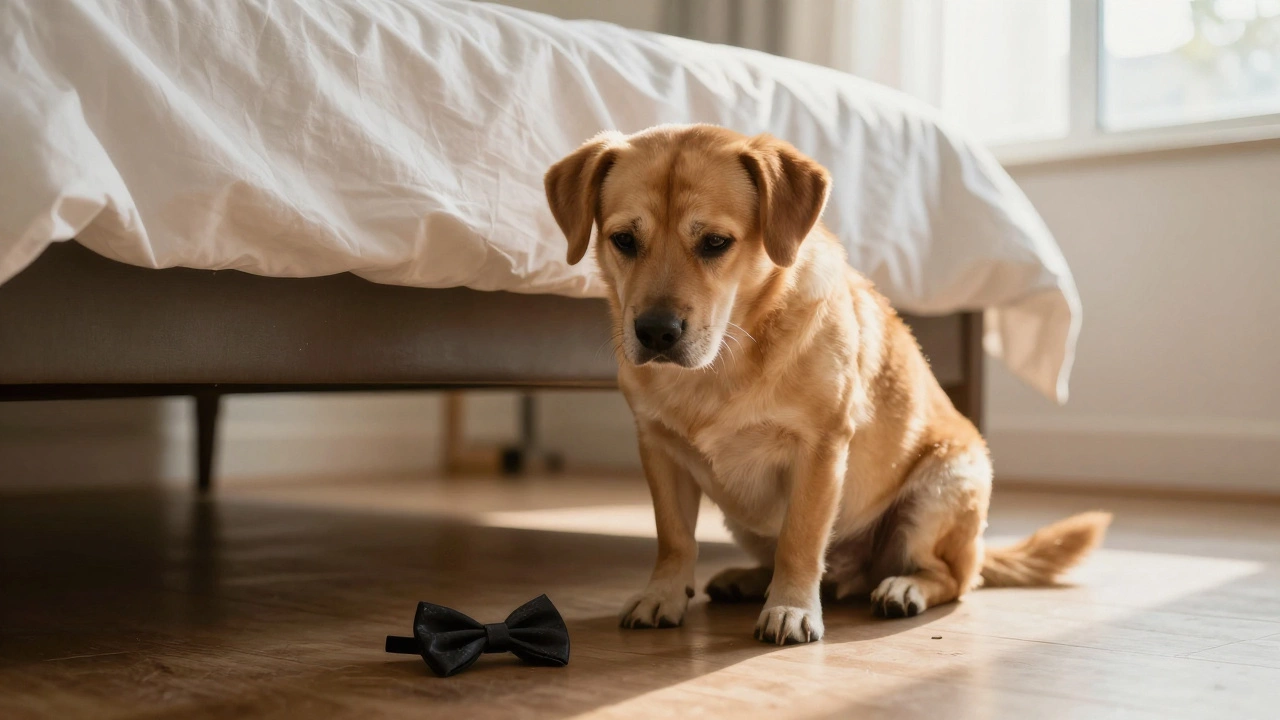
It’s been a long day. You dropped your dog off at the groomer, excited to see the fluffy, clean pup walking out the door. But when they come back, something’s off. They hide under the bed. They won’t eat. They shake when you touch their paws. Maybe they even snap at you-something they’ve never done before. You start wondering: why does my dog act weird after the groomers? You’re not alone. This happens more often than you think.
They’re Overwhelmed by Sensory Changes
Dogs rely heavily on smell, sound, and touch to understand the world. After a grooming session, their entire sensory map gets flipped. The scent of shampoo, the absence of their own natural oils, the feel of clipped fur, the buzz of clippers still ringing in their ears-it’s a lot. One owner in Dublin noticed her Shih Tzu wouldn’t let anyone near her for two days after a trim. Turns out, the new scent of lavender shampoo was so foreign, her dog didn’t recognize herself. Dogs don’t have mirrors, so they don’t see the change. They feel it. And that can trigger confusion, fear, or even mild depression.Physical Discomfort Is Real
Grooming isn’t just about looks. It’s a physical experience. Clippers can get hot. Nails trimmed too short? That’s painful. A too-tight bow tie or bandana? Irritating. Even a small nick on the skin can cause lingering discomfort. Dogs don’t say, “My ear is sore.” They just stop wagging, avoid being petted, or lick a spot obsessively. One vet in Cork reported a spike in post-grooming visits in winter-dogs with thick undercoats often get shaved down too close, leaving their skin exposed to cold air. That chill feels like a constant ache. If your dog suddenly avoids being touched around the belly or legs, check for redness, swelling, or scabs. A quick visual check can save you a vet bill.Stress from the Environment
Grooming salons are loud, chaotic places. Think about it: dogs are surrounded by unfamiliar smells, other animals barking, blow dryers roaring like jet engines, strangers handling them in ways they’ve never experienced. Even the most well-behaved dogs can shut down under that kind of pressure. A 2024 study of 300 dogs across Ireland found that 68% showed signs of elevated cortisol (the stress hormone) after grooming, even if they didn’t cry or struggle. Some dogs cope by freezing. Others act out. That’s why your usually calm Labrador might bark at the mailman or refuse to go for a walk after a visit to the groomer. It’s not disobedience-it’s emotional overload.They’re Tired
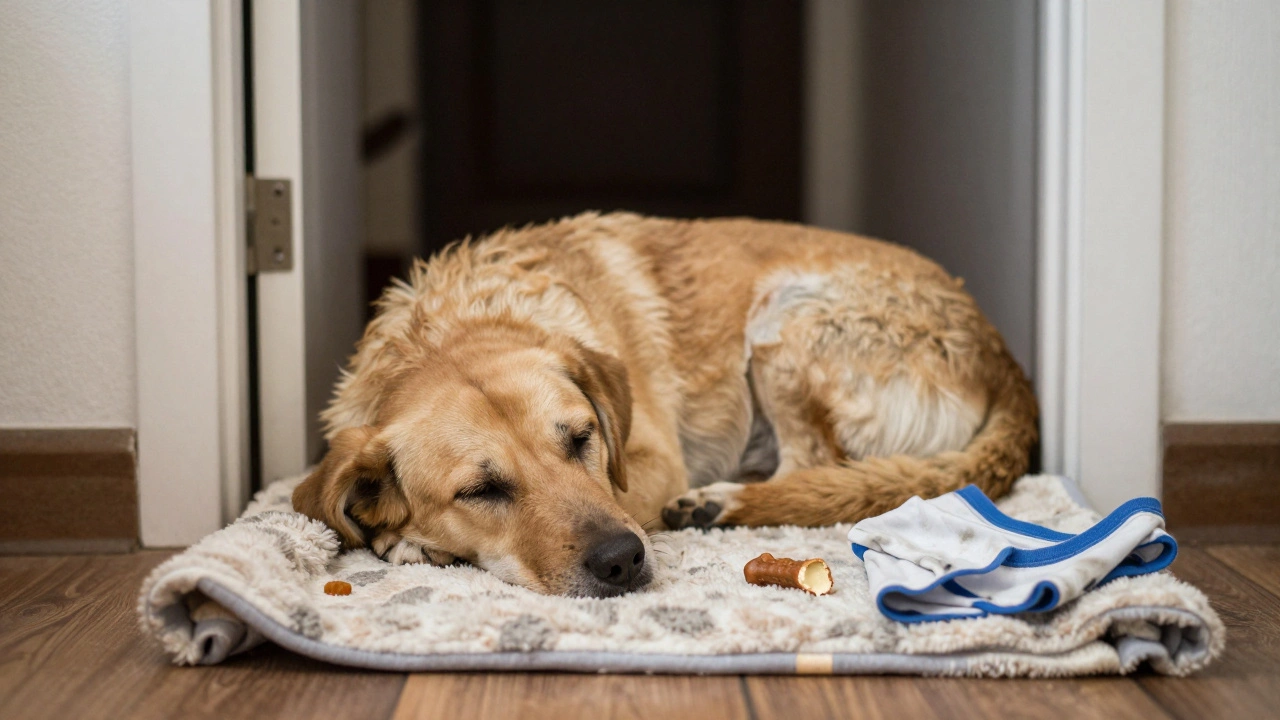
Grooming is exhausting. It’s not just physical-it’s mental. Your dog spends hours being handled, restrained, moved around, and forced to stay still. That’s draining. Think of it like you being strapped into a chair for three hours while someone talks loudly, touches you everywhere, and forces you to sit still. You’d be wiped out too. Many dogs sleep for 12 to 24 hours after grooming. That’s normal. But if they’re sleeping too deeply, won’t wake up for food, or seem disoriented, it’s worth checking in with your vet. Fatigue is common. Shock is not.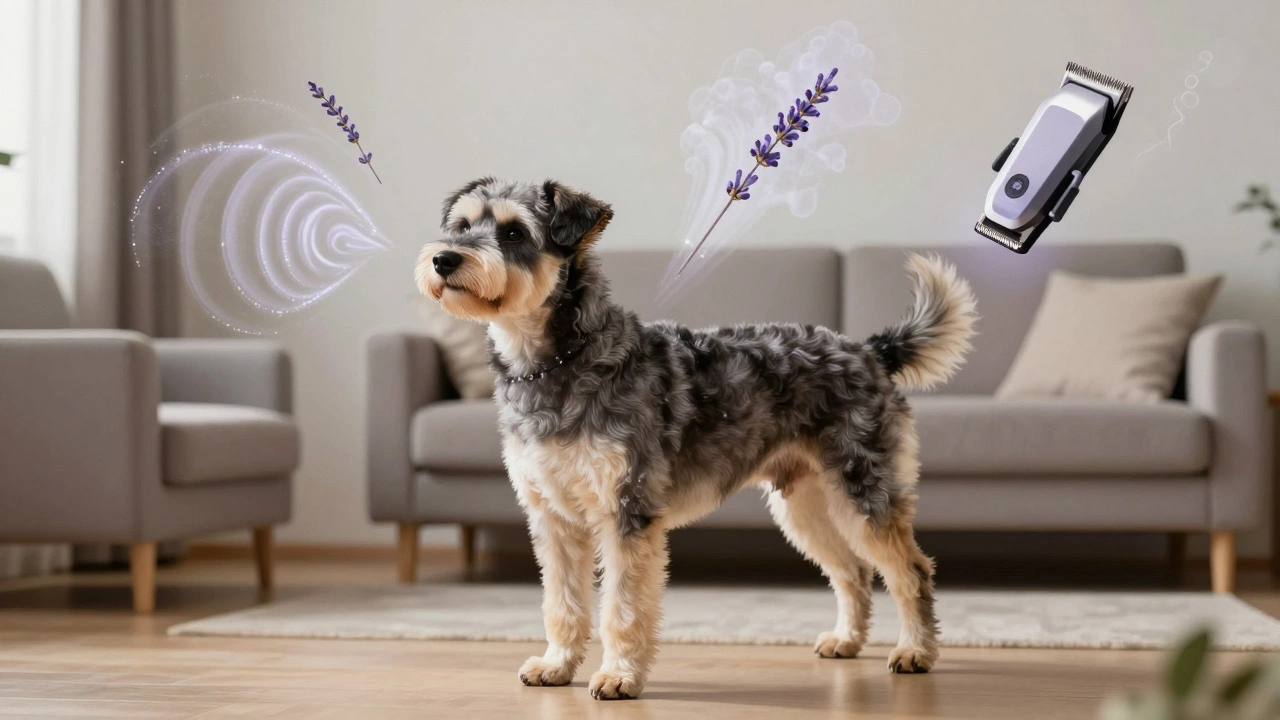
Change in Routine Throws Them Off
Dogs thrive on predictability. If your dog usually naps after breakfast, then gets a walk at 4 p.m., and suddenly you drop them off at 9 a.m. and pick them up at 5 p.m., their entire schedule is scrambled. They miss meals. They miss their usual walks. They miss you. That disruption can trigger anxiety, even if the grooming itself was fine. One owner in Galway noticed her senior Beagle started pacing and whining every evening after grooming-until she realized she’d stopped walking him that day. Once she resumed the walk, the behavior vanished.They’re Trying to Communicate
Dogs don’t have words. So when they act weird, they’re trying to tell you something. Whining? That’s a plea for comfort. Hiding? They feel vulnerable. Refusing food? They’re stressed. Licking their paws? Anxiety. The key is to look at the behavior as a message-not a problem to fix. Don’t punish them for acting out. Don’t force them to cuddle. Give them space. Offer their favorite treat. Let them choose when to come to you. A quiet room, a familiar blanket, and a little patience go a long way.What You Can Do Next Time
You don’t have to avoid grooming. But you can make it better. Here’s how:- Choose a groomer who knows your dog’s breed and temperament. Ask if they handle nervous dogs. Look for places that let you stay during the first visit.
- Don’t rush the process. If your dog is anxious, ask for a shorter session. A bath and brush might be enough.
- Bring something familiar. A worn t-shirt with your smell, their favorite toy, or even a treat they only get at home can help them feel safe.
- Don’t bathe them right before grooming. Wet dogs get colder faster, and the scent of soap lingers longer. Let them be dirty if you’re worried about stress.
- Wait 24 hours before a walk or play. Give them time to reset. Let them rest.
- Try a calming supplement. Some vets recommend L-theanine or CBD oil for dogs with grooming anxiety. Always check with your vet first.
When to Worry
Most weird behavior fades within 24 to 48 hours. But if your dog:- Refuses food or water for more than 24 hours
- Has diarrhea or vomiting
- Shows signs of pain-limping, whining when touched, or guarding a body part
- Has a fever (over 39.2°C)
- Stops responding to you or seems confused
Call your vet. These aren’t just signs of stress-they could be signs of injury, infection, or an allergic reaction to shampoo or products used.
It’s Not Just “Being Moody”
Some people think their dog is just being dramatic. But dogs don’t fake it. If they’re acting strange, something’s off. Whether it’s pain, fear, confusion, or exhaustion, they’re reacting to real stimuli. Your job isn’t to fix their mood. It’s to understand what’s triggering it-and help them feel safe again.Next time you pick up your dog after grooming, don’t rush them into the car. Sit with them. Let them sniff the air. Let them decide when they’re ready to come to you. Sometimes, all they need is quiet time-and a little space-to feel like themselves again.
How long does it take for a dog to act normal after grooming?
Most dogs return to their normal behavior within 24 to 48 hours. If your dog is still hiding, not eating, or showing signs of pain after two days, it’s time to call your vet. Short-term changes like sleeping more or being quieter are normal. Long-term changes aren’t.
Can dog grooming cause trauma?
Yes, especially if the experience was scary, painful, or forced. Dogs can develop what’s called a “grooming phobia”-where they panic at the sight of clippers, the smell of shampoo, or even the car ride to the salon. This isn’t rare. Many dogs who were badly handled as puppies grow up to fear grooming. Gradual desensitization and positive reinforcement can help, but it takes time and patience.
Should I give my dog a treat after grooming?
Absolutely. But don’t use it as a reward for being “good.” Use it as a comfort. Offer the treat quietly, in a calm space, and let them eat it at their own pace. The goal isn’t to teach them to behave-it’s to rebuild trust. A treat can be a bridge back to feeling safe.
Is it normal for my dog to lick their paws after grooming?
Yes, but only for a short time. Paw licking after grooming is often a sign of anxiety or sensory overload. The feeling of clipped fur between their toes, or the smell of shampoo lingering on their skin, can make them focus on that spot. If it lasts more than a day or causes redness, check for cuts or irritation. If it continues for days, it could be a sign of obsessive behavior triggered by stress.
Can I groom my dog at home to avoid this?
You can, but only if you’re experienced and your dog is calm. Home grooming works well for basic brushing and nail trims. But if your dog has thick fur, mats, or anxiety, professional groomers have the tools, training, and experience to do it safely. Trying to do it yourself under pressure can make things worse. If you’re unsure, start with a short visit to a low-stress salon, then slowly build up.
What to Watch For Next Time
Keep a simple log after each grooming session: note the date, how long the session lasted, what was done, and how your dog acted in the next 24 hours. Over time, you’ll start to see patterns. Maybe your dog always hides after a full-body shave. Or maybe they’re fine after a bath but freak out after nail trims. That’s valuable info. It helps you choose the right groomer, ask the right questions, and make smarter decisions for your dog’s comfort.Your dog doesn’t need to love grooming. But they should feel safe during it-and supported after. That’s the real goal.