

Canine Communication Analyzer
Is your dog's head tilt behavioral or a cause for concern?
Select the observations that best match your dog's current behavior:
Behavioral Observations
Medical Red Flags
The Quick Breakdown: Why the Tilt Happens
- Sound Localization: They are trying to pinpoint where a sound is coming from.
- Visual Alignment: They adjust their view to see your mouth and facial expressions more clearly.
- Emotional Connection: They are gauging your mood through your tone of voice.
- Word Recognition: They are filtering out background noise to focus on "trigger words" like "walk" or "treat."
The Mechanics of Canine Hearing
To understand the tilt, we have to look at the Auditory Cortex, the part of the brain that processes sound. Dogs have a much more sensitive hearing range than we do. They can hear frequencies up to 45,000 Hz, while humans usually tap out around 20,000 Hz. When you speak, you're not just providing words; you're providing a complex map of frequencies and rhythms.
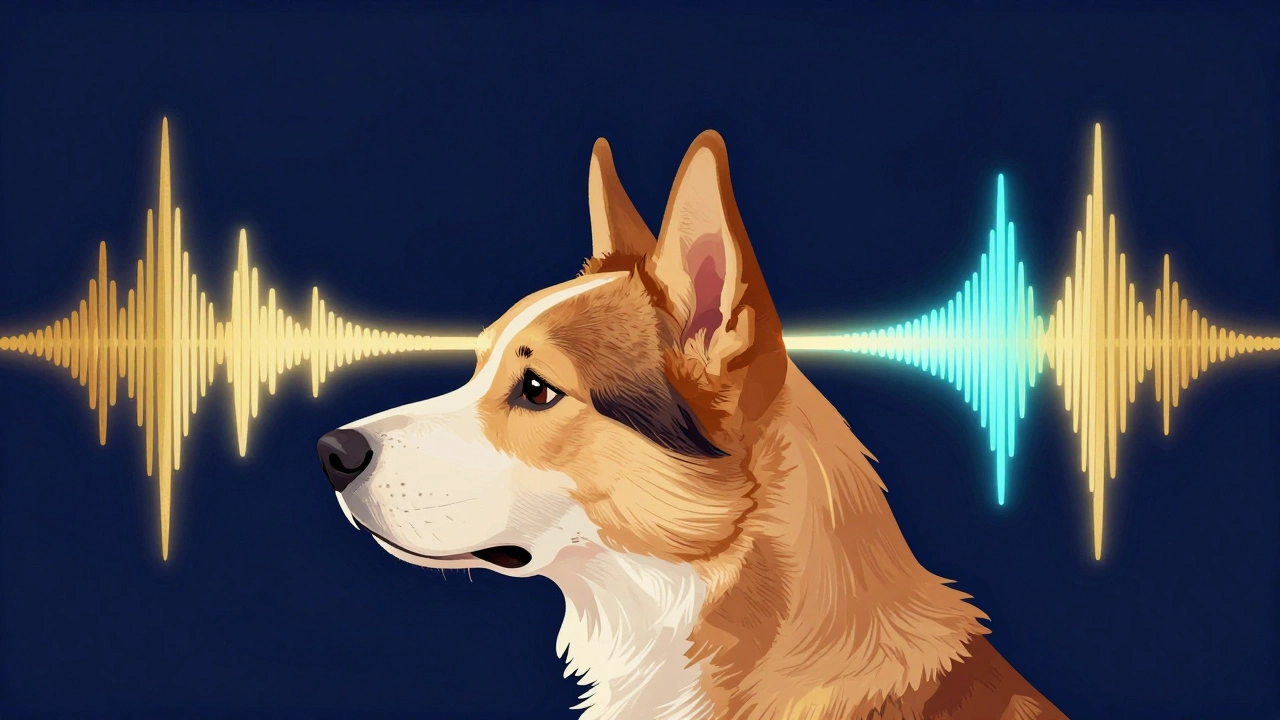
When a dog tilts its head, they are changing the angle at which sound enters the ear canal. Imagine you're in a noisy room trying to hear someone whisper; you might lean in or shift your head to block out the hum of an air conditioner. Dogs do the same thing. By shifting the angle, they can better distinguish the origin of the sound and the specific pitch, which helps them decide if the sound is a command, a threat, or just a random noise.
Seeing the Full Picture
Hearing is only half the story. Dogs also use their eyes to decode our intentions. However, dogs have a different field of vision than humans. Their eyes are positioned more on the sides of their heads, which gives them a wider peripheral view but makes depth perception and central focus a bit different from ours.
Many dogs have a "muzzle obstruction"-basically, their own nose gets in the way of their lower field of vision. When you speak, they want to see your lips, chin, and cheeks. By tilting their head, they shift their perspective, effectively "looking around" their snout to get a clear shot of your facial expressions. This is why you'll notice them do it more when you're crouched down or speaking from a low angle.
The Social Intelligence Factor
Dogs aren't just biological recorders; they are experts in Canine Cognition. Research conducted at the University of Michigan showed that dogs who tilted their heads more often performed better on word-recognition tests. This suggests that the tilt is a sign of an active, processing mind. They aren't just hearing you; they are analyzing the data.
They are specifically looking for emotional cues. A high-pitched, rising tone usually signals excitement or praise, while a low, steady tone might signal a command or a warning. The tilt allows them to focus intently on these nuances. It's a form of active listening. When your dog tilts their head, they are essentially saying, "I'm paying attention, now tell me exactly what that means."
| Attribute | Human | Dog |
|---|---|---|
| Hearing Range | ~20 Hz to 20 kHz | ~67 Hz to 45 kHz |
| Primary Sense | Vision | Olfaction (Smell) |
| Visual Field | Narrow / High Detail | Wide / Motion Sensitive |
| Processing Style | Language-driven | Tonal/Context-driven |
When a Head Tilt Is a Red Flag
While the "curiosity tilt" is normal, a constant or unnatural tilt can be a medical issue. If your dog's head remains tilted even when you aren't talking, or if the tilt is accompanied by stumbling, circling, or loss of balance, it could be a sign of Vestibular Disease. This is a condition affecting the inner ear and the balance system.
Another possibility is a severe ear infection. If there is inflammation or fluid in the inner ear, it can distort the dog's sense of equilibrium, causing them to lean to one side. If you notice your dog scratching their ears excessively or if there's a strange smell coming from the ear canal, a vet visit is non-negotiable. Unlike the behavioral tilt, which happens in response to a stimulus, a medical tilt is persistent and often looks "forced" or unstable.
The Role of Brain Health in Communication
Maintaining a dog's cognitive function is key to keeping these social behaviors sharp. As dogs age, they can suffer from canine cognitive dysfunction, similar to dementia in humans. This can lead to a decrease in their ability to process sounds and a loss of that focused "listening" behavior. This is where dog health supplements come into play.
Many owners now use Omega-3 fatty acids (DHA and EPA) to support the lipid layers of the brain and maintain neural plasticity. Antioxidants like Vitamin E and C help fight oxidative stress in the brain, keeping the Central Nervous System functioning efficiently. When a dog's brain is healthy, their ability to engage in these complex social-auditory behaviors remains strong well into their senior years.

How to Encourage Better Communication
If you want to strengthen the bond and improve your dog's understanding, you can actually use their natural instincts to your advantage. Instead of just talking, combine your words with clear, consistent hand signals. Because dogs are processing both audio and visual data, providing both simultaneously reduces the "processing load" on their brain.
Try these tips to engage your dog's curiosity:
- Vary Your Pitch: Use a higher pitch for praise and a lower, firmer tone for boundaries.
- Use High-Value Keywords: Consistently use the same words for the same actions (e.g., always say "Out" instead of switching between "Outside," "Go out," and "Walk").
- Get on Their Level: Squatting down makes it easier for them to see your facial expressions without having to tilt their head as drastically.
- Positive Reinforcement: Reward them when they show focused attention, which reinforces the behavior of active listening.
Do all dogs tilt their heads?
Most dogs do, but the frequency varies by breed and personality. Breeds known for high intelligence or high "drive," such as Border Collies or Golden Retrievers, often show more pronounced head-tilting behavior because they are more focused on extracting information from their owners.
Is a head tilt a sign of intelligence?
Yes, to an extent. Research suggests that dogs who tilt their heads more frequently are better at recognizing words and associating sounds with meanings. It shows that the dog is actively attempting to map a sound to a concept, which is a complex cognitive process.
Can dogs tilt their heads because they are confused?
Exactly. If you use a word they've never heard before, or if you say a familiar word in a strange tone, they will often tilt their head. They are trying to find a "match" in their mental dictionary for the sound you're making.
What is the difference between a behavioral tilt and a medical tilt?
A behavioral tilt is temporary and happens in response to a sound or a person. A medical tilt is usually permanent or happens regardless of the environment. Medical tilts are often accompanied by other symptoms like loss of balance (ataxia), nystagmus (rapid eye movement), or ear discharge.
Does the head tilt help them hear better?
Yes. By changing the angle of their ears, they change how sound waves hit the ear canal. This helps them better localize where the sound is coming from and can help them filter out background noise, making your voice clearer.
Next Steps for Dog Owners
If you've noticed your dog is a "tilter," take it as a compliment-they're trying to understand you! To keep their brain and senses sharp, focus on mental stimulation. Puzzle toys and scent-work games keep their cognitive pathways active. If you're worried about their aging process, consult your vet about a supplement plan that includes Omega-3s and antioxidants to support their neurological health.
Keep an eye on any sudden changes in behavior. If the tilt becomes a constant lean or if they seem dizzy, skip the internet and head straight to the clinic. Otherwise, keep talking to your pup; they're listening more closely than you think.