
Dog Collar Safety Recommender
Select the scenarios that apply to your dog's lifestyle to get a personalized recommendation.
Indoor Wear
Wears collar at homeLeash Walks
Daily walks on leashBoarding/Daycare
Around other dogsOff-Leash Play
Parks or open fieldsSmall Breed/Puppy
Delicate tracheaHigh Energy
Jumps & runs fastRecommendation
Select scenarios on the left and click analyze to see which collar is right for you.
Imagine your dog spots a squirrel. They bolt, tail wagging, straight toward the fence line. Suddenly, their head gets stuck in a gap, or they snag on a low-hanging branch. If they are wearing a standard flat collar, that quick jerk can turn into a life-threatening hang-up in seconds. This is the nightmare scenario every dog owner tries to avoid.
This is exactly why breakaway collars exist. But here is the real question: Do you actually need one? Is it just a marketing gimmick, or is it a critical piece of safety gear? The answer isn't a simple yes or no. It depends entirely on how you use your dog's collar and where you take them.
What Is a Breakaway Collar?
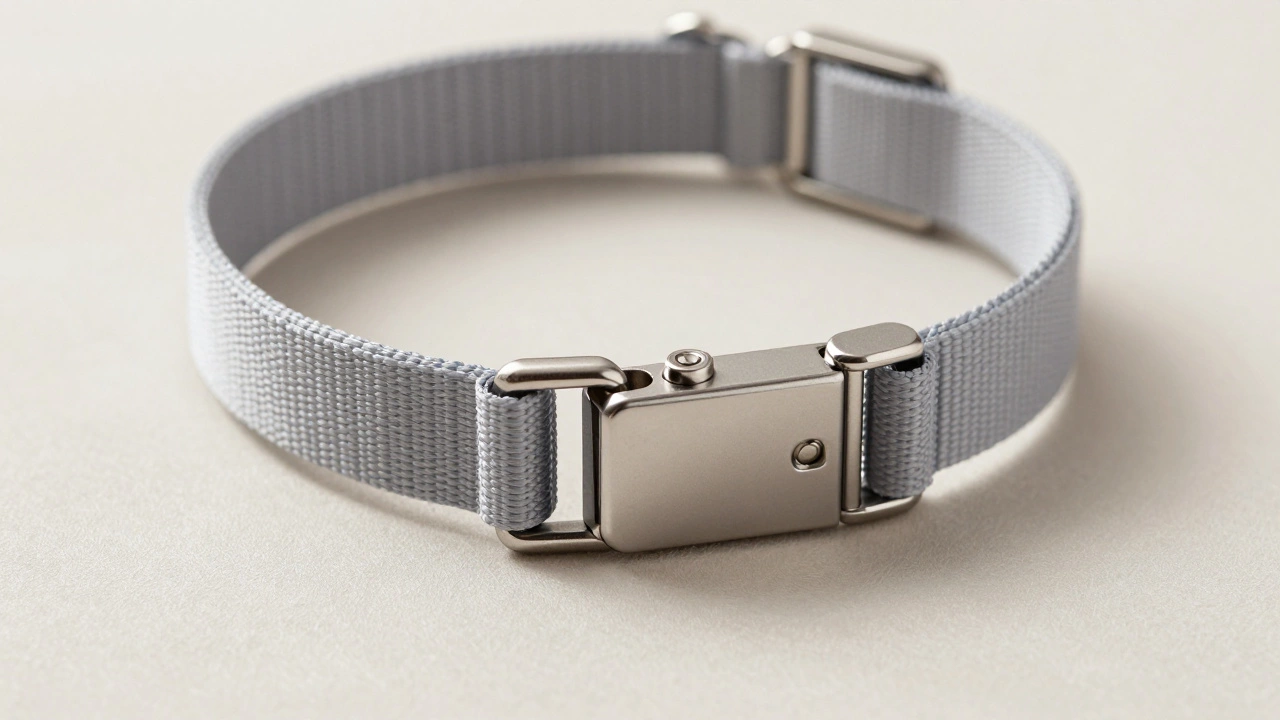
A breakaway collar is designed with a special clasp that opens when pulled with significant force. Unlike traditional buckles that lock shut, these clasps-often made of plastic or metal springs-release under pressure. The goal is simple: if the collar catches on something, it pops open before it chokes the dog.
Think of it as an emergency release valve. Standard collars use a prong buckle or a side-release plastic buckle that stays closed unless you manually press the mechanism. A breakaway collar uses a magnetic clasp, a spring-loaded gate, or a friction-based release. When tension exceeds a certain threshold (usually around 5 to 10 pounds of force), the clasp snaps open. Your dog walks away free, but without the collar around their neck.
The Safety Trade-Off: Security vs. Freedom
To understand if you need one, you have to weigh two competing risks. On one side, you have the risk of entanglement. On the other, you have the risk of escape.
The Entanglement Risk: Dogs are curious. They stick their heads through fences, get caught on bushes, or jump onto furniture where the collar hooks on a leg. A fixed collar turns any snag into a potential hanging hazard. Breakaway collars eliminate this risk almost entirely.
The Escape Risk: Because the clasp opens easily, a determined dog can slip out of a breakaway collar. If your dog leans against a doorframe, jumps over a low wall, or simply pulls back during play, the collar might pop off. If your dog is off-leash in an unsecured area, losing that collar means losing their ID tags and microchip backup information.
You cannot have a collar that is both completely secure against escape and completely safe against choking. You have to choose which risk is higher for your specific situation.
When You Absolutely Need a Breakaway Collar
There are specific scenarios where the safety benefits outweigh the escape risks. In these cases, a breakaway collar is not just recommended; it’s essential.
- Indoor Wear: If your dog wears a collar 24/7 inside the house, a breakaway is mandatory. Furniture legs, bed frames, and cat trees are common snag points. No one wants to find their dog hanging from a sofa armrest.
- Kennel or Boarding: Most reputable boarding facilities and daycares require breakaway collars. Other dogs might grab the collar during play, leading to strangulation. A breakaway collar prevents "collar games" from turning deadly.
- Small Breeds and Puppies: Tiny dogs like Chihuahuas or Yorkshire Terriers have delicate tracheas. Even a mild tug can cause serious injury. Their small size also makes them more prone to getting stuck in tight spaces.
- Cats: While this article is about dogs, it’s worth noting that breakaway collars are standard for cats for the exact same reasons. If you have a multi-pet household, keeping consistency helps.

When You Should Avoid a Breakaway Collar
Conversely, there are times when a breakaway collar is a bad idea. Using one in these situations could lead to a lost dog.
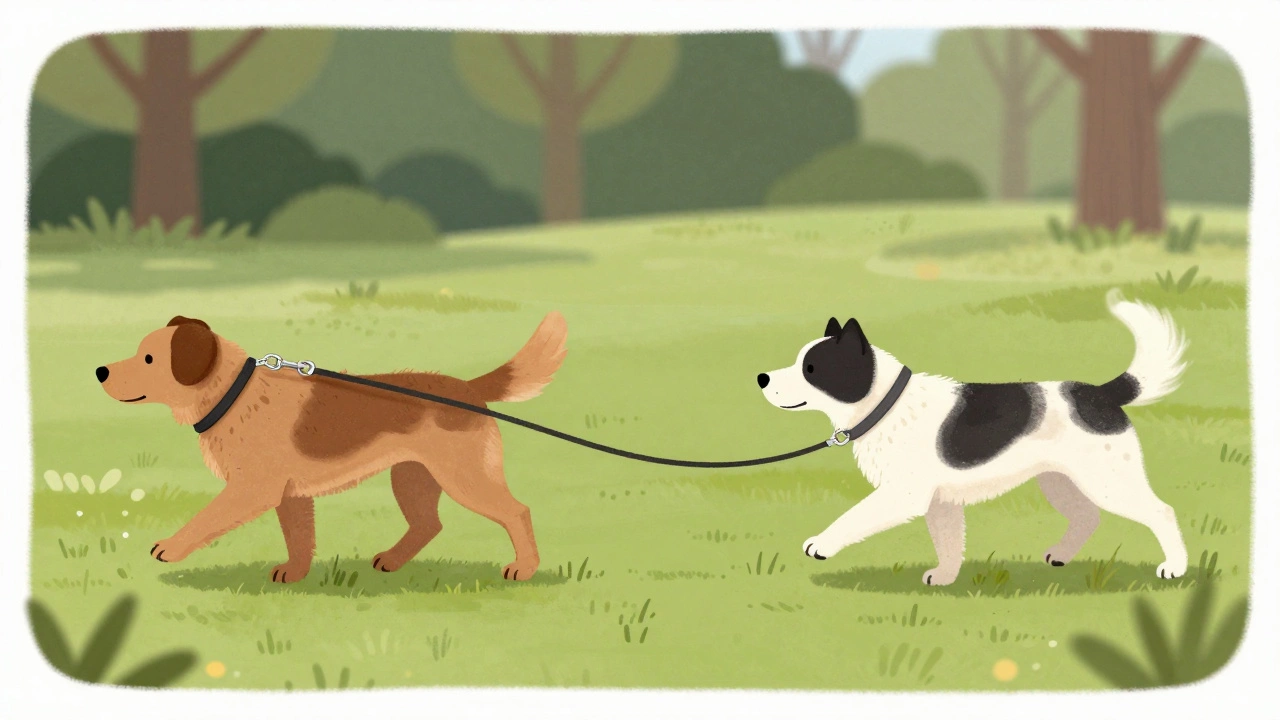
- Leash Walking: Never attach a leash to a breakaway collar. If your dog lunges at a ball or another dog, the sudden force will pop the clasp. You’ll be left holding a leash attached to nothing while your dog runs off. Always use a harness for walking, or a standard fixed collar if you must use a collar.
- Off-Leash Training: If you are teaching recall or allowing your dog to roam freely in a park, you need identification to stay on them. A breakaway collar offers zero security. If the dog slips out, you lose visual and auditory contact (if the bell falls off too).
- High-Energy Retrievers: Dogs that constantly jump, swim, or run through dense brush may accidentally trigger the release mechanism repeatedly. This leads to frustration and constant re-clipping.
| Feature | Breakaway Collar | Standard Fixed Collar |
|---|---|---|
| Choking Hazard | Very Low | High (if snagged) |
| Escape Risk | High | Low |
| Leash Attachment | Not Recommended | Suitable |
| ID Tag Security | Moderate (can fall off) | High |
| Best For | Indoor wear, boarding, sleep | Walking, training, outdoor adventure |
The Harness Alternative: Why It Might Be Better
If you are worried about choking but hate the idea of your dog escaping, consider ditching the collar for walks altogether. A well-fitted no-pull harness distributes pressure across the chest and shoulders, not the neck. This eliminates the risk of tracheal damage and hanging, regardless of whether the dog snags on something.
Harnesses are generally more secure than breakaway collars because they have multiple attachment points and wider straps that are harder to slip out of. However, even harnesses can get caught. A front-clip harness gives you better control, reducing the likelihood of lunging and subsequent snags.
How to Choose the Right Breakaway Mechanism
Not all breakaway collars are created equal. The quality of the release mechanism matters immensely. A cheap plastic clip might break unexpectedly, or worse, fail to open when needed.
- Magnetic Clasps: These use magnets to hold the collar together. They are smooth and quiet but can be tricky to adjust. Ensure the magnet strength is appropriate for your dog’s size. Small dogs need weaker magnets; large dogs need stronger ones to prevent accidental opening.
- Spring-Loaded Gates: Similar to a gate latch, these open when pushed outward by tension. They are reliable and often found on higher-end brands. Look for stainless steel springs that resist rust.
- Friction Releases: These rely on the tension pulling the strap through a loop. They are less common now due to inconsistency but are still available. Test these thoroughly before buying.
Always test the clasp yourself. Pull on it firmly to ensure it releases at the expected tension. If it feels too easy to open, your dog will slip out. If it feels impossible to open, it won’t save them in an emergency.
Fit Is Everything
Even the best breakaway collar fails if it doesn’t fit correctly. You should be able to slide two fingers comfortably between the collar and your dog’s neck. If it’s too loose, it will catch on everything and pop off constantly. If it’s too tight, it restricts airflow and causes skin irritation.
Check the fit weekly. Dogs gain and lose weight, and puppies grow rapidly. A collar that fit last month might be dangerous today. Also, check for signs of rubbing or hair loss, which indicate the collar is too tight or the material is irritating the skin.
Practical Tips for Daily Use
If you decide to use a breakaway collar, integrate it into your routine wisely. Keep a separate, sturdy collar or harness for walks. Switch to the breakaway collar only when your dog is off-leash in a safe, enclosed yard or indoors. Make it a habit to remove the collar before leaving the house for a walk, so you don’t accidentally attach a leash to the wrong hardware.
Also, consider engraving your phone number directly onto the collar itself, not just the tag. If the tag falls off, the collar might still be on (or nearby), giving someone a chance to return it. Microchipping remains the ultimate backup, as it never falls off.
Can I put a leash on a breakaway collar?
No, you should never attach a leash to a breakaway collar. The force of a pull will likely open the clasp, causing your dog to escape. Always use a standard fixed collar or a harness for leash walking.
Do breakaway collars hurt dogs?
No, breakaway collars are designed to prevent pain and injury. By releasing tension before it becomes harmful, they protect the dog’s trachea and neck muscles from strain or choking.
Will my dog slip out of a breakaway collar?
It is possible. If the collar is too loose or the dog is particularly agile, they may slip out. This is why fit is crucial. Two fingers should fit snugly under the collar. If your dog escapes frequently, switch to a harness for outdoor activities.
Are breakaway collars good for puppies?
Yes, especially for indoor wear. Puppies are clumsy and curious, making them prone to getting stuck. However, ensure the collar is adjustable so it grows with them, and check the fit daily.
How do I know if a breakaway collar is working?
Test it manually. Pull on the clasp with steady force. It should open smoothly without excessive resistance. If it sticks or requires extreme force, it may fail in an emergency. Replace it immediately if it shows signs of wear or damage.