
When you can no longer care for your pet, the hardest part isn’t saying goodbye-it’s knowing where to turn. You want the best outcome for your animal, not just the fastest solution. The truth? Not all shelters or rescue groups are the same. Some are overcrowded, underfunded, or overwhelmed. Others have long waiting lists or strict policies that delay placement. But there are places that actually work-places where pets get second chances, not just storage spaces.
Animal Shelters: The First Place Most People Think Of
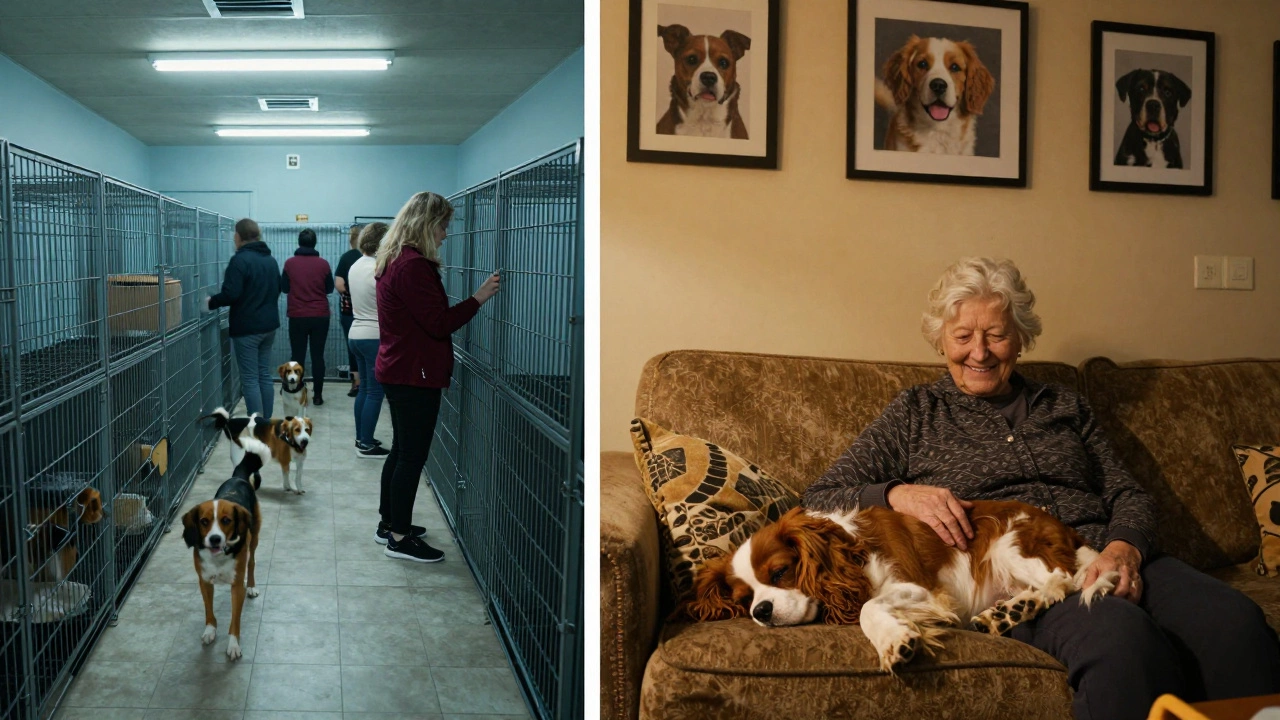
Local animal shelters are often the go-to option. They’re everywhere, easy to find, and usually open to walk-ins. But here’s the reality: many shelters operate at or beyond capacity. In Dublin, the Irish Society for the Prevention of Cruelty to Animals (ISPCA) takes in over 8,000 animals each year. That’s more than 20 per day. When shelters are this full, healthy, well-behaved pets can wait weeks-or even months-for adoption. Some don’t make it out alive.
Don’t assume a shelter is your safest bet. Ask questions before you go:
- What’s their euthanasia policy? (Ask for written guidelines.)
- Do they have a foster network, or do pets stay in cages?
- How long do they typically hold animals before putting them up for adoption?
- Do they require a surrender fee? (Some do, and it’s not always refundable.)
If the shelter can’t answer clearly, look elsewhere.
Rescue Organizations: Your Best Bet for a Real Second Chance
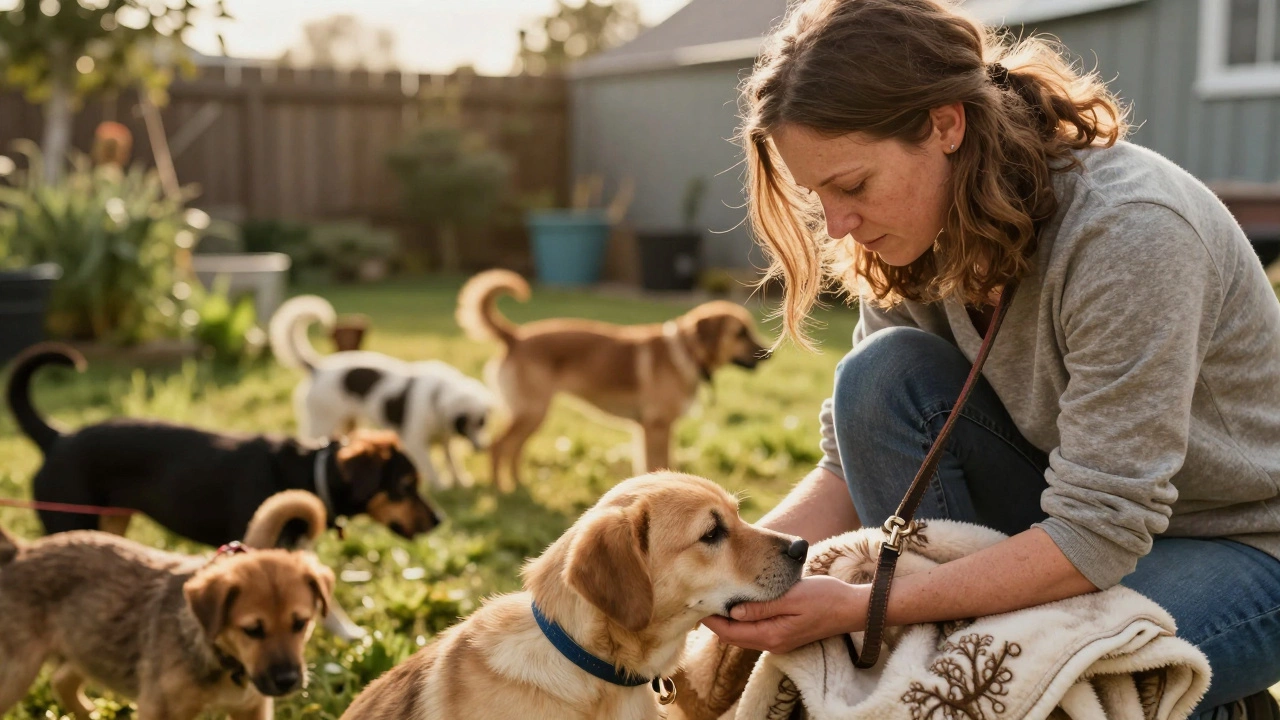
Rescue groups are often run by volunteers who know their animals inside out. These aren’t big-name charities-they’re small, passionate networks. A terrier rescue in County Wicklow might have 20 foster homes. Each dog lives in a real house, gets daily walks, and is evaluated for temperament, energy level, and how they react to kids or other pets. That kind of detail makes all the difference when matching pets to adopters.
Rescues also have better success rates. According to a 2024 study by the National Companion Animal Welfare Coalition, dogs placed through breed-specific rescues were 63% more likely to stay in their new homes after one year than those placed through municipal shelters.
How to find them:
- Search for “[pet breed] rescue Ireland” - for example, “Cavalier King Charles rescue Ireland”
- Check Facebook groups like “Pet Rehoming Ireland” or “Irish Pet Adoption Network”
- Visit websites like ISPCA a national animal welfare charity in Ireland that supports rehoming through a network of affiliated rescue groups or Animal Welfare League a nonprofit organization focused on rehoming abandoned and surrendered pets across Ireland
Many rescues require a home check, but that’s not red tape-it’s protection. They’re not trying to make it hard. They’re trying to make sure your pet doesn’t end up back in the system.
Online Rehoming Platforms: Use With Caution
Sites like PetAdopt.ie, Pets4Homes, and Gumtree let you post your pet for free. It sounds simple. But here’s what you’re not told: anyone can reply. That includes people with bad intentions, people who want pets for breeding, or people who just don’t know how to care for them.
One woman in Cork rehomed her cat online in 2023. She thought she’d found a good home. Three months later, she got a message: the cat had been abandoned again. The new owner didn’t know how to feed it properly. That kind of thing happens more than you think.
If you use online platforms:
- Always require a video call with the potential adopter
- Ask for references-vet records, previous pet ownership, home photos
- Insist on a meet-and-greet in person before handing over your pet
- Never accept payment for rehoming. It’s illegal in Ireland to profit from pet rehoming
These platforms can work-but only if you’re vigilant. Don’t rush. Treat this like a job interview for your pet’s new life.
Friends, Family, and Community Networks
Don’t underestimate your own circle. A pet rehomed through a trusted friend is more likely to succeed. You know their home, their routine, their kids, their other pets. You’ve seen how they treat animals.
Post on local community boards: Nextdoor, Facebook groups for your town, or even your workplace. Say clearly: “I’m rehoming my 5-year-old Labrador. He’s house-trained, good with kids, and needs an active home. No cages, no chains.”
One man in Galway rehomed his senior dog through his church group. Within 48 hours, he had three serious applicants. One of them turned out to be a retired nurse who had lost her own dog. They’ve been inseparable for two years now.
This method isn’t guaranteed-but it’s often the most humane.
What to Avoid
Some options sound tempting but are dangerous:
- Abandoning your pet-it’s illegal in Ireland and carries fines up to €5,000
- Posting on classifieds without screening-you’re putting your pet at risk
- Going to a pet store-they don’t rehome. They sell.
- Handing your pet to a stranger who says “I’ll find them a home”-this is how puppy mills and animal trafficking start
If someone asks for money to take your pet, walk away. Legitimate rehoming is never about profit.
Preparing Your Pet for the Transition
Even the best rehoming process can be stressful for your pet. Help them adjust:
- Update their microchip info with your new contact details
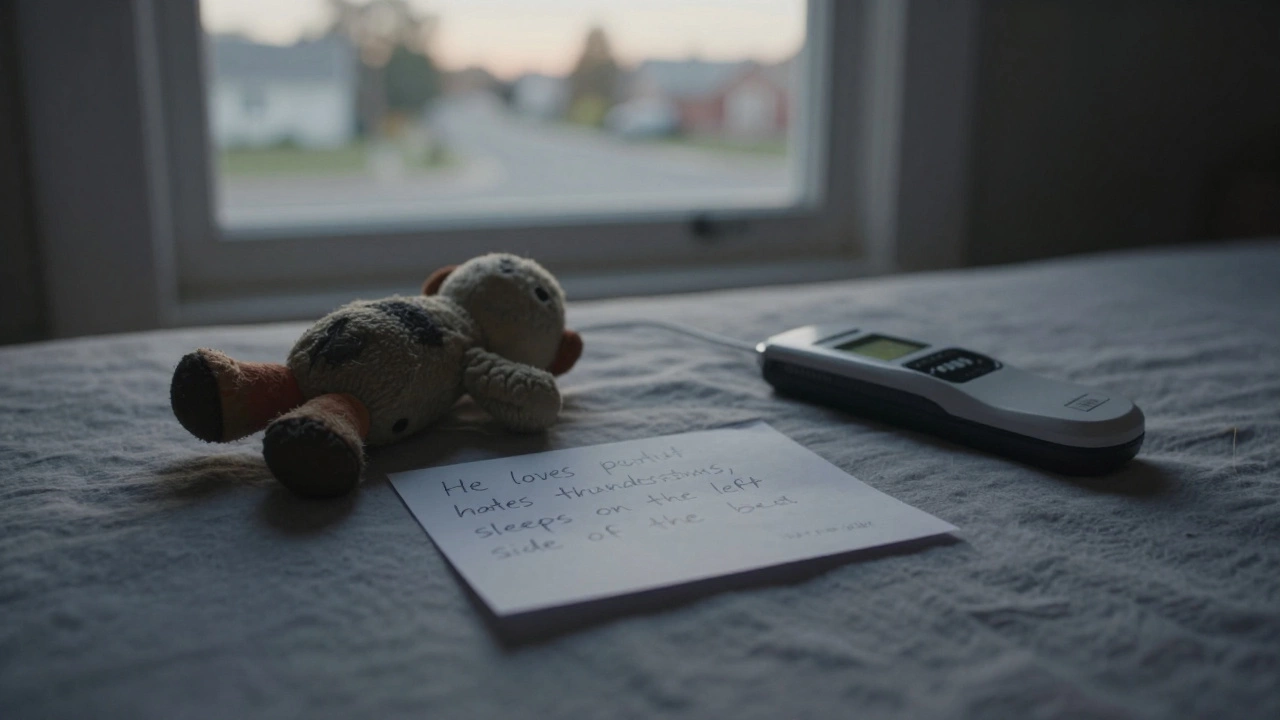
- Leave behind familiar items: their bed, blanket, favorite toy
- Write a short note: “He loves peanut butter, hates thunderstorms, and sleeps on the left side of the bed.”
- Don’t say goodbye in front of them. Leave them with a trusted person while you’re gone
Most pets don’t understand why they’re being rehomed. They just feel abandoned. Your job is to make sure they feel safe, even if you’re not there.
What Happens After You Rehome?
Good rescues and shelters will follow up. Ask for updates. A good organization will check in at 1 week, 1 month, and 3 months. They’ll want to know how your pet is settling in.
If you’re rehoming through a friend or family member, stay in touch. Send a photo. Ask how they’re doing. You’re not disappearing-you’re transitioning.
And if things go wrong? If your pet ends up back in the system? Reach out immediately. Don’t wait. The sooner you act, the better the outcome.
Final Thought: You’re Not Failing
Rehoming your pet doesn’t mean you’re a bad owner. Life changes. Health issues. Job loss. Moving. Illness. These aren’t moral failures. They’re human realities. What matters is that you care enough to do it right.
There are people out there who will love your pet just as much as you did. Maybe even more. But they can’t find them unless you take the time to find the right place.
Your pet deserves more than a shelter cage. They deserve a home that lasts.
Can I surrender my pet to a shelter for free?
Some shelters offer free surrender, especially if the animal is healthy and up to date on vaccinations. Others charge a small fee-usually between €20 and €50-to cover basic care. This isn’t a punishment; it helps fund food, medical care, and shelter space. Always ask ahead. Never assume it’s free.
How long does it take to rehome a pet?
It varies. A young, healthy dog or cat in a rescue network can find a home in under a week. Older pets, special needs animals, or those with behavioral issues may take weeks or months. Shelters with high intake rates often hold pets for 14-30 days before putting them up for adoption. Patience is key.
Is it better to rehome a pet locally or can I send them out of Ireland?
Rehoming within Ireland is always preferable. Transporting pets internationally requires strict paperwork, health checks, and can cost hundreds of euros. Most rescue groups won’t move animals across borders unless it’s absolutely necessary. Local rehoming means less stress for your pet and a higher chance of long-term success.
What if my pet has health issues?
Many rescues specialize in medical cases. Some work with vets to provide ongoing care. Others have foster networks that can handle chronic conditions. Be honest about your pet’s needs. A good rescue won’t turn them away-they’ll find the right home. Don’t give up on them just because they’re not perfect.
Can I get help with the rehoming process?
Yes. Organizations like the ISPCA and Animal Welfare League offer free advice, rehoming support, and even help with photos and descriptions. Some even provide temporary foster care while you search. Reach out early. You don’t have to do this alone.
If you’re ready to take the next step, start by contacting your nearest ISPCA a national animal welfare charity in Ireland that supports rehoming through a network of affiliated rescue groups branch or visiting PetAdopt.ie a trusted Irish platform connecting pet owners with verified rescue organizations. You’re not giving up. You’re giving them a better shot.