
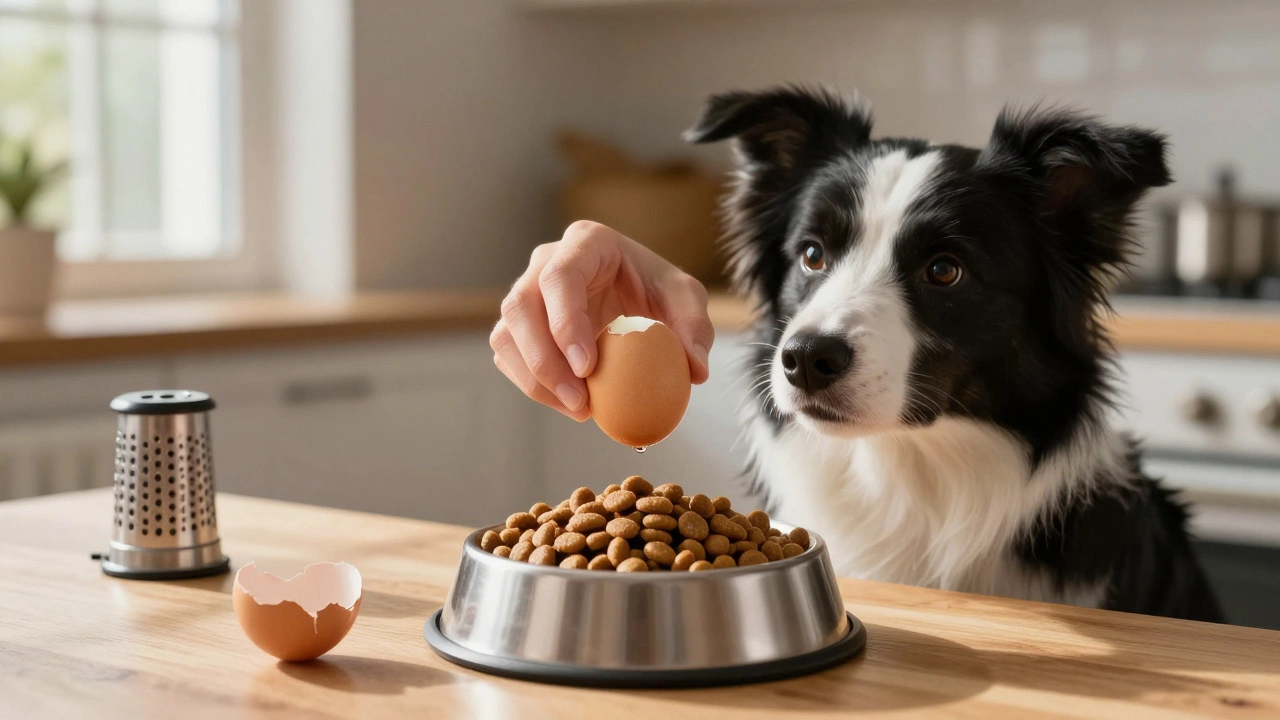
Ever looked at your dog begging at the breakfast table and wondered if that scrambled egg is safe for them? You’re not alone. Eggs are a common human food, packed with protein and nutrients, and many dog owners want to share them. But are eggs good for dogs? The answer isn’t just yes or no-it’s about how, how often, and which part you give.
Eggs Are Nutrient-Dense for Dogs
Eggs aren’t just filler food. A single large egg contains about 6 grams of high-quality protein, plus essential amino acids your dog’s body can’t make on its own. That’s why they’re often used in homemade dog food recipes. The yolk gives them healthy fats, including omega-3s (if the hens are pasture-raised), vitamin A, vitamin D, and choline-a nutrient that supports brain function and liver health. The white is almost pure protein, with no fat or carbs. For active dogs, senior dogs, or those recovering from illness, eggs can be a simple, natural boost.
Unlike processed dog treats, eggs don’t contain artificial preservatives, fillers, or hidden sugars. That’s a big plus. One study from the University of Illinois found that dogs fed diets including cooked eggs showed improved coat condition and muscle maintenance over 12 weeks compared to those on standard kibble alone.
Cooked Eggs Are Safe. Raw Eggs? Not So Much.
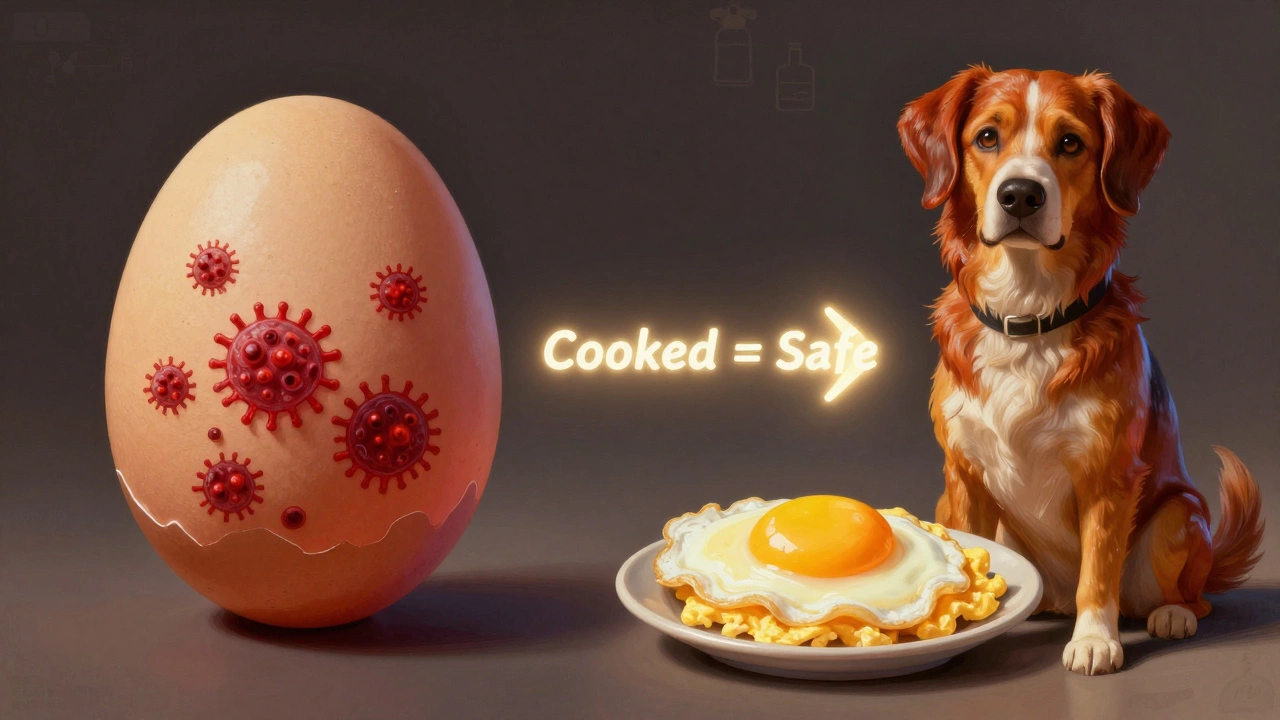
Raw eggs come with risks. The biggest concern is Salmonella and E. coli. Dogs have stronger stomach acid than humans, so they can handle some bacteria-but it’s not zero risk. Puppies, older dogs, or dogs with weak immune systems are more vulnerable. There’s also the chance of cross-contamination in your kitchen. If you’re feeding raw eggs to your dog, you’re also exposing yourself and your family.
Then there’s biotin. Raw egg whites contain a protein called avidin, which binds to biotin (a B vitamin) and stops your dog from absorbing it. Long-term feeding of raw egg whites only can lead to a biotin deficiency-causing dry skin, hair loss, or even neurological issues. It takes a lot of raw eggs to cause this (like 10+ per day for weeks), but why risk it?
Cooked eggs eliminate both problems. Heat destroys avidin and kills harmful bacteria. Boiled, poached, or scrambled without oil, butter, salt, or seasoning is the safest way. Even the shell can be crushed and added as a calcium source-just make sure it’s clean and finely ground.
How Many Eggs Can a Dog Eat?
Size matters. A small dog like a Chihuahua doesn’t need the same amount as a German Shepherd. As a rule of thumb: one egg per week for small dogs (under 20 lbs), two eggs per week for medium dogs (20-50 lbs), and three eggs per week for large dogs (over 50 lbs). That’s enough to get the benefits without overloading their system.
Too many eggs can lead to weight gain. Eggs are calorie-dense-a single egg has about 70 calories. If your dog is already overweight or on a weight-loss plan, eggs should be treated like a snack, not a meal replacement. Always adjust their main food portions if you’re adding eggs regularly.
Some dogs are allergic. Signs include itchy skin, ear infections, vomiting, or diarrhea. If you’ve never fed eggs before, start with a quarter of a cooked egg and watch for 24 hours. No reaction? You’re probably safe to slowly increase the amount.
Eggshells: A Hidden Calcium Source
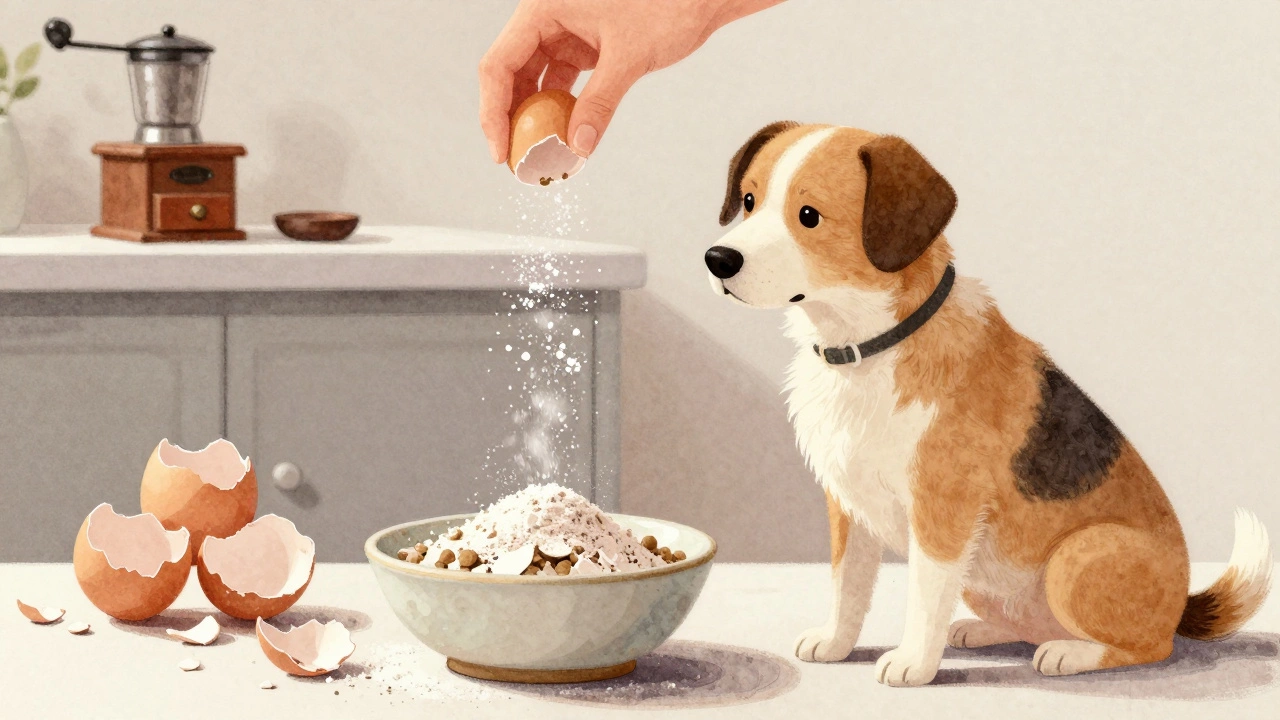
Don’t toss those shells. Clean, dry, and finely ground eggshells are nearly 100% calcium carbonate. For dogs on homemade diets, this is a cheap and effective way to balance calcium and phosphorus-especially if you’re feeding raw meat or boneless meals. One teaspoon of ground eggshell equals about 400-500 mg of calcium, which is enough for a medium-sized dog’s daily need.
How to use it: Rinse the shells, bake them at 300°F for 10 minutes to sterilize, then grind them into a fine powder using a coffee grinder. Store in a sealed jar. Sprinkle a quarter to half a teaspoon over their food, depending on size. Don’t add it to every meal-every other day is enough.
When to Avoid Eggs Completely
Not all dogs should eat eggs. If your dog has pancreatitis, high cholesterol, or a history of food allergies, talk to your vet before adding eggs. Dogs with thyroid issues may also react poorly to high iodine intake-though eggs aren’t a major source, they can add up if combined with other supplements.
Also skip eggs if your dog is on a prescription diet. Some therapeutic foods are formulated with precise nutrient ratios. Adding extra protein or fat from eggs could throw off the balance. Always check with your vet if your dog has a medical condition.
How to Serve Eggs to Your Dog
- Boiled eggs: Easy, clean, no added fat. Peel and cut into pieces.
- Poached eggs: Soft and gentle on the stomach. No water or seasoning.
- Scrambled eggs: Use a non-stick pan with no oil or butter. Stir gently until fully cooked.
- Hard-boiled egg yolk: Great for picky eaters. Mash it into their kibble.
- Ground eggshells: Sprinkle over food as a calcium supplement.
Avoid fried eggs, omelets with onions or garlic, and any eggs cooked with butter, cheese, or spices. Onions and garlic are toxic to dogs-even in small amounts. Cheese adds unnecessary fat. Salt can lead to sodium poisoning.
Real-Life Example: A Dog’s Egg Routine
One owner in Dublin feeds her 45-pound Border Collie one boiled egg every other day, mixed into his kibble. He’s active, lean, and has a glossy coat. She grinds the shells once a week and adds them to his food on non-egg days. She started when he turned seven, after his vet suggested a natural protein boost for his aging joints. Two years later, his bloodwork shows normal cholesterol and improved muscle tone.
Another owner tried raw eggs after reading a blog. Her 15-pound Poodle developed diarrhea and a patchy coat. After switching to cooked eggs and stopping raw feeding, the symptoms cleared in 10 days.
Final Answer: Are Eggs Good for Dogs?
Yes-when cooked, served in moderation, and given without additives. Eggs are a natural, affordable, and nutrient-rich food that can support your dog’s skin, coat, muscles, and brain. But they’re not a magic supplement. They work best as part of a balanced diet, not a replacement for proper dog food.
If you’re thinking about adding eggs to your dog’s meals, start small. Watch for reactions. Cook them plainly. And always talk to your vet if your dog has health issues. Simple changes like this can make a real difference-without expensive supplements or complicated diets.
Can dogs eat raw eggs?
Raw eggs carry risks of bacterial infection like Salmonella and can cause biotin deficiency over time due to avidin in the egg white. Cooking eggs eliminates these risks and makes them safer and more digestible for dogs.
How often can I give my dog an egg?
Small dogs (under 20 lbs) can have one egg per week. Medium dogs (20-50 lbs) can have two eggs per week. Large dogs (over 50 lbs) can have up to three eggs per week. Adjust based on your dog’s weight, activity level, and overall diet.
Can dogs eat eggshells?
Yes, clean, baked, and finely ground eggshells are a good source of calcium. Sprinkle a quarter to half a teaspoon over your dog’s food a few times a week, especially if they’re on a homemade diet. Never give whole or large pieces-they can cause choking or internal injury.
Are scrambled eggs okay for dogs?
Yes, as long as they’re cooked without oil, butter, salt, or seasonings. Use a non-stick pan and scramble them plain. Avoid adding cheese, onions, garlic, or peppers-these are harmful to dogs.
Can eggs cause allergies in dogs?
Yes, though it’s rare. Signs include itchy skin, ear infections, vomiting, or diarrhea. Introduce eggs slowly-start with a small piece and watch for 24 hours. If symptoms appear, stop feeding eggs and consult your vet.
Do eggs help with a dog’s coat?
Yes. The protein, fatty acids, and biotin in eggs support healthy skin and a shiny coat. Many dog owners notice improved coat condition within a few weeks of adding cooked eggs to their dog’s diet.
Should I feed eggs to a dog with pancreatitis?
No. Dogs with pancreatitis need a low-fat diet. Egg yolks are high in fat and can trigger flare-ups. Stick to plain egg whites only if your vet approves, and even then, in very small amounts.
Can puppies eat eggs?
Yes, but only after they’re weaned and eating solid food. Start with a small amount of cooked egg-like a teaspoon mashed into their food-and watch for any digestive upset. Eggs are a great source of protein for growing puppies, but moderation is key.