
Dog Sleep Bed Assessment Tool
Determine if your dog's bed supports their natural sleep awareness behavior. Based on the article's recommendations for secure, alert sleep.
Why This Matters
According to the article, dogs need beds that support their natural sleep awareness behavior. A bed that's too small or too far away makes it hard for them to monitor your sleep safely.
Ever lie in bed, perfectly still, and catch your dog staring at you like they’re checking your pulse? Or wake up to find them curled up against your side, breathing slow and steady-just like you? It’s not just coincidence. Dogs don’t just sleep near you because they’re cozy. They know when you’re asleep. And they’ve been doing it for thousands of years.
How Dogs Detect You’re Asleep
Dogs don’t need a smartwatch to tell if you’re sleeping. They use their senses-ones that are far sharper than ours. Their hearing picks up the subtle shift in your breathing. When you’re awake, your breath is irregular, maybe a little louder if you’re scrolling or talking. When you fall asleep, it evens out. Slower. Deeper. Silent between inhales.
They also notice the drop in your body movement. Your fingers stop twitching. Your legs stop shifting. Even your heart rate slows. A dog that’s spent years sleeping next to you learns this rhythm like a song. A 2022 study from the University of Vienna found that dogs could distinguish between human sleep and wake states with over 90% accuracy based solely on breathing patterns and stillness-not just sound or smell.
And then there’s smell. Your body releases different chemicals when you sleep. Melatonin rises. Cortisol drops. Your skin’s temperature cools slightly. Dogs have 300 million olfactory receptors. You’re not hiding anything.
Why They Watch You While You Sleep
It’s not about control. It’s about connection. Dogs are pack animals. In the wild, the group sleeps together for safety. The most alert members stay on watch. Your dog isn’t being suspicious-they’re being loyal. When you’re asleep, they become your guard dog. That’s why they’ll suddenly perk up at the sound of a creaky floorboard or a car pulling into the driveway.
Some dogs will nudge you if they sense something’s off. A fever. A nightmare. Even a drop in blood sugar. There are documented cases of dogs waking their owners during seizures or diabetic episodes. Their behavior isn’t random. It’s learned, instinctive, and deeply tied to their bond with you.
How Your Dog Bed Choice Affects Their Awareness
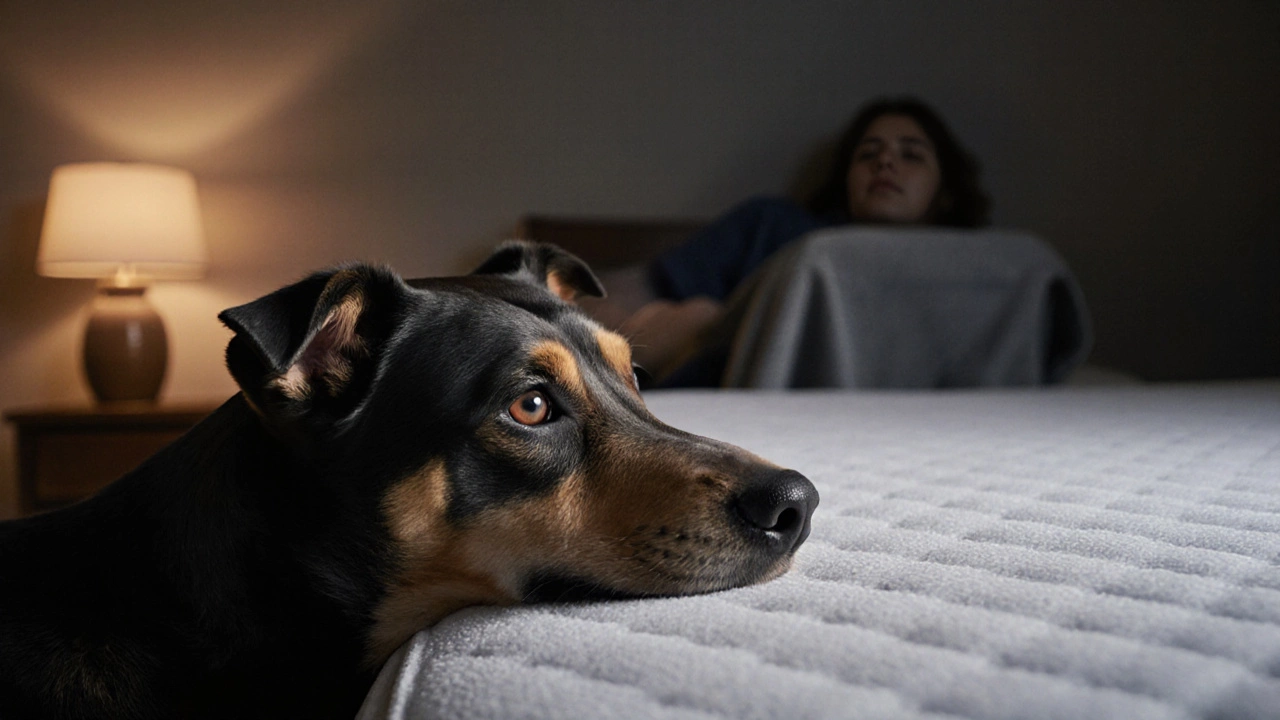
Not all dog beds are created equal. If your dog’s bed is too soft, too small, or too far from your bed, they won’t feel secure. That affects how well they can monitor you.
A dog that’s uncomfortable won’t sleep deeply. And if they’re not sleeping well, they can’t stay alert. A firm, orthopedic bed with raised edges gives them a sense of security. They can rest their head on the rim and still see you. A bed too far from your bedroom? They’ll sleep, but they’ll wake more often-checking on you. That’s exhausting for them.
Look for beds with these features:
- Memory foam or high-density foam-supports joints and helps them stay still while keeping watch
- Low sides or no sides-lets them see you easily without lifting their head
- Washable, breathable cover-keeps their scent on it, which calms them
- Size that fits their body-if they can’t stretch out, they won’t relax enough to stay alert
One owner in Dublin told me her Labrador, Finn, used to pace at night until she bought him a large, low-profile memory foam bed right beside her bed. Within a week, he stopped circling. He’d just lie down, head on the edge, eyes half-open. She said, "He doesn’t sleep anymore-he keeps watch. And he’s happier."
What It Means When They Sleep on You
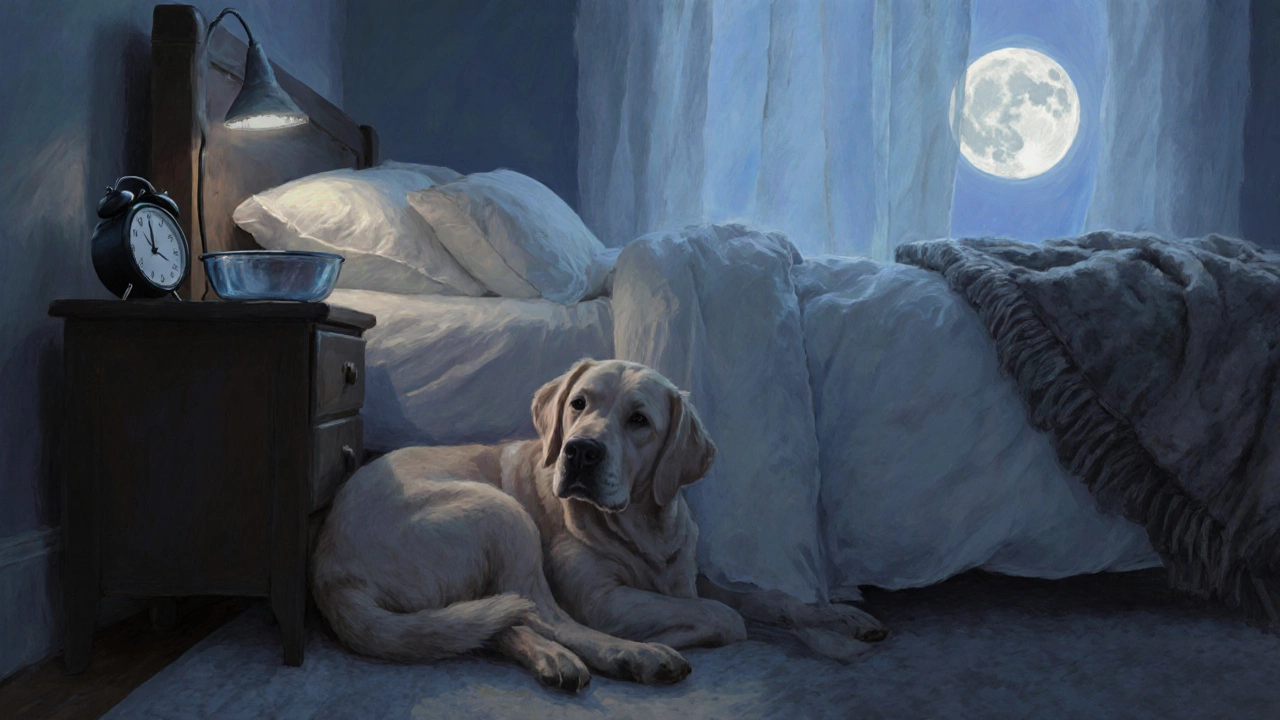
Some dogs don’t just sleep near you-they sleep on you. On your chest. Your legs. Your pillow. That’s not just clinginess. That’s trust.
When a dog lies on you while you sleep, they’re using your body heat as a signal. Your warmth tells them you’re alive. Your heartbeat tells them you’re safe. It’s a biological reassurance. In fact, research from the American Kennel Club shows that dogs who sleep on their owners have higher levels of oxytocin-the bonding hormone-than those who sleep alone.
But here’s the catch: if your dog sleeps on you every night, they might be anxious. If they only do it when you’re asleep, not during the day, it could mean they feel more vulnerable when you’re still. That’s normal. But if they whine or scratch when you move, or refuse to sleep anywhere else, they might need more confidence-building during the day.
What Happens When You Change Your Sleep Routine
Dogs don’t understand alarms. They don’t know about work schedules. But they notice when you stop sleeping at the same time. When you start working late. When you sleep on the couch. When you travel.
That’s when their behavior changes. They might sleep less. They might bark more at night. Or they might stop checking on you entirely. That’s not indifference. That’s confusion. They’re waiting for the rhythm to return.
One dog owner in Galway noticed her dog, Luna, stopped coming into the bedroom after she started working night shifts. She left a hoodie with her scent on the dog’s bed and played a recording of her voice for 10 minutes before bed. Within three days, Luna started sleeping on the floor beside the bed again. She wasn’t trying to be stubborn. She was trying to figure out if you were still there.
Can Dogs Tell If You’re Sleeping Too Little?
Yes. And they notice.
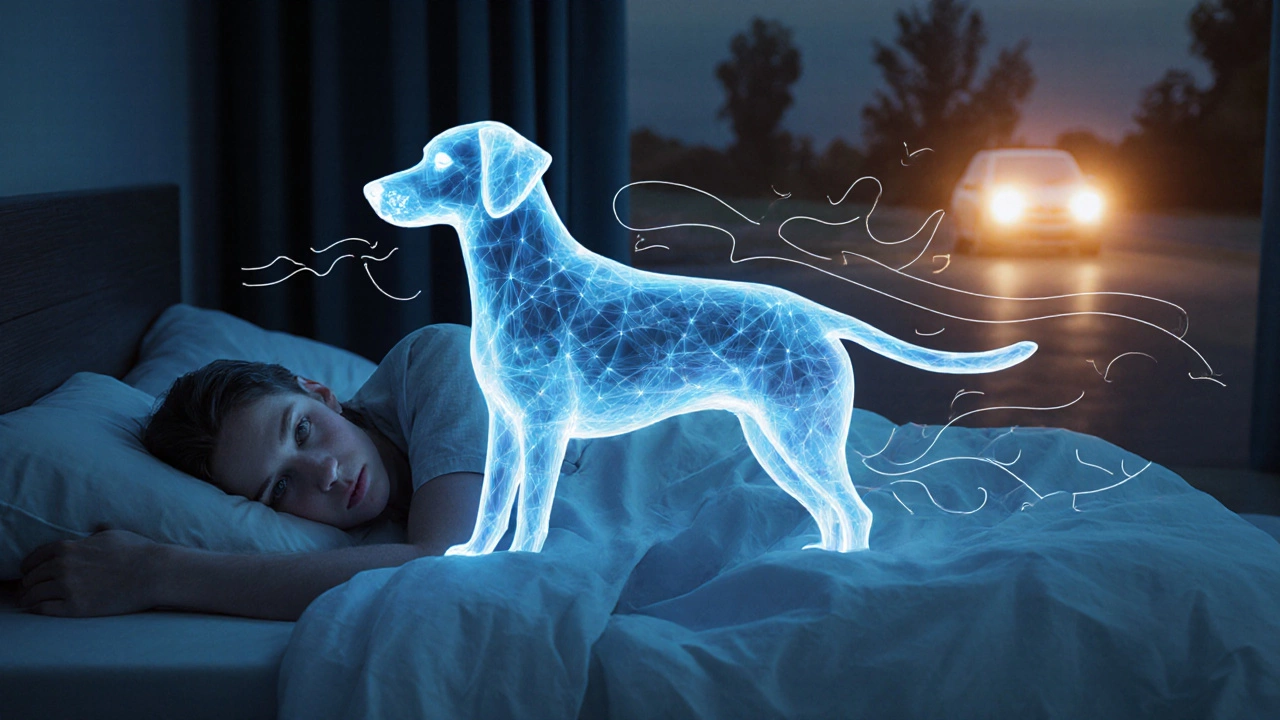
When you’re sleep-deprived, your body releases stress hormones. Your breathing gets shallow. Your movements are jerky. Your scent changes. Dogs pick up on all of it. Some dogs will become clingier. Others will act out-chewing shoes, barking at shadows, refusing to lie down.
It’s not that they’re mad. They’re worried. Your energy is off. Your rhythm is broken. And in their world, that means danger.
There’s no scientific study that says dogs can diagnose insomnia. But there are plenty of stories. One woman in Cork said her terrier, Pip, started nudging her awake every morning at 5:30 a.m.-exactly when she usually woke up after a bad night. She didn’t tell him. He just knew.
What You Can Do to Help Your Dog Feel Secure
- Keep their bed within 3 feet of yours. Distance matters. Even a few extra steps can make them feel cut off.
- Use the same blanket or pillow scent on their bed. Familiar smells reduce anxiety.
- Don’t move their bed around. Consistency builds trust.
- Let them sleep in your room if you can. Even if they don’t get on the bed, being in the same space helps.
- Don’t punish them for waking you. They’re not being annoying-they’re being protective.
If you’re worried about your dog’s sleep habits, try this: sit quietly in your room for 10 minutes after lights out. Watch them. Do they settle? Do they keep glancing at you? Do they sigh and rest their head? That’s your answer. They know you’re sleeping. And they’re right there with you-every second.
Final Thought: They’re Not Just Sleeping With You. They’re Sleeping For You.
Dogs don’t sleep because they’re tired. They sleep because they trust you. And when you’re asleep, they stay awake-not because they have to, but because they want to. That’s the quietest kind of love.
Your dog doesn’t need a fancy bed. But they do need to feel safe. And when they’re safe, they’ll watch over you-just like they always have.