
Dog Walking Gear Safety & Setup Calculator
Recommended Setup
Safety Checklist
Safety Score
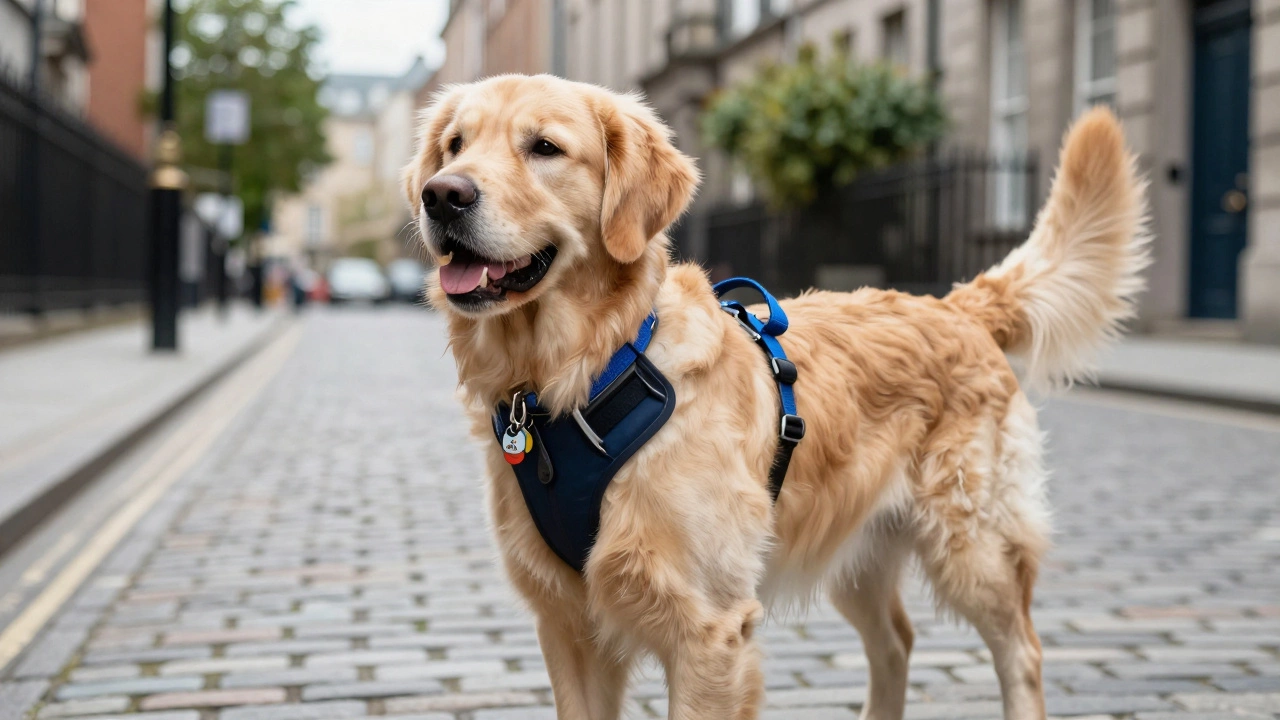
Walking down the street in Dublin, you might spot a curious sight: a golden retriever wearing both a sturdy nylon collar and a padded chest harness. It looks like too much gear, doesn't it? You might wonder if this is redundant or even dangerous for your pup. The short answer is yes, dogs can-and often should-wear both at the same time. In fact, combining these two pieces of equipment creates a safer, more controlled walking experience than using either one alone.
However, simply clipping two leashes to your dog isn’t enough. There are specific ways to attach them, types of harnesses that work better with collars, and safety risks you need to watch out for. If you get it wrong, you could cause injury or confuse your dog. Let’s break down why this combination works, how to do it safely, and when you might want to skip the double setup.
The Quick Takeaways
- Safety First: A collar provides ID tags; a harness protects the neck from strain. Using both covers all bases.
- Attachment Method: Never clip two leashes to two different points simultaneously unless you are trained in advanced handling. Use a single leash attached to the harness for walking, keeping the collar on for identification.
- Risk Awareness: Double attachment can lead to tangling or choking if not managed correctly. Choose gear designed for dual use.
- Training Benefit: This combo helps transition pullers to loose-leash walking without relying solely on choke or prong collars.
Why Combine a Collar and a Harness?
To understand why you’d use both, we first need to look at what each piece of gear actually does. They serve completely different purposes, and neither fully replaces the other.
A Dog Collar is primarily an identification tool. It holds your dog’s name, your phone number, and vaccination records. Legally, in many places including Ireland and the UK, microchipping is mandatory, but having visible ID is still crucial if your dog gets lost. Beyond ID, some owners use martingale collars or slip leads for control, but standard flat collars offer little help when a strong dog decides to bolt toward a squirrel.
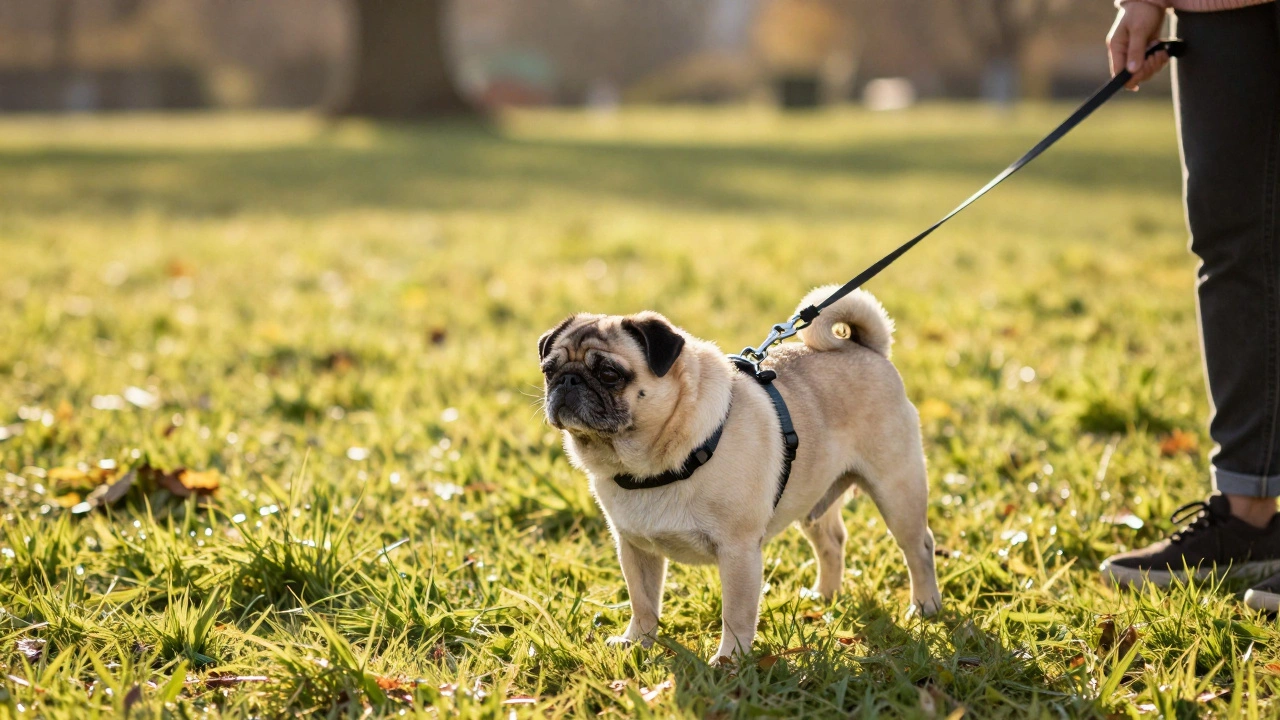
On the other hand, a Dog Harness is a control and comfort device. By distributing pressure across the chest and shoulders rather than the delicate trachea, it prevents neck injuries. For small breeds like Cavalier King Charles Spaniels or brachycephalic breeds like Pugs, a harness is essential because their airways are sensitive. Pulling on a collar can damage their windpipe permanently.
So, why not just use the harness? Because if the harness buckle fails, or your dog slips out of it (which happens frequently with slender dogs like Greyhounds), you have no backup ID. If the collar is all you have, you risk injuring your dog’s neck during sudden stops. Wearing both ensures that if one fails, the other keeps your dog safe and identifiable.
The Hidden Dangers of Double Attachment
Here is where most people make a mistake. Seeing a dog with both a collar and a harness, many owners clip one leash to the collar ring and another leash to the harness handle. This is called "double leashing." While it sounds secure, it introduces significant risks.
First, there is the danger of tangling. If your dog spins around-which they often do when excited-the two leashes can wrap around each other and around your legs. This can trip you, causing falls, especially on uneven terrain like the rocky paths in Killiney Hill Park.
Second, and more critically, is the issue of conflicting pressure. If the leash on the collar pulls tight while the harness leash is loose, you create a pinch point on the neck. Conversely, if the harness restricts movement but the collar allows a jerk forward, you can twist the spine. This inconsistent feedback confuses the dog and can lead to musculoskeletal issues over time.
Veterinarians and certified trainers generally advise against attaching two separate leashes unless you are using a specialized system designed for it. The goal is redundancy, not complexity.
How to Safely Wear Both Gear
If you want the benefits of both, follow this simple protocol:
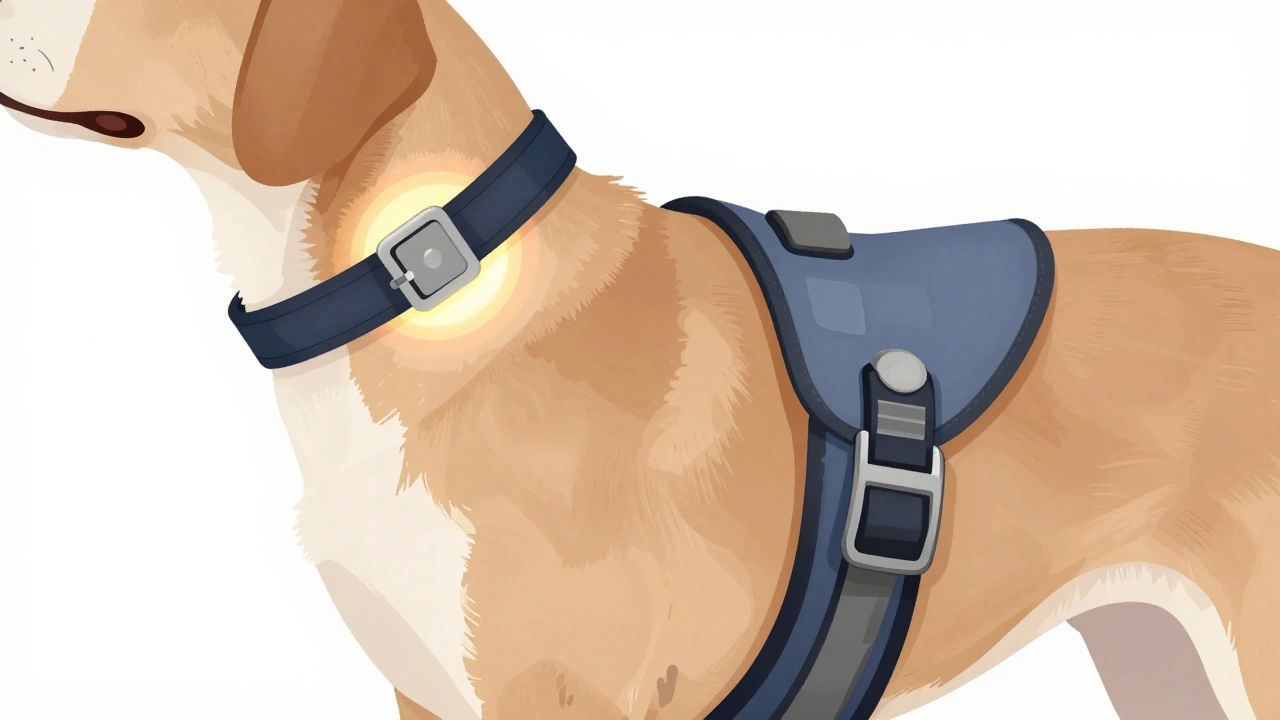
- Fit the Collar Correctly: Ensure you can fit two fingers between the collar and your dog’s neck. It should be snug enough not to slip off over the ears but loose enough to breathe comfortably. Place ID tags on this collar.
- Fit the Harness Properly: Adjust the straps so the harness sits high on the chest, not sliding down to the belly. A front-clip harness is often best for pullers, as it turns the dog toward you when they lunge.
- Attach Only One Leash: Clip your walking leash to the harness’s D-ring (either front or back, depending on your training goals). Leave the collar unclipped.
- Use a Backup Clip (Optional): Some advanced handlers use a lightweight bungee cord or a secondary short tether connecting the collar ring to the harness handle. This prevents the collar from swinging wildly but doesn’t add pulling force. This requires practice.
This method gives you the security of ID tags and the physical control of the harness, without the mechanical hazards of double leashing.
| Setup | Pros | Cons | Best For |
|---|---|---|---|
| Collar Only | Lightweight, traditional feel | Neck strain, risk of escape | Calm, well-trained dogs |
| Harness Only | No neck pressure, good control | Buckles can fail, no ID if lost | Small breeds, seniors, pullers |
| Both (Single Leash) | Max safety, ID + Control | More bulk, higher cost | Most dogs, urban environments |
| Both (Double Leash) | High control for pros | Tangling, choking risk, confusion | Advanced training only |
Choosing the Right Harness Type
Not all harnesses work well with collars. The shape and attachment points matter significantly.
Y-Shape Harnesses: These are ideal. They leave the shoulders free and don’t rub against the inner legs. When paired with a collar, they allow natural movement. Look for brands like Ruffwear or Freedom No-Pull Harnesses.
Vest-Style Harnesses: These cover the entire torso. They are great for dogs who try to back out of harnesses. However, they can be hot in summer. If you wear a vest-style harness, ensure the collar is thin so it doesn’t bunch up under the vest material.
H-Back Harnesses: These are common but can rub against the armpits if the fit isn’t perfect. If you choose this style, check your dog’s skin daily for redness, especially where the collar meets the shoulder strap.
Avoid any harness that has a rear-only clip if your dog pulls heavily. Front-clip designs redirect momentum away from the owner, making the combination with a collar much more effective for training.
Special Cases: Puppies and Senior Dogs
Puppies are growing rapidly. A collar that fits today will be tight in three weeks. For puppies, I recommend starting with a harness immediately to prevent bad habits like pulling. Keep the collar on for ID, but don’t rely on it for control. As they grow, adjust both gears weekly.
Senior dogs often have arthritis or hip dysplasia. A harness supports their weight better than a collar, reducing stress on the neck and spine. For older dogs, a soft-padded harness combined with a lightweight nylon collar is the gold standard for comfort and safety.
Common Mistakes to Avoid
- Over-tightening: Don’t crank the harness straps so tight that your dog can’t take a full step. You should be able to slide a hand underneath comfortably.
- Ignoring Material Quality: Cheap plastic buckles snap. Invest in metal hardware or reinforced plastic. Your dog’s safety depends on the strength of the weakest link.
- Forgetting the Collar: Many people put the harness on and forget the collar entirely. Always double-check that the ID tags are present before leaving the house.
- Using Choke Chains: Never combine a choke chain or prong collar with a harness. This sends mixed signals and causes pain. Stick to flat martingales or standard collars.
Final Thoughts on Gear Redundancy
Wearing both a collar and a harness is not about fashion; it’s about risk management. Dogs are unpredictable. Buckles break. Straps fray. Accidents happen. By using both, you create a safety net that protects your dog’s health and ensures they can always be identified.
Just remember: keep it simple. One leash, attached to the harness. Collar on for ID. Check the fit regularly. And always supervise your dog when they are wearing new gear until you trust its reliability. Your dog will thank you with comfortable walks, and you’ll sleep better knowing they’re safe.
Is it cruel to put a harness on a dog?
No, it is not cruel. In fact, for many breeds, a harness is kinder than a collar because it prevents tracheal damage. Cruelty comes from improper fit or abuse, not the gear itself. A well-fitted harness distributes pressure evenly and allows natural movement.
Can I clip two leashes to my dog?
Generally, no. Clipping two leashes to different points (collar and harness) creates tangling risks and inconsistent pressure that can injure the neck or spine. Use one leash attached to the harness for walking, and keep the collar for ID only.
Which is better for a pulling dog: collar or harness?
A front-clip harness is better for controlling pulling behavior. It redirects the dog’s momentum toward you when they lunge, making it harder for them to power forward. A collar offers less control and risks neck injury if the dog pulls hard.
Do I need a collar if my dog is microchipped?
Yes. Microchips require a scanner to read, which not everyone has. Visible ID tags on a collar allow anyone who finds your dog to contact you immediately. It is the fastest way to reunite with a lost pet.
How tight should a dog harness be?
You should be able to fit two fingers comfortably under the straps. It should not ride up over the shoulders or slide down to the belly. Check the fit regularly, especially for growing puppies or dogs gaining/losing weight.
Can small dogs wear both a collar and harness?
Absolutely. Small dogs are particularly prone to slipping out of collars and suffering tracheal collapse. A harness provides necessary support, while the collar ensures ID is available if the harness fails. Just ensure the gear is lightweight.