

Puppy Sleep & Potty Schedule Planner
Input Details
Biological Limits
Your Nightly Timeline
It is 2:00 AM. Your brand-new 8-week-old puppy is whining in their crate. You are exhausted, questioning your life choices, and wondering if you made a huge mistake bringing this tiny bundle of energy home. The first question that pops into your head is usually the same one everyone asks: Can they actually sleep through the night?
The short answer is no. Not really. An eight-week-old puppy has the bladder capacity of a thimble and the awareness level of a newborn human. Expecting them to sleep from 10 PM to 7 AM without waking up is setting yourself up for frustration and failure. However, expecting them to be awake and playing until dawn is also wrong.
So, what is the reality? With the right setup, patience, and a bit of science, you can get your puppy to settle down for long stretches of sleep. Let’s break down exactly what is happening inside that small body and how you can help them (and yourself) get some rest.
The Biology of a Tiny Bladder
To understand why your puppy wakes you up, you have to look at the plumbing. There is a simple rule of thumb in veterinary medicine regarding puppy bladder control. A puppy can generally hold their bladder for one hour for every month of age, plus one extra hour. For an eight-week-old puppy, that is two months. So, 2 + 1 = 3 hours.
This means your puppy physically cannot hold it for more than three hours. If they go to bed at 10 PM, they will likely need to go out by 1 AM. If they drink water at dinner, that clock starts ticking even faster. This isn’t stubbornness; it is biology. When you understand this limit, you stop getting angry at the whining and start seeing it as a legitimate emergency signal.
| Puppy Age | Max Hold Time | Expected Wake-ups |
|---|---|---|
| 6 Weeks | 2 Hours | Every 2-3 hours |
| 8 Weeks | 3 Hours | Once or twice per night |
| 10 Weeks | 4 Hours | Once per night |
| 12 Weeks | 5 Hours | Maybe once, often none |
Setting Up the Perfect Sleep Environment
Where your puppy sleeps matters just as much as when they sleep. Many new owners make the mistake of giving their puppy too much space. If you put an eight-week-old puppy in a large crate or a playpen, they will instinctively use one corner as a bathroom and the other as a bed. Dogs naturally avoid soiling where they sleep, but only if the area is confined enough.
You want a crate that is just big enough for them to stand up, turn around, and lie down. If you bought a larger crate to save money, divide it with a cardboard box or a baby gate. As they grow, you move the divider back. This confinement triggers their natural cleanliness instincts.
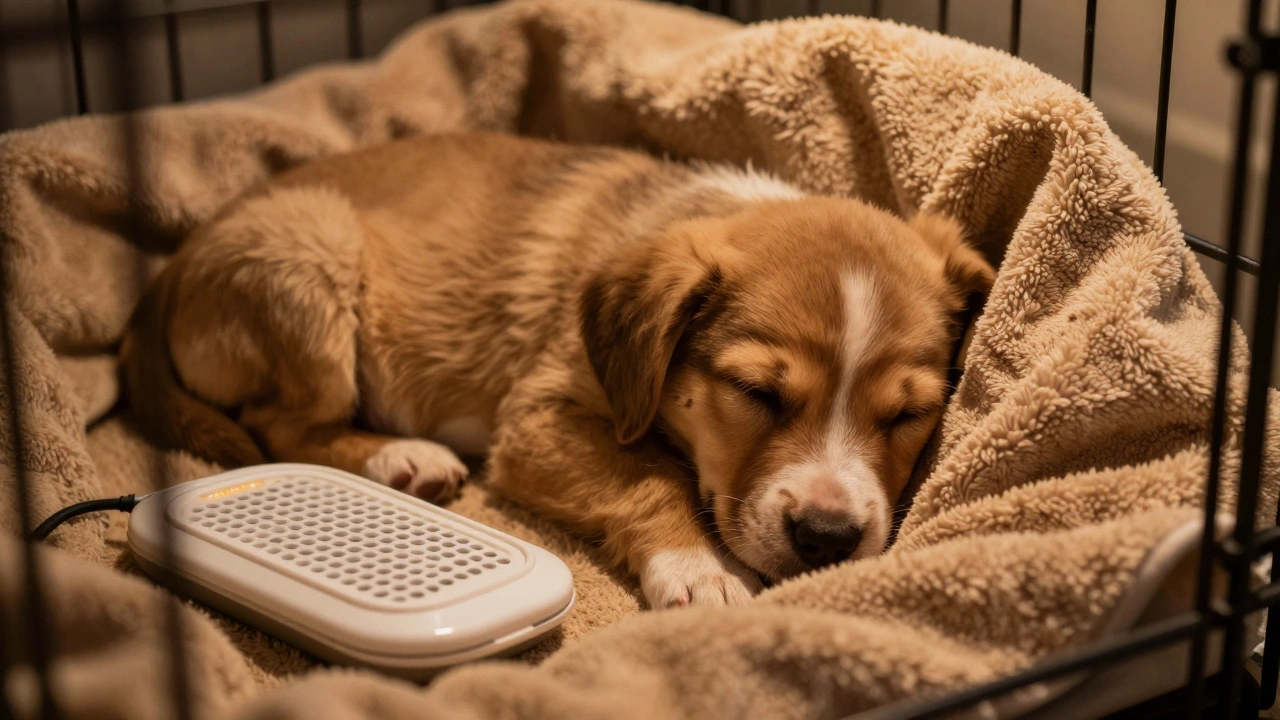
Comfort is also key. Add a soft blanket that smells like the mother or littermates if possible. This scent provides security. If you don’t have that, a piece of clothing you wore recently works well because it carries your scent. Avoid electric heating pads unless recommended by a vet, as puppies can chew wires or overheat. Instead, consider a microwavable heat disc wrapped in a towel, which mimics the warmth of the litter.
The Pre-Bed Routine That Works
Sleep doesn’t happen by accident; it happens by design. You need a consistent pre-bed routine that signals to your puppy’s brain that the day is over. This routine should start about an hour before you want them to sleep.
- Final Potty Break: Take them out 15 minutes before bedtime. Keep it boring. No toys, no play. Just business. Use a specific cue word like “go potty” and praise them calmly when they finish.
- Dim the Lights: Lower the lights in your home. This helps trigger melatonin production, not just for you but for your puppy too.
- Quiet Time: Spend five minutes doing something calm, like gentle petting or brushing. Avoid high-energy games like tug-of-war or fetch within two hours of bedtime.
- Crate Placement: Place the crate in your bedroom. Yes, in your room. For the first few weeks, hearing your breathing and movements comforts the puppy. It reduces anxiety and makes it easier for you to hear if they truly need to go out versus just wanting attention.
Managing Water Intake
Water is essential, but timing is everything. You should remove the water bowl about two hours before bedtime. This gives the puppy time to process the fluid and empty their bladder during that final pre-bed potty break. Do not deprive them of water during the day; ensure they have plenty of access between morning and early evening.
If your puppy drinks heavily after exercise, give them a chance to pee again before the final water cutoff. Overheating from play can also increase thirst, so keep late-afternoon activities moderate rather than intense.
Handling the Nighttime Whines
Here is the tricky part. How do you respond when they whine? If you rush to let them out every time they make a sound, you teach them that whining equals freedom. But if you ignore them completely, they might soil the crate. You need a middle ground.
Wait. Give them a minute. Sometimes puppies whimper in their sleep or adjust their position. If the whining continues after 60 seconds, assume they need to go. Get up quietly. Turn on minimal light. No talking, no eye contact, no affection. Walk them directly to the potty spot. Wait for them to go. If they don’t go within five minutes, bring them back to the crate. They may just be bored or seeking comfort.
When they return to the crate, ignore them completely until morning. If you engage with them, you’ve turned a bathroom break into a play session. Keep the interaction sterile and functional. This teaches them that nighttime is for sleeping, not socializing.
Daytime Exhaustion Leads to Nighttime Sleep
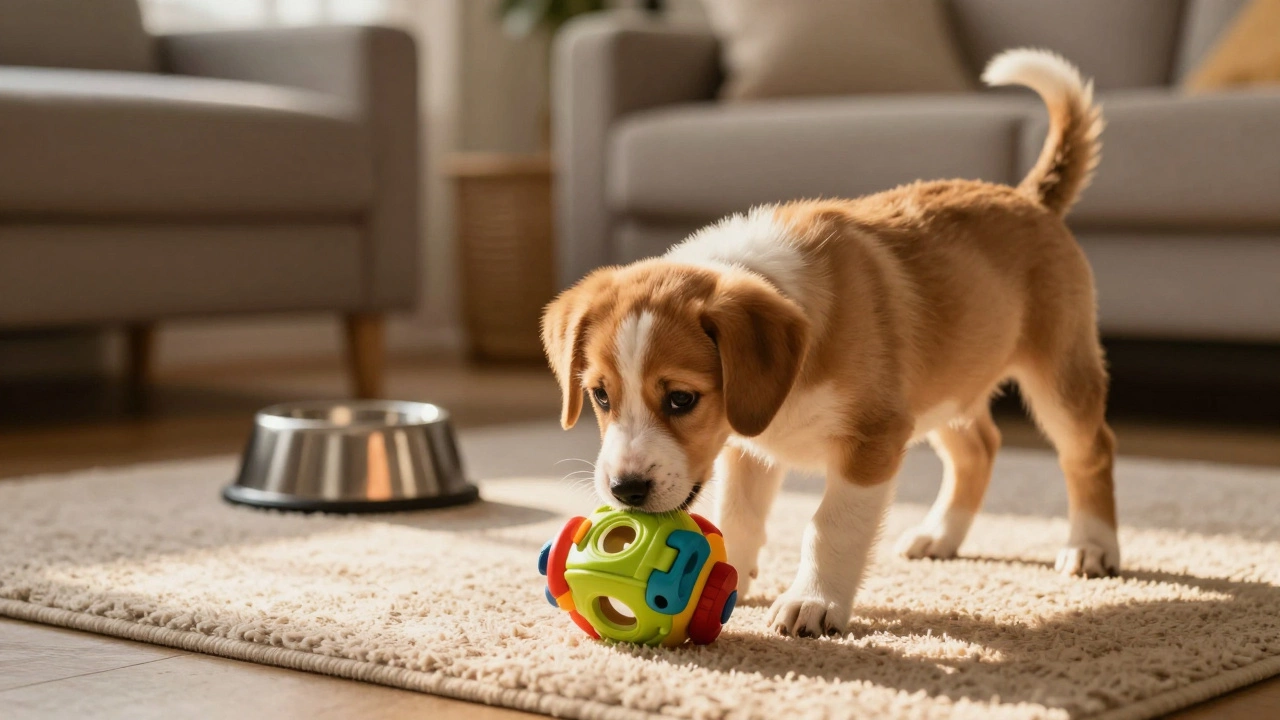
A tired puppy is a good sleeper. If your puppy is napping all day, they won’t be ready to sleep at night. Puppies need structure. Aim for 30 minutes of activity followed by 2 hours of rest. This includes mental stimulation like sniffing games or puzzle toys, not just physical running.
During the day, enforce nap times. If they get fussy or mouthy, put them in the crate for a scheduled nap. Consistent daytime sleep prevents overtiredness, which leads to hyperactivity and crying at night. Think of it like managing a toddler: a well-rested child sleeps better at night.
When to Worry
Most nighttime issues are behavioral or physiological normalcy. However, watch for signs of distress. If your puppy is panting excessively, pacing frantically, or showing signs of pain when urinating, consult your veterinarian. Urinary tract infections are common in young puppies and can cause frequent, urgent needs to pee that aren’t related to bladder capacity.
Also, monitor their weight and appetite. A puppy that is not eating properly may be stressed or ill. If the whining persists despite a consistent routine and proper potty breaks, a vet check is wise to rule out medical causes.
The Timeline for Improvement
Progress is gradual. By week 10, you might see longer stretches of sleep. By week 12, many puppies can sleep 6-7 hours straight. By four months, most can sleep through the night entirely. Remember, every puppy is different. Some breeds, like Huskies or Terriers, may take longer due to higher energy levels. Others, like Bulldogs, may settle in quickly.
Patience is your greatest tool. This phase is temporary. The sleepless nights will end, replaced by lazy mornings and cuddles. Stick to the routine, trust the biology, and know that you are building healthy habits that will last a lifetime.
How long can an 8-week-old puppy hold their pee?
An 8-week-old puppy can typically hold their urine for about 3 hours. This is based on the general rule of adding one hour to the number of months of age. Therefore, expect to wake up once or twice a night for potty breaks.
Should I let my puppy cry in the crate at night?
You should wait about 60 seconds to see if the crying stops on its own. If it continues, take them out quietly for a potty break. Do not engage in play or conversation. Ignoring them completely can lead to accidents, while rushing immediately reinforces crying as a way to get attention.
Is it okay to put my puppy's crate in my bedroom?
Yes, it is highly recommended for the first few weeks. Having the crate in your bedroom allows you to hear subtle cues that they need to go out. It also provides comfort to the puppy, reducing separation anxiety and helping them feel secure while sleeping.
When should I stop taking my puppy out at night?
Most puppies can sleep through the night without potty breaks by 12 to 16 weeks of age. Once they consistently sleep for 6-7 hours without accidents, you can gradually extend the time between outings and eventually stop the nighttime breaks altogether.
What if my puppy still wakes up at 3 AM after a month?
If your puppy is older than 12 weeks and still waking up frequently, check for medical issues like urinary infections. Also, review their daytime routine. Are they getting enough exercise and mental stimulation? Overtiredness or lack of engagement during the day can disrupt nighttime sleep patterns.