
Cat Hydration & Diet Estimator
Compare how much moisture your cat gets from their food. Use the sliders to adjust the percentage of dry vs wet food in their daily diet.
Hydration Profile
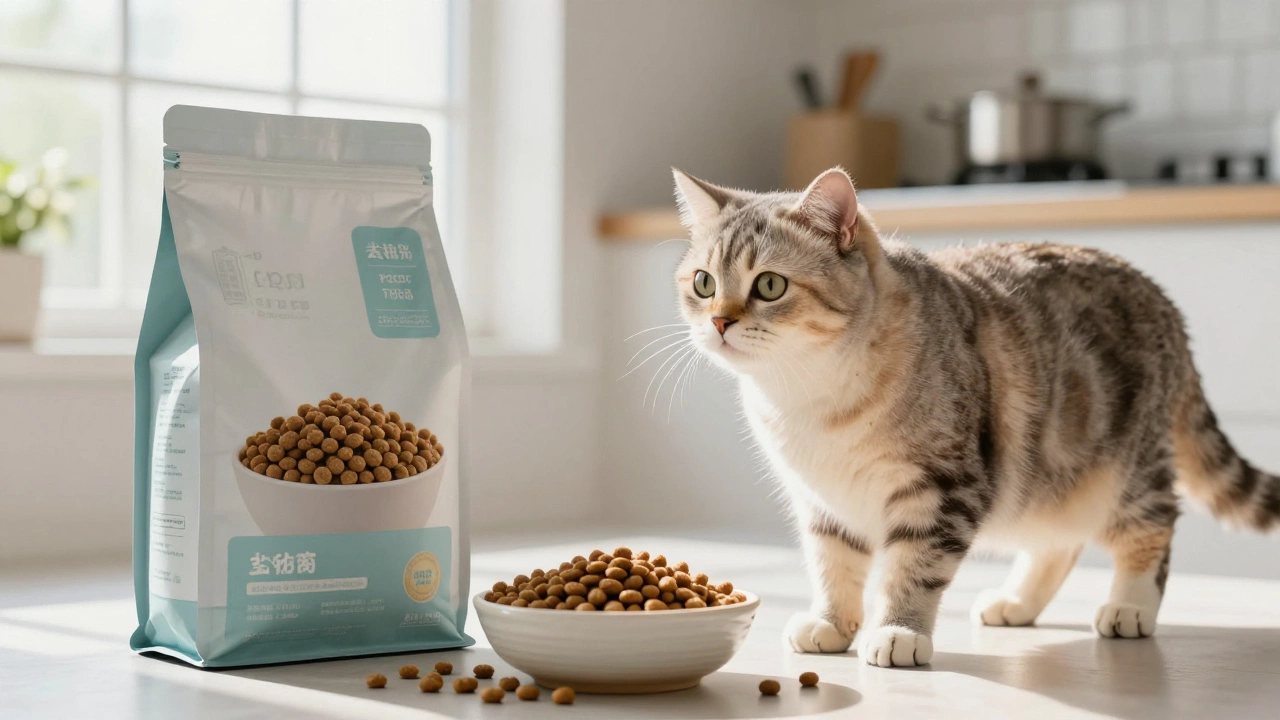
You’ve probably seen those giant bags of kibble at the store and thought, "Perfect, this is easy." It's convenient, it doesn't smell as strong as canned food, and your cat seems to love the crunch. But here is the tricky part: cats are biologically designed to get most of their water from their prey, not from a water bowl. When you switch a cat to a diet of 100% dry food, you are essentially asking them to change a million years of evolutionary instinct. While it is technically possible for a cat to survive on dry food, is it actually thriving?
Quick Takeaways for Cat Owners
- Dry food is convenient but lacks the critical moisture cats need.
- The biggest risk of a dry-only diet is chronic dehydration and kidney stress.
- Wet food mimics a cat's natural diet and supports urinary tract health.
- Adding water or using a fountain can help, but it doesn't replace wet food's benefits.
The Biology of a Thirsty Predator
To understand why this is a debate, we have to look at how cats work. Cats is a small carnivorous mammal known for its agility and predatory instincts. Unlike humans or dogs, cats have a low "thirst drive." In the wild, a cat gets about 70% to 80% of its hydration from the rodents and birds it eats. Their brains aren't wired to tell them "I'm thirsty" until they are already significantly dehydrated.
When you feed dry cat food, which typically contains only 7% to 10% water, you're creating a moisture deficit. Even if you have a sparkling clean bowl of water next to their dish, many cats simply won't drink enough to make up the difference. This puts a massive amount of pressure on their kidneys, which have to work overtime to concentrate urine and filter waste with very little liquid available.
The Hidden Dangers of a Dry-Only Diet
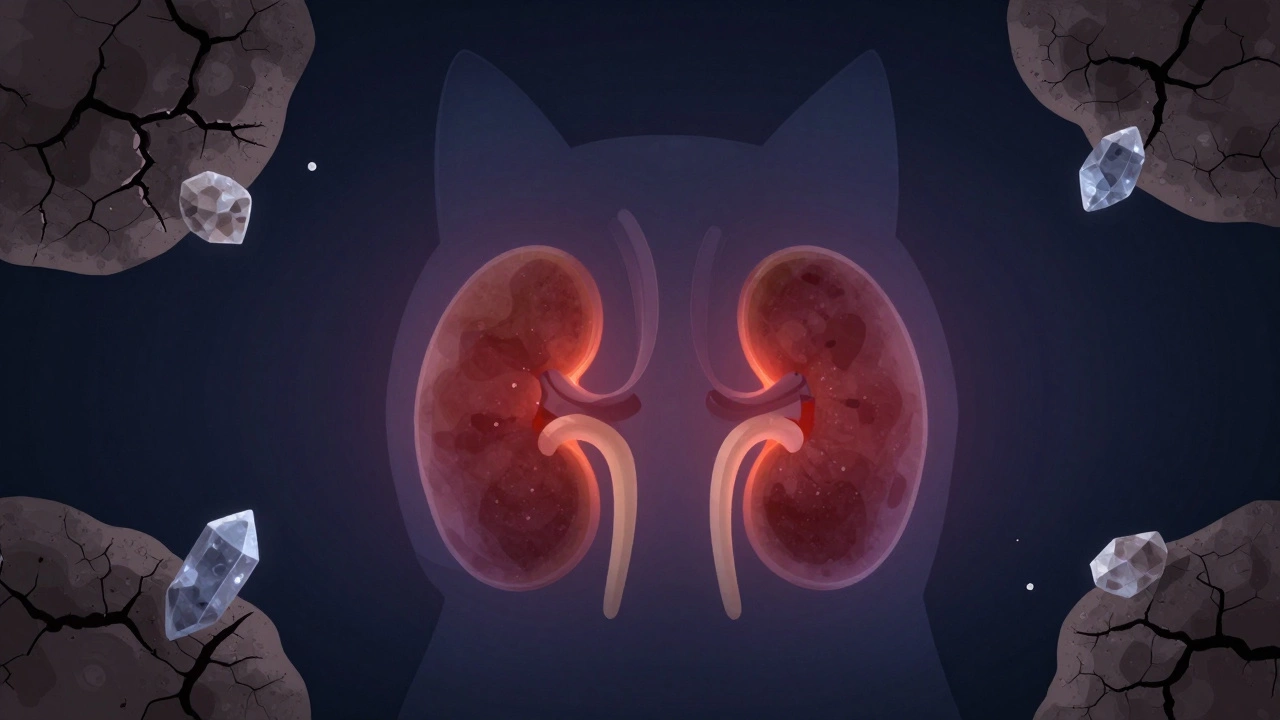
The most immediate concern with a kibble-only lifestyle is the development of Chronic Kidney Disease (CKD). This is a silent killer in older cats. Because the kidneys are constantly strained, they can begin to fail over time. If you notice your cat visiting the litter box more often but producing smaller amounts of urine, that's a red flag that their hydration levels are dangerously low.
Then there is the issue of the bladder. Feline Lower Urinary Tract Disease (FLUTD) is far more common in cats eating dry food. When urine is too concentrated, minerals can crystallize and form "stones." For male cats, this is a life-threatening emergency; if a crystal blocks the urethra, they cannot urinate, which leads to bladder rupture or kidney failure within hours.
We also have to talk about blood sugar. Many dry foods rely heavily on carbohydrates to keep the kibble shaped and crunchy. However, cats are obligate carnivores, meaning they need protein, not starch. High levels of carbs in dry food can lead to feline diabetes and obesity, especially in indoor cats who don't burn off those extra calories by hunting.
Comparing Dry and Wet Food
| Feature | Dry Kibble | Wet/Canned Food |
|---|---|---|
| Water Content | ~10% | ~75-85% |
| Primary Benefit | Convenience, dental abrasion | Hydration, kidney support |
| Caloric Density | High (Easy to overfeed) | Lower (Helps weight control) |
| Main Risk | Urinary crystals & obesity | Higher cost, shorter shelf life |
Is There Such a Thing as "Safe" Dry Feeding?
If you absolutely cannot do wet food-maybe because of your schedule or your cat's stubborn preferences-you can mitigate the risks. But you can't just leave a bowl of water and hope for the best. You need to actively encourage drinking.
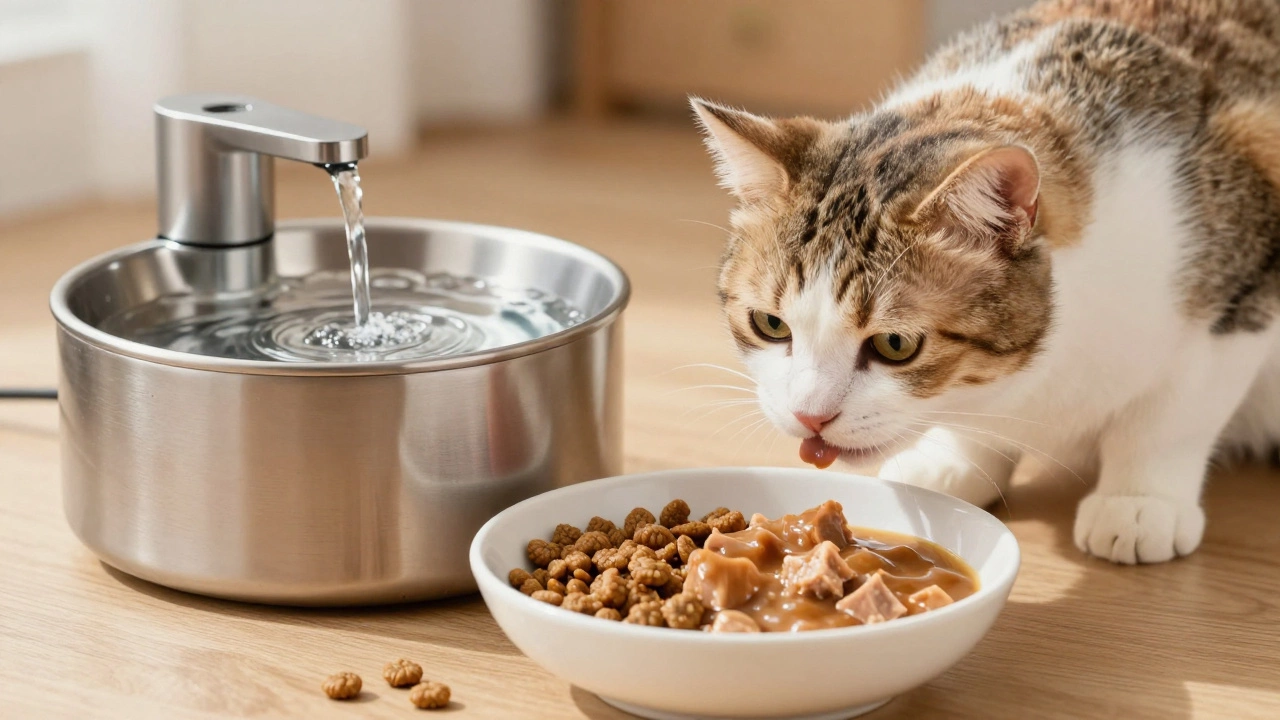
One of the most effective tools is a cat water fountain. Cats are attracted to running water because, in nature, still water is more likely to be contaminated. A fountain keeps the water oxygenated and moving, which can trick a cat into drinking significantly more than they would from a ceramic bowl.
Another pro tip is "watering down" the kibble. Try adding a tablespoon of warm water or low-sodium chicken broth to their food. This turns the dry pellets into a sort of porridge. It increases the moisture intake without requiring a total diet overhaul. Just be careful with broth; make sure it doesn't contain onions or garlic, as those are toxic to cats.
The Dental Myth: Does Kibble Really Clean Teeth?
You'll often hear that dry food is better for teeth because the crunching scrapes away tartar. In reality, this is largely a myth. Most kibble shatters instantly upon impact or is swallowed without much chewing. To actually remove plaque, you need a mechanical scrubbing action, which is why vet-approved dental treats or actual brushing are the only real solutions.
If dental health is your main reason for choosing dry cat food, you might be doing more harm than good. The high carb content in many dry brands can actually feed the bacteria that cause plaque to form in the first place. It's a trade-off that rarely favors the cat's long-term health.
Moving Toward a Mixed Feeding Strategy
The best approach for most cats is a "mixed diet." This means providing wet food at least once or twice a day and using dry food in small, measured amounts for grazing. This gives you the convenience of kibble while ensuring your cat gets the hydration needed to keep their kidneys healthy.
If your cat hates wet food, don't force it overnight. Start by mixing a tiny amount of wet food into their dry kibble. Gradually increase the ratio over two weeks. Their taste buds will adapt, and your vet will thank you when those yearly blood tests show healthy kidney markers.
Can a cat survive on only dry food?
Yes, a cat can survive on dry food if it is a "complete and balanced" commercial diet. However, survival isn't the same as health. Without added moisture, cats are at a much higher risk for kidney failure and urinary crystals, as they cannot naturally drink enough water to compensate for the lack of moisture in kibble.
How do I know if my cat is dehydrated on a dry diet?
A simple test is the "skin tent" check. Gently pinch the skin between your cat's shoulder blades and let go. If the skin snaps back immediately, they are likely hydrated. If it sinks back slowly or stays in a tent shape, they are dehydrated and need immediate attention and a diet change.
Will adding water to dry food make it spoil?
Yes, once you add water to kibble, it becomes a breeding ground for bacteria. Do not leave moistened dry food out for more than 30 to 60 minutes. If your cat doesn't eat it immediately, throw the leftovers away to avoid food poisoning.
Which is better for weight loss: wet or dry food?
Wet food is generally much better for weight loss. It has a higher water content and typically fewer carbohydrates than dry food. This allows the cat to feel full (satiety) while consuming fewer calories, making it easier to manage obesity without starving the animal.
Do all wet foods provide the same benefits?
Not all. Look for "complete and balanced" on the label. Some wet foods are intended only as "treats" or "toppers" and lack essential nutrients like taurine. If you are replacing dry food with wet, ensure the canned option is formulated for daily feeding.
Next Steps and Troubleshooting
If you've been feeding only dry food for years, don't panic and switch everything tomorrow. A sudden change in diet can cause stomach upset or diarrhea. Start by introducing a small amount of wet food once a day.
For cats with existing kidney issues, talk to your vet about a "renal diet." These are specialized foods that limit phosphorus and protein to reduce the workload on the kidneys. In these cases, wet food isn't just a suggestion-it's often a medical necessity.
If your cat refuses all wet food, try different textures. Some cats hate pâté but love shreds or chunks in gravy. Experimenting with temperature-warming the food slightly in the microwave-can also release aromas that entice a picky eater.