

Dog Egg Portion Calculator
Recommended Serving
Preparation Safety Check
Check off these steps before serving:
You’re making breakfast on a lazy Sunday morning. The smell of buttery, fluffy scrambled eggs fills the kitchen. Your dog is sitting right there, staring at you with those big, pleading eyes. You wonder: can I share this? Is it safe?
The short answer is yes. Dogs can eat scrambled eggs. In fact, they are one of the safest and most nutritious human foods you can toss into their bowl. But before you dump your entire plate onto the floor, there are some rules. How you cook them matters just as much as what they are.
Why Eggs Are a Superfood for Dogs
Let’s look at the numbers. A single large chicken egg contains about 6 grams of protein and 5 grams of fat. For a dog, this is excellent fuel. Unlike many human snacks that are empty calories or loaded with sugar, eggs pack a nutritional punch.
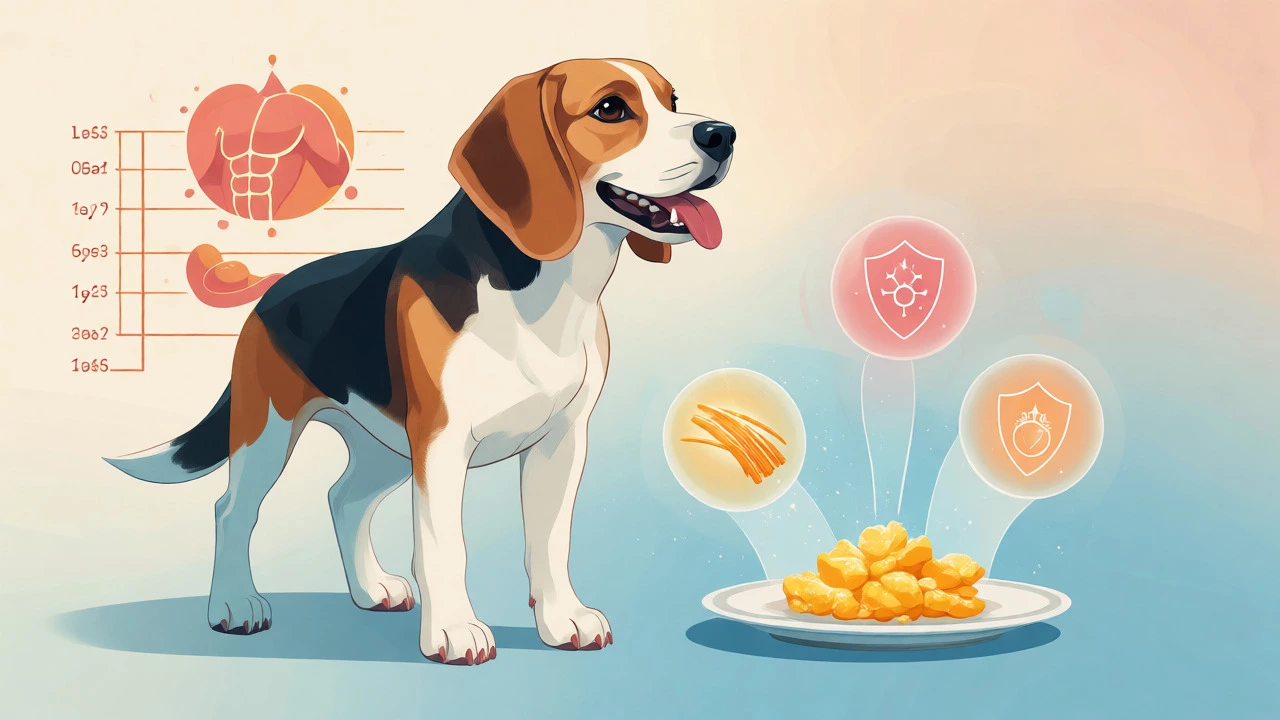
Dogs need protein to build muscle and repair tissue. Eggs provide all ten essential amino acids that dogs cannot produce on their own. They also contain vitamins like B12, riboflavin, and selenium. These nutrients support everything from coat health to immune function.
If your dog has a sensitive stomach, plain scrambled eggs are often easier to digest than dry kibble. Vets frequently recommend boiled or scrambled eggs when a dog has an upset tummy because they are bland yet nutrient-dense.
The Danger Zone: Butter, Oil, and Seasonings
Here is where things get tricky. You probably don’t eat your eggs plain. You might use butter, olive oil, salt, pepper, or even onions and garlic. None of these are good for your dog in significant amounts.
- Butter and Oil: High-fat content can trigger pancreatitis, a painful inflammation of the pancreas. If your dog eats too much fat, they could end up vomiting or dealing with diarrhea for days.
- Salt: While a tiny pinch won’t kill a healthy dog, regular consumption adds unnecessary sodium load to their kidneys.
- Onions and Garlic: This is a hard no. Both belong to the Allium family, which is toxic to dogs. Even small amounts over time can damage red blood cells, leading to anemia.
- Spices: Black pepper isn’t toxic, but it can irritate a dog’s digestive tract. Skip it.
If you want to give your dog scrambled eggs, cook them in a non-stick pan with water or a tiny spray of cooking oil. No butter. No salt. No garlic powder. Keep it boring. Boring is safe.
Raw vs. Cooked: What’s Better?
You might have heard that raw eggs are good for a shiny coat. There is some truth to this, but there are risks. Raw eggs carry a risk of Salmonella bacteria. While dogs have stronger stomach acid than humans, they can still get sick. More importantly, raw egg whites contain avidin, an enzyme that blocks biotin absorption. Biotin is crucial for skin and coat health. Cooking the egg denatures the avidin, making it harmless.
Cooked eggs eliminate the bacterial risk and improve protein digestibility. Studies suggest that cooked eggs have a higher biological value for dogs than raw ones. So, stick to cooked. It’s safer and more efficient for their digestion.

How Much Can Your Dog Eat?
Treats should never make up more than 10% of your dog’s daily calorie intake. An egg is roughly 70-80 calories. That doesn’t sound like much, but for a small Chihuahua, it’s half their daily allowance. For a Great Dane, it’s a snack.
| Dog Size | Weight Range | Max Eggs Per Day | Frequency |
|---|---|---|---|
| Toy / Small | < 20 lbs (9 kg) | 1/4 to 1/2 egg | 2-3 times per week |
| Medium | 20 - 50 lbs (9 - 23 kg) | 1 egg | 3-4 times per week |
| Large | 50 - 90 lbs (23 - 41 kg) | 1-2 eggs | Daily or every other day |
| Giant | > 90 lbs (41 kg) | 2-3 eggs | Daily |
Watch for weight gain. Eggs are calorie-dense. If you start adding eggs to their diet, reduce their kibble portion slightly to balance the calories.
Are Puppies Allowed Scrambled Eggs?
Puppies can eat scrambled eggs, but wait until they are fully weaned and eating solid food, usually around 8 weeks old. Their digestive systems are still developing. Start with a very small amount-maybe a teaspoon-to see how they handle it. If they have loose stools, back off. Once they tolerate it well, eggs are a great growth booster due to the high protein content.
Signs Your Dog Might Be Allergic
Egg allergies are not uncommon in dogs. If you introduce eggs and notice itching, ear infections, paw licking, or gastrointestinal upset within 24 hours, stop feeding them immediately. True allergies require veterinary diagnosis. Do not guess; if symptoms persist, consult your vet.
Preparation Checklist for Safe Serving
- Crack and Whisk: Ensure no shell fragments remain. Sharp shell edges can scratch the throat or intestines.
- Use Low Heat: Cook slowly in a non-stick pan. Add a splash of water if needed to keep them moist without adding fat.
- No Add-ins: Resist the urge to add cheese, bacon bits, or herbs. Plain is best.
- Cool Down: Let the eggs cool to room temperature. Hot food can burn a dog’s tongue and esophagus.
- Serve Immediately: Don’t leave cooked eggs out for hours. Bacteria grow quickly at room temperature.
Sharing your breakfast with your pup is a bonding moment. Just remember that while you enjoy the flavor, your dog enjoys the texture and the smell. They don’t care about the seasoning. By keeping it simple, you give them a healthy, delicious treat that supports their overall health.
Can dogs eat eggshells?
Yes, eggshells are an excellent source of calcium. However, they must be cleaned, dried, and ground into a fine powder. Large shards can cause internal injury. Do not feed whole shells.
Is scrambled egg bad for dogs with kidney disease?
It depends. Eggs are high in phosphorus and protein. Dogs with chronic kidney disease often need restricted protein and phosphorus levels. Consult your veterinarian before adding eggs to their diet if they have renal issues.
Can I feed my dog fried eggs instead of scrambled?
Fried eggs are okay if cooked in minimal oil and without salt or spices. However, frying usually involves more fat than scrambling. Pancreatitis-prone dogs should stick to boiled or lightly scrambled eggs prepared with water.
How many eggs are too many for a dog?
There is no strict limit, but moderation is key. Feeding more than 2-3 eggs daily to a medium-sized dog can lead to obesity or nutrient imbalances. Treat eggs as a supplement, not a staple meal replacement.
Do eggs help with dog diarrhea?
Plain, boiled, or scrambled eggs are often recommended during a bland diet for mild stomach upset. They are easy to digest. However, if diarrhea persists for more than 24 hours, see a vet.