
Dog Grooming & Coat Safety Checker
Step 1: Select Breed Type
Select the category that best matches your dog's breed.
Step 2: Current Season
Grooming Recommendation
Select a breed type and season to see if you should shave or trim.
Recommended Action:
Why?
Explanation goes here.
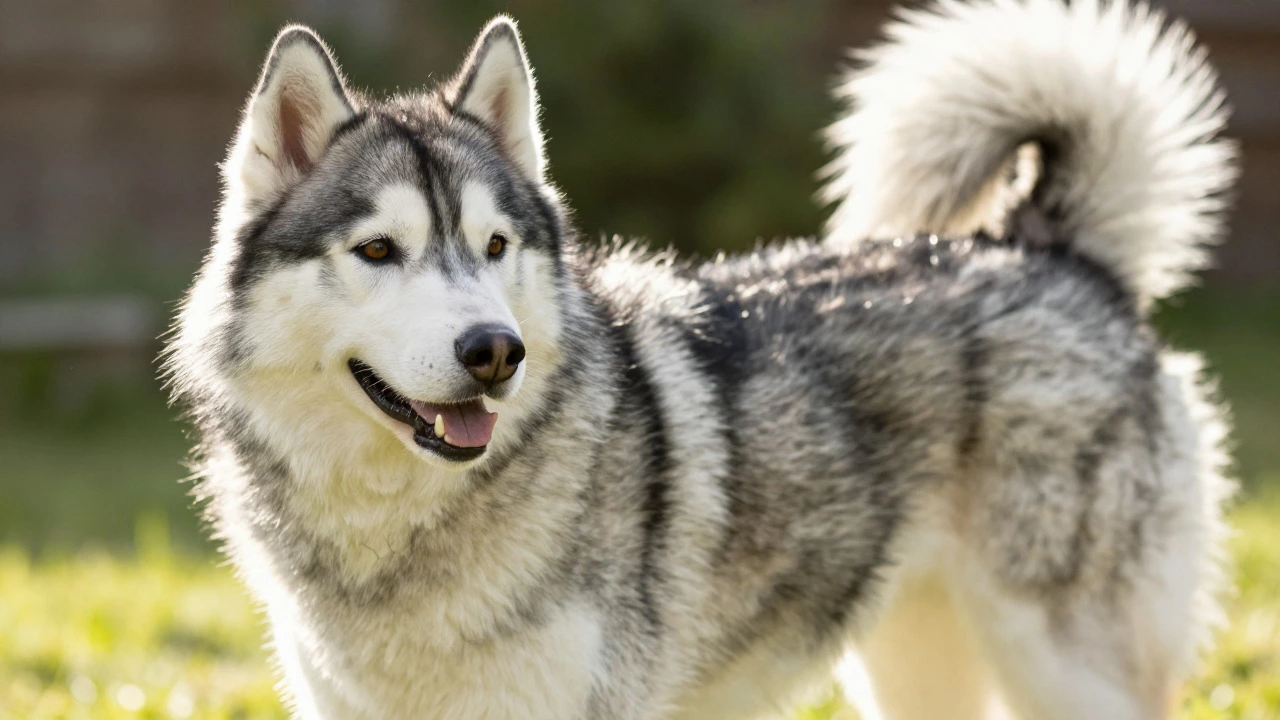
It’s a common scene at the local groomer: a husky owner asks for a "summer cut" because their dog is panting heavily in the heat. The groomer sighs, explains the science of the double coat, and gently declines the shave. But why do some dogs lose their natural protection when shaved, while others thrive with a trim? The answer lies in how your dog's coat actually works.
Not all fur is created equal. Some breeds are built for snow, others for water, and some for arid deserts. Cutting against nature can lead to permanent damage, skin cancer risks, and temperature regulation failures. Before you book that appointment, you need to know if your pup falls into the "do not shave" category.
The Science Behind the Double Coat
To understand which dogs shouldn't be cut, we first need to look at Double Coats, which consist of two distinct layers of hair. The top layer is the guard hair-stiff, coarse, and water-resistant. Beneath it lies the undercoat, a soft, dense layer of downy fur that acts as insulation.
This structure isn't just about looking fluffy; it’s a biological thermostat. In winter, the undercoat thickens to trap body heat. In summer, it sheds out to allow airflow and keep the dog cool. When you shave a double-coated dog, you disrupt this cycle. The guard hairs may grow back thin or patchy, failing to protect the skin from UV rays. Worse, the undercoat might stop shedding properly, leading to matting and overheating later on.
Breeds like the Siberian Husky, a sled dog bred for extreme cold, the Alaskan Malamute, and the large northern working dog rely entirely on this system. Shaving them is like removing the insulation from your house in July-it feels cooler for an hour, but the structural integrity is compromised.
Dogs That Should Never Be Shaved
If your dog belongs to one of these groups, avoid full shaves unless a veterinarian explicitly orders it for medical reasons (such as severe dermatitis or surgery prep). Instead, opt for de-shedding treatments and regular brushing.
- Northern Breeds: Siberian Huskies, Alaskan Malamutes, Samoyeds, and Chow Chows. These dogs have dense undercoats designed for sub-zero temperatures. Shaving them exposes their sensitive skin to sunburn and insect bites.
- Herding Groups: German Shepherds, Australian Shepherds, and Border Collies. While they shed heavily, their coats regulate temperature efficiently. A full shave can cause "coat blowback," where the new growth is uneven and lacks protective qualities.
- Retrievers: Golden Retrievers and Labrador Retrievers. Their waterproof outer layer protects against chafing and debris. Removing it makes them more prone to hot spots and skin infections.
- Scent Hounds: Bloodhounds and Basset Hounds. While not always double-coated in the same way, their loose skin and short hair make them susceptible to cuts and abrasions if shaved too close.
A common myth is that shaving helps these dogs stay cool. In reality, the air trapped between the guard hairs and the undercoat creates a buffer zone that keeps the skin cooler than direct exposure to the sun would. Think of it like wearing a white shirt in the desert versus going shirtless-the shirt reflects heat and prevents burns.
When Is Trimming Okay?
Saying "no haircut" doesn’t mean "no grooming." Many double-coated dogs benefit from strategic trimming, just not a full-body shave. Here’s what’s safe:
- Sanitary Trims: Keeping the area around the genitals and anus clean prevents fecal matter from sticking to the fur, reducing odor and infection risk.
- Paw Pad Trimming: Long fur between paw pads can cause slipping on smooth floors and collect ice balls in winter. Trimming this area improves traction and hygiene.
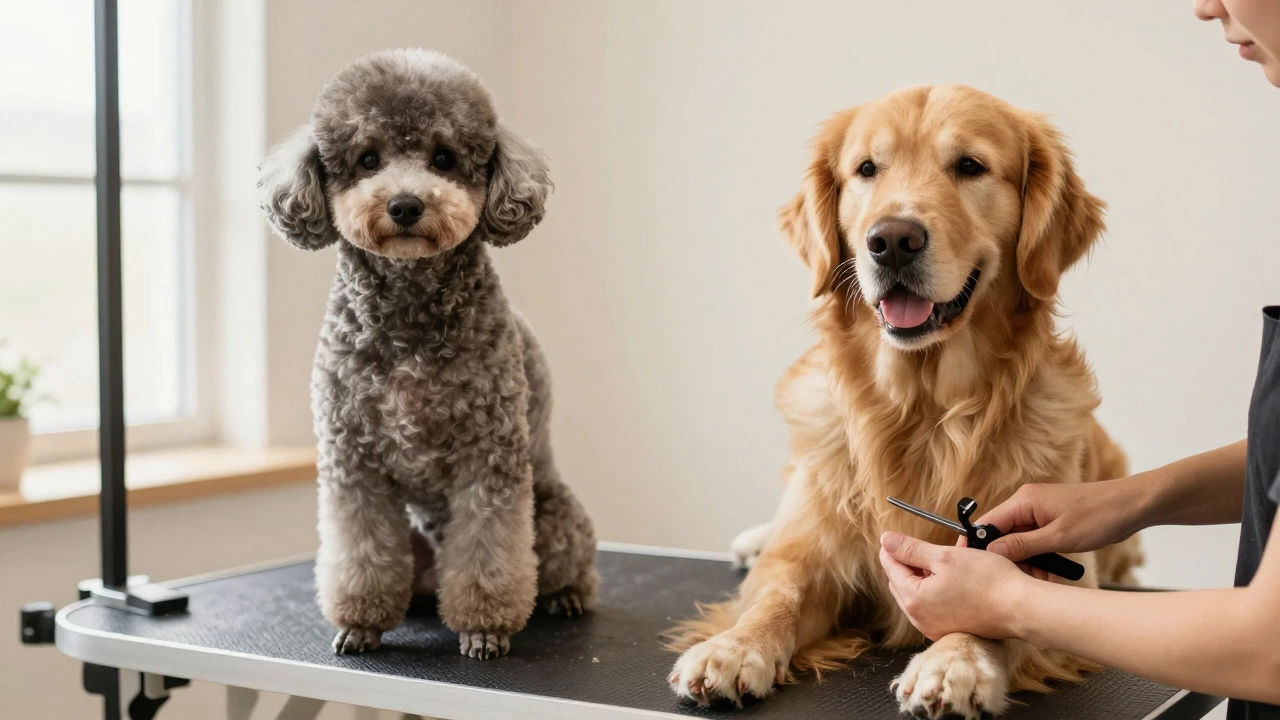
- Face and Ear Cleaning: For breeds like Poodles or Shih Tzus, keeping hair away from eyes and ears prevents irritation and allows you to check for mites or infections.
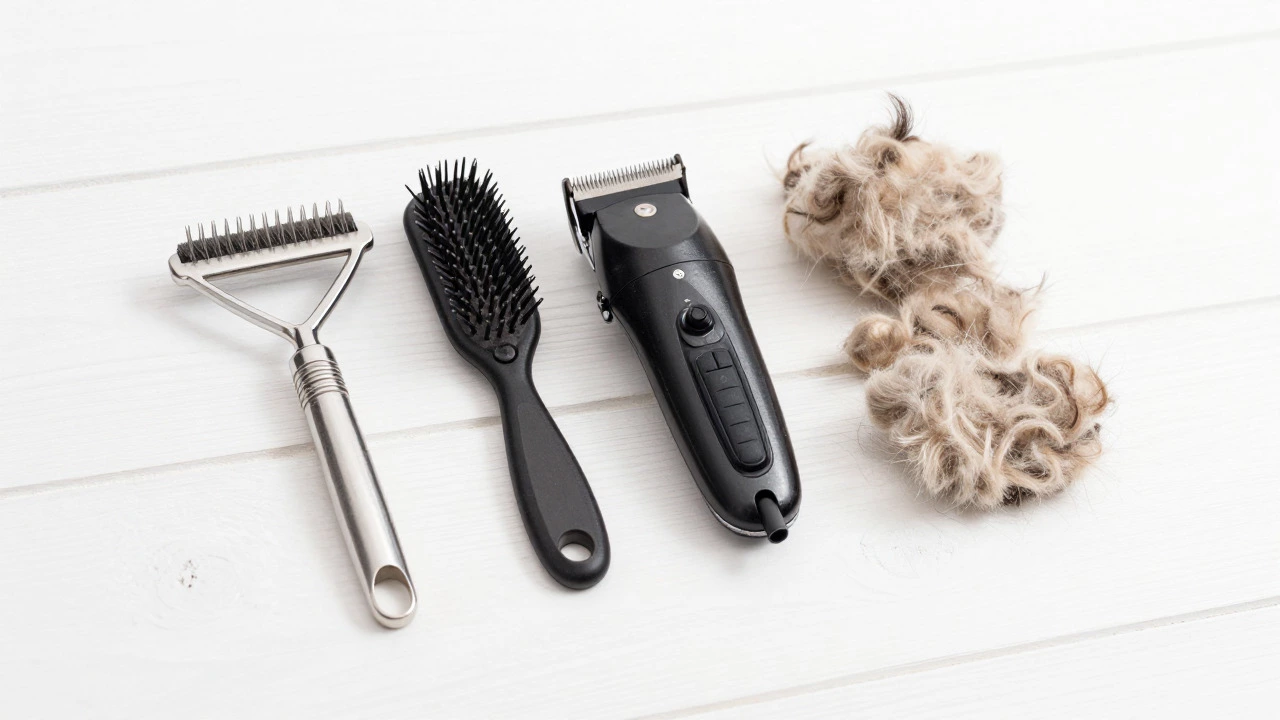
- De-shedding Tools: Using tools like the Furminator or an Undercoat Rake during shedding season removes loose undercoat without damaging the guard hairs. This maintains the coat’s integrity while reducing mess.
Professional groomers often use clippers with longer guards (size 5 or higher) to tidy up rather than remove length. This approach preserves the coat’s natural texture and function.
Dogs That Need Regular Haircuts
In contrast, single-coated breeds and those with continuously growing hair require regular clipping. Without it, their hair grows indefinitely, leading to mats, eye issues, and mobility problems.
| Coat Type | Examples | Grooming Frequency | Shaving Risk |
|---|---|---|---|
| Double Coat | Husky, German Shepherd | Brush 2-3x/week | High (permanent damage) |
| Single Coat / Non-Shedding | Poodle, Maltese, Shih Tzu | Clip every 4-6 weeks | Low (hair grows back normally) |
| Wire Coat | Terriers, Schnauzers | Hand-strip or clip monthly | Medium (softens coat if clipped) |
| Short Coat | Dalmatian, Boxer | Weekly brushing | None (rarely groomed) |
Breeds like the Poodle, known for its hypoallergenic curly coat, the Bichon Frisé, and the small companion dog with a powder-puff coat produce hair similar to human hair. It doesn’t shed naturally, so it must be cut. If left untrimmed, it tangles into painful mats that pull on the skin, causing anxiety and discomfort.
For wire-haired terriers, traditional hand-stripping is preferred over clipping. Clipping can soften the coat and change its color, making it less effective at protecting against rough terrain. However, for pet owners who don’t plan to show their dogs, regular clipping is acceptable and easier to maintain.
Signs Your Dog Needs Professional Help
Even if your dog doesn’t need a haircut, they still need professional attention. Watch for these signs:
- Matting: If you can’t see the skin through the fur, mats have likely formed. Mats tighten as they dry, pulling on the skin and restricting blood flow. This requires careful cutting, often down to the skin.
- Overgrown Nails: Long nails alter your dog’s posture, leading to joint pain and arthritis over time. They should click lightly on hard floors.
- Ear Hair Growth: Excessive hair in the ear canal traps moisture and wax, creating a breeding ground for yeast infections. Plucking or trimming this hair is essential for hygiene.
- Skin Irritation: Redness, bumps, or excessive scratching may indicate allergies or parasites. A groomer can spot these issues early.
If your double-coated dog has severe matting, a full shave-down might be necessary as a last resort. While the coat will grow back, it may take months to regain its original density and texture. In such cases, prioritize comfort over aesthetics.
Common Myths About Dog Grooming
Misinformation spreads quickly online. Let’s debunk three major myths:
Myth 1: Shaving stops shedding.
Reality: Shaving only removes existing hair. The dog will continue to shed new growth. In fact, the stress of shaving can trigger *more* shedding due to hormonal changes.
Myth 2: All dogs get hot in the summer.
Reality: Dogs cool themselves primarily through panting and sweat glands in their paws. Their coat plays a secondary role. A well-maintained double coat actually keeps them cooler than a shaved one by reflecting sunlight.
Myth 3: Frequent baths strip natural oils.
Reality: Modern dog shampoos are pH-balanced and gentle. Bathing once a month or as needed won’t harm most dogs. Over-bathing (weekly) can dry out the skin, but under-bathing leads to buildup and odor.
How to Choose the Right Groomer
Not all groomers are created equal. When selecting a professional, ask these questions:
- Do you specialize in my breed’s coat type?
- How do you handle anxious dogs?
- Can you show me before-and-after photos of similar breeds?
- Do you use high-quality tools and products?
A good groomer will educate you on your dog’s specific needs rather than just following orders. If a groomer agrees to shave your Husky without explaining the risks, consider finding someone else.
Seasonal Grooming Tips
Adjust your routine based on the seasons:
- Spring: Increase brushing frequency to remove the heavy winter undercoat. Use an undercoat rake to loosen dead hair.
- Summer: Keep your dog in the shade and provide plenty of water. Avoid walking on hot pavement. Trim paw pads for better grip.
- Fall: Check for ticks and fleas after outdoor adventures. Start conditioning the coat to prepare for winter thickness.
- Winter: Brush regularly to prevent ice ball formation. Dry your dog thoroughly after walks to avoid frozen mats.
Remember, consistency is key. Daily brushing for five minutes is better than a two-hour session once a month. It strengthens the bond between you and your dog while maintaining coat health.
Will my dog's coat grow back normally after being shaved?
For double-coated breeds, the coat may grow back differently. The guard hairs can become thinner or wavy, and the undercoat may not regrow densely. This condition is called "coat blowback." It can take 6-18 months for the coat to return to its original state, and in some cases, it never fully recovers.
How often should I brush a double-coated dog?
During shedding seasons (spring and fall), brush daily or every other day. During low-shedding periods, 2-3 times per week is sufficient. Always use tools designed for undercoats, such as slicker brushes or undercoat rakes, to reach the dense layer beneath the guard hairs.
Is it okay to shave a German Shepherd?
Generally, no. German Shepherds have a double coat that regulates temperature. Shaving them can lead to sunburn, insect bites, and irregular regrowth. Unless medically necessary, stick to regular brushing and occasional sanitary trims.
Why do Poodles need regular haircuts?
Poodles have hair that grows continuously, similar to humans. Without regular clipping, it becomes long, tangled, and prone to matting. Mats pull on the skin, causing pain and increasing the risk of infection. Regular haircuts maintain hygiene and comfort.
Can I groom my double-coated dog at home?
Yes, but it requires patience and the right tools. Invest in a quality undercoat rake and slicker brush. Start slowly to acclimate your dog to the process. If mats form, seek professional help to avoid cutting the skin. Home grooming is great for maintenance, but professional de-shedding treatments are beneficial during peak shedding seasons.