
Chincoteague Dog Trip Planner & Budget Estimator
Plan Your Visit
Estimated Pet Costs
Click items to mark them as packed.
So, you’ve packed the car, loaded up the treats, and mapped out a weekend getaway to Chincoteague. It’s one of those rare coastal spots where the water is calm, the boardwalk is charming, and the vibe is slow enough to actually relax. But there’s that nagging question: can your dog come along?
The short answer is yes. The long answer involves knowing exactly where they’re allowed, what gear you need in your trunk, and how to handle the famous wild horses without getting fined. If you’re planning a trip in 2026, the rules are strict but manageable. You just have to know them before you arrive.
Where Can Your Dog Actually Go?
Chincoteague isn’t a single place; it’s an island ecosystem split between two states and managed by different agencies. This means the rules change depending on which side of the bridge you’re on. Most visitors confuse the town with the national seashore, leading to some awkward confrontations with rangers or local business owners.
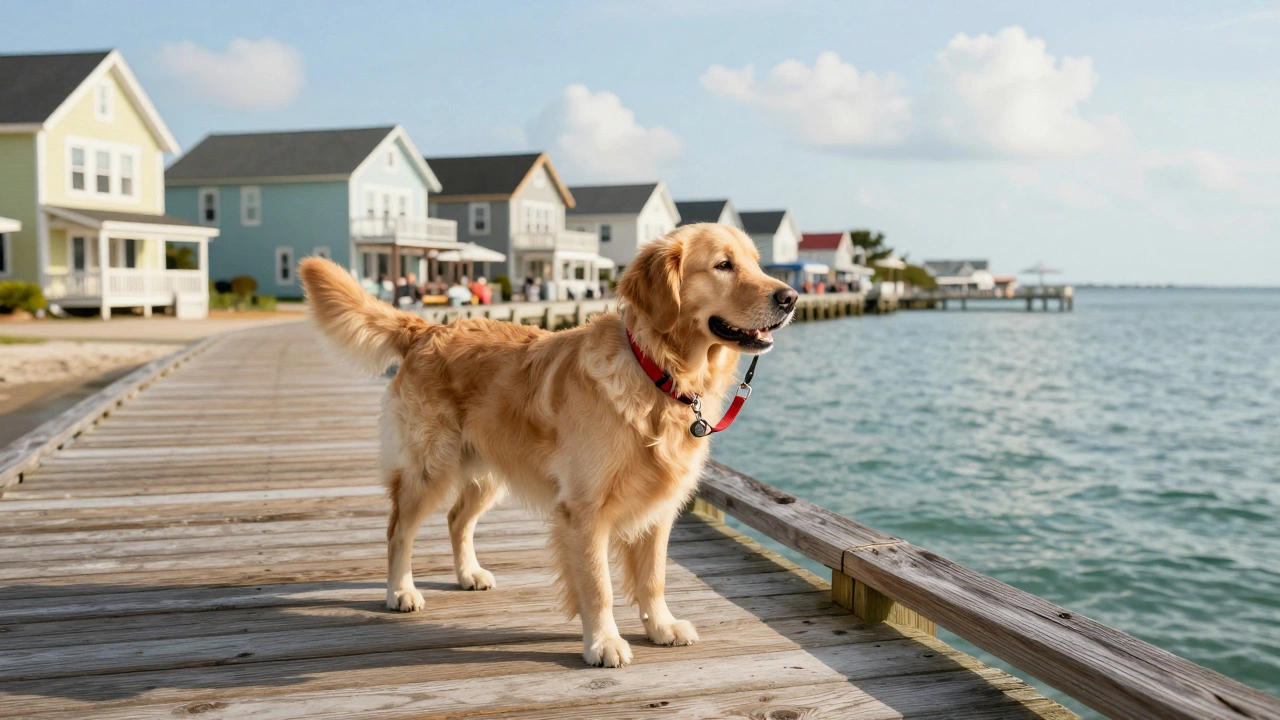
In the town of Chincoteague, dogs are generally welcome on the boardwalk and in most outdoor seating areas of restaurants. However, this is at the discretion of individual businesses. Some places will happily let your pup sit outside while you enjoy crab cakes; others strictly enforce no-pet policies due to health codes or previous incidents. Always call ahead. Don’t assume because one shop said yes, the next one will too.
The real challenge comes when you head toward Assateague Island National Seashore. This protected area spans both Virginia and Maryland. The management here is federal, meaning the rules are uniform and enforced by U.S. Park Service rangers. Dogs are allowed on specific trails and beaches, but not everywhere. For example, dogs are prohibited on the main swimming beaches during peak hours to protect wildlife and ensure visitor safety. They are also banned from certain sensitive dune areas where their presence could destabilize the sand.
The Golden Rules: Leashes, Waste, and Wildlife
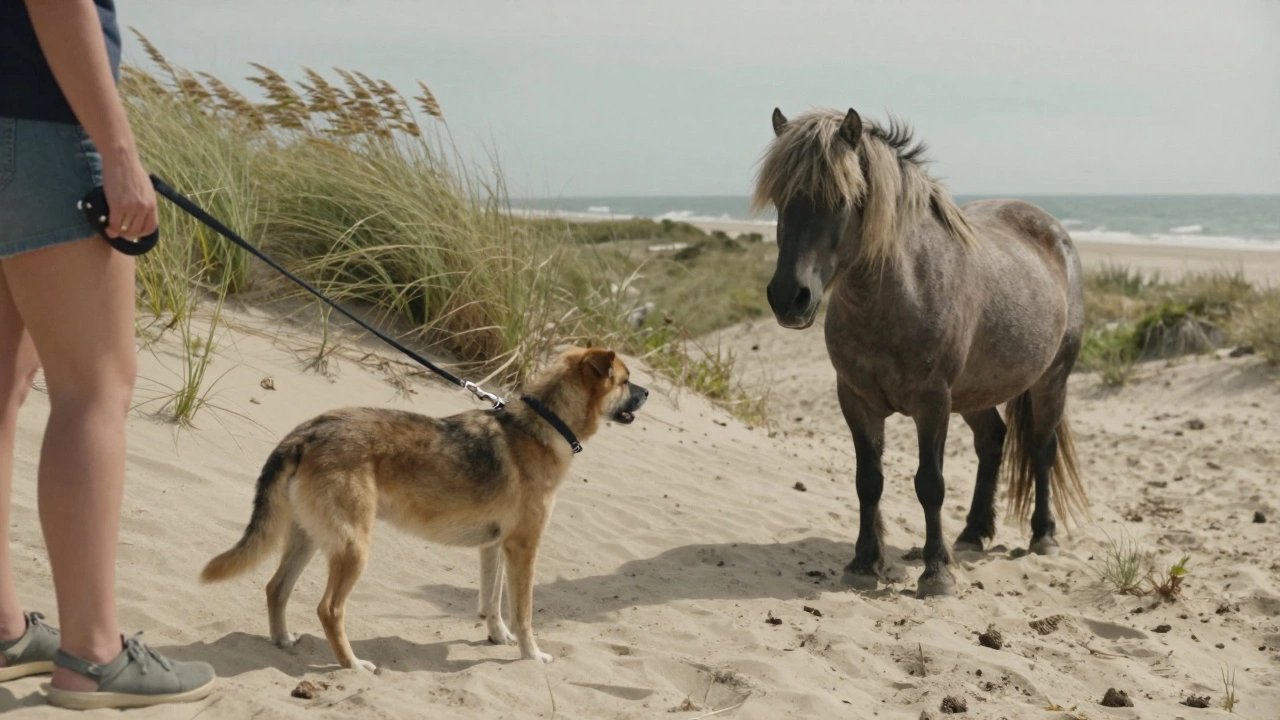
If you want to keep your vacation stress-free, you need to respect three non-negotiable rules. First, your dog must be on a leash at all times. No exceptions. Even if your dog has perfect recall, the presence of wild horses makes loose dogs a serious liability. These aren’t domesticated pets; they’re wild animals that can kick, bite, or trample. A leashed dog signals to the horses that you’re not a threat.
Second, clean up after your dog. Bring bags. Lots of them. The island has limited waste disposal infrastructure compared to mainland cities. Leaving waste behind doesn’t just look bad; it introduces diseases like parvovirus to the local wildlife population, including the endangered Chincoteague Ponies. Rangers take this seriously, and fines can ruin your mood faster than rain.
Third, give the horses space. The ponies roam freely across parts of the island, especially near the causeway and designated viewing areas. Do not feed them, do not chase them, and do not let your dog approach them. Keep your dog on a short leash-no longer than six feet-and cross paths slowly. If a pony shows interest in your dog, calmly move away. Aggressive interactions can lead to injury for both your pet and the horse.
Beach Access: Virginia vs. Maryland Side
This is where things get tricky. The Virginia side of Assateague allows dogs on the beach year-round, but only on a leash. There are no time restrictions, but you must stay out of designated swimming zones during summer months (typically June through September) between 9 AM and 7 PM. These zones are marked with signs and buoys. Ignoring them results in warnings or citations.
The Maryland side is stricter. Dogs are only allowed on the beach from sunrise to sunset, and again, only on a leash. More importantly, large portions of the Maryland beach are closed to dogs entirely during nesting season for sea turtles and shorebirds. This usually runs from April through August. Check the current seasonal closures before you pack your towels. The park website updates these dates annually based on wildlife monitoring data.
Pro tip: Arrive early. By 10 AM, the popular dog-friendly sections of the beach fill up. Parking lots near the entry points get full quickly, and overflow parking can mean a twenty-minute walk back to your spot. Plan accordingly.
Accommodations: Finding a Pet-Friendly Spot
Finding lodging in Chincoteague that accepts dogs is easier than you’d think, but booking early is critical. The island sees a surge in visitors from May through October. Many hotels and vacation rentals have limited pet slots per room to manage noise and cleanliness issues.
Look for properties that explicitly state "pet-friendly" rather than just "pets considered." The latter often means they’ll charge extra fees, require deposits, and possibly deny last-minute requests. Popular options include boutique hotels near the boardwalk and private cottages further inland. Read recent reviews specifically mentioning pets. Other guests will tell you if the staff was accommodating or if there were hidden fees.
Budget for extras. Most places charge between $25 and $75 per night for pets. Some require a refundable deposit of $100 or more. Factor this into your travel budget. Also, confirm weight limits. Some smaller rooms cap pets at 40 pounds. If you’re traveling with a Great Dane, check those details before you book.
Dining and Shopping with Your Dog
Chincoteague’s boardwalk is lined with shops and eateries. While dogs can’t enter most indoor dining areas due to health regulations, many restaurants offer outdoor patios where pets are welcome. Look for establishments with covered seating areas-they provide shade and protection from sudden summer showers.
Local shops vary widely. Boutiques selling clothing or souvenirs often allow small dogs on leashes inside. Hardware stores and pet supply shops are usually fine. Grocery stores, however, typically restrict pets to service animals only. Plan your errands accordingly. Buy snacks and water before heading out for the day.
One standout experience: grabbing ice cream from a local parlor while your dog enjoys a paw-sicle. Several vendors sell frozen yogurt treats made specifically for dogs. It’s a small thing, but it makes the trip feel special for your furry companion.
What to Pack: The Essential Checklist
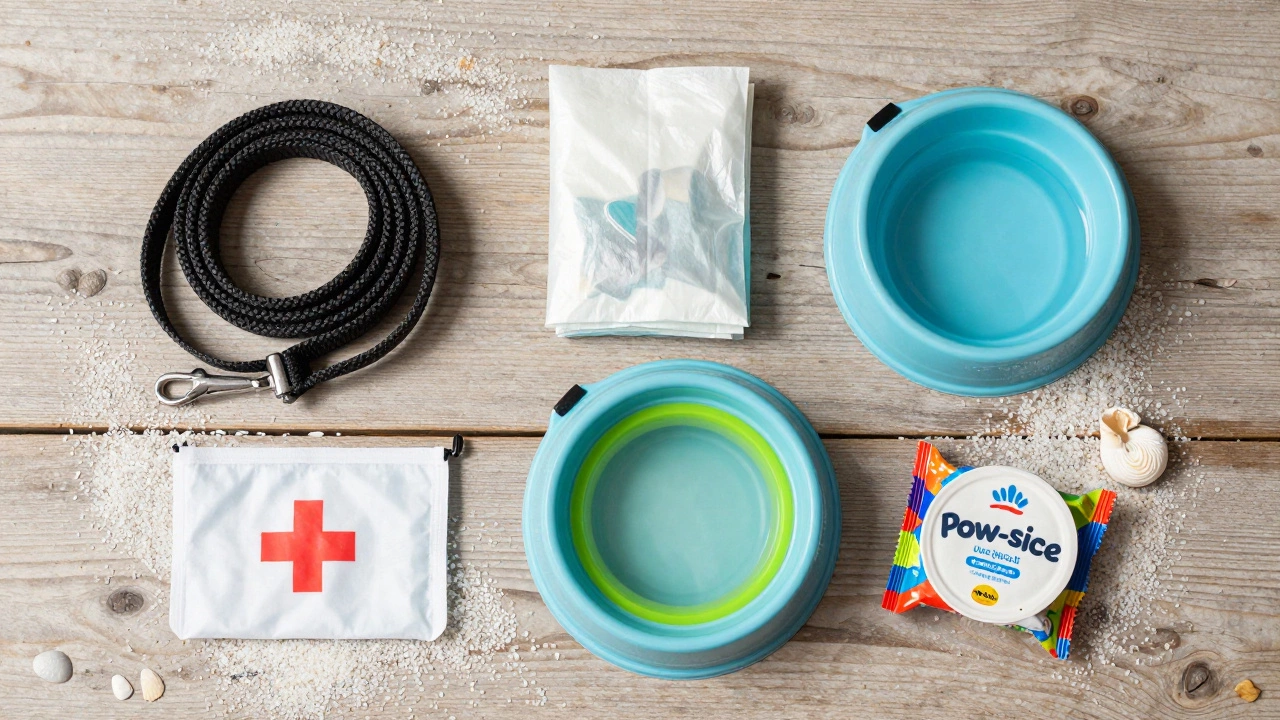
Don’t underestimate what you’ll need. The island environment is unique, and standard urban dog supplies won’t cut it. Here’s what to bring:
- Sturdy leash and collar: Avoid retractable leashes. They break easily and don’t give you control around horses.
- Poop bags: Bring more than you think you’ll need. At least 30-50 for a weekend trip.
- Water bowl and plenty of water: Beach sand heats up fast. Hydration is critical.
- Rinse-off spray or hose attachment: Saltwater and sand stick to fur. Rinsing your dog daily prevents skin irritation.
- First aid kit: Include tweezers for ticks, antiseptic wipes, and gauze. Cuts happen on rocky shores.
- Portable fence or pen: Useful for setting up a safe zone at campsites or rental yards.
- Recent photos of your dog: In case they slip off-leash and run off, having clear images helps with identification.
Timing Your Visit: Seasonal Considerations
Spring and fall offer the best balance of weather and crowd levels. May and October see fewer tourists, milder temperatures, and lower accommodation rates. Summer brings peak crowds, higher prices, and stricter enforcement of beach rules due to increased foot traffic and wildlife activity.
Winter visits are possible but challenging. Temperatures drop, winds pick up, and many businesses close. However, if your dog loves cold weather and you don’t mind solitude, winter offers stunning views of the marshes and fewer people. Just dress warmly-for both of you.
Emergency Preparedness
Things go wrong. Know who to call. The National Park Service manages Assateague Island. Their emergency number is posted at every trailhead and parking lot. Save it in your phone. For medical emergencies involving your dog, locate the nearest veterinary clinic before you leave home. The closest full-service vet is in Accomac, about ten minutes away. There’s no 24-hour emergency animal hospital on the island itself.
If your dog gets lost, contact local authorities immediately. Post alerts on community Facebook groups dedicated to Chincoteague residents and visitors. People are often willing to help spread the word.
Are dogs allowed on Chincoteague Island beaches?
Yes, but with restrictions. On the Virginia side, dogs are allowed on beaches year-round on a leash, except in designated swimming zones during summer peak hours. On the Maryland side, dogs are allowed only during daylight hours and are restricted during sea turtle nesting season (April-August). Always check current seasonal closures before visiting.
Can I let my dog off-leash near the Chincoteague Ponies?
No. Dogs must remain on a leash at all times in areas where wild horses roam. Off-leash dogs pose a risk to both themselves and the ponies. Rangers enforce this rule strictly, and violations can result in fines or removal from the park.
Where can I find pet-friendly accommodations in Chincoteague?
Many hotels and vacation rentals on the island accept pets. Look for properties that explicitly advertise as "pet-friendly" and read recent reviews. Book early, especially during peak season (May-October), as pet-friendly rooms fill up quickly. Expect additional fees ranging from $25-$75 per night.
Is there a vet clinic on Chincoteague Island?
There is no 24-hour emergency animal hospital on the island. The nearest full-service veterinary clinic is located in Accomac, approximately ten minutes away. For urgent care, plan ahead and save the clinic’s contact information before your trip.
What should I bring for my dog when visiting Chincoteague?
Essential items include a sturdy leash (not retractable), plenty of poop bags, fresh water and a bowl, rinse-off supplies for salt and sand, a basic first aid kit, and recent photos of your dog. Consider bringing a portable pen for safe containment at rentals or campsites.