
Canine Time Perception & Stress Estimator
Estimate Your Dog's Experience
Dogs don't read clocks, but they track time through scent decay, internal rhythms, and routine patterns. Use this tool to understand how your daily schedule impacts their perception of time and potential stress levels.
Time Perception Analysis
--
Recommended Adjustments
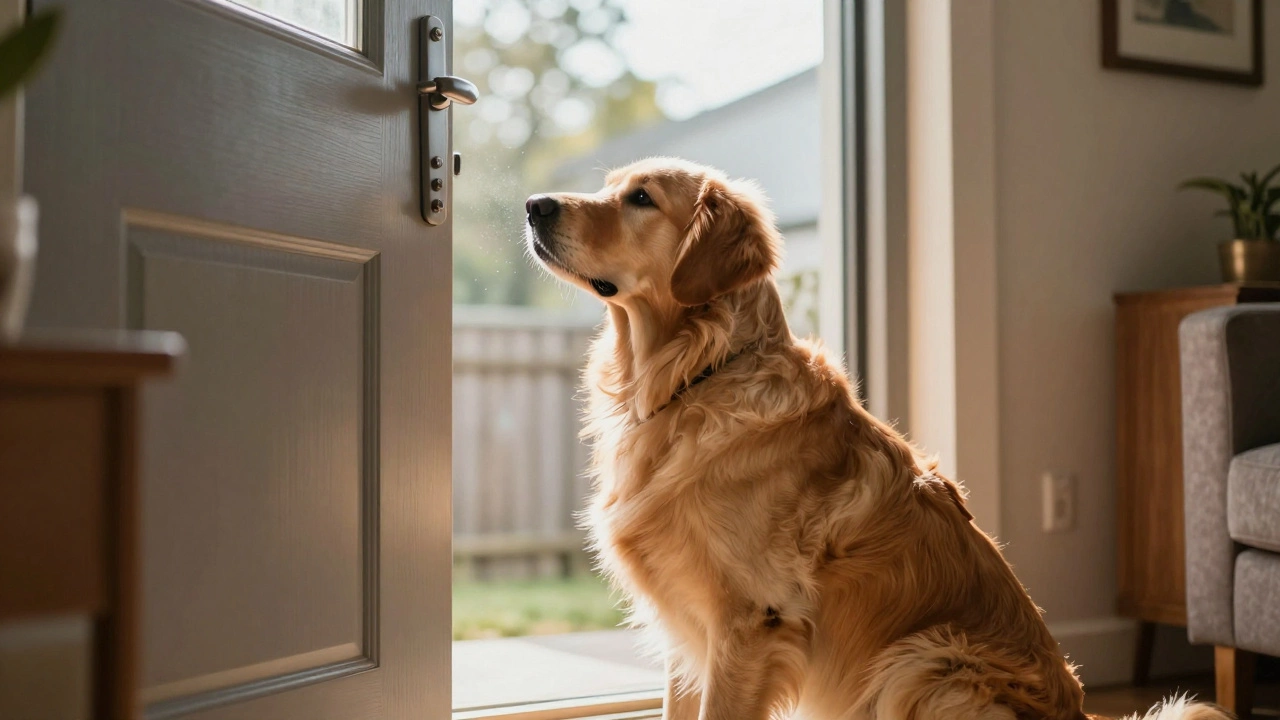
You walk out the door. The click of the lock echoes. For you, it’s a quick errand or a standard eight-hour workday. For your dog, that silence stretches into an eternity of waiting. We’ve all seen the scene: the frantic greeting at the front door, the tail wagging so hard the whole body shakes, as if we’ve been gone for years rather than hours. But does your dog actually know how much time has passed? Or is that joy just pure relief to see you again?
The short answer is yes, dogs can tell how long you’re gone, but not in the way humans do. They don’t look at a wall clock and calculate minutes. Instead, they rely on internal biological rhythms, sensory changes, and routine patterns to track the passage of time. Understanding this "canine clock" is crucial for managing their stress levels, especially when planning dog friendly holidays or adjusting to new work schedules.
The Internal Biological Clock
Dogs possess an internal circadian rhythm, much like humans. This biological clock regulates sleep-wake cycles, hormone release, and digestion. Research published in the journal PLOS ONE suggests that animals, including dogs, have a sense of duration based on these internal processes. When you leave, your dog’s body continues its daily cycle. If you usually return at 6:00 PM, their hunger pangs, energy dips, and sleepiness will align with that expectation.
This isn't magic; it's physiology. Just as you feel hungry at lunchtime because your stomach expects food, your dog feels restless or sleepy at specific times because their body anticipates your return. If you break this pattern-say, by coming home two hours early-their internal clock throws them off. You might notice them sleeping deeply right after you enter, only to wake up and whine once their expected "return time" arrives. Their body was waiting for a cue that never came.
Sensory Clues: Smell and Sound
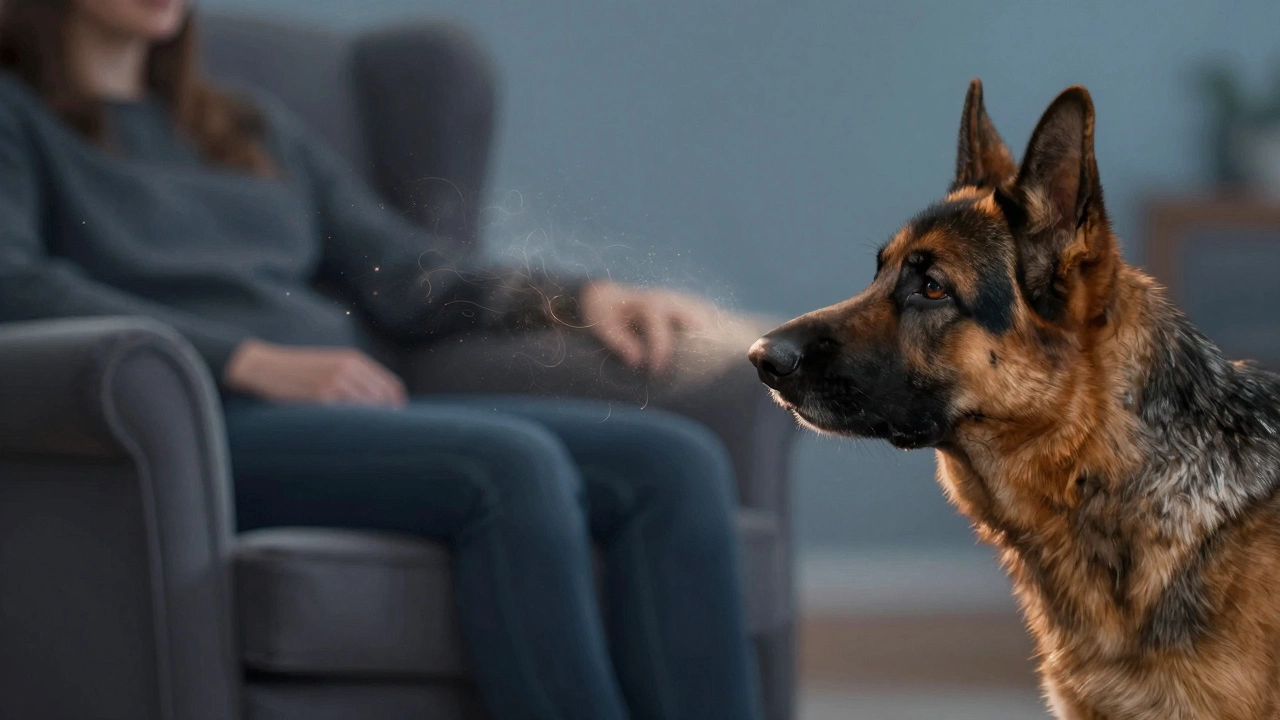
If the internal clock provides the general framework, sensory inputs provide the fine details. Dogs experience the world primarily through scent. Your presence leaves a distinct olfactory signature on your clothes, furniture, and even the air in the room. Over time, this scent fades. A fresh scent indicates recent departure; a faint, stale scent suggests a long absence.
Studies indicate that dogs can distinguish between the intensity of scents. As your smell dissipates from the sofa where you sat, your dog perceives this decay as a marker of time passing. It’s similar to how we judge the age of a newspaper by its yellowing pages. Additionally, auditory cues play a role. The ambient noise level of a house changes when humans are absent. The lack of footsteps, talking, and movement creates a quiet baseline that your dog monitors. Sudden sounds-a car pulling into the driveway, a familiar voice on the street-can trigger anticipation, signaling that enough time has likely passed for you to be returning.
Routine and Pattern Recognition
Dogs are creatures of habit. They thrive on predictability. Most pet owners follow a relatively consistent daily schedule: morning walks, feeding times, and evening returns. Your dog memorizes these intervals. If you leave at 8:30 AM every day and return at 5:30 PM, your dog learns that approximately nine hours pass between departures and arrivals.
This pattern recognition is powerful. Even if you vary your departure time slightly, your dog adjusts. However, significant disruptions confuse them. If you suddenly leave for a weekend trip, the extended absence breaks the established loop. This is why many dogs exhibit signs of distress during vacations. They aren't just missing you; their entire sense of temporal structure has collapsed. To mitigate this, maintaining some consistency in feeding and walking routines-even if handled by a sitter-helps anchor their perception of time.
Signs Your Dog Knows You've Been Gone
How do you know if your dog is actively tracking your absence? Watch for these behavioral indicators:
- Anticipatory Excitement: Your dog starts pacing, barking, or gathering toys near the door before you even arrive. This often happens consistently at the same time each day.
- Toilet Urgency: Many dogs hold their bladder until they expect you to return. If your dog rushes to go outside immediately upon your entry, they were likely timing their need against your arrival window.
- Sleep-Wake Cycles: You might find your dog asleep during the day but awake and alert around the time you typically come home. This shift demonstrates an awareness of the daily timeline.
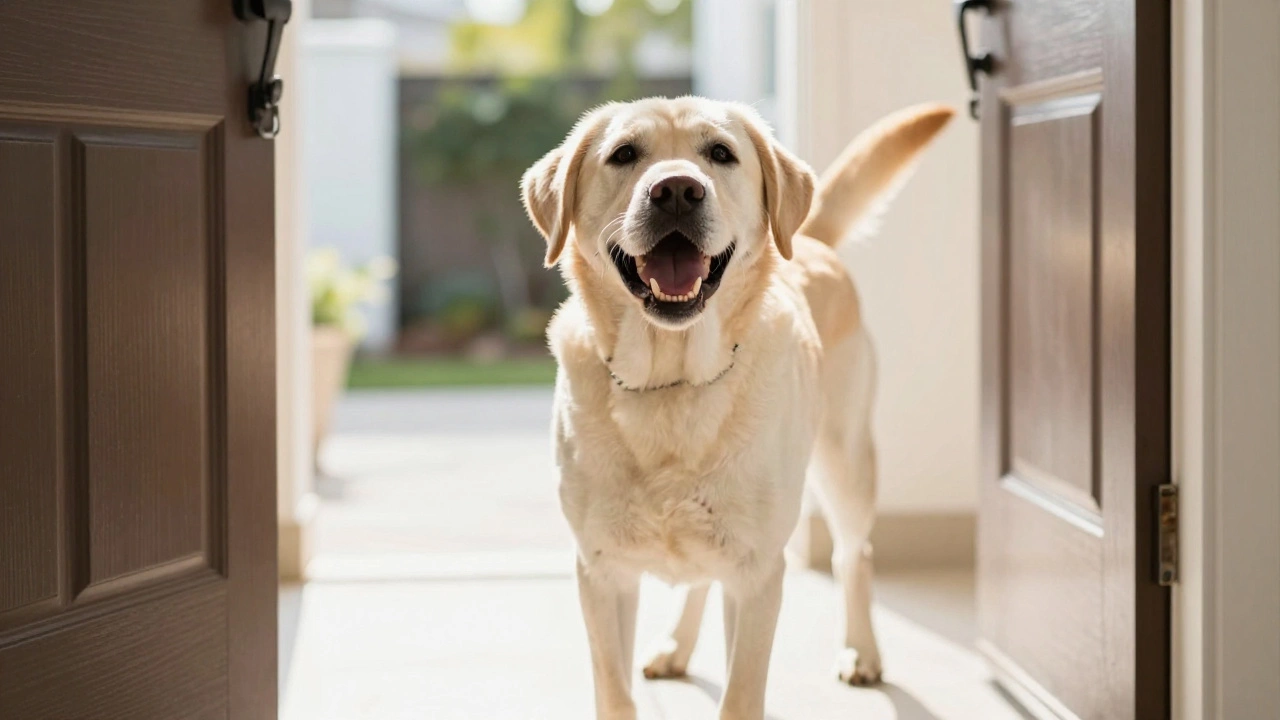
- Greeting Intensity: While all dogs greet owners happily, the intensity often correlates with the length of absence. A ten-minute absence yields a mild tail wag; a twelve-hour absence results in full-body wiggles and vocalizations.
These behaviors confirm that your dog isn't living in a perpetual present. They remember the start of your absence and anticipate the end.
Separation Anxiety vs. Normal Waiting
It’s important to distinguish between normal time-tracking and pathological separation anxiety. All dogs notice your departure, but only some develop clinical anxiety. Signs of severe anxiety include destructive chewing (especially of exit points like doors), excessive drooling, self-harm, or prolonged howling that doesn’t subside after you leave.
If your dog exhibits these symptoms, the issue isn't their ability to perceive time-it's their emotional regulation. In such cases, gradual desensitization is key. Start by leaving for very short periods (one minute) and gradually increasing the duration. Reward calm behavior upon your return. Never make a big fuss when you leave or come back; keep interactions low-key to reduce the emotional stakes of the transition.
For those planning travel, consider hiring a professional pet sitter who can maintain your routine. Alternatively, explore resources for companionship options in your area, such as this directory, which lists verified profiles for various services, though always prioritize licensed pet care professionals for animal welfare. Ensuring your dog has social interaction can alleviate the stress of prolonged solitude.
Helping Your Dog Manage Time
You can’t teach your dog to read a clock, but you can help them cope with the wait. Environmental enrichment is critical. Puzzle feeders, Kong toys stuffed with peanut butter, and interactive games keep their minds occupied. A busy brain is less focused on the empty doorway.
Background noise also helps. Leaving a radio or TV on provides auditory stimulation, masking the eerie silence of an empty house. White noise machines can further soothe anxious pets by creating a consistent sound blanket. Finally, exercise matters. A tired dog is a happy dog. Ensure your dog gets ample physical activity before you leave. A brisk thirty-minute walk or a game of fetch burns off excess energy, making them more likely to nap through your absence rather than pace.
The Role of Technology
Modern technology offers new ways to bridge the gap. Pet cameras with two-way audio allow you to check on your dog and speak to them remotely. Hearing your voice can reassure your dog that you’re still part of their world, even if physically distant. Some advanced devices even dispense treats, turning a moment of anxiety into a positive reinforcement event.
While tech doesn’t replace human companionship, it provides a lifeline. It allows you to monitor your dog’s behavior in real-time, ensuring they aren’t stuck in a loop of distress. If you see your dog staring at the door for hours, you might adjust your routine or seek professional training advice.
Do dogs get sad when you leave?
Yes, most dogs experience some level of sadness or stress when separated from their owners. Dogs are social animals evolved to live in packs. Being alone triggers instinctual anxiety. However, the degree of sadness varies by breed, age, and individual temperament. Proper training and routine can significantly reduce this emotional impact.
How long can a dog be left alone safely?
Adult dogs should generally not be left alone for more than 8-10 hours. Puppies and senior dogs require more frequent attention. Extended isolation can lead to behavioral issues, accidents, and health problems. If you must work longer hours, arrange for a midday walk or hire a pet sitter.
Why does my dog act crazy when I come home?
This behavior is called "reunion excitement." Your dog is releasing pent-up energy and expressing joy at your return. Since they perceive time differently, your absence feels long to them. Keeping greetings calm and brief helps train them to settle down faster over time.
Can dogs understand the concept of days?
Dogs don't understand abstract concepts like "days" or "weeks." They operate on immediate sensory feedback and routine. However, they can associate specific events with recurring patterns. If you take them to the park every Saturday morning, they may show excitement on Saturday mornings specifically, linking the day’s vibe to the activity.
Does music help dogs while alone?
Yes, studies suggest that certain types of music, particularly classical and reggae, can lower heart rates and reduce stress in dogs. Playing soft background music can mask unsettling noises and create a calming atmosphere, helping your dog feel less isolated during your absence.