

Cat Hydration Calculator
Cats need more water than you might think. Dry food contains only 8-10% moisture, while their natural prey contains 70% water. This calculator shows how much additional water your cat needs based on their weight and diet.
Water Requirements
Total Daily Water Needed: ounces
From Food: ounces
Additional Water Needed: ounces
Recommended:
- Fresh water available at all times
- Use a water fountain for better hydration
- Add 1-2 tablespoons of wet food to dry food
Why This Matters
Cats fed exclusively dry food are 2.8 times more likely to develop urinary tract disease. Chronic dehydration from dry food can lead to kidney problems, urinary crystals, and blockages. Adding wet food provides essential moisture your cat needs to thrive.
Many cat owners assume dry food is the easy, affordable, and perfectly fine option for their cats. After all, it’s convenient, lasts longer, and doesn’t smell. But if you’re wondering whether your cat can live on dry food alone, the answer isn’t as simple as yes or no. The truth? Dry cat food can keep a cat alive-but it won’t necessarily keep them healthy long-term.
Why Cats Are Not Built for Dry Food
Cats are obligate carnivores. That means their bodies evolved to get most of their nutrients from animal tissue, not grains or plant-based fillers. In the wild, a cat’s diet is about 70% water. Their prey-mice, birds, lizards-contains almost no dry matter. Their kidneys are designed to concentrate urine efficiently, but only because they’re getting constant hydration from their food.Dry food typically contains only 8-10% moisture. That’s less than a quarter of what a cat naturally gets from prey. When a cat eats only dry food, they’re chronically under-hydrated. This isn’t a minor issue. It’s one of the leading causes of urinary tract disease in cats, including bladder stones and urethral blockages-especially in males. A 2023 study from the University of California, Davis found that cats fed exclusively dry food were 2.8 times more likely to develop lower urinary tract disease than those fed wet food.
The Hidden Sugar and Carbs in Dry Cat Food
Dry food needs to hold its shape, so manufacturers use starches like corn, potato, or peas as binders. These carbs aren’t just unnecessary-they’re harmful. Cats don’t have the enzymes to process large amounts of carbohydrates efficiently. Their pancreas isn’t built for it.Over time, high-carb diets can lead to insulin resistance, weight gain, and even diabetes. One 2022 analysis of commercial dry cat foods showed that nearly 60% contained more than 25% carbohydrates on a dry matter basis. That’s the equivalent of feeding a human a daily diet of white bread and pasta. Cats don’t need carbs. They need protein. And most dry foods don’t deliver enough of it.
Protein Levels: What’s Really in the Bag?
Look at the ingredient list on your cat’s dry food. If the first few ingredients are chicken meal, corn, or rice, you’re not getting high-quality protein. “Chicken meal” sounds good, but it’s a rendered product with moisture and fat removed. It’s concentrated, yes-but often from low-grade sources.Real meat, like chicken, turkey, or fish, should be listed first. But even then, when that meat is dried out and turned into kibble, the actual protein content drops. Most dry foods claim 30-40% protein on the label, but that’s on a dry matter basis. Once you account for the moisture, the real protein your cat gets is often closer to 20-25%. Wet food, by contrast, can deliver 45-50% protein on a dry matter basis because it’s not diluted with water.
What Happens When a Cat Eats Only Dry Food for Years?
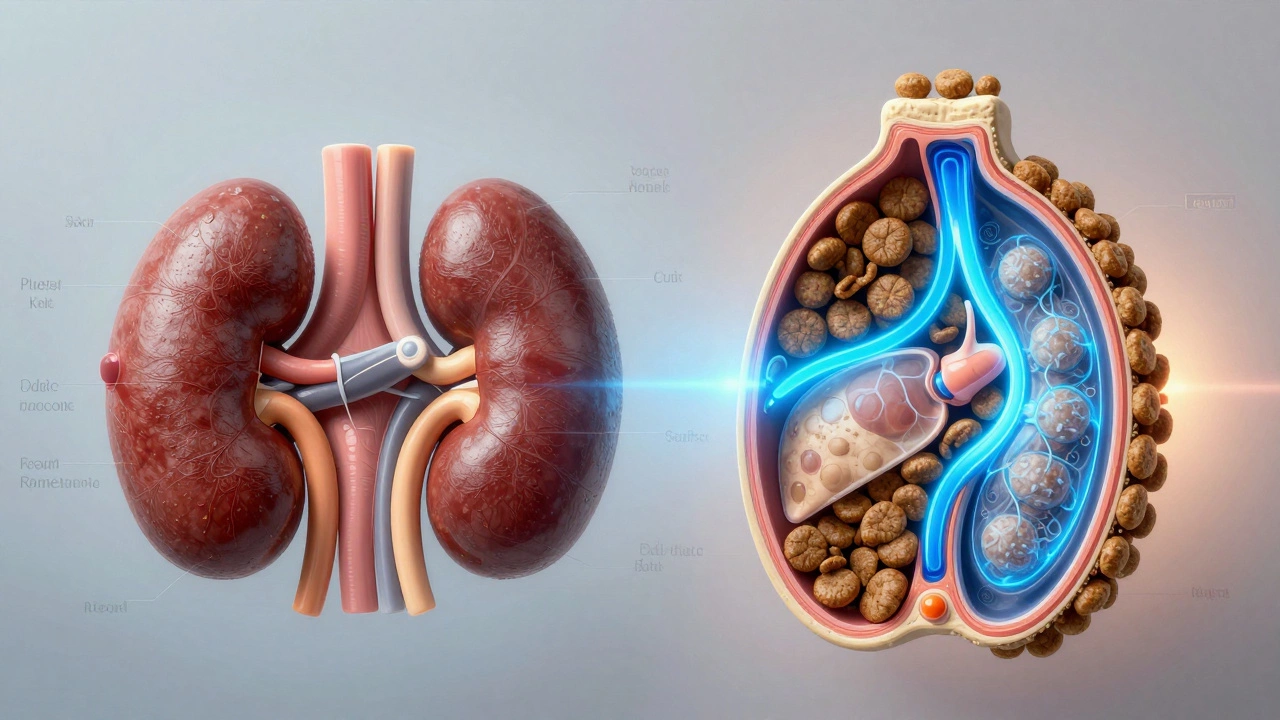
A cat on dry food alone doesn’t show obvious signs of illness right away. That’s why this problem flies under the radar. But over time, the damage adds up:- Chronic dehydration → kidney stress → early kidney disease (common in cats over age 7)
- Low water intake → concentrated urine → urinary crystals and blockages
- Excess carbs → weight gain → fatty liver disease
- Low moisture → poor digestion → constipation
- Reduced palatability → picky eating → nutrient deficiencies
One vet in Colorado tracked 120 cats over five years. Half were on dry-only diets. By year three, 68% of those cats had signs of early kidney disease. Only 19% of the wet-food group did. The difference wasn’t subtle. It was life-altering.
Can Dry Food Ever Be Okay?
Yes-but only as part of a balanced approach. If you’re feeding dry food, you must compensate for its shortcomings:- Always provide fresh, clean water. Use a circulating fountain-cats prefer moving water.
- Feed wet food at least once a day. Even two tablespoons of wet food adds 15-20 grams of water.
- Choose low-carb, high-protein dry options. Look for brands with less than 10% carbohydrates on a dry matter basis.
- Avoid by-products, artificial preservatives, and vague terms like “meat meal” without specifying the source.
Some owners successfully use dry food as a free-feed option while offering wet food at meal times. This works if the cat is healthy, active, and drinks enough water. But if your cat has any history of urinary issues, obesity, or kidney concerns, dry food alone is not safe.
What About Dental Health? Isn’t Dry Food Better for Teeth?
This myth persists because it sounds logical. But research doesn’t back it up. A 2021 study in the Journal of Feline Medicine and Surgery compared cats fed dry food versus wet food. After two years, there was no significant difference in tartar buildup or gum disease between the two groups.What actually helps? Daily tooth brushing, dental chews approved by the Veterinary Oral Health Council (VOHC), and professional cleanings. Kibble doesn’t “scrape” plaque off teeth the way people think. Most cats swallow kibble whole. Even when they chew, the crumbs just stick to their teeth.
Real-Life Example: Milo’s Story
Milo, a 9-year-old indoor cat, was fed dry food only since he was a kitten. His owner thought he was fine-he was active, had shiny fur, and didn’t vomit often. But Milo started peeing outside the litter box. A vet visit revealed a blocked urethra. He spent three days in the hospital, got a urinary catheter, and was diagnosed with chronic kidney disease.His owner switched to a mix of wet food and low-carb dry food, added a water fountain, and started daily brushing. Within six months, Milo’s urine specific gravity improved. His kidney values stabilized. He stopped peeing on the rug. He didn’t get better because of medicine. He got better because his diet finally matched his biology.
What Should You Feed Your Cat?
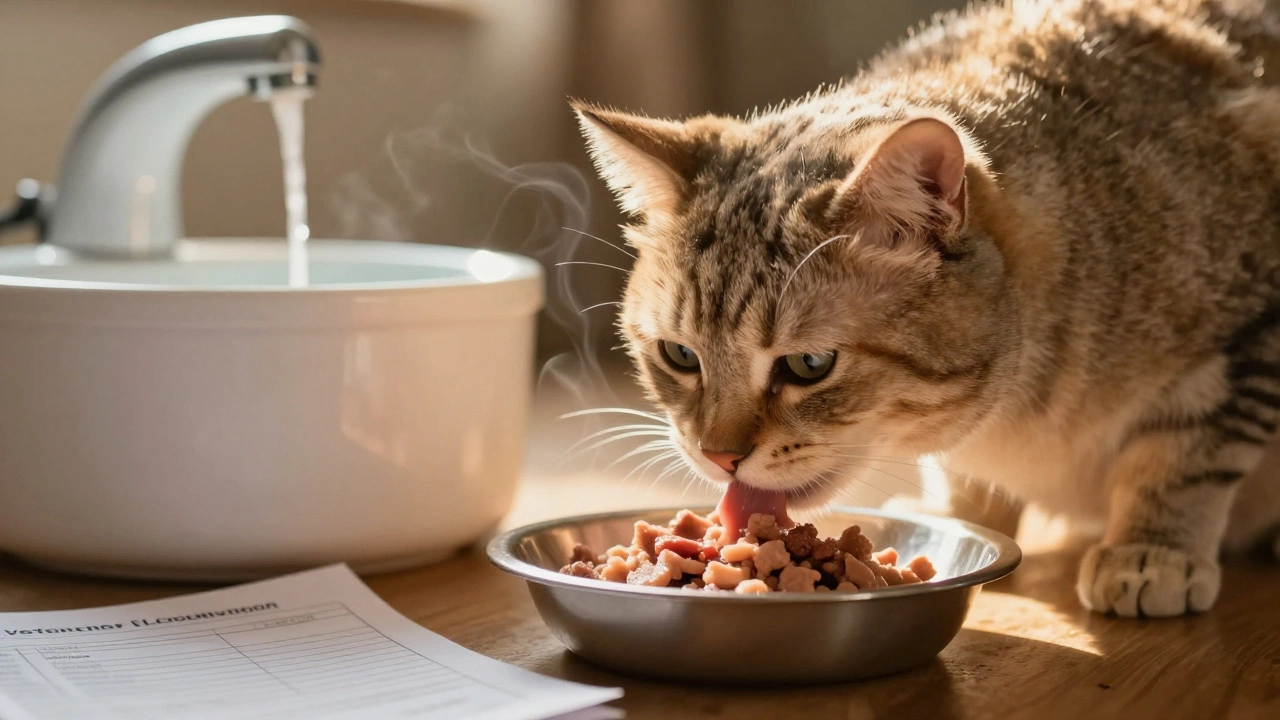
Here’s a simple, science-backed plan:- Feed wet food at least once a day. Aim for 50-70% of daily calories from wet food.
- If you use dry food, pick one with at least 40% protein, less than 10% carbs, and no corn, wheat, or soy.
- Always have fresh water available. Change it twice a day.
- Monitor your cat’s weight, litter box habits, and energy levels.
- Visit your vet for a senior panel (blood and urine tests) by age 7.
There’s no single “best” brand. But brands like Tiki Cat, Weruva, and Hill’s Science Diet c/d are often recommended by vets for their high moisture and low-carb profiles. Always check the nutritional analysis, not just the front label.
Final Thought: It’s Not About Convenience-It’s About Biology
You don’t have to feed only wet food. But if you’re feeding dry food alone, you’re ignoring your cat’s evolutionary needs. Cats didn’t evolve to sip water from a bowl. They evolved to get their water from prey. Dry food is a human convenience. And while it’s not poison, it’s not optimal.Your cat doesn’t need more kibble. They need more water. More protein. More of what nature designed them to eat.
Can cats live on dry food alone without health problems?
Cats can survive on dry food alone, but they’re unlikely to thrive. Chronic dehydration from low-moisture diets increases the risk of urinary tract disease, kidney problems, and obesity. Most cats fed only dry food develop health issues by middle age. Wet food provides essential hydration and better protein quality.
How much water should a cat drink daily?
A healthy cat needs about 4-6 ounces of water per 5 pounds of body weight daily. But if they’re eating dry food, they’re not getting that water from their meals. That means they must drink an extra 2-4 ounces from a bowl or fountain. Cats on wet food get most of their water from food and drink far less.
Is grain-free dry food better for cats?
Grain-free doesn’t mean carb-free. Many grain-free dry foods replace grains with potatoes, peas, or lentils-still high in carbs. What matters more is the total carbohydrate content and protein source. Look for foods with less than 10% carbs on a dry matter basis, regardless of whether they’re grain-free.
Can I mix wet and dry food?
Yes, mixing wet and dry food is a practical and healthy approach. It gives your cat the hydration benefits of wet food while keeping dry food for convenience. Aim for at least 50% of calories from wet food, especially if your cat has urinary or kidney concerns.
What’s the best way to transition a cat from dry to wet food?
Start by adding a teaspoon of wet food to their dry food. Gradually increase the wet portion over 7-10 days while reducing dry. Use warm water or broth (no onion or garlic) to make wet food more appealing. Be patient-some cats take weeks to adjust. Never force the change; that can lead to refusal and fasting.
Next Steps for Cat Owners
If you’re currently feeding dry food only:- Buy one can of high-quality wet food today.
- Set a daily reminder to offer it at dinner.
- Replace one water bowl with a fountain.
- Check your cat’s food label. Calculate carbs using this formula: 100% - (protein% + fat% + fiber% + moisture%) = carb%.
- Schedule a vet check-up if your cat is over 7 years old.
Small changes make a big difference. Your cat won’t thank you with a purr-but their kidneys, bladder, and energy levels will.