
Dog Supplement Effectiveness Checker
Not sure if that bottle of pills is worth the money? Select your dog's primary concern and a potential supplement to see what the science says about effectiveness, dosage, and time to results.
You’re standing in the pet aisle, staring at a shelf lined with bottles promising shinier coats, stronger joints, and happier guts. The price tags are steep, and the labels use words like "bioavailable" and "holistic." It’s tempting to think that if you just buy the right pill, your dog’s arthritis will vanish or their itchy skin will clear up overnight. But here is the uncomfortable truth: most dog supplements are not magic bullets. They are tools. And like any tool, they only work if you know how to use them.
So, do dog supplements really work? The answer isn't a simple yes or no. It depends entirely on what problem you are trying to solve, the quality of the product, and whether your dog actually has a deficiency or condition that the supplement addresses. In this guide, we’ll cut through the marketing fluff to show you exactly which supplements have scientific backing, which ones are largely hype, and how to choose products that won’t waste your money.
The Regulatory Wild West
Before we look at specific ingredients, you need to understand why supplement quality varies so wildly. Unlike prescription medications, dietary supplements for pets are regulated differently depending on where you live. In the United States, they fall under the FDA but are treated more like food than drugs. This means manufacturers don’t always have to prove efficacy before selling. In Europe and Ireland, regulations are stricter, but gaps still exist.
This lack of rigorous pre-market approval leads to two common problems:
- Dosing discrepancies: A label might claim 500mg of glucosamine, but lab tests sometimes reveal significantly less.
- Purity issues: Some cheaper brands contain heavy metals or fillers that can harm your dog over time.
Because of this, the phrase "natural" doesn't mean safe or effective. It just means it wasn't synthesized in a lab. When you’re shopping, look for third-party testing seals from organizations like the National Animal Supplement Council (NASC) in the US, or equivalent European quality assurance marks. These seals indicate that an independent lab verified the contents match the label.
Supplements That Actually Have Science Behind Them
Not all supplements are created equal. Some have decades of clinical trials supporting their use. Others are based on anecdotal evidence or traditional medicine that hasn't held up well in controlled studies. Let’s break down the big hitters.
Joint Support: Glucosamine and Chondroitin
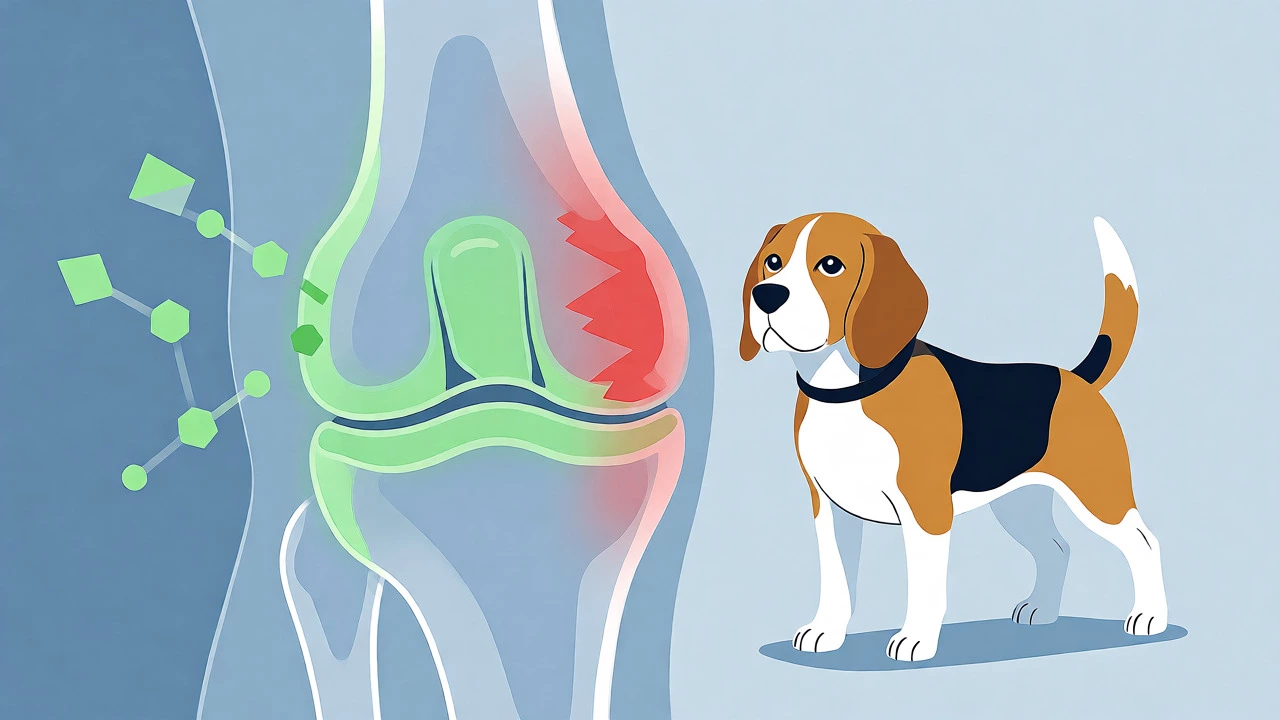
If you have an older dog limping after a walk, this is likely the first thing you’ve considered. Glucosamine is a natural compound found in cartilage that helps maintain joint health by stimulating the production of glycosaminoglycans. It is often paired with chondroitin sulfate.
Does it work? Yes, but with caveats. Studies suggest that glucosamine is most effective as a preventative measure or for mild osteoarthritis. For severe joint degeneration, it may offer modest pain relief but won’t rebuild lost cartilage. The key factor here is time. You won’t see results in three days. It typically takes 4 to 8 weeks of consistent dosing to notice improved mobility. If your dog isn’t moving better after two months, the supplement likely isn’t doing much for them.
Skin and Coat: Omega-3 Fatty Acids
Itchy skin is one of the most common complaints from dog owners. Enter Omega-3 fatty acids, specifically EPA and DHA, which are polyunsaturated fats known for their potent anti-inflammatory properties. Found primarily in fish oil, these lipids help regulate the immune response in the skin.
Unlike joint supplements, the effects of Omega-3s on skin can be surprisingly fast. Many owners report reduced itching within two to four weeks. However, dosage matters enormously. Most commercial dog foods contain Omega-6s, which are pro-inflammatory. To get benefits, you need to balance this ratio. A standard recommendation is roughly 20-50mg of combined EPA/DHA per kilogram of body weight daily, but always check with your vet for exact figures based on your dog's size.
Gut Health: Probiotics
Your dog’s gut microbiome influences everything from digestion to mood. Probiotics are live microorganisms that, when administered in adequate amounts, confer a health benefit on the host. They are particularly useful after a course of antibiotics, which wipe out both bad and good bacteria.
But not all probiotics are alive when they reach the bottle. Heat kills many strains during manufacturing. Look for products that guarantee CFU (Colony Forming Units) count at the expiration date, not just at the time of manufacture. Strains like *Enterococcus faecium* and *Lactobacillus acidophilus* have shown promise in reducing diarrhea and improving stool consistency in clinical trials.
| Supplement Type | Primary Use Case | Evidence Level | Time to See Results |
|---|---|---|---|
| Glucosamine/Chondroitin | Mild Osteoarthritis/Joint Pain | Moderate | 4-8 Weeks |
| Omega-3 Fish Oil | Allergic Dermatitis/Inflammation | High | 2-4 Weeks |
| Probiotics | Antibiotic Recovery/IBS | Moderate-High | 1-2 Weeks |
| Hip & Joint Blends | General Mobility Support | Variable | Unknown |
| Coconut Oil | Coat Shine/Energy | Low-Anecdotal | Immediate (Cosmetic) |

The Hype vs. Reality: What Doesn’t Work Well
Just because a supplement exists doesn't mean your dog needs it. Here are a few popular items that often fail to deliver on their promises.
Coconut Oil
Everyone loves coconut oil. It smells nice, looks shiny, and is easy to administer. But while it can improve coat shine due to its fat content, there is little scientific evidence that it cures allergies, boosts immunity, or aids weight loss significantly. In fact, too much coconut oil can cause pancreatitis in sensitive dogs because it is high in saturated fats. If you use it, treat it as a calorie source, not a cure-all.
Generic "Hip and Joint" Powders
Many expensive blends contain a cocktail of ten different ingredients-MSM, boswellia, turmeric, glucosamine-in tiny doses. While each ingredient might have some merit, the total dose is often sub-therapeutic. You end up paying for a complex mixture where none of the individual components are present in enough quantity to make a difference. Single-ingredient supplements, properly dosed, are usually more cost-effective and transparent.
CBD Oil
CBD is the current darling of the pet world. Anecdotally, many owners swear it calms anxious dogs or eases pain. Scientifically, the picture is murkier. A 2022 study published in the Journal of Veterinary Internal Medicine showed CBD could reduce pain in dogs with osteoarthritis, but other studies have shown mixed results regarding anxiety reduction. Furthermore, the market is unregulated. One batch might contain THC (which can be toxic to dogs), while another contains almost no CBD. Proceed with caution and choose brands that provide Certificates of Analysis.
How to Choose the Right Supplement for Your Dog
Selecting a supplement shouldn't be a guessing game. Follow this decision framework to ensure you’re spending money wisely.
- Identify the Specific Problem: Don't give a multivitamin because it sounds healthy. Give a joint supplement because your dog struggles with stairs. Targeted therapy beats general wellness pills.
- Consult Your Vet First: Some supplements interact with medications. For example, Omega-3s can thin the blood, which matters if your dog is on anticoagulants. Always clear new additions with your professional.
- Check the Label for Dosage: Compare the mg/kg dosage on the label with veterinary recommendations. If the recommended serving for a 20kg dog is only 50mg of active ingredient, it’s likely underdosed.
- Look for Transparency: Reputable brands list the source of their ingredients (e.g., "Wild-caught Alaskan Salmon Oil") rather than vague terms like "Fish Oil Blend."
- Start Low and Go Slow: Introduce one supplement at a time. If you add three things at once and your dog gets sick, you won’t know which one caused it.
When Food Beats Pills
Here is a hard pill to swallow: if your dog eats a high-quality, complete-and-balanced diet, they probably don’t need additional vitamins. Premium dog foods are already fortified with essential nutrients. Adding extra Vitamin A or E can lead to toxicity because these are fat-soluble and accumulate in the body.
However, whole-food sources of therapeutic compounds can be beneficial. For instance, adding sardines to kibble provides natural Omega-3s without the risk of oxidized fish oil capsules. Pumpkin puree (not pie filling) is a gentle fiber source for digestive upset. Sometimes, the best "supplement" is simply upgrading the main meal.
Signs Your Dog Might Need More Than Just Supplements
If you’ve been giving joint supplements for six months and your senior Lab still refuses to jump into the car, stop. Supplements manage symptoms; they don’t fix structural issues like torn ligaments or severe hip dysplasia. Persistent lethargy, sudden weight changes, or chronic vomiting despite dietary changes warrant a full veterinary workup, including blood panels and X-rays. Don’t let a bottle of pills delay necessary medical treatment.
Are human supplements safe for dogs?
Sometimes, but often no. Human supplements may contain xylitol (an artificial sweetener toxic to dogs), higher concentrations of iron, or additives like garlic powder that can cause anemia in canines. Always check ingredients carefully or stick to veterinary-formulated products.
How long should I give my dog supplements?
This depends on the goal. For acute issues like post-antibiotic gut health, a few weeks may suffice. For chronic conditions like arthritis, supplements are often lifelong. However, you should re-evaluate every 6 months with your vet to see if the dose needs adjusting or if the supplement is still providing value.
Can I give my puppy adult dog supplements?
Be cautious. Puppies have different nutritional needs, particularly regarding calcium and phosphorus ratios for bone growth. Giving excessive calcium or certain joint supplements meant for adults can disrupt skeletal development. Always use products labeled for puppies or consult your breeder/vet.
Do probiotics survive in homemade dog food?
Yes, if added correctly. High heat kills probiotics, so mix them into cooled cooked food or raw meals. Do not stir them into boiling broth. Alternatively, use fermented foods like plain kefir or yogurt (ensure no xylitol) as natural probiotic sources.
Is it worth buying expensive brand-name supplements?
Often, yes, but not always. Expensive brands frequently invest in third-party testing and bioavailability studies. Cheaper store-brand options might save money but carry higher risks of contamination or incorrect dosing. Read reviews and look for certifications rather than just price tags.