

Dog Bed Placement Advisor
Find the perfect spot for your dog's bed by answering a few questions about your pet and your lifestyle.
Fill out the form and click "Get Recommendation" to see where your dog should sleep.
You’re standing in your hallway at 2 AM, staring at a dog that is either whining to get into your bed or pacing the floor because they don’t know where their "spot" is. It’s a common dilemma for every dog owner: where should the dog bed go? Is it better to keep them close in the master bedroom or give them space in the living room? There is no single right answer that works for every breed, but there are clear reasons why one location might suit your life-and your dog’s psychology-better than the other.
The decision isn’t just about aesthetics or keeping fur off your sheets. It’s about sleep quality, security, and behavior management. A misplaced bed can lead to chronic anxiety, destructive chewing, or you waking up with a stiff neck because a 30kg Labrador decided to sprawl across your chest. Let’s break down exactly how to choose the right spot based on your dog’s age, temperament, and your own boundaries.
Why Location Matters More Than You Think
Dogs are pack animals by nature. In the wild, the pack sleeps together for protection and warmth. When you bring a dog home, you become their pack leader. Where you place their bed signals where they fit in the family hierarchy and how safe they feel. If you put a bed in a drafty hallway, an anxious dog will feel exposed. If you put it in the center of the living room during movie night, they’ll never relax.
Consider the sensory environment. Dogs have hearing four times more sensitive than humans. A bed near a washing machine or a street-facing window in the living room might be fine for a calm Greyhound, but it could be torture for a noise-sensitive Rescue Spaniel. Conversely, a dog with severe separation anxiety might panic if separated from you by even one closed door, making the bedroom the only viable option initially.
The Case for the Bedroom: Security and Bonding
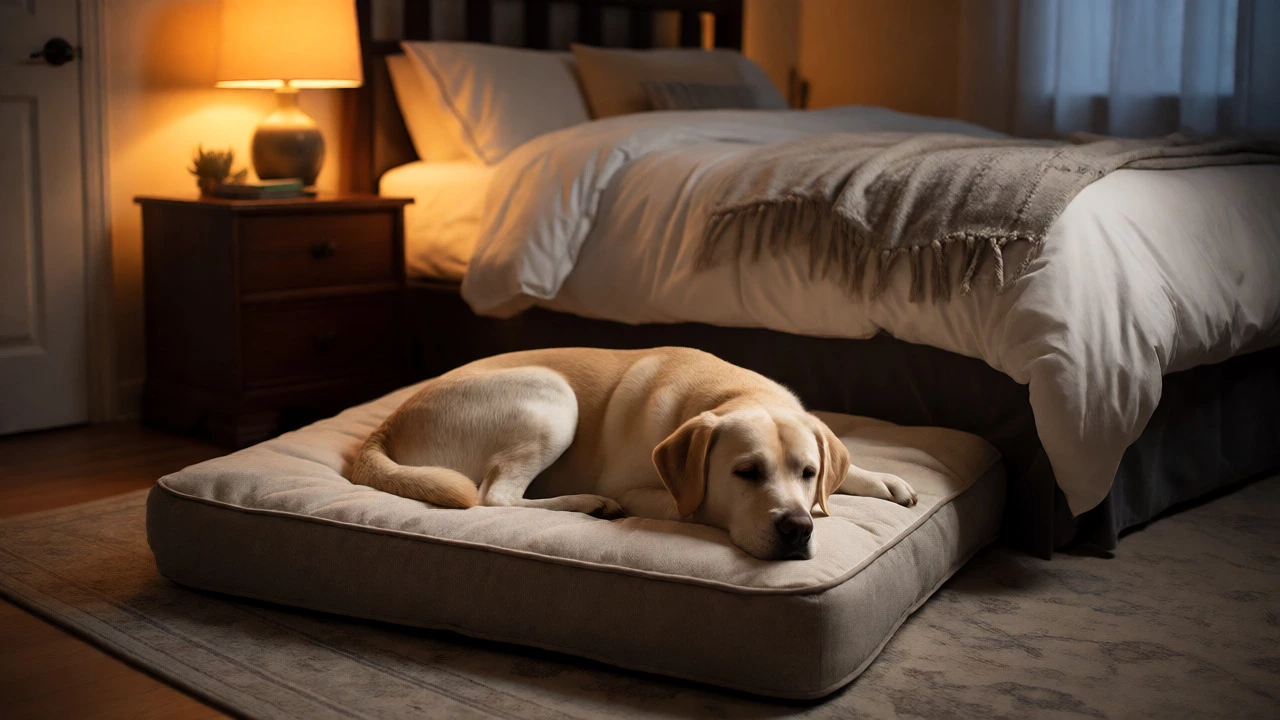
Placing the bed in your bedroom is often the default choice for puppy owners and those with high-anxiety dogs. The primary benefit here is proximity. Your scent is strongest in your bedroom, which acts as a powerful calming signal for stressed dogs. For puppies, this proximity helps with house training too; most dogs avoid soiling where they sleep, so having them nearby allows you to hear the subtle signs (whining, sniffing) that they need to go out before an accident happens.
| Pros | Cons |
|---|---|
| Enhances bonding and trust | Potential sleep disruption for owners |
| Easier nighttime potty training for puppies | Allergen accumulation (dander/dust mites) |
| Reduces separation anxiety at night | Harder to enforce "off-limits" rules later |
| Provides warmth and security | Space constraints in smaller bedrooms |
However, there’s a catch. If you let your dog sleep in the bedroom, you must decide immediately whether they are allowed on the actual bed. Mixing these two concepts confuses dogs. If the rule is "bedroom yes, bed no," you need a dedicated dog bed on the floor. This creates a clear boundary. If you skip this step, you might find yourself negotiating with a growling pup at 3 AM who has claimed the duvet.
The Case for the Living Room: Independence and Hygiene
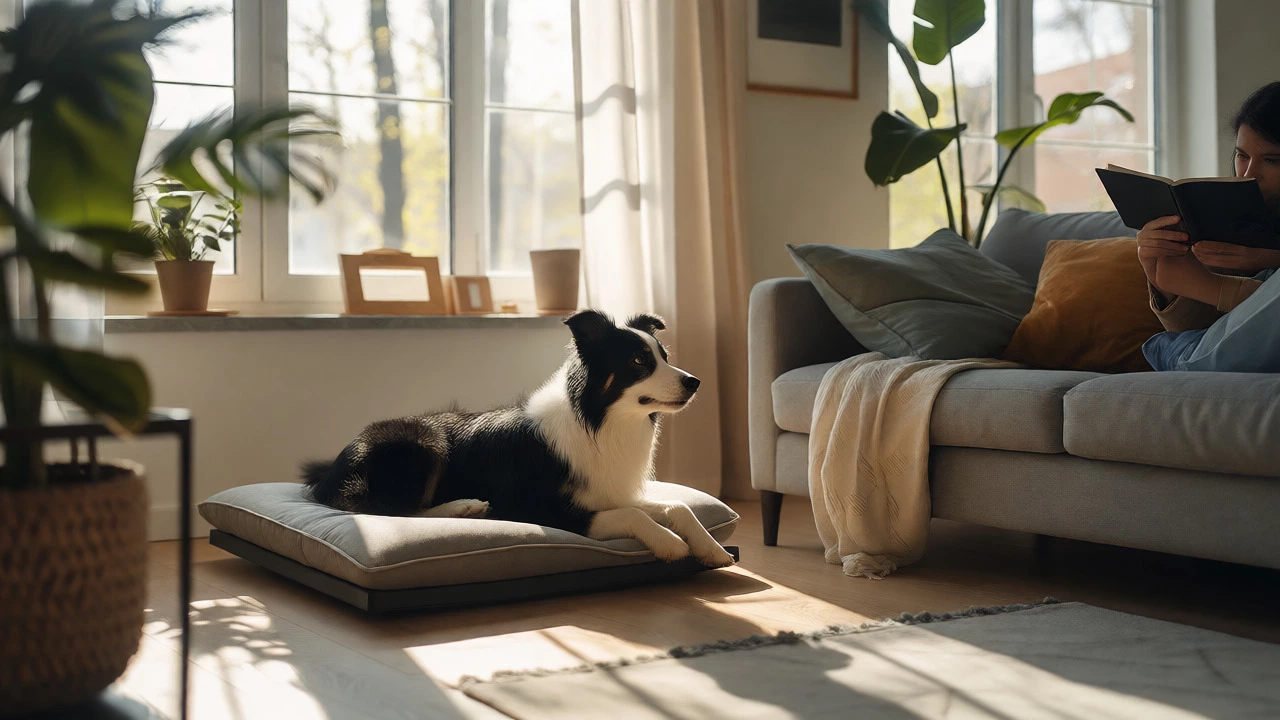
For adult dogs who are confident, fully house-trained, and not prone to panic, the living room is often the superior choice. It encourages independence. When your dog learns that being alone in another room is safe and comfortable, it builds resilience. This is crucial if you plan to leave them home alone for work hours. A dog that refuses to sleep unless you are within arm's reach may struggle with daytime separation.
Hygiene is another major factor. If you suffer from allergies, asthma, or just prefer a dust-free sanctuary for rest, keeping the dog out of the bedroom is a smart move. Dog dander can accumulate in bedding and carpets, triggering reactions that ruin your sleep. By placing the bed in the living room, you contain the mess. Plus, if your dog snores loudly or has gas issues (looking at you, French Bulldogs), your partner will thank you for keeping the snoring zone separate from the sleeping zone.
There is also the social aspect. Many dogs are "velcro" dogs during the day-they want to be in the same room as their humans when everyone is awake. The living room is usually the hub of activity. Placing the bed there allows the dog to observe family interactions without demanding constant attention. It satisfies their desire to be part of the pack while giving them a designated resting spot away from foot traffic.
How to Choose Based on Your Dog’s Personality
Not all dogs are created equal. Your choice should hinge on specific behavioral traits rather than general advice. Here is a quick way to assess your dog:
- The Anxious Sleeper: Does your dog pace, whine, or scratch doors when left alone? Start in the bedroom. Move them gradually over weeks once they show confidence.
- The Independent Observer: Does your dog happily watch TV from a corner? The living room is perfect. They get to see what’s happening but don’t need physical contact to sleep.
- The High-Energy Athlete: Breeds like Border Collies or Huskies may need a quieter, darker environment to wind down. If the living room is chaotic, a quiet corner of the bedroom or a spare office might be better.
- The Senior Dog: Older dogs often have joint pain and difficulty regulating temperature. They need a warm, draft-free spot. If your bedroom is warmer and quieter, it’s a good fit. If the living room has a cozy radiator spot, that works too-but ensure easy access for stiff joints.
Transitioning Your Dog’s Sleeping Spot
If you’ve already placed the bed in the wrong spot, don’t worry. Dogs are adaptable, but they hate sudden changes. Moving a bed overnight can cause confusion. Instead, use a gradual transition strategy.
- Stage 1: Place the new bed in the desired location (e.g., living room) while keeping the old bed in its current spot (e.g., bedroom). Let the dog explore both.
- Stage 2: Use positive reinforcement. Reward your dog with treats or praise when they voluntarily lie down on the new bed.
- Stage 3: Once they are comfortable using the new bed during the day, remove the old bed. If they whine at night, wait a few minutes before responding to ensure they aren’t just testing boundaries.
- Stage 4: Maintain consistency. If you allow them back in the bedroom after moving them to the living room, you reset the clock. Stick to the new rule for at least two weeks.
Remember that the bed itself matters. A cheap foam mattress that flattens in a week won’t encourage sleep anywhere. Invest in an orthopedic memory foam bed, especially for larger breeds or seniors. The comfort level directly impacts whether they stay in the assigned spot or wander off to your sofa.
Common Mistakes to Avoid
One major mistake is placing the bed in a high-traffic area. If your dog’s bed is in the middle of the hallway, they will be constantly stepped over or bumped into. This prevents deep REM sleep, leading to irritability. Look for a "low-traffic" zone-a corner where they can see the room but aren’t in the direct path of movement.
Another error is ignoring environmental factors. Is the bed next to a heater? Too hot. Is it under an air conditioning vent? Too cold. Is it next to a window that gets harsh afternoon sun? It might fade the fabric and overheat the dog. Test the spot yourself. Sit there for ten minutes. If you feel uncomfortable, your dog definitely will.
Finally, don’t assume one size fits all forever. As your dog ages, their needs change. A puppy who needed the bedroom for safety might thrive in the living room as an adult. Conversely, a senior dog who loved the living room might need the extra warmth and closeness of the bedroom as their mobility declines. Re-evaluate the setup annually.
Frequently Asked Questions
Should I let my puppy sleep in my bed?
It depends on your long-term goals. If you plan to eventually ban them from the bed, starting in a crate or on the floor next to your bed is easier. If you intend to co-sleep forever, start now to establish the routine early. Just be aware that puppy teeth and bladders make the first few months messy.
What if my dog destroys their bed in the living room?
Destruction often stems from boredom or anxiety, not just teething. Try moving the bed to a quieter, less stimulating area. Ensure they are getting enough mental and physical exercise before bedtime. If the destruction continues, consider a heavy-duty chew-proof bed made of ballistic nylon.
Is it bad for hygiene to have a dog in the bedroom?
Studies suggest that for many people, sharing a bed or room with a pet improves sleep quality due to increased feelings of security. However, if you have allergies, regular vacuuming and HEPA filters are essential. Wash dog bedding weekly in hot water to control dander and bacteria.
Can I have two dog beds?
Yes, and it’s often recommended. Having a "day bed" in the living room and a "night bed" in the bedroom gives the dog options. It helps manage their energy levels-relaxing in the living room during the day and settling down for deeper sleep at night in a quieter space.
How do I stop my dog from waking me up at night?
Ensure they have had sufficient exercise and a bathroom break right before bed. Ignore minor whining if you suspect it’s attention-seeking, but respond immediately to urgent signals. A consistent bedtime routine helps regulate their internal clock, reducing mid-night wake-ups.