
Dog Walking Gear Safety Checker
How it works: Answer three simple questions about your dog to get a personalized recommendation on whether a collar or harness is safer for your walks.
1. What type of dog do you have?
2. How does your dog behave on walks?
3. Does your dog have any health issues?
Safety Assessment
Recommended Setup:
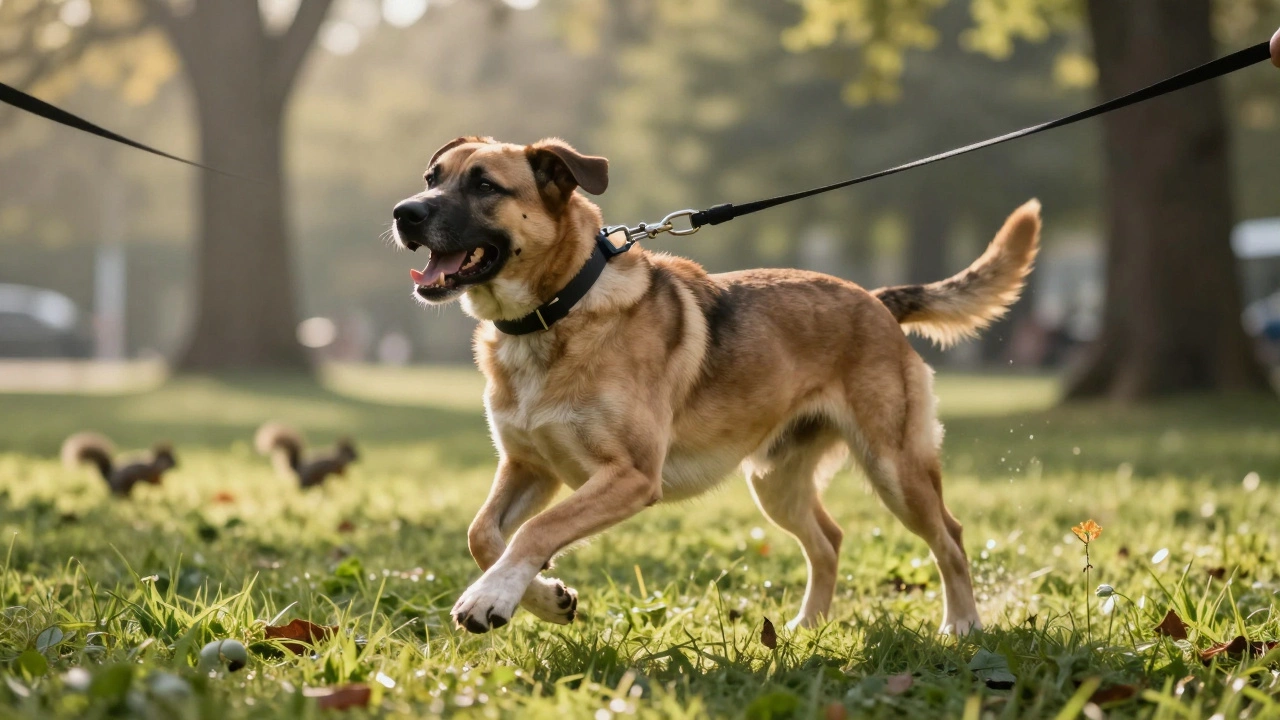
Picture this: you’re out on a brisk morning walk in Dublin’s Phoenix Park. Your dog spots a squirrel and bolts. You pull back on the leash, but instead of stopping, your pup just keeps going, their neck jutting forward against a tight strap. That moment of panic is familiar to many owners. It’s also the exact reason why the debate between dog harnesses and collars isn’t just about style-it’s about safety, control, and comfort.
If you’ve ever wondered whether that simple loop around your dog’s neck is doing more harm than good, you aren’t alone. The answer isn’t a simple yes or no. It depends entirely on your dog’s breed, size, behavior, and physical health. Let’s break down exactly when to use which gear so you can keep both you and your furry friend safe.
The Anatomy of Control: How Collars Work
To understand why some experts recommend ditching the collar, we first need to look at how it functions. A standard flat collar applies pressure directly to the trachea (windpipe) and the cervical spine. When a dog pulls, that force concentrates on a very small area of the neck.
For a well-trained dog that walks politely beside you, a collar is often sufficient. It’s lightweight, easy to put on, and holds ID tags securely. However, the risk spikes with specific breeds. Brachycephalic dogs-those with short snouts like Pugs, Bulldogs, and Boston Terriers-are particularly vulnerable. Their airways are already compromised; adding pressure from a pulling incident can cause coughing, gagging, or even long-term damage to the larynx.
Even in non-brachycephalic breeds, chronic pulling can lead to thyroid issues or damage to the vagus nerve, which runs along the neck. If your dog has a history of respiratory problems or neck pain, a collar might be the last thing they need.
| Dog Type | Behavior | Risk Level |
|---|---|---|
| Small, light breeds (e.g., Chihuahua) | Calm, doesn't pull | Low |
| Medium/Large breeds | Trained loose-leash walking | Low |
| Any breed | Pulls occasionally | Medium-High |
| Brachycephalic breeds | Any pulling | High |
The Harness Advantage: Distributing Pressure
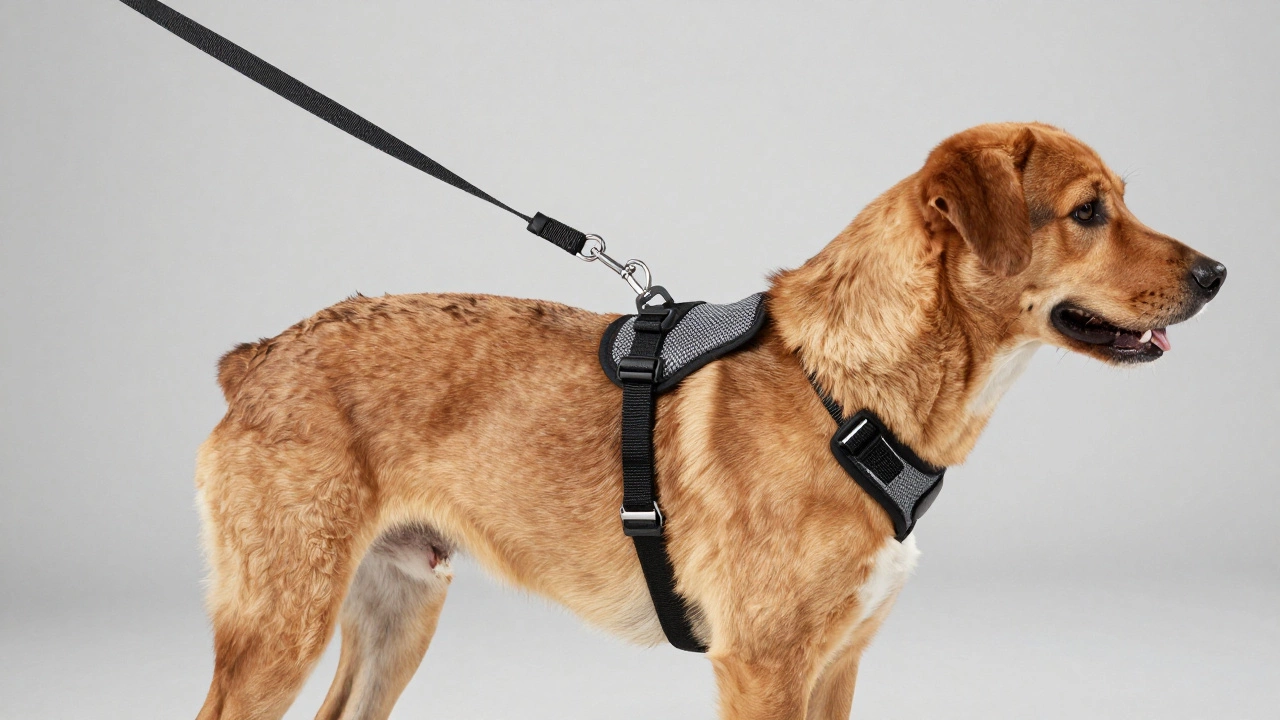
A dog harness is a piece of equipment that fits around a dog's torso, distributing pulling force across the chest and shoulders rather than the neck. This design fundamentally changes the physics of the walk. Instead of choking the windpipe, the pressure spreads over a larger surface area. This makes it much harder for a dog to injure themselves if they lunge.
There are two main types of harnesses you’ll encounter: front-clip and back-clip.
- Front-Clip Harnesses: The leash attaches to a ring on the dog’s chest. When the dog pulls, the harness gently turns their body toward you. This is a mechanical cue that discourages pulling without pain. It’s excellent for reactive dogs or those still learning leash manners.
- Back-Clip Harnesses: The leash attaches to the back. These are comfortable for dogs who don’t pull but offer less control if they do. They are great for hiking or off-leash play where you want minimal restriction.
However, harnesses aren’t perfect. Some poorly designed harnesses can chafe the armpits or restrict shoulder movement if they are too tight. Others, especially step-in styles, can be frustrating to put on a wiggly puppy. But for most active or strong dogs, the safety benefits outweigh these minor inconveniences.
Safety First: The ID Tag Dilemma
Here is the biggest drawback of switching to a harness: visibility. In Ireland, as in many places, it is a legal requirement for dogs to wear a collar with an ID tag when in public. Even if you walk your dog in a harness all day, you should always have a breakaway collar underneath it holding their license and contact information.
Why? Because accidents happen. A harness can slip off if a dog backs into a fence or jumps through a gap. A collar is less likely to come off completely unless it’s a specific breakaway type designed for safety. By wearing both, you ensure that if the harness fails, your dog is still identified. Think of the collar as insurance and the harness as the primary tool for control.
Breed-Specific Considerations
Not all dogs are created equal, and neither are their needs. Here is how different breeds typically respond to each option:
- Huskies and Malamutes: These sled dogs are bred to pull. A collar will not stop them; it will only hurt them. A sturdy front-clip harness is essential to manage their strength without causing injury.
- Greyhounds and Whippets: These sighthounds have delicate necks and low body fat. They are prone to skin tears and spinal injuries. A padded harness is almost mandatory for their protection.
- Labradors and Golden Retrievers: Friendly but energetic. If they are well-trained, a collar works. If they are enthusiastic greeters who jump up, a harness prevents them from using their momentum to knock you over.
- French Bulldogs: Due to their breathing issues, a collar is risky. A soft, flexible harness that doesn’t constrict the chest is the safest bet.
Training Implications
Your choice of gear also impacts your training success. If you are trying to teach loose-leash walking, a collar can inadvertently reward pulling. Every time the dog pulls and the collar tightens, they get a burst of speed forward. It’s a confusing signal.
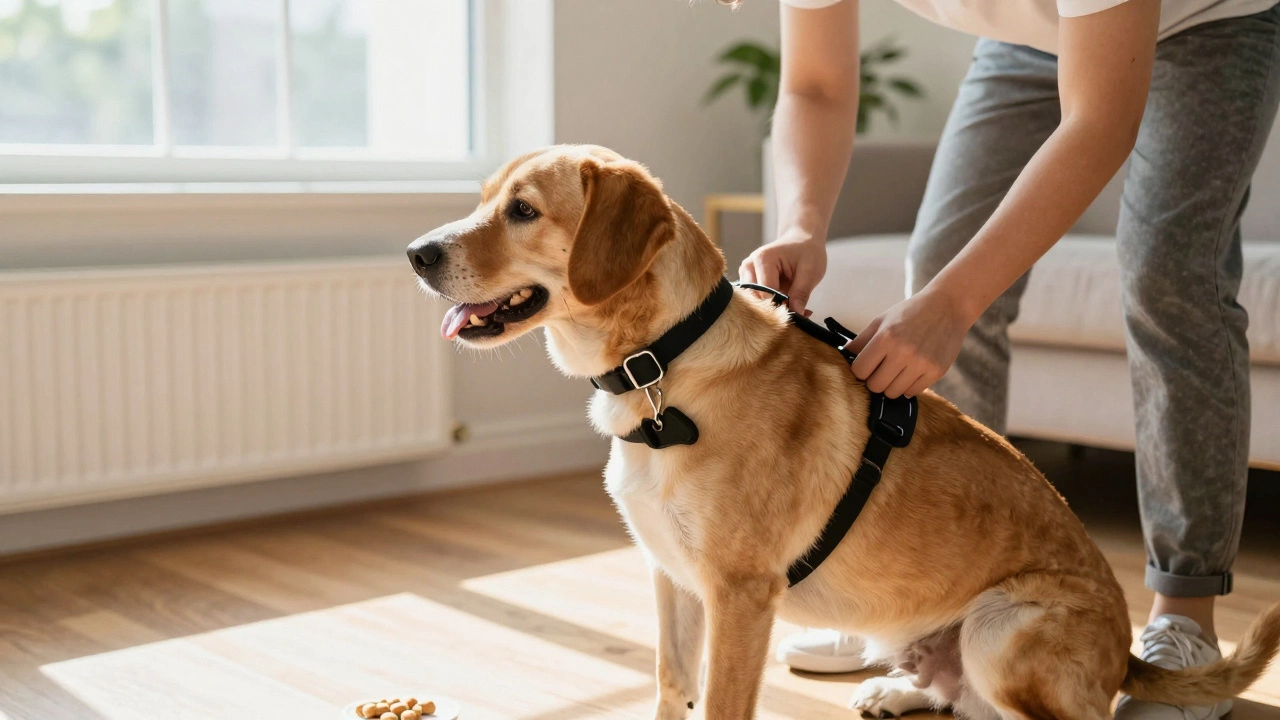
A front-clip harness provides immediate feedback. Pulling results in a gentle redirection, not a surge of power. This makes it easier for the dog to understand what you want. However, some dogs initially resist harnesses because they feel restrictive. It takes patience to let them sniff it, wear it indoors for short periods, and associate it with positive treats before taking it for a full walk.
How to Fit Gear Correctly
Whether you choose a collar or a harness, fit is everything. An ill-fitting piece of equipment is dangerous regardless of its design.
- The Two-Finger Rule: For collars, you should be able to slide two fingers comfortably between the collar and the dog’s neck. If it’s tighter, it’s choking them. If it’s looser, they can slip out.
- Harness Adjustments: Most harnesses have multiple adjustment points. Ensure the girth strap (around the ribcage) is snug but allows for expansion when the dog breathes deeply. You should not see any gaps where the fabric rubs against the skin.
- Check for Chafing: After the first few walks, check your dog’s armpits and neck for redness. If you see irritation, adjust the straps or consider a different material, such as mesh instead of nylon.
Making the Switch
If you decide to move from a collar to a harness, don’t do it overnight. Start by introducing the harness at home. Let your dog wear it while eating dinner or playing with toys. This builds positive associations. Then, take short walks around the block before heading to busier parks.
Remember, the goal is a partnership, not a battle. The right gear helps you communicate clearly with your dog. If your dog is pulling, straining, or showing signs of discomfort, it’s time to reevaluate your setup. Your vet can also provide advice if your dog has existing health conditions that affect their neck or back.
Can I use a harness and a collar at the same time?
Yes, and it is highly recommended. Use a breakaway collar for ID tags and legal compliance, and attach the leash to the harness for better control and safety. This combination ensures your dog is identified even if the harness slips off.
Are front-clip harnesses uncomfortable for dogs?
Some dogs find the sensation of the leash attached to their chest strange at first. However, once they adjust, most find them comfortable. Look for padded harnesses to reduce friction. If your dog seems restricted, try a different brand or style.
What is the best harness for a dog that pulls?
A front-clip harness is generally the best choice for pullers. It mechanically redirects the dog’s energy toward you when they pull, making it difficult for them to continue lunging forward. Combine this with consistent training for best results.
Is it illegal to walk a dog without a collar in Ireland?
Yes. Under Irish law, dogs must wear a collar with an identification tag containing the owner's name and address when in a public place. Even if you use a harness, a collar with tags is required.
Do harnesses prevent dogs from slipping out?
Properly fitted harnesses are much harder to escape than collars. However, determined dogs can still back out of some designs. Look for harnesses with multiple buckles or a Y-shaped front panel to secure the chest and neck area effectively.