
Dog Grooming Schedule Calculator
Select your dog's primary coat type to generate a personalized maintenance plan. This tool helps you avoid matting, skin issues, and unnecessary vet visits.
You just brought home a fluffy new puppy or adopted an older rescue with a matted coat. The first thing you notice isn't the wagging tail-it's the smell. Or maybe it's the way your dog leaves clumps of fur on your black sofa every time they sit down. You're staring at the shampoo bottle, wondering: how often do dogs need grooming? Is once a month enough? Should I be brushing them daily? If you wait too long, will their skin get infected?
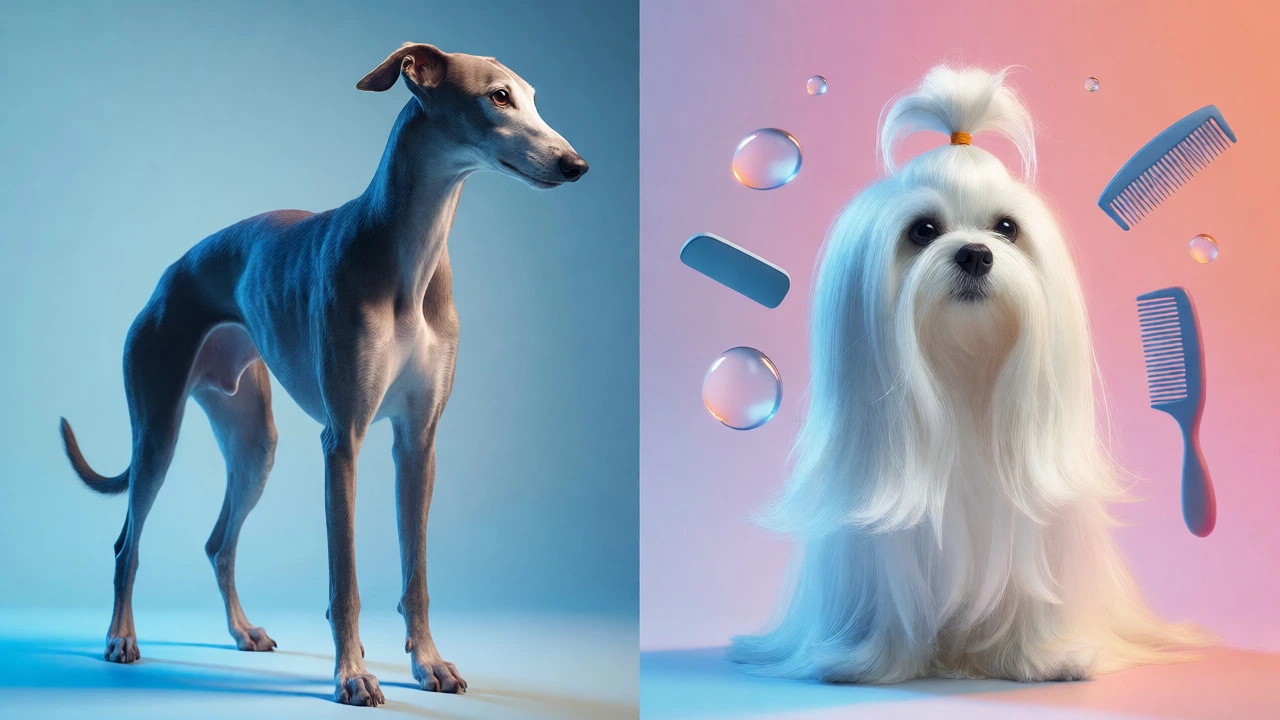
The truth is, there’s no single number that applies to every dog. A Greyhound and a Poodle have completely different maintenance needs. But here’s the good news: once you understand your dog’s coat type, you can build a simple routine that keeps them healthy, happy, and smelling fresh without spending a fortune at the groomer. Let’s break down exactly what your dog needs, why it matters, and how to spot when it’s time for a trim.
Why Coat Type Dictates Your Schedule
Your dog’s hair isn’t just decoration; it’s a protective layer. How fast it grows, how much it tangles, and how well it sheds all depend on genetics. Before you buy any brushes, look at your dog’s coat. This is the primary factor determining their grooming frequency.
If you have a short-haired breed like a Labrador or a Boxer, their coat is designed to repel dirt and shed seasonally. They don’t tangle easily, so they need less active grooming but more frequent bathing to remove oils and dirt. On the flip side, double-coated breeds like Huskies or German Shepherds have a dense undercoat that traps heat and debris. If you don’t brush these regularly, that undercoat mats against the skin, leading to hot spots and pain.
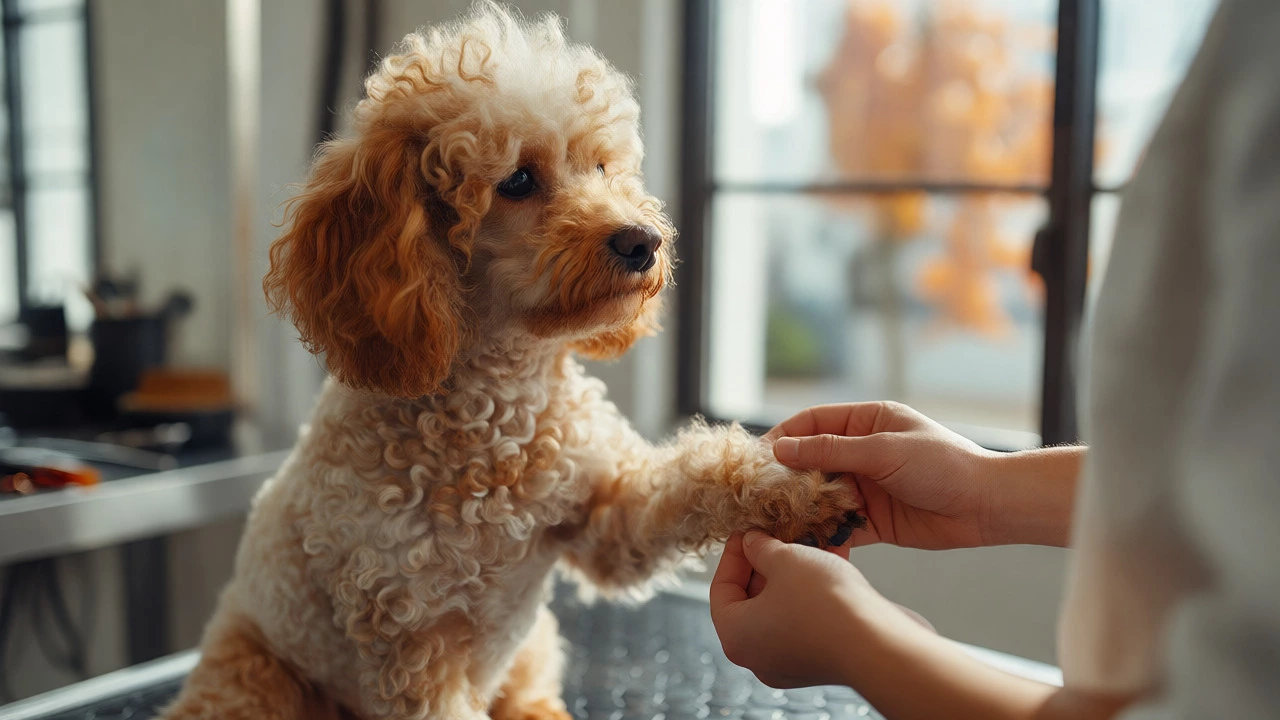
Then there are the continuous growers-Poodles, Shih Tzus, and Maltese. Their hair doesn’t fall out naturally; it keeps growing until it breaks off or gets tangled. These dogs require professional trimming every 4-6 weeks because their coats become unmanageable quickly. Ignoring this schedule turns a cute fluffy pup into a painful, knotted mess within two months.
The Golden Rule: Brushing vs. Bathing
Most owners confuse grooming with bathing. They think if they wash the dog, they’re done. Wrong. Bathing removes dirt, but brushing prevents matting and distributes natural oils. In fact, brushing is far more important than washing for most breeds.
Here is a realistic breakdown based on coat types:
- Short-Haired (e.g., Beagle, Dalmatian): Brush once a week to remove loose hair. Bathe every 1-3 months, or only when they roll in something smelly.
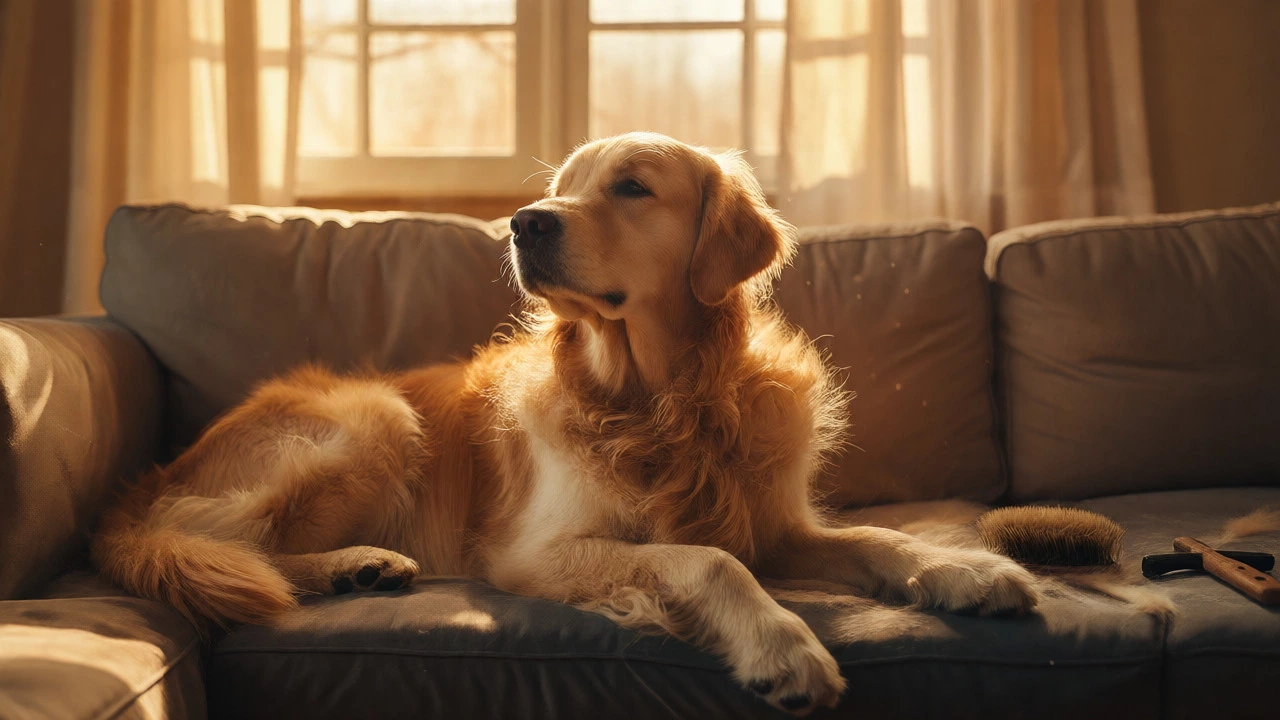
- Double-Coated (e.g., Golden Retriever, Border Collie): Brush 2-3 times a week. During shedding seasons (spring/fall), daily brushing is necessary to manage the "blow coat." Bathe every 6-8 weeks.
- Long-Haired/Silky (e.g., Yorkshire Terrier, Afghan Hound): Daily brushing is non-negotiable. Their fine hair knots instantly. Bathe every 2-3 weeks.
- Curly/Wooly (e.g., Poodle, Bichon Frise): Brush every other day to prevent curls from tightening into mats. Professional grooming every 4-6 weeks.
Notice a pattern? The longer and curlier the hair, the more often you touch it. If you skip brushing for a week on a Poodle, you might spend hours cutting out mats later-or worse, shave the whole dog because the mats are too tight to comb out.
| Coat Type | Brushing Frequency | Bathing Frequency | Professional Trim |
|---|---|---|---|
| Short Hair | Weekly | Every 1-3 Months | Rarely Needed |
| Double Coat | 2-3x Weekly (Daily in Shedding) | Every 6-8 Weeks | Seasonal Blow-out |
| Long/Silky Hair | Daily | Every 2-3 Weeks | Every 6-8 Weeks |
| Curly/Wooly | Every Other Day | Every 2-3 Weeks | Every 4-6 Weeks |
Signs Your Dog Is Overdue for a Groom
Schedules are helpful, but your dog’s body gives you real-time feedback. Don’t rely solely on the calendar. Check your dog weekly for these red flags:
Mats and Knots: Run your fingers through their coat, especially behind the ears, under the legs, and around the collar. If you hit resistance or find small balls of hair, you’re late. Mats pull on the skin and restrict blood flow, causing genuine pain.
Odor: A clean dog shouldn’t smell like "wet dog" constantly. If your dog starts emitting a musty or yeasty smell even after drying, bacteria or yeast may be building up in the skin folds or ear canals. This often means the coat is too thick or dirty, trapping moisture.
Visible Skin Issues: Look for redness, flaking, or darkening of the skin. If you see "dandruff" (seborrhea) or black patches (acanthosis nigricans), it could indicate poor air circulation due to a heavy coat or infrequent cleaning.
Nail Length: While not technically "hair," nails are part of grooming. If you hear clicking on hard floors, they’re too long. Long nails alter your dog’s posture and can cause joint pain over time. Trim them every 3-4 weeks, regardless of coat type.
Living With Shedding: It’s Not Always Bad
In Ireland, where damp weather can exacerbate skin issues, many owners panic when their dog sheds. But shedding is natural. For double-coated breeds, trying to stop shedding entirely is impossible. Instead, manage it.
Use an undercoat rake during spring and autumn. These tools reach deep into the dense fur to pull out dead undercoat before it falls onto your carpet. If you use a standard pin brush on a Husky, you’re just scratching the surface. You’ll miss the bulk of the shed hair, which then mats against the skin.
Also, consider diet. Poor nutrition leads to brittle hair and excessive shedding. High-quality omega-3 fatty acids improve coat health, reducing dry skin and dander. If your dog’s shedding seems sudden or patchy, consult a vet. It could be allergies, parasites, or hormonal imbalances-not just a grooming issue.
DIY vs. Professional: When to Call the Pro
You can handle most basic grooming at home. Baths, nail trims, and light brushing are manageable with the right tools. But some tasks require skill and equipment you probably don’t have.
Hire a professional if:
- Your dog has severe mats: Cutting mats out with scissors risks nicking the skin because mats pull the skin up into the knot. Professionals use clippers safely.
- It’s a sanitary trim: Trimming hair around the rear end and belly prevents feces and urine from sticking to the fur. It’s awkward to do yourself and crucial for hygiene.
- Ear plucking is needed: Breeds like Poodles and Cocker Spaniels grow hair inside the ear canal. If not plucked, it traps wax and moisture, leading to chronic infections. Vets or groomers usually handle this.
- Expressing anal glands: Some dogs need their anal sacs emptied periodically. If your dog scoots its bottom on the floor, book a groomer or vet appointment.
For routine maintenance, investing in a high-quality slicker brush, a metal comb, and a deshedding tool pays off. You’ll save money and strengthen your bond with your dog by handling them regularly.
Building a Routine That Sticks
Grooming fails when it becomes a chore. Make it positive. Start young. Even adult dogs can learn to enjoy grooming if you pair it with treats and calm energy.
Try the "10-Minute Rule." Set a timer for ten minutes. Focus on one area per session-one leg, one ear, the back. Stop while your dog is still tolerant. This prevents stress and builds cooperation. Never punish a dog for moving away; just pause and resume later.
Keep a grooming log. Note when you last bathed, trimmed nails, or applied flea treatment. Apps or a simple fridge magnet calendar work wonders. Consistency beats intensity. Brushing for five minutes daily is better than an hour-long battle once a month.
Remember, grooming isn’t just about aesthetics. It’s preventive healthcare. Regular checks allow you to spot lumps, bumps, ticks, or skin changes early. By understanding how often do dogs need grooming for their specific breed, you’re protecting their comfort and health.
Can I bathe my dog too often?
Yes. Bathing strips natural oils from the skin. For most dogs, bathing more than once a week causes dry, itchy skin and dull coats. Unless your dog has a medical condition requiring medicated baths, stick to the schedules outlined above. Use a gentle, pH-balanced dog shampoo, never human shampoo, as human skin has a different acidity level.
Do indoor dogs need less grooming?
Not necessarily. Indoor dogs may stay cleaner, but they still shed, develop mats, and accumulate dead skin cells. In fact, indoor heating can dry out their skin, making regular brushing more important to distribute oils. Outdoor dogs get muddy, but indoor dogs can develop static cling and dust buildup. Both need consistent coat care.
What happens if I never groom my dog?
Severe matting can occur, pulling on the skin and causing pain. Hidden skin infections, parasites, and wounds go unnoticed. Nails can grow into the paw pads, causing lameness. Ear infections become chronic due to trapped debris. Ultimately, neglect leads to expensive veterinary bills and reduced quality of life for your dog.
Is it okay to shave a double-coated dog?
Generally, no. Double coats regulate temperature. Shaving disrupts this insulation, potentially causing overheating in summer and cold sensitivity in winter. The undercoat may also grow back faster than the topcoat, leading to permanent texture changes and increased matting. Only shave double-coated dogs if severely matted or medically necessary.
How do I know if my dog’s grooming schedule is working?
Your dog should have a shiny coat, no visible mats, clean ears, and no strong odor between baths. Their skin should look pink and healthy, not red or flaky. If your furniture has minimal fur accumulation and your dog moves comfortably without itching or scooting, your routine is effective.