
Cat Food Topper & Safety Calculator
Safe Topper Calculator
Determine the maximum amount of wet food or treats you can add to your cat's dry kibble without exceeding the recommended 15% daily caloric limit.
Ingredient Safety Check
Check if a common kitchen ingredient is safe to mix with your cat's dry food.
Food Name
Quick Tips:
- Always introduce new foods slowly over 7-10 days.
- Avoid onions, garlic, chives, and grapes.
- Warm water/broth improves hydration.
Most of us love the convenience of dry cat food. You scoop it into a bowl, and you’re done. It’s cheap, it lasts forever in the pantry, and your cat seems happy enough eating it. But if you’ve ever wondered whether that crunchy kibble is actually enough, you are not alone. The short answer is yes, you should probably add something. Not necessarily because your current food is bad, but because dry food on its own often misses the mark on two critical fronts: hydration and biological appropriateness.
Cats are obligate carnivores with desert ancestry. Their bodies are designed to get moisture from prey, not from a bowl of dehydrated pellets. When we feed them only dry food, we are asking their kidneys to work overtime to conserve water. Adding specific things to their diet can bridge this gap, improve digestion, and keep your cat healthier for longer. Let’s look at exactly what you can add, why you might need it, and how to do it without turning mealtime into a battle.
The Hydration Gap: Why Water Matters More Than You Think
The biggest issue with dry cat food is that it contains very little moisture. Most commercial kibble has about 10% water content. Compare that to raw meat or high-quality wet cat food, which sits around 70-80% moisture. If your cat eats only dry food, they have to drink significantly more plain water to stay hydrated. Many cats simply don’t drink enough. They evolved to sip from dew on leaves or blood in prey; standing still to lap from a stagnant bowl isn't natural behavior for many felines.
This lack of hydration leads to chronic low-grade dehydration. Over time, this stresses the kidneys and urinary tract. Urinary crystals, bladder stones, and kidney disease are common issues in indoor cats, and diet plays a huge role. You don’t have to switch entirely to wet food if you hate the smell or the cost, but you do need to boost the moisture intake.
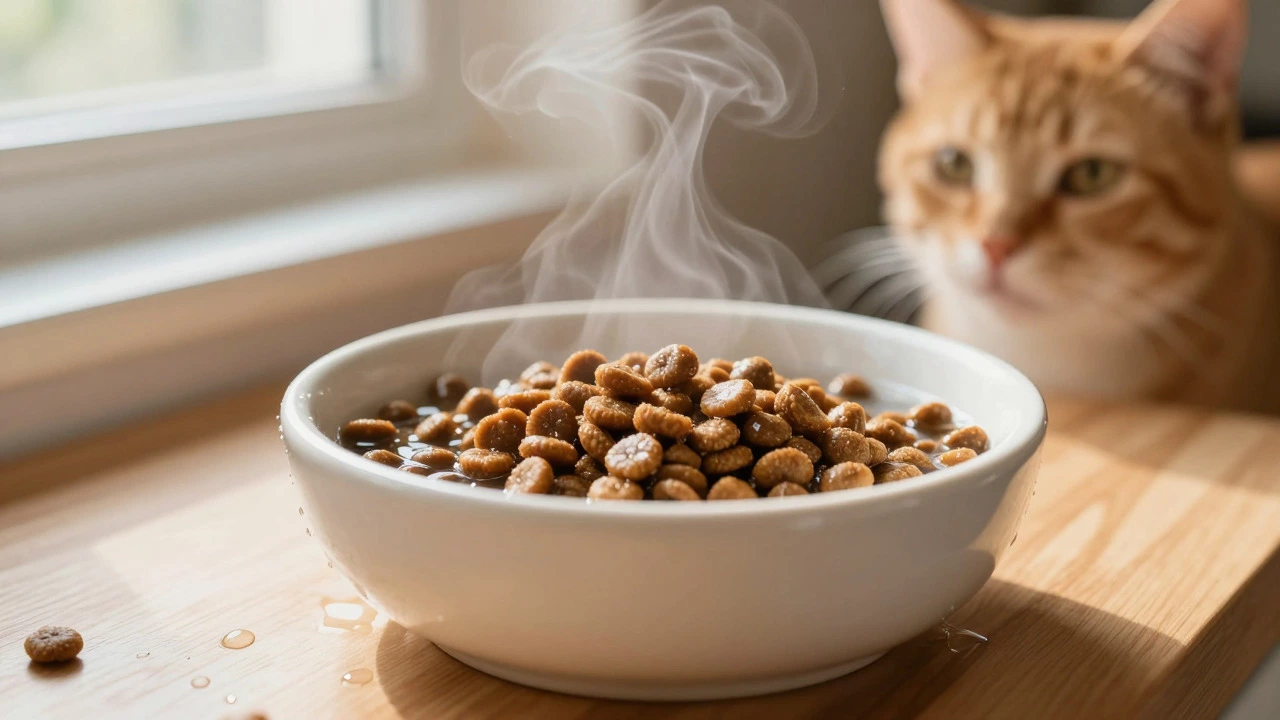
- Add warm water: Soak a small portion of the kibble in warm (not hot) water for 10 minutes before serving. This softens the food, releases aromas that stimulate appetite, and adds immediate liquid calories.
- Mix in broth: Use a small amount of unsalted chicken or beef bone broth. Ensure it contains no onions or garlic, which are toxic to cats. Stir it into the dry food to make it more palatable and hydrating.
- Offer wet food as a topper: Even just one tablespoon of canned tuna in water or a specialized wet food mix-in can provide a significant moisture boost.
Protein Boosters: Getting Closer to Whole Prey
Dry food relies heavily on carbohydrates to bind the kibble together. While cats can digest carbs, they don’t require them. In fact, excess carbohydrates contribute to obesity and diabetes in cats. To balance out the carb load in kibble, you can add high-protein, low-carb toppers. This mimics the nutrient density of the whole mouse or bird they would eat in the wild.
You want ingredients that are easily digestible and rich in amino acids like taurine, which cats cannot produce on their own. Taurine deficiency can lead to heart failure and blindness, so ensuring adequate intake is crucial, especially if your cat is a picky eater who might not finish every bite of kibble.
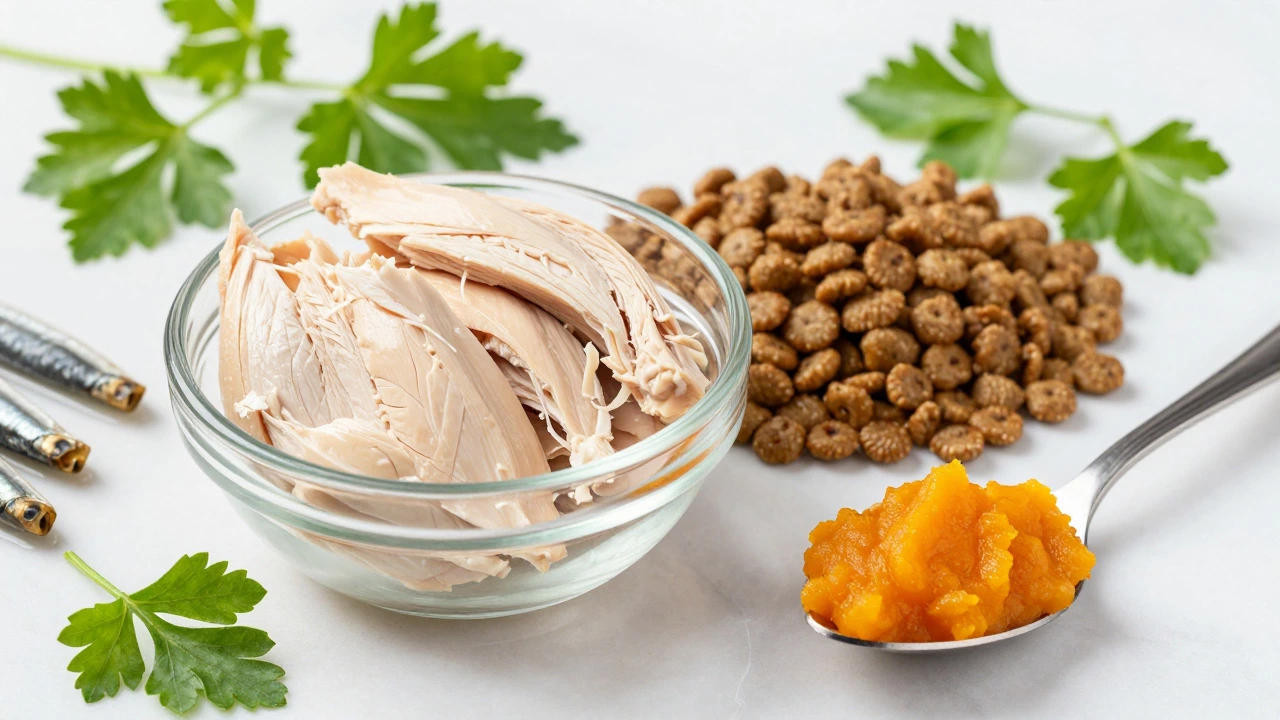
| Topping | Benefits | Preparation Notes |
|---|---|---|
| Boiled Chicken Breast | High protein, lean, easy to digest | Shred finely. No skin, no bones, no seasoning. |
| Plain Cooked Egg | Complete amino acid profile, biotin | Hard-boiled and crumbled. Avoid raw eggs due to salmonella risk and avidin binding. |
| Sardines in Water | Omega-3 fatty acids, calcium | Rinse well to remove excess sodium. Mash slightly. |
| Pumpkin Puree | Fiber for digestion, low calorie | Use plain puree, not pie filling. Good for constipation or diarrhea. |
Functional Supplements: When Food Isn't Enough
Sometimes, adding moisture and protein isn't enough. Certain life stages or health conditions require targeted nutritional support. Before adding any supplement, it is wise to consult your veterinarian, but here are some common additions that many cat owners find beneficial.
Omega-3 Fatty Acids: Dry food often lacks sufficient Omega-3s, which are essential for reducing inflammation, supporting heart health, and maintaining a shiny coat. Fish oil derived from anchovies or sardines is a popular choice. Just ensure it is formulated for pets or human-grade without added vitamins A or D in high doses, as these can be toxic in excess.
Probiotics: Cats have sensitive digestive systems. Stress, diet changes, or antibiotics can disrupt their gut flora. Adding a feline-specific probiotic powder to their food can help maintain a healthy microbiome, reduce gas, and improve stool quality. Look for strains like Bacillus coagulans or Lactobacillus acidophilus.
Taurine Supplements: While most reputable dry foods include taurine, heat processing can degrade it over time. If your cat is old, sick, or on a homemade diet mixed with kibble, a taurine supplement might be recommended by your vet to prevent dilated cardiomyopathy.
What NOT to Add: Common Kitchen Mistakes
In our eagerness to "supercharge" our cat’s diet, we often turn to human foods that are harmless to us but dangerous to them. The line between a helpful topper and a toxic hazard is thinner than you think.
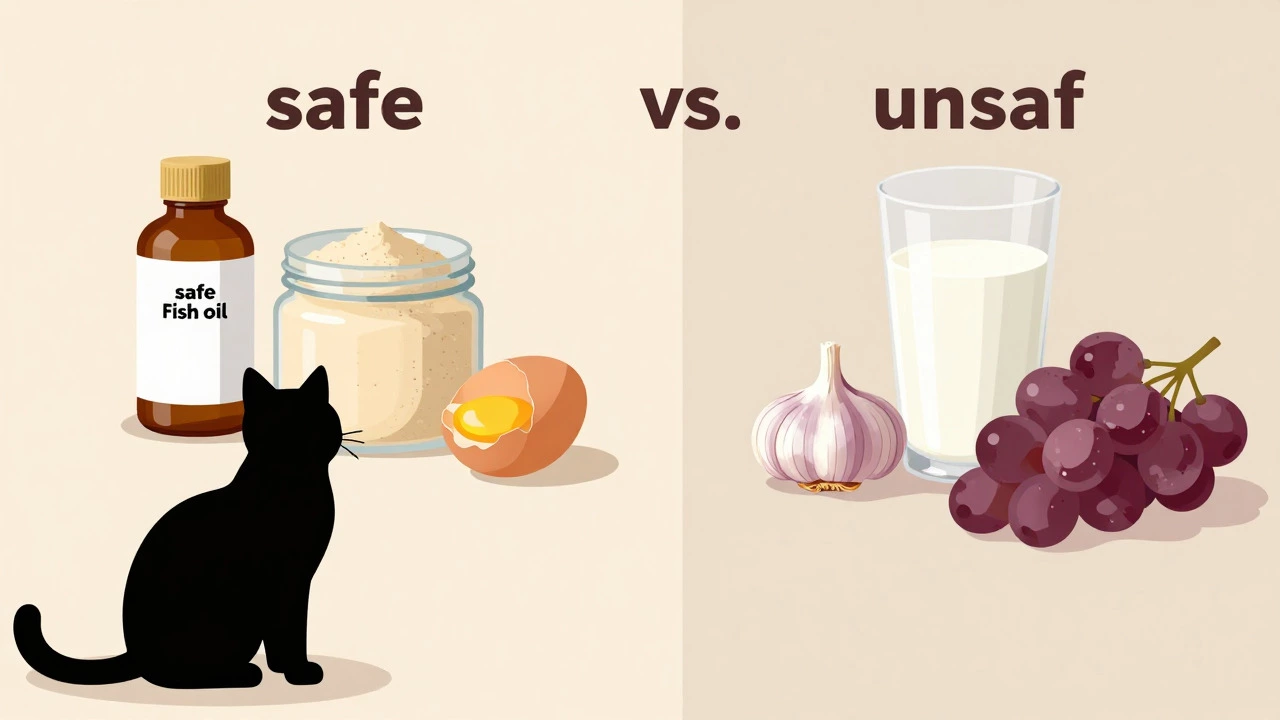
- Milk: Despite the cartoons, most adult cats are lactose intolerant. Cow’s milk causes diarrhea, bloating, and discomfort. Stick to water-based broths or lactose-free cat milk if you must.
- Onions and Garlic: These contain compounds that damage red blood cells, leading to anemia. Avoid any broth or soup base that includes these alliums.
- Chives and Leeks: Part of the same family as onions, these are also toxic even in small amounts.
- Grapes and Raisins: These can cause acute kidney failure in cats. Never use fruit salads or dried fruits as toppers.
- Xylitol: Found in sugar-free gums and some peanut butters, xylitol is highly toxic and can cause liver failure.
How to Introduce New Foods Safely
Cats are notoriously neophobic, meaning they fear new things. If you suddenly change their dinner, they might refuse to eat altogether, which is dangerous for cats who can develop hepatic lipidosis (fatty liver disease) if they stop eating for more than 24-48 hours.
To introduce any new addition, follow the gradual mixing rule. Start by mixing a tiny amount-just a teaspoon-of the new topper with their regular dry food. Observe their reaction. If they eat it and their stomach handles it well (no vomiting or diarrhea), slowly increase the proportion over 7 to 10 days. This gives their digestive system time to adjust to the new fiber, protein, or fat content.
If your cat turns up their nose, try warming the topper slightly. Smell is the primary driver of appetite in cats. A warm piece of chicken smells much more like fresh prey than cold, dry kibble does. Patience is key. Some cats take weeks to accept a new flavor.
Monitoring Health Changes
When you start adding things to your cat’s dry food, pay close attention to their body condition and litter box habits. Weight gain is a sign you may be adding too many calories. Topper portions should generally not exceed 10-15% of their total daily caloric intake unless directed by a vet for weight gain purposes.
Watch their stool. Softening the food with water or pumpkin should result in firmer, easier-to-pass stools if they were previously constipated. If the stool becomes loose or watery, you may have introduced too much fiber or fat too quickly. Adjust the ratio accordingly.
Finally, monitor their water consumption. If you are successfully adding moisture through food, they might drink less from the bowl, which is normal. However, ensure they always have access to fresh water. A running water fountain can encourage drinking if they still prefer plain water sources.
Can I give my cat dry food every day?
Yes, cats can eat dry food every day, provided it is a complete and balanced diet formulated for their life stage. However, feeding exclusively dry food requires careful monitoring of hydration levels. Many vets recommend mixing in wet food or adding water to kibble to prevent urinary and kidney issues associated with chronic low-water intake.
Is it safe to add water to dry cat food?
It is perfectly safe to add water to dry cat food. In fact, it is highly recommended for cats prone to urinary crystals or kidney disease. Just let the water sit for a few minutes to soften the kibble. If your cat doesn't eat it within an hour, discard the soggy food to prevent bacterial growth, as moist food spoils faster than dry kibble.
What vegetables can I add to my cat's dry food?
Cats are obligate carnivores and do not need vegetables, but some can aid digestion. Plain pumpkin puree (not pie filling) is excellent for fiber. Small amounts of steamed green beans or carrots can be added, but they should never replace protein. Avoid corn, peas, and potatoes in large quantities as they are high-carbohydrate fillers.
Does adding wet food to dry food ruin the nutritional balance?
If you add a small amount of wet food (less than 10-15% of total calories), it won't significantly throw off the balance. Both foods are typically AAFCO compliant. However, if you are replacing a large portion of kibble with wet food, you should calculate the total calories to ensure your cat isn't becoming overweight or underweight. Wet food is more calorie-dense per gram of volume due to higher protein and fat content.
My cat refuses to eat anything other than dry food. What should I do?
Start by sprinkling a strong-smelling topper like freeze-dried chicken liver powder or a bit of tuna juice over the kibble. Gradually introduce moisture by soaking the kibble in water for shorter periods, then longer. Be patient; changing a cat's dietary habits takes time. If they remain stubborn, focus on encouraging water intake through fountains and multiple water stations.