
Dog Grooming Schedule Calculator
Beagles, Dalmatians, Boxers. Low maintenance, minimal cutting.
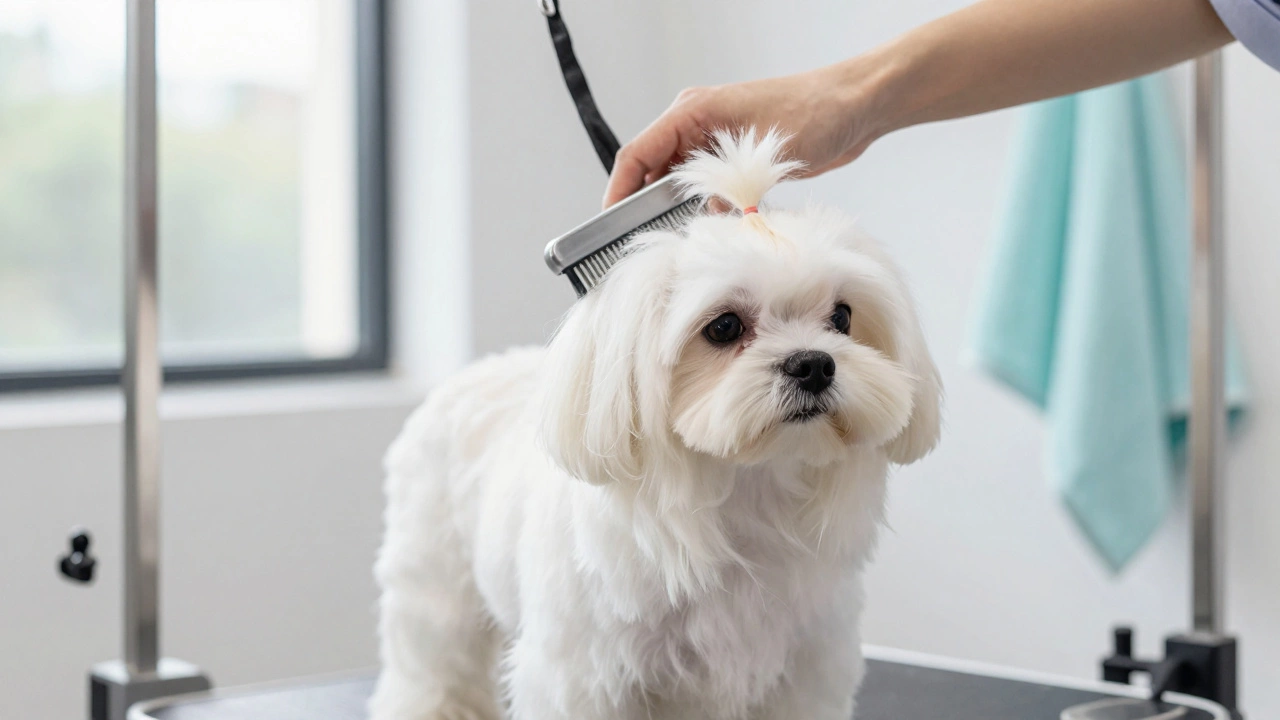
Poodles, Maltese, Shih Tzus. Continuous growth, prone to matting.
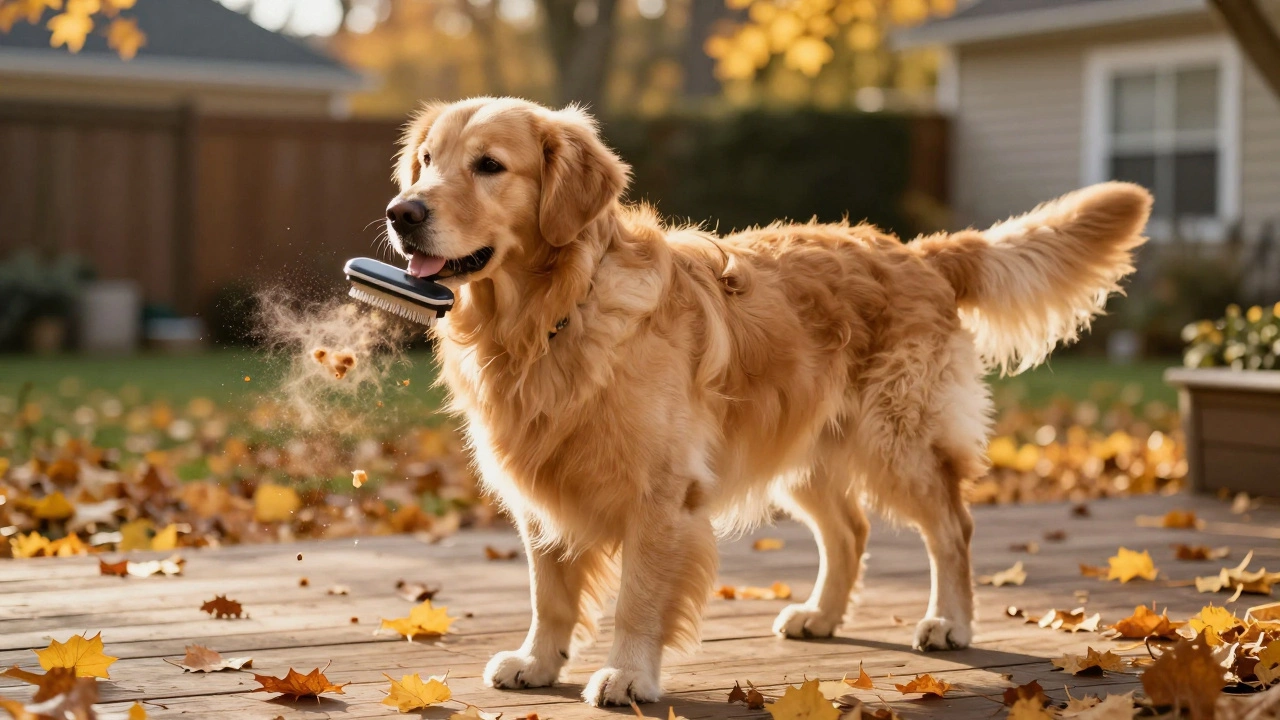
German Shepherds, Huskies, Golden Retrievers. Heavy shedding, insulating undercoat.
Recommended Routine
Universal Care Checklist
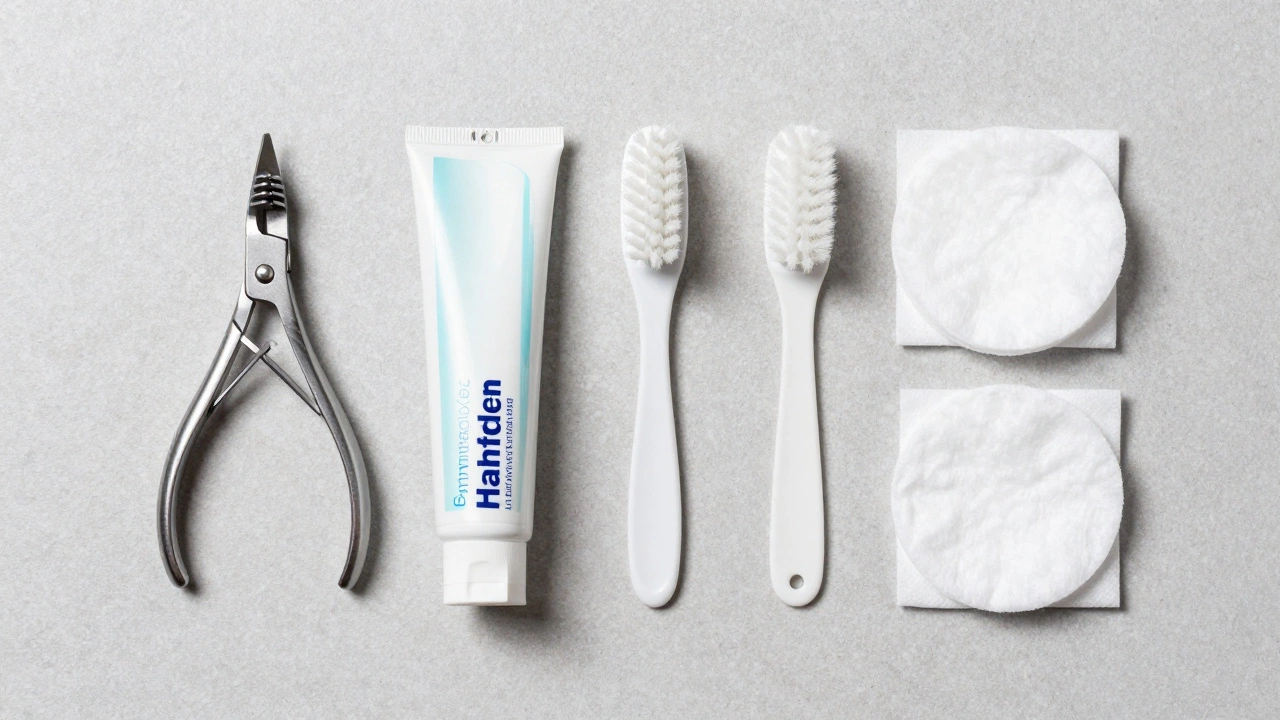
- ✓ Nails: Trim every 2-3 weeks
- ✓ Ears: Check weekly (wipe monthly)
- ✓ Teeth: Brush 2-3 times per week
- ✓ Bathing: Every 4-6 weeks or when dirty
Select a coat type and season to generate your personalized grooming plan.
You might think grooming is just about making your dog look good for the neighborhood walk. But if you’ve ever dealt with a matting disaster or watched your dog scratch themselves raw, you know it’s actually a health issue. The short answer to "how many times a year should a dog be groomed?" is that there is no single number. It depends entirely on what grows out of their head.
A hairless Sphynx cat is a breed known for its lack of fur and high skin maintenance needs requires daily attention, while a Husky is a double-coated breed that sheds heavily but rarely needs professional cutting might only need a bath twice a year. Getting this wrong can lead to skin infections, overheating, or expensive vet bills. Let’s break down exactly how often you need to touch up your dog’s coat based on their specific breed type.
The Three Main Coat Types and Their Schedules
Before you book an appointment, you need to identify your dog’s coat structure. Most dogs fall into one of three categories, each with a very different maintenance rhythm.
Short, Single-Coat Breeds
Dogs like Beagles are small scent hounds with short, dense coats that shed moderately, Dalmatians are spotted dogs with short hair that requires minimal styling, and Boxers are muscular dogs with smooth coats prone to sunburn are low-maintenance in terms of cutting. You won’t be visiting a salon for haircuts.
However, "low maintenance" doesn't mean "no maintenance." These dogs still accumulate dirt, oils, and dead hair. For these breeds, professional grooming is usually limited to bathing and nail trimming every 4 to 8 weeks. At home, you should brush them once a week to remove loose hair and distribute skin oils. If you skip brushing, you’ll find dog hair on every black shirt you own.
Long, Straight Coats
Breeds like Poodles are curly-coated dogs that require regular clipping to prevent matting (in standard form), Maltese are small companion dogs with long, silky hair that tangles easily, and Shih Tzus are toy breeds with double coats that grow continuously have hair that grows continuously, much like human hair. If you don’t cut it, it hits the floor.
For these dogs, professional grooming every 4 to 6 weeks is non-negotiable. Why so frequent? Because mats form quickly near the ears, under the legs, and around the tail. Once a mat touches the skin, it causes pain and restricts blood flow. You cannot comb it out; it has to be shaved off. Regular trims keep the coat manageable and prevent those painful hot spots.
Double-Coated Breeds
This group includes German Shepherds are working dogs with thick double coats designed for cold weather, Golden Retrievers are friendly family dogs with water-resistant outer coats, Siberian Huskies are sled dogs with heavy shedding cycles, and Corgis are herding dogs with dense undercoats. These dogs have a soft, insulating undercoat and a harsh, protective outer coat.
Here is the golden rule: Never shave a double-coated dog unless directed by a vet for medical reasons. Shaving removes the protective guard hairs and damages the temperature regulation system. Instead, they need professional de-shedding treatments every 3 to 4 months. Between those visits, you must brush them 2 to 3 times a week. During "blowing coat" seasons (spring and autumn), you may need to brush daily to prevent matting and excessive shedding inside your house.
| Coat Type | Professional Grooming | Home Brushing | Key Focus |
|---|---|---|---|
| Short/Single | Every 4-8 weeks (Bath/Nails) | 1x per week | Dirt removal, nail care |
| Long/Straight | Every 4-6 weeks (Trim) | 2-3x per week | Mat prevention, hygiene |
| Double-Coated | Every 3-4 months (De-shed) | 2-7x per week (seasonal) | Undercoat management |
The Hidden Parts: Nails, Ears, and Teeth
When people ask about grooming frequency, they usually think of hair. But neglecting the other areas can cause more immediate suffering than a bad haircut.
Nail Trimming
If you hear your nails clicking on the floor when your dog walks, they are too long. Overgrown nails alter your dog’s posture, leading to joint pain and arthritis over time. They can also split and bleed. Aim to trim nails every 2 to 3 weeks. If you’re nervous about using clippers, most pet stores offer free nail grinding services, which is a safer alternative for beginners.
Ear Cleaning
Dogs with floppy ears, like Cocker Spaniels are hunting dogs with large, pendulous ears prone to infection, are prone to ear infections because air doesn’t circulate well. Check their ears weekly. If they smell bad or look red, see a vet. For routine care, wipe the inner flap with a damp cloth or use a vet-approved ear cleaner once a month. Never insert cotton swabs deep into the ear canal.
Dental Hygiene
Dental disease affects over 80% of dogs by age three. It’s not just about bad breath; it can lead to heart and kidney issues. Professional dental cleanings under anesthesia are needed once a year. But at home, you should brush your dog’s teeth 2 to 3 times a week. Use enzymatic toothpaste made for dogs-human toothpaste contains fluoride and xylitol, which are toxic to dogs.
Signs You Are Grooming Too Little (or Too Much)
It’s easy to over-groom or under-groom. Here is how to spot the difference.
Too Little:
- Mats that feel tight against the skin.
- Excessive shedding that creates piles on furniture.
- Nails that curl into the paw pads.
- Greasy or smelly coat.
- Hot spots (red, inflamed patches of skin).
Too Much:
- Red, irritated skin from over-brushing.
- Dry, flaky skin from bathing too frequently (more than once a month for most dogs).
- Stress behaviors like trembling or hiding during grooming sessions.
- Loss of natural oil protection, leading to parasite susceptibility.
Dog skin pH is different from human skin. Using human shampoo or bathing too often strips the acid mantle, leaving them vulnerable to yeast and bacteria. Stick to dog-specific shampoos and limit baths to when they are actually dirty or smelly.
At-Home vs. Professional Grooming: When to DIY
You don’t need a professional for everything. In fact, doing some tasks at home builds trust with your dog and saves money. However, certain tasks require expertise.
Do It Yourself:
- Daily or weekly brushing.
- Wiping paws after walks.
- Ear wiping (surface level).
- Tooth brushing.
- Trimming hair around the anus for hygiene (if you’re comfortable).
Leave It to the Pros:
- Full body cuts for Poodles, Shih Tzus, etc.
- De-shedding treatments for double coats.
- Nail trimming if your dog is aggressive or fearful.
- Gland expression (anal glands) - this should ideally be done by a vet or experienced groomer.
- Removing severe mats.
If your dog reacts poorly to handling, start desensitization training early. Touch their paws, ears, and mouth gently while giving treats. This makes professional grooming less stressful later on.
Seasonal Adjustments to Your Routine
Your grooming schedule isn’t static. It changes with the seasons.
In spring and summer, double-coated dogs blow their undercoat. Increase brushing frequency to daily to prevent matting. Keep coats trimmed slightly shorter (but not shaved) to help with cooling. Watch for ticks and fleas after outdoor adventures.
In autumn and winter, dogs grow thicker coats. Brush regularly to remove dead hair and allow new growth. After winter walks, dry your dog thoroughly to prevent ice balls forming between toes and in the coat. These ice balls can pull hair and cause cracking.
Humidity also plays a role. In humid climates, even short-haired dogs can develop fungal infections if their coat stays damp. Ensure thorough drying after baths or swims.
How many times a year should I take my dog to the groomer?
This depends on your dog's coat. Short-haired dogs may only need 2-4 visits a year for baths and nails. Long-haired breeds like Poodles need visits every 4-6 weeks (12-15 times a year). Double-coated dogs benefit from de-shedding treatments 3-4 times a year.
Can I shave my Golden Retriever to keep it cool?
No. Shaving a double-coated dog like a Golden Retriever destroys its insulation system. The coat will grow back unevenly and lose its water-resistant properties. Instead, brush out the undercoat regularly and use cooling vests or fans in extreme heat.
How often should I bathe my dog?
Most dogs only need a bath every 4-6 weeks or when they get dirty. Bathing too frequently strips natural oils, leading to dry skin and irritation. Use a moisturizing dog shampoo if you bathe more often.
Why does my dog smell like wet dog?
The "wet dog smell" comes from bacteria and yeast living on the skin and in the coat. Regular brushing removes dead hair where microbes thrive. If the smell persists despite bathing, check for ear infections, dental issues, or skin allergies.
Is it better to groom my dog at home or professionally?
A combination is best. Do brushing, nail checking, and ear wiping at home to bond with your dog and catch issues early. Hire a professional for cuts, de-shedding, and complex tasks to ensure safety and hygiene.