
Puppy Potty Break Calculator
Enter your puppy's age in months to see how long they can physically hold their bladder. Use this tool to set alarms and manage expectations during house training.
Hold Time Limit:
Quick Reference Guide
- 2 Months Old: Every 2 Hours
- 4 Months Old: Every 4 Hours
- 6+ Months Old: Up to 6-8 Hours
Note: Always take your puppy out immediately after waking up, eating, drinking, or playing, regardless of the time elapsed.
You bring home this tiny, fluffy bundle of joy, and suddenly your pristine carpet becomes a minefield. It’s frustrating, it smells, and you’re probably wondering if you made a mistake. But here is the truth: potty training a puppy is less about luck and more about managing biology and behavior. Most puppies physically cannot hold their bladder for long periods until they are at least four months old. If you understand that limitation, you can stop blaming your dog and start working with them. This guide cuts through the noise to give you a clear, actionable plan that works in real homes, not just in theory.
The Biology Behind the Bladder
Before you buy a single cleaning spray, you need to grasp why accidents happen. A young puppy’s sphincter muscles-the ones that control urine flow-are underdeveloped. Think of it like trying to hold water in a cup with no lid; eventually, it spills over. The general rule of thumb used by veterinarians and trainers alike is simple: a puppy can hold their bladder for one hour per month of age, up to about eight hours. So, an eight-week-old puppy needs a bathroom break every two hours. An eight-month-old might stretch to six or seven hours overnight. Ignoring this biological reality is the number one reason house training fails. You aren’t being strict; you’re being realistic.
Diet plays a huge role here too. High-quality food leads to predictable digestion. Cheap kibble with lots of fillers often causes loose stools and unpredictable urgency. If you feed your pup at 7 AM, expect a solid poop around 8 AM. Establishing a consistent feeding schedule creates a consistent elimination schedule. It’s a direct cause-and-effect relationship. Change the food, change the schedule, and watch the accidents spike. Keep things boring and consistent during those first few critical weeks.
Crate Training: Your Secret Weapon
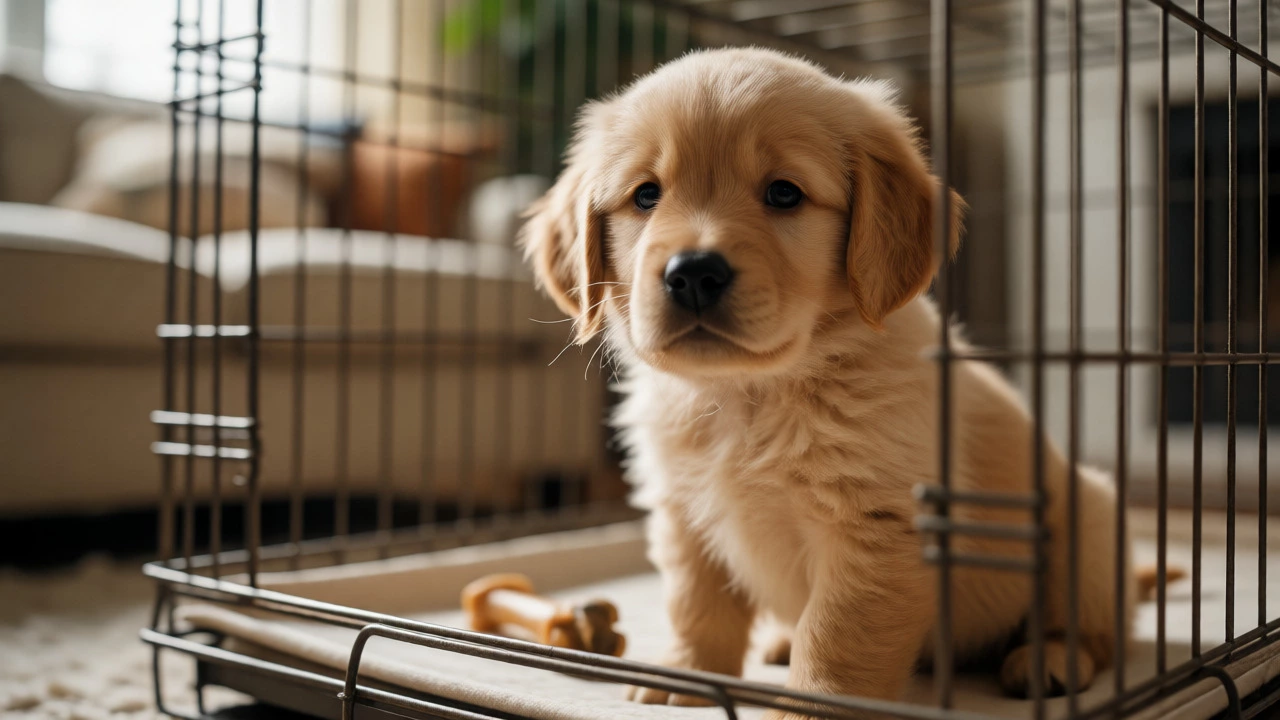
Many people feel guilty putting a puppy in a crate, thinking it’s cruel. In reality, dogs are den animals. They naturally avoid soiling where they sleep. Crate training leverages this instinct. It gives you a way to manage your puppy when you can’t supervise them directly, preventing accidents on the floor while teaching them to "hold it" until released. The key is sizing. If the crate is too big, your puppy will pee in one corner and sleep in the other. It should be just big enough for them to stand up, turn around, and lie down comfortably.
Here is how to use the crate effectively without creating anxiety:
- Never use the crate as punishment. It should be a safe haven, maybe with a chew toy inside.
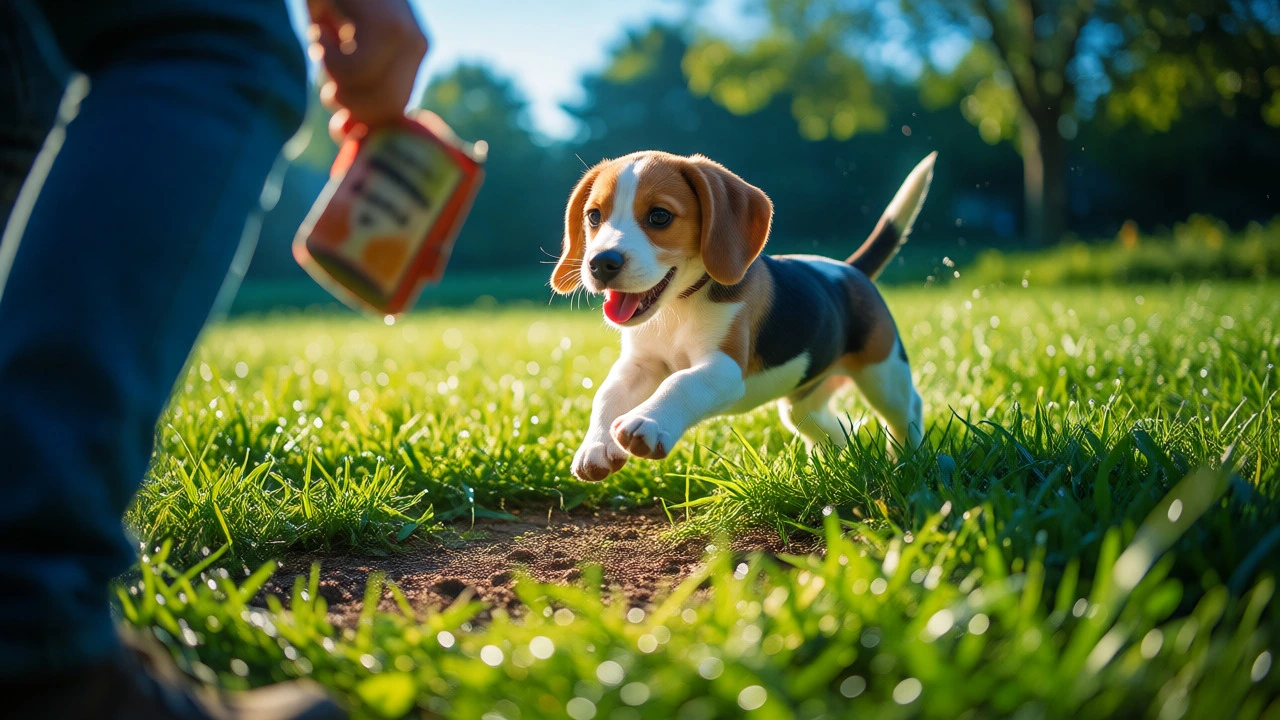
- Take the puppy out immediately upon release. Don’t play first. Go straight to the designated potty spot.
- Limit time in the crate. For young puppies, never exceed the one-hour-per-month rule, even if they seem quiet. They might be holding it desperately, which isn’t healthy.
If you don’t have a crate, a small gated area (like a bathroom or kitchen) works similarly. The principle remains the same: limit space to encourage cleanliness.
The Power of Routine and Timing
Puppies live in the moment. They don’t remember what happened ten minutes ago, but they do associate current actions with immediate consequences. Your job is to anticipate their needs before they have an accident. There are specific times when a puppy *must* go to the toilet. Miss these windows, and you’ll likely find a puddle.
| Trigger Event | Action Required | Why? |
|---|---|---|
| Waking Up | Go outside immediately | Bladders fill overnight; metabolism kicks in upon waking. |
| After Eating/Drinking | Wait 15-20 mins, then go out | The gastrocolic reflex stimulates bowel movements after eating. |
| After Play/Naps | Go outside | Physical activity stimulates the bladder. |
| Before Bed | Last call for business | Helps them survive the night with fewer interruptions. |
Notice the pattern? You are essentially acting as their external alarm clock. If you wait for them to whine or scratch at the door, you’ve already waited too long. Many puppies won’t signal until it’s too late. By taking them out proactively, you set them up for success. When they go in the right spot, praise them enthusiastically. Use high-value treats. Make it a party. That positive reinforcement builds the neural pathway: "Peeling outside = Good Things Happen."
Handling Accidents Like a Pro
Accidents will happen. Even with perfect timing, sometimes you miss the cue. How you react matters more than the accident itself. If you walk into the room and see a fresh puddle, do not yell. Do not rub their nose in it. If you punish them after the fact, they won’t connect the punishment with the peeing. They’ll just think you’re scary when you come near them. Instead, interrupt them mid-stream if you catch them in the act. Say "Oops!" in a neutral tone, scoop them up, and rush them outside. If they finish outside, praise heavily.
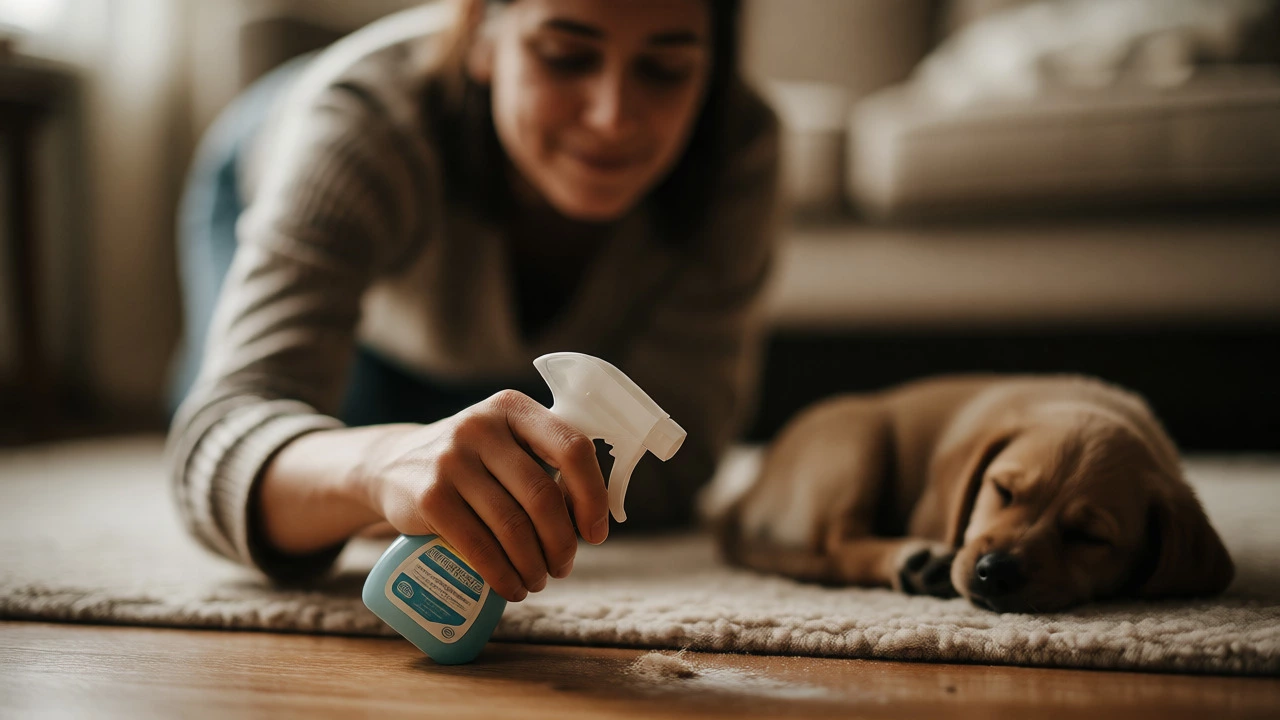
For stains you didn’t catch, clean them properly. Regular household cleaners often leave behind ammonia-like scents that actually attract dogs back to the same spot. Use an enzymatic cleaner specifically designed for pet urine. These break down the proteins in the urine so the scent is gone to the dog’s sensitive nose. If you skip this step, you’re inviting repeat offenses.
Troubleshooting Common Roadblocks
Sometimes, despite your best efforts, progress stalls. Here are a few common scenarios and how to fix them.
Submissive Urination: Does your puppy pee when you greet them or when you lean over them? This isn’t bad manners; it’s a reflex. Avoid looming over them. Crouch down sideways, speak softly, and ignore them for a minute until they calm down. Then offer a treat. Over time, confidence grows, and the submissive peeing fades.
Excitement Peeing: Similar to submissive urination, this happens during high-arousal moments like coming home from work. Keep greetings low-key. Don’t make a fuss. Wait until the puppy is calm before engaging. Eventually, they learn that excitement doesn’t trigger a bladder leak.
Medical Issues: If a previously trained puppy suddenly starts having accidents, or if you notice blood, straining, or excessive thirst, call your vet. Urinary tract infections (UTIs) are common in young dogs and can make holding urine impossible. No amount of training fixes a medical problem.
Using Toys and Enrichment to Aid Training
Since we’re looking at this through the lens of puppy care, let’s talk about toys. While toys don’t directly teach a dog where to pee, they play a crucial indirect role. A bored puppy is a destructive, anxious puppy. Anxiety can lead to regression in house training. Providing appropriate chewing outlets keeps their stress levels low. When a puppy is mentally stimulated, they are better able to focus on learning new rules.
However, be careful with edible chews. Large rawhide bones or hard nylon chews can take hours to consume. If your puppy is gnawing on a bone in their crate, they might feel the urge to pee but hesitate to leave the comfort of their chew. Monitor their intake. If they drink water with their chew, ensure you get them out frequently. Puzzle toys filled with wet food are great because they engage the brain without encouraging excessive drinking, helping maintain a stable bladder schedule.
Final Thoughts on Patience
Potty training isn’t a sprint; it’s a marathon with hurdles. Some puppies get it in three weeks. Others take six months. Neither outcome means you failed. Consistency is your only true metric of success. If you stick to the schedule, reward the wins, and manage the environment, your puppy will learn. Trust the process, keep your sense of humor intact, and remember: one day, you’ll forget to pick up the paper towel because there won’t be any mess to clean up.
How long does it take to potty train a puppy?
Most puppies achieve reliable house training between 4 and 6 months of age. However, some may take up to 9 or 10 months depending on breed size, previous history, and consistency of training. Small breeds often take longer due to smaller bladders and faster metabolisms.
Should I wake my puppy up at night to pee?
Yes, especially for puppies under 4 months old. Their bladders are tiny. Set an alarm for 3-4 hours after bedtime to take them out quietly. As they grow older, you can gradually extend this interval until they can sleep through the night.
What is the best command to use for potty training?
Choose a short, distinct phrase like "Go potty," "Do your business," or "Hurry up." Use it consistently every time you take them to the designated spot. Say it while they are actively eliminating, not after. This helps them associate the word with the action.
Can I use puppy pads indoors?
Yes, but be aware that pads can confuse some dogs later on, especially if you switch to outdoor-only training abruptly. Pads smell like fabric softener or grass substitutes. If you use them, place them near the door you intend to use for outdoor access, and phase them out gradually as the puppy matures.
Why does my puppy pee when I say hello?
This is likely submissive or excitement urination. It’s common in young puppies and shy breeds. To help, greet them calmly, avoid direct eye contact initially, and crouch to their level. Reward calm behavior rather than jumping or frantic energy.