
Dog Training Foundation Score Calculator
Assessment Checklist
1. Eye Contact in Quiet Room
Does your dog voluntarily look at you when standing still in a quiet room?
2. Name Recognition
Does your dog turn their head toward you immediately when you say their name once?
3. Marker Signal Timing
Can you consistently mark (click/say "Yes") within 1 second of the desired behavior?
4. High-Value Rewards Identified
Do you have special treats (chicken, cheese, liver) reserved only for training?
5. Short Session Routine
Are you conducting multiple 2-5 minute sessions throughout the day instead of one long session?
6. Consistent House Rules
Have all family members agreed on boundaries (couch, table begging, etc.) and enforce them consistently?
7. No Command Repetition
Do you avoid repeating commands like "Sit, sit, sit" and instead wait or reset if ignored?
8. Engagement During Walks
Does your dog check in with you during walks without being called?
Foundation Score
You bring your new dog home. The excitement is palpable. You want them to sit, stay, and come when called immediately. But before you teach any specific commands like "sit" or "heel," there is one critical step that determines whether your dog becomes a well-adjusted companion or a behavioral challenge. That first thing to train a dog is not a trick; it is focus. Specifically, you need to teach your dog that paying attention to you yields better rewards than ignoring you.
Many owners skip this foundational step because they are eager to see obedience. They start with "sit" or "down" without establishing communication first. This often leads to frustration. The dog doesn't understand why they should listen when there are squirrels, smells, and interesting sounds everywhere. Without focus, commands are just noise. With focus, commands become clear instructions.
The Core Concept: Attention Before Obedience
Think of training like building a house. Commands are the furniture. Focus is the foundation. If you put furniture on sand, it sinks. If you put commands on a lack of attention, they fail. The very first lesson in dog training is teaching your dog to look at you voluntarily.
This concept is often called "engagement." It means your dog checks in with you during walks, play, and meals. When your dog looks at you, they are asking, "What do we do next?" This creates a partnership rather than a dictatorship. To build this, you use high-value rewards. These aren't just kibble from the bowl. They are small pieces of boiled chicken, cheese, or liver treats that your dog loves more than anything else.
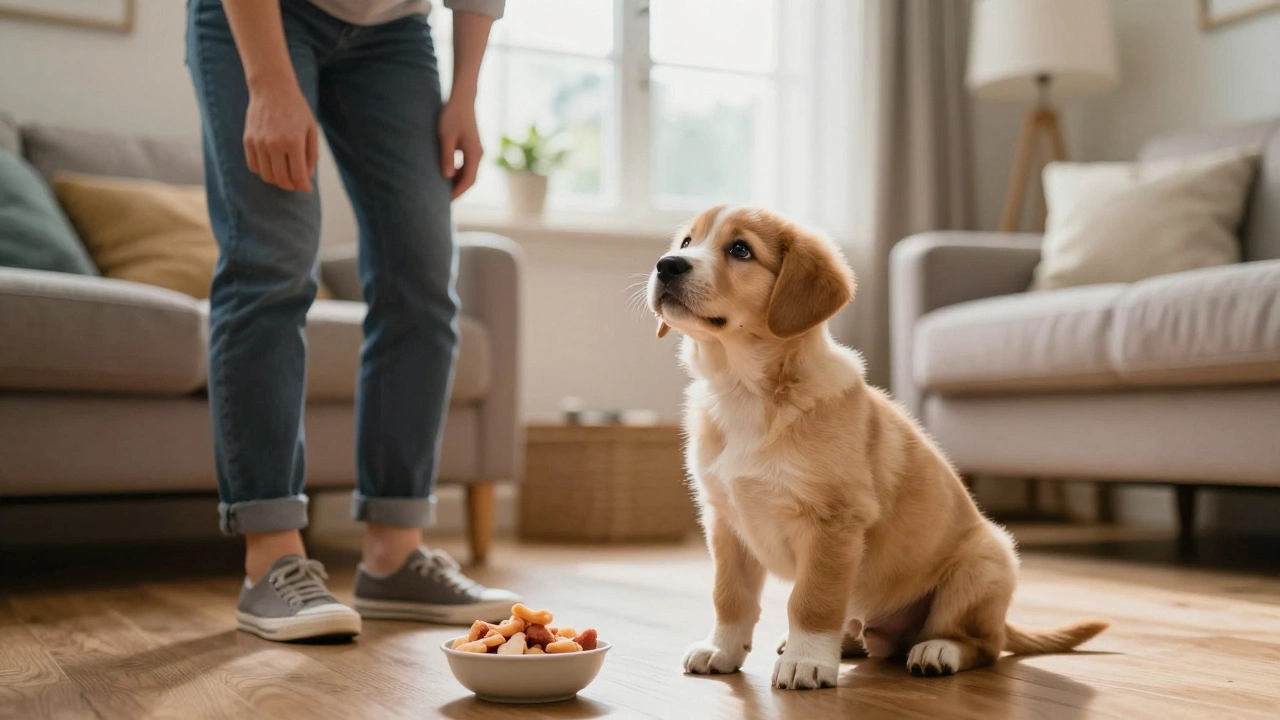
Start in a quiet room with no distractions. Stand in front of your dog. Wait. Do not call their name yet. Just wait for them to look at your face. The moment their eyes meet yours, mark that behavior instantly. You can use a clicker or a sharp verbal marker like "Yes!" Then, give them a treat. Repeat this dozens of times. Your dog will quickly learn that looking at you makes good things happen.
Name Recognition: The Gateway Command
Once your dog understands that eye contact is valuable, introduce their name. Your dog's name is not just a label; it is a cue to pay attention. Many dogs hear their name but ignore it because it has no meaning attached to it. You must define what "Fido" means.
Say your dog's name clearly. Wait for them to look at you. Mark and reward. If they don't look, wait longer. Never repeat the name over and over like "Fido, Fido, Fido." This dilutes the value of the word. Say it once, wait, and if they don't respond, try again later in a different context. Over time, hearing their name should trigger an immediate head turn toward you.
This skill is crucial for safety. If your dog runs out the door, calling their name should be the first instinct to get their attention before issuing a recall command like "Come." If the name doesn't grab their focus, the recall won't work either.
Teaching the Marker Signal
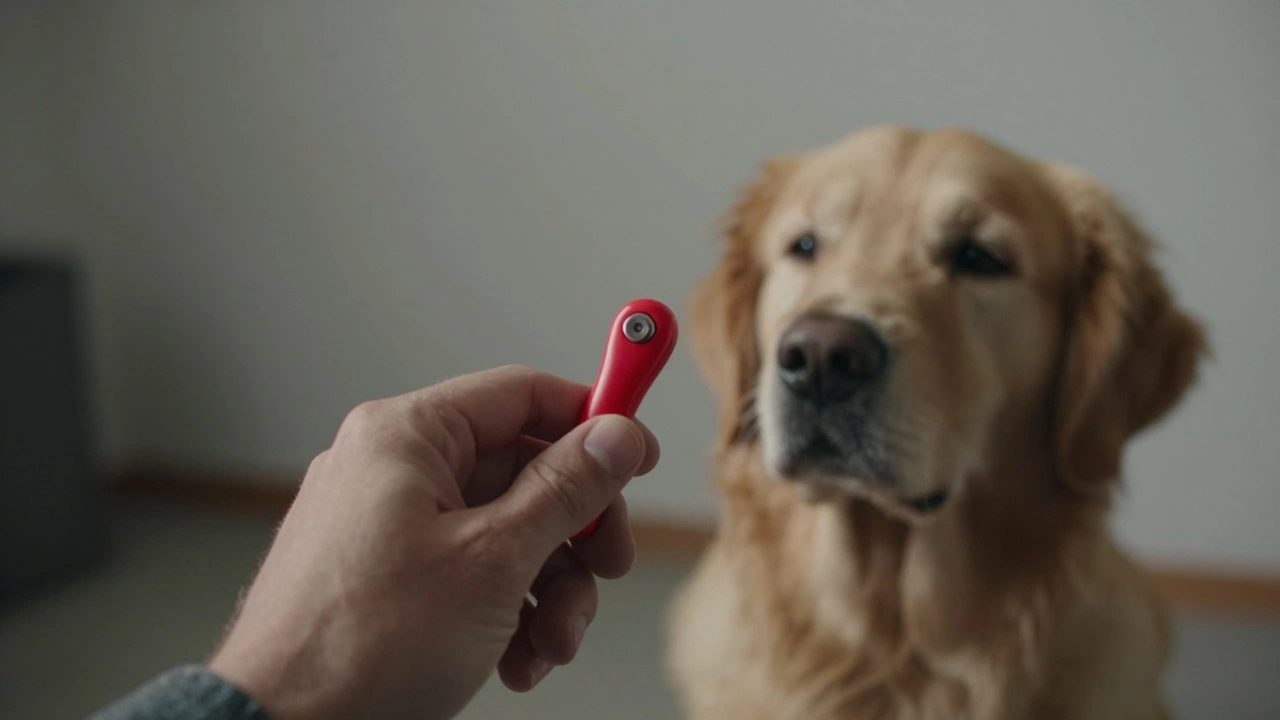
To communicate effectively, you need a precise way to tell your dog exactly which behavior earned the reward. This is where the marker signal comes in. A marker is a sound that bridges the gap between the behavior and the reward. It tells the dog, "That exact action you just did is correct. Keep doing it, and food is coming."
Clicker training uses a mechanical clicker for this purpose, but many trainers prefer a verbal marker like "Yes" or "Good." The key is consistency. The marker must always be followed by a reward. If you say "Yes" and then walk away to find a treat, the dog learns nothing. The sequence must be: Behavior → Marker → Reward.
Timing is everything. The marker must occur within a second of the desired behavior. If your dog sits, waits two seconds, and then you say "Yes," they might think they were rewarded for standing still or scratching their ear. Practice your timing with a friend. Have them perform random actions while you practice marking the exact millisecond they move.
Socialization: The Invisible Curriculum
While you are teaching focus, you must simultaneously address socialization. For puppies, the window for effective socialization closes around 16 weeks of age. For adult dogs, it never fully closes, but it requires more patience. Socialization is not just about meeting other dogs. It is about experiencing the world without fear.
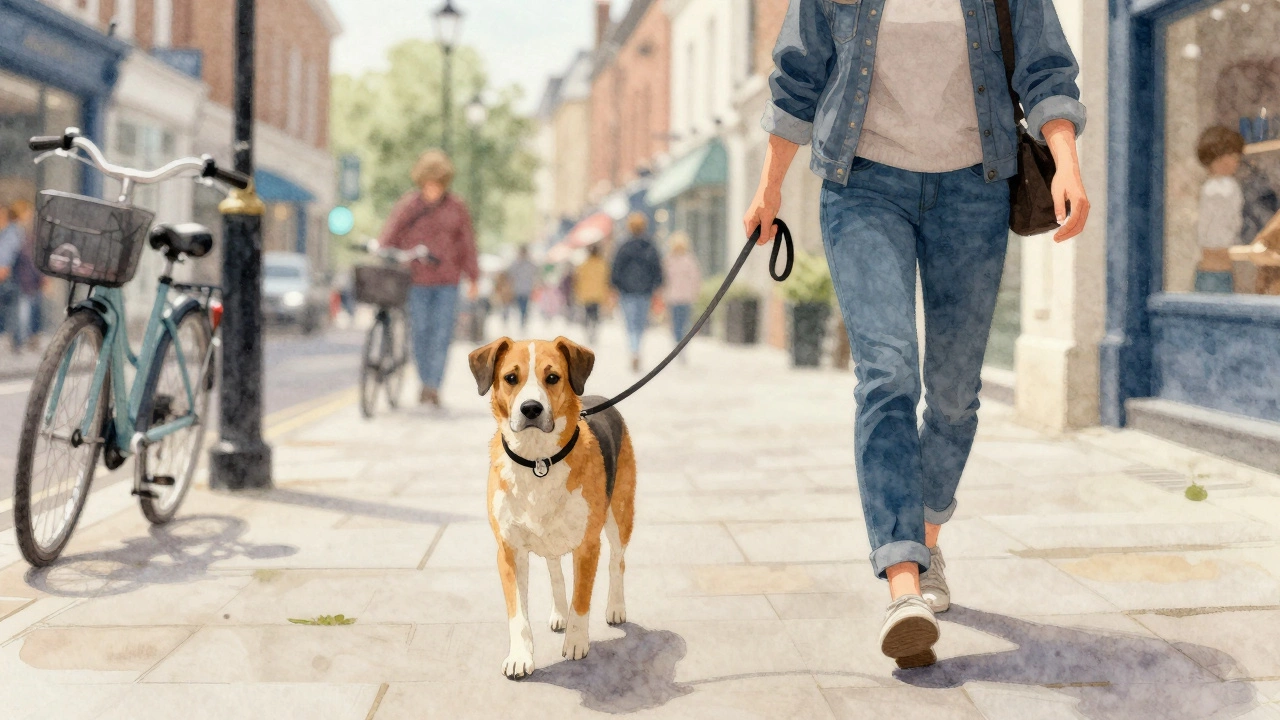
The goal is neutrality. You don't need your dog to love every person, vacuum cleaner, or bicycle. You need them to feel safe and indifferent. Take your dog to different environments. Parks, busy streets, quiet libraries. Let them observe. If they show curiosity, reward them. If they show fear, create distance. Do not force interactions.
A common mistake is overwhelming the dog. Too much too soon creates negative associations. If your dog cowers at a loud truck, back up. Give them a high-value treat. Slowly decrease the distance over days or weeks. This process, known as desensitization, builds confidence. A confident dog is easier to train because they are not distracted by anxiety.
House Rules and Boundaries
Training isn't just about tricks; it's about living together. The first thing to train a dog also includes setting boundaries. Dogs thrive on structure. They need to know what is allowed and what is not. Ambiguity causes stress.
Decide on rules early. Can they jump on the couch? Can they beg at the table? Can they go through certain doors? Once decided, enforce these rules consistently. Every family member must follow the same guidelines. If Mom says "no jumping" but Dad laughs when the dog jumps, the dog receives mixed signals. Mixed signals lead to testing boundaries.
Use management tools to support training. Baby gates, crates, and leashes help prevent unwanted behaviors while you teach acceptable ones. For example, if your dog chews shoes, remove the shoes. Put chew toys in their place. When they choose the toy, mark and reward. You are teaching them what to do, not just punishing what they shouldn't do.
Common Pitfalls to Avoid
| Mistake | Why It Fails | Better Approach |
|---|---|---|
| Repeating commands | Dog learns to ignore the first few words | Say command once, wait, reset if ignored |
| Punishing fear | Increases anxiety and distrust | Create distance and reward calmness |
| Inconsistent rules | Confuses the dog about expectations | All humans follow the same house rules |
| Long sessions | Dog gets bored or frustrated | Keep sessions under 5 minutes |
One major error is training for too long. Dogs have short attention spans. Five-minute sessions, three times a day, are far more effective than one hour-long session. End on a high note. Always finish with a success. This keeps the dog motivated for the next session.
Another pitfall is relying solely on treats. While food is powerful, it shouldn't be the only motivator. Incorporate praise, petting, and play into your rewards. Vary the rewards so the dog doesn't expect food every single time. This is called variable reinforcement, and it makes behaviors more resistant to extinction.
Building a Routine
Dogs are creatures of habit. Predictability reduces anxiety and improves learning. Establish a daily routine that includes feeding, walking, potty breaks, and training sessions. Consistency helps your dog anticipate what comes next, making them more receptive to instruction.
Include short training bursts throughout the day. Ask for a "look" before opening the door. Ask for a "sit" before throwing the ball. These micro-sessions reinforce focus without feeling like formal lessons. Life becomes the training ground.
Remember, the first thing to train a dog is the relationship itself. You are building trust and communication. If you rush past this stage, you may save time now but spend months correcting bad habits later. Invest in focus, attention, and clarity. The rest will follow naturally.
How old should a dog be to start training?
You can start training a dog as soon as you bring them home, even if they are eight weeks old. Puppies have short attention spans, so keep sessions brief (2-5 minutes). Focus on name recognition, gentle handling, and basic engagement. Adult dogs can also learn these foundational skills quickly.
Is clicker training necessary for beginners?
Clicker training is helpful but not mandatory. A verbal marker like "Yes" works just as well. The key is consistency and timing. Choose a marker that is distinct and easy to produce repeatedly. Many trainers switch from a clicker to a verbal marker once the dog understands the concept.
What if my dog ignores me during training?
If your dog ignores you, the environment may be too distracting or the reward not valuable enough. Move to a quieter area. Use higher-value treats like chicken or cheese. Ensure you are marking the behavior correctly. If they still don't engage, take a break and try again later. Never punish lack of attention.
How long does it take to establish focus?
Establishing basic focus can take anywhere from a few days to a few weeks, depending on the dog's history and temperament. Some dogs pick it up instantly; others need more repetition. Consistency is key. Practice daily in various environments to generalize the skill.
Should I teach "sit" before focus?
No. Focus should come first. Teaching "sit" without attention often results in a dog that only sits when food is visible. By teaching focus first, you ensure the dog is listening to you, making subsequent commands like "sit" much easier and more reliable.