
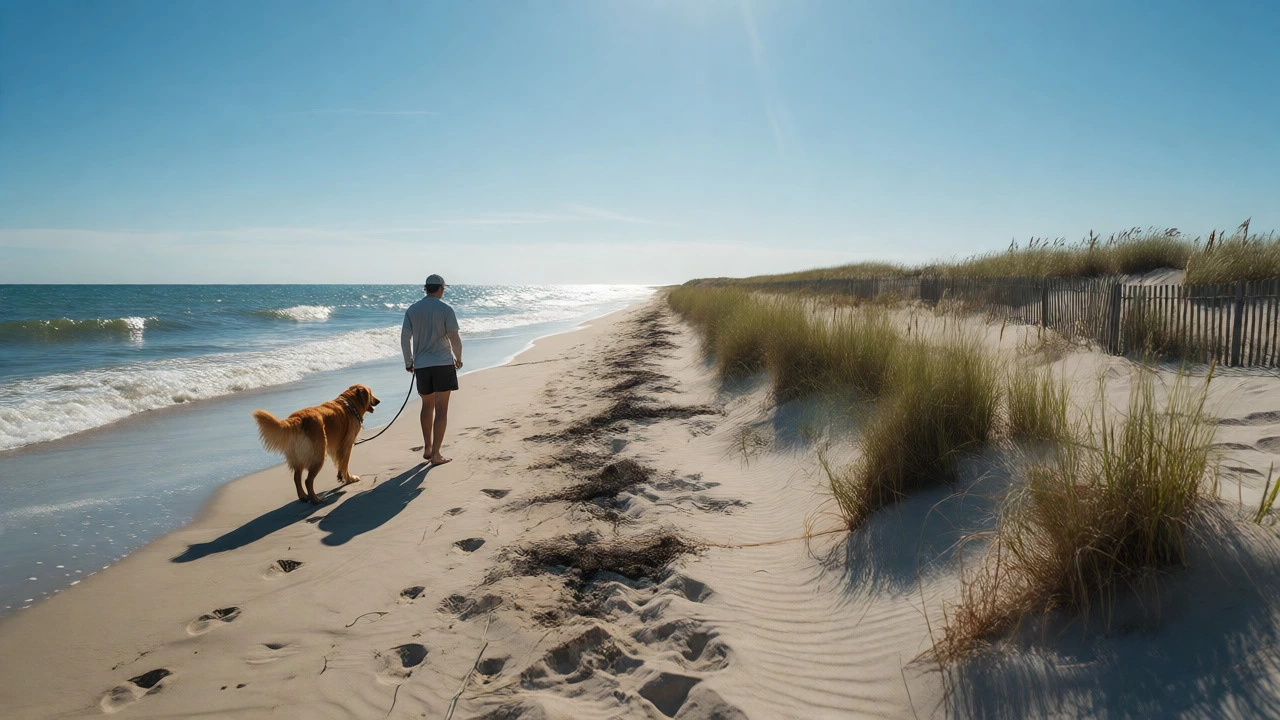
Assateague Island Dog Access Checker
Planning a trip with your pup? Check the rules for specific areas on Assateague Island before you go. Remember: Leash laws are federal law here.
Access Status:
So, you’re planning a trip to Assateague Island, and you want to bring your four-legged friend along. It’s a fair question. This narrow strip of land off the coasts of Maryland and Virginia is famous for its wild horses, but it’s also a protected wildlife refuge. That means the rules aren’t just suggestions-they’re federal law. If you show up expecting a typical beach day where your pup can run free all day long, you might get hit with a hefty fine or, worse, be asked to leave.
The short answer is: Yes, Assateague is dog-friendly, but with strict conditions. You can’t just wander anywhere. Dogs are allowed in specific areas during specific times, and they must always be on a leash no longer than six feet. Think of it less as "free roam" and more as "disciplined exploration." If you respect the boundaries, you’ll have an incredible experience. If you ignore them, you’ll ruin it for everyone, including those wild ponies who don’t take kindly to chasing dogs.
The Golden Rule: Leash Laws Are Non-Negotiable
Let’s get the biggest hurdle out of the way first. On Assateague Island, every single dog must be on a leash at all times. And when I say leash, I mean a standard leash under six feet. Retractable leashes that extend beyond six feet are technically violations if extended too far, though park rangers often give warnings rather than tickets for minor infractions. But why so strict? Because this isn’t just a beach; it’s a habitat.
Chincoteague National Wildlife Refuge (the Virginia side) and Assateague Island National Seashore (the Maryland side) share similar rules because both protect vulnerable species. Off-leash dogs stress out shorebirds like the piping plover, which nest right on the sand. A loose dog can trample nests or scare parents away from eggs, leading to chick mortality. So, keeping your dog leashed isn’t just about control; it’s about conservation. If you see a sign saying "Shorebird Nesting Area," stay on the designated path or keep your dog well back from the water’s edge.
Maryland vs. Virginia: Know Your Side
Assateague Island is split between two states, and while the vibe is similar, the logistics differ slightly. Most visitors enter through Berlin, Maryland, or Chincoteague Island, Virginia. Here’s how the dog policies break down by region:
| Feature | Maryland Side (National Seashore) | Virginia Side (Wildlife Refuge) |
|---|---|---|
| Beach Access | Allowed year-round, except in posted nesting areas. | Allowed, but stricter enforcement near visitor center. |
| Camping | Dogs allowed in campgrounds (on leash). | Generally not allowed in developed campgrounds; check specific site rules. |
| Trails | Most trails allow leashed dogs. | Some boardwalks and sensitive habitats may restrict access. |
| Wild Horses | Keep 40+ feet distance; dogs must not chase. | Same rule; horses are habituated to humans but not dogs. |
| Seasonal Restrictions | Fewer seasonal closures for dogs. | More frequent temporary closures for bird nesting seasons. |
If you’re staying in Maryland, you have a bit more flexibility with camping. The state parks and national seashore campgrounds generally welcome leashed dogs. In Virginia, the Chincoteague National Wildlife Refuge is tighter. While you can walk your dog on the beach, bringing them into the main visitor center area or certain restricted trails can be tricky. Always check the daily status board at the entrance station. Rangers update it based on current wildlife activity. If there’s a big flock of snow geese resting, they might close sections to protect the birds, and your dog won’t be allowed in those zones.
Where Can You Actually Walk Your Dog?
You might think you can walk your dog anywhere on the island, but that’s a recipe for trouble. Here are the safest bets for a good walk without breaking the rules:
- The Ocean Beach: This is the most popular spot. As long as you avoid the dunes (which are fragile and often fenced off), walking along the wet sand is perfect. Just watch for tide pools; curious dogs love to lick saltwater, which can cause stomach upset if they drink too much.
- Designated Trails: On the Maryland side, trails like the Bishop Head Trail or Saltmarsh Trail are great for leashed walks. They offer shade and views of the marshes, which are cooler than the exposed beach. In Virginia, the Wildlife Loop Road allows driving with your dog inside the car, but walking is limited to specific pull-offs.
- Parking Areas and Picnic Zones: You can hang out in parking lots and picnic areas with your dog. These are good spots for a quick stop if you need to grab ice or use the restroom (dogs usually wait outside unless specified otherwise).
Avoid the interior ponds and dense forest areas unless signs explicitly permit access. These are prime habitats for deer, foxes, and rare birds. A barking dog can disrupt the entire ecosystem’s calm.
The Wild Horse Factor: Safety First
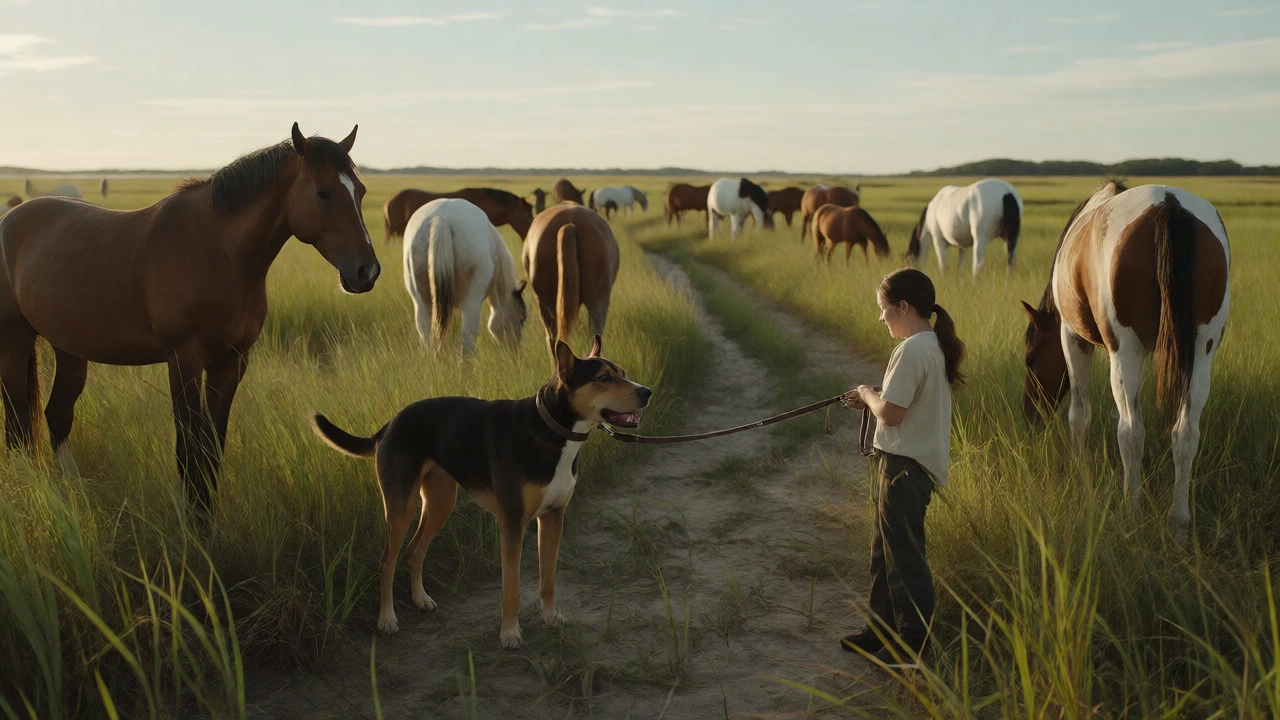
You came for the horses, right? Well, your dog needs to understand that these aren’t pets. They are wild animals. Even the foals look cuddly, but their mothers will defend them aggressively. There have been incidents where dogs chased horses, causing the horses to panic and injure themselves or the dog.
Here’s the golden rule: Keep your dog at least 40 feet away from any horse. If a horse approaches you, do not let your dog lunge or bark. Turn around and slowly move away. If your dog tries to chase, pick them up if possible, or firmly hold the leash and redirect their attention. Never feed the horses yourself, and definitely never let your dog try to sniff them up close. The horses bite, kick, and stomp. A playful dog doesn’t understand body language, and a defensive mare doesn’t care about playtime.
Practical Tips for a Stress-Free Trip
Bringing a dog to a wildlife refuge requires preparation. Here’s what you need to pack and plan:
- Bring Your Own Water: There are very few fresh water sources on the island for humans, let alone dogs. Saltwater is dangerous for them in large quantities. Bring a collapsible bowl and plenty of fresh water. Dehydration happens fast in the sun and wind.
- Poop Bags (And Then Some): You must clean up after your dog immediately. Leaving waste behind attracts predators like coyotes and foxes, which can then prey on smaller wildlife. Plus, nobody wants to step in it. Pack extra bags; you’ll likely go through more than you expect.
- Check for Ticks: Assateague has tall grass and brushy areas where ticks thrive. Check your dog thoroughly after every walk. Lyme disease and other tick-borne illnesses are present in the mid-Atlantic region. Use a vet-recommended preventative before you go.
- Heat Awareness: The sand gets incredibly hot, even in spring or fall. If you can’t hold your hand on the sand for five seconds, it’s too hot for your dog’s paws. Stick to early mornings or late evenings for beach walks.
What Happens If You Break the Rules?
Rangers on Assateague are generally friendly but firm. They prefer education over punishment, but fines are real. Typical citations for off-leash violations range from $50 to $100 per offense. Repeat offenders or those who harass wildlife face higher penalties. More importantly, if your dog chases a protected bird, you could be liable for damages to the environment. Don’t risk it. The beauty of Assateague is its untouched nature. Keeping your dog leashed helps preserve that for future visitors.
Also, consider the social aspect. Many visitors come here specifically to escape the noise and chaos of city life. A barking, lunging dog ruins the peaceful atmosphere. Be the owner who says, "Sorry, he’s excited," and moves along quietly. It goes a long way.
Final Thoughts: Is It Worth It?
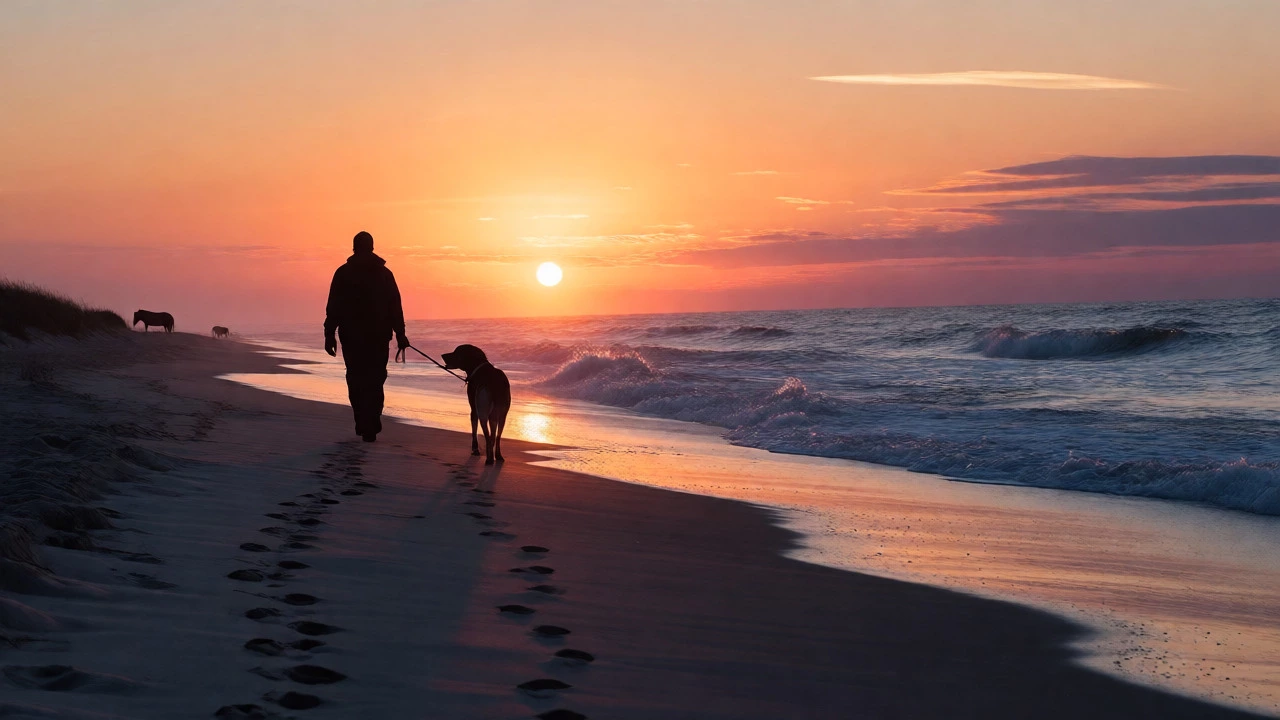
Absolutely. Walking a leashed dog on Assateague Island offers a unique blend of coastal scenery and wildlife observation that you rarely find elsewhere. The key is mindset shift. You’re not just visiting a beach; you’re a guest in a working wildlife sanctuary. Respect the space, manage your dog’s energy, and you’ll create memories that stick. The sight of your calm, leashed pup watching the sunset with wild horses grazing in the distance is worth every bit of effort.
Can my dog swim in the ocean at Assateague Island?
Yes, dogs can swim in the ocean on both the Maryland and Virginia sides, provided they are under voice command or leashed. However, you must clean up after them, and they should not swim in areas marked for shorebird nesting. Always rinse your dog with fresh water afterward to remove salt and sand, which can irritate their skin.
Are there any hotels or rentals that allow dogs on Assateague Island?
Accommodations directly on the island are limited and mostly consist of campgrounds. For hotels and vacation rentals, you’ll need to look in nearby towns like Berlin, Maryland, or Chincoteague Island, Virginia. Many vacation homes in these areas are pet-friendly, but you must transport your dog onto the island via car or shuttle (check shuttle pet policies) since overnight stays on the island itself are primarily camping-based.
What should I do if a wild horse approaches my dog?
Stay calm and keep your dog close on a short leash. Do not run, as this triggers the horse's flight response. Slowly back away while maintaining eye contact with the horse but avoiding direct staring, which can be seen as aggressive. If your dog starts barking, distract them with a treat or toy and continue moving away calmly until you are at a safe distance (at least 40 feet).
Are retractable leashes allowed on Assateague Island?
Technically, the rule is a leash no longer than six feet. Retractable leashes are permitted only if kept locked at or under six feet. If extended beyond six feet, it is considered a violation. Rangers often issue warnings for first-time offenses, but repeated violations can result in a fine. It is safer and easier to use a standard fixed-length leash to ensure compliance.
Can I leave my dog in the car while I explore?
You can leave your dog in the car for short periods, but never in hot weather. Temperatures inside a parked car can rise rapidly, even on cloudy days. Additionally, some areas of the island prohibit leaving vehicles unattended for long periods due to traffic flow and wildlife viewing etiquette. If you plan to hike a trail, it is better to bring your dog on a leash rather than leaving them in the car, as heatstroke is a serious risk.