
Dog Diarrhea Remedy Calculator
Dosage Calculator for Dog Diarrhea
Enter your dog's weight and select symptom type to calculate the correct dosage of pumpkin or rice for diarrhea relief.
Important Notes
Always use plain canned pumpkin (NOT pie filling) and plain white rice. Never use brown rice, flavored rice, or pumpkin with added sugar. If diarrhea lasts more than 48 hours or if your dog shows signs of illness, contact your vet immediately.
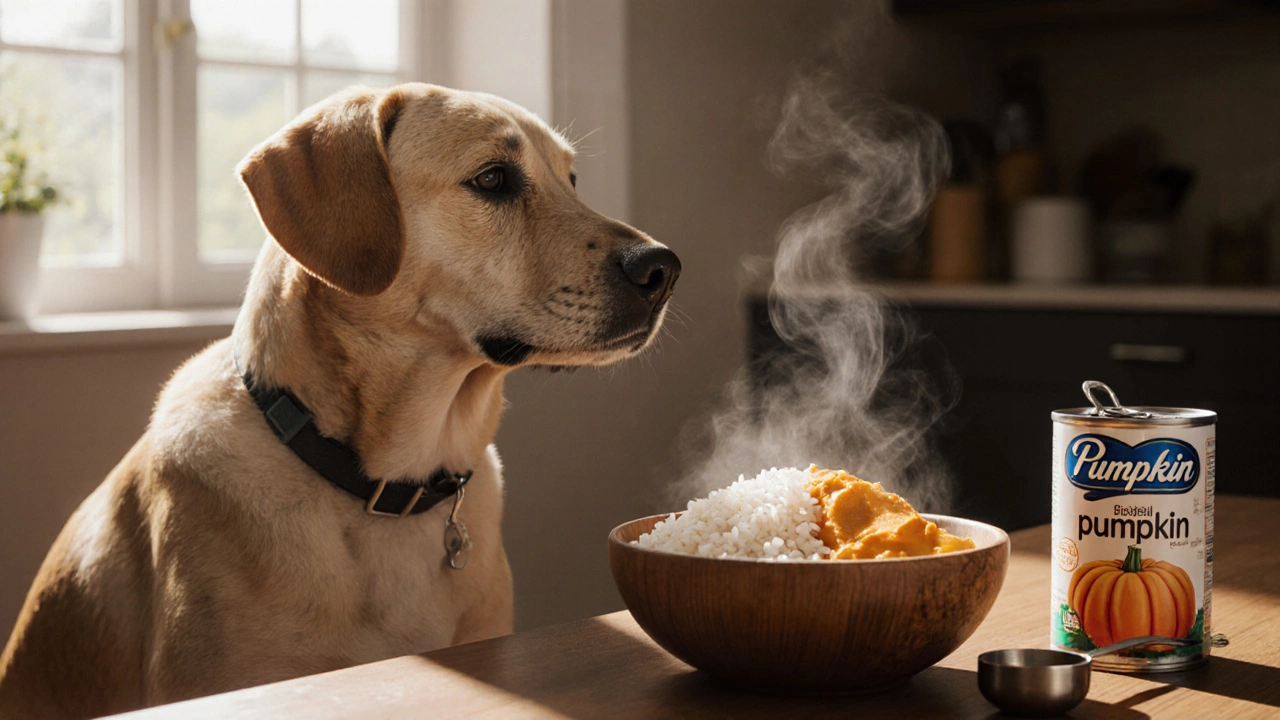
When your dog has diarrhea, you want to fix it fast-without making things worse. You’ve probably heard two common home remedies: pumpkin and rice. Both show up in vet offices and online forums as go-to options. But which one actually works better? And more importantly, is one safer or more effective than the other?
Pumpkin for Dogs: What It Does
Pumpkin isn’t just for pies. Plain, canned pumpkin (not pie filling) is packed with soluble fiber, which helps absorb excess water in the intestines. That’s why it’s often recommended for dogs with loose stools. The fiber slows down digestion and firms up stool without stopping it completely. It’s a gentle way to help the gut reset.
A 2023 study from the University of California’s Veterinary Nutrition Lab found that dogs fed 1-4 tablespoons of plain pumpkin per meal (depending on size) showed visible improvement in stool consistency within 12-24 hours. Smaller dogs (under 20 lbs) did well with 1 tablespoon, while larger breeds (over 50 lbs) often needed up to 4. No side effects were reported when used correctly.
It’s not magic-it’s biology. Soluble fiber turns into a gel in the gut, which acts like a sponge for water. This is why pumpkin works better than just giving water or electrolytes alone. It doesn’t just hydrate; it regulates.
Rice for Dogs: The Classic Bland Staple
Rice, especially white rice, has been the standard bland food for dogs with upset stomachs for decades. It’s easy to digest, low in fat, and doesn’t irritate the gut lining. When mixed with boiled chicken or lean ground beef, it forms the classic vet-recommended bland diet.
White rice breaks down quickly into simple glucose, giving your dog energy without stressing the digestive system. It’s also low in fiber, which means it doesn’t add bulk or speed up transit time. That’s good when you want to rest the gut, but not ideal if you need to firm up loose stools.
Here’s the catch: rice doesn’t actually fix diarrhea. It just feeds the dog while the gut heals. It doesn’t absorb excess water like pumpkin does. In fact, if your dog’s diarrhea is caused by overeating or dietary indiscretion, rice alone might not be enough to make a noticeable difference in stool quality.
Head-to-Head: Pumpkin vs. Rice
Let’s cut through the noise. Here’s how they stack up when your dog has diarrhea:
| Feature | Pumpkin | Rice |
|---|---|---|
| Primary function | Firms stool by absorbing water | Provides easy calories without irritation |
| Fiber content | High (7g per cup) | Low (0.6g per cup) |
| Time to see results | 12-24 hours | 24-48 hours (stool may stay soft) |
| Best for | Loose, watery stools | Mild upset, post-fasting recovery |
| Can be used alone? | Yes, as a supplement | Yes, but lacks protein |
| Risk of overuse | Constipation if too much | Nutrient deficiency if used long-term |
Pumpkin wins when you need to fix the stool fast. Rice wins when you need to feed your dog without triggering more vomiting or nausea. They’re not rivals-they’re teammates.
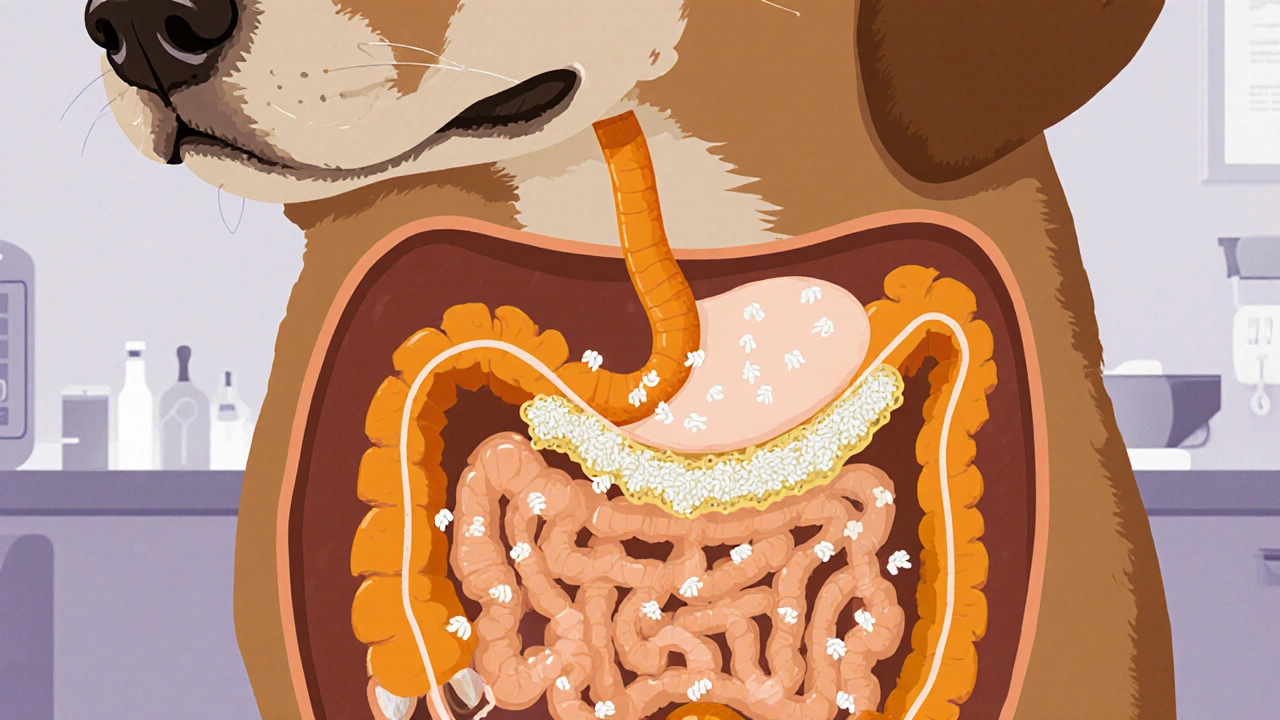
How to Use Them Together
The smartest approach isn’t choosing one over the other. It’s combining them. Many vets recommend a 50/50 mix of plain pumpkin and white rice for 2-3 days during an episode of diarrhea.
For a 30-pound dog, that’s:
- 1/2 cup cooked white rice (plain, no salt or butter)
- 2 tablespoons plain canned pumpkin (not pie filling)
- Optional: 1/4 cup boiled, skinless chicken breast (for protein)
Feed this 2-3 times a day. Skip kibble. No treats. No table scraps. Stick to this until stools return to normal-usually within 48 hours.
If diarrhea continues past 48 hours, or if your dog shows signs of lethargy, vomiting, blood in stool, or loss of appetite, see a vet. Home remedies help with mild cases, not infections, parasites, or pancreatitis.
What to Avoid
Not all pumpkin is created equal. Never use pumpkin pie filling. It’s loaded with sugar, cinnamon, and sometimes xylitol-a deadly toxin for dogs. Always check the label: the only ingredient should be “pumpkin.”
Same goes for rice. Avoid flavored rice, instant rice with seasoning packets, or fried rice from takeout. Those contain salt, garlic, onion, or oils that can make diarrhea worse.
Also skip bananas, applesauce, or yogurt unless your vet says so. They’re often recommended online, but they can ferment in the gut and cause gas or bloating in sensitive dogs.
When to Skip Both
Some dogs don’t need pumpkin or rice at all. If your dog has chronic diarrhea, weight loss, or frequent episodes, this isn’t a diet issue. It could be:
- Parasites (giardia, worms)
- Food allergies or intolerances
- Inflammatory bowel disease
- Pancreatic insufficiency
- Thyroid or liver problems
These require blood work, fecal exams, or ultrasounds-not a bowl of rice. If your dog has had diarrhea more than twice in the last month, or if it keeps coming back after you’ve tried bland diets, it’s time for a vet visit.
Real-Life Example
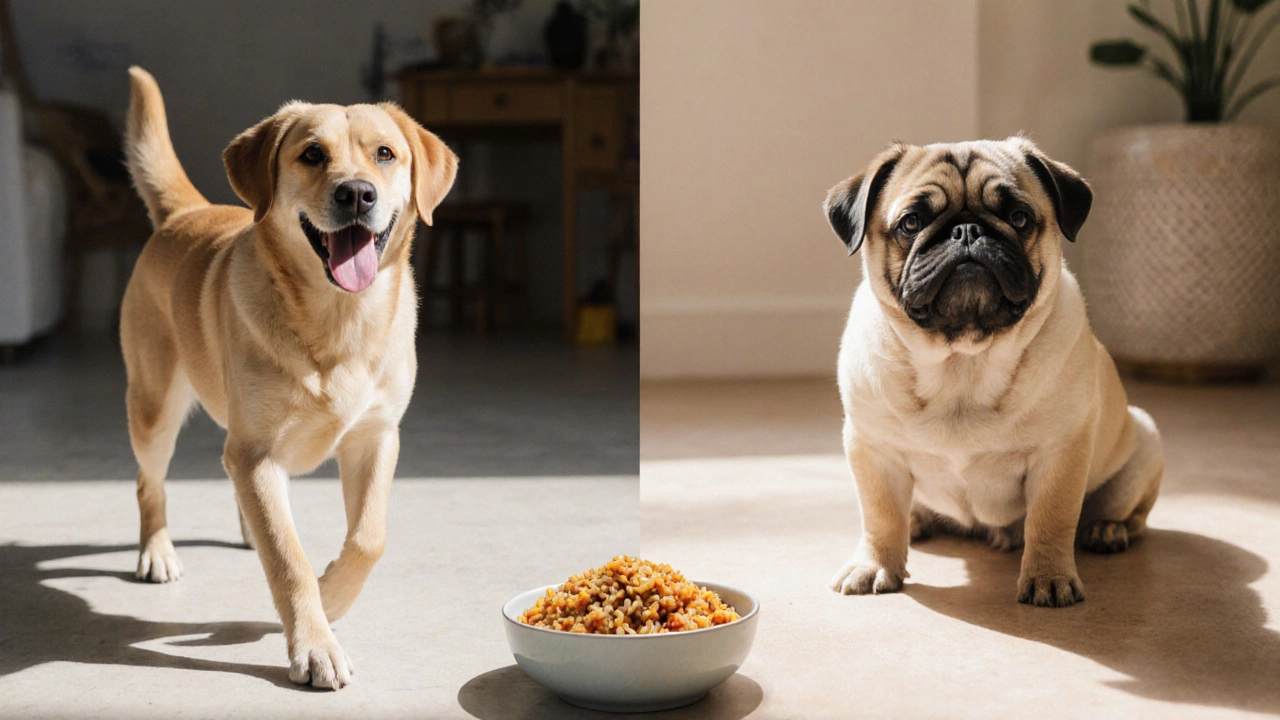
A 4-year-old Labrador named Max started having loose stools after eating trash from the curb. His owner gave him 2 tablespoons of pumpkin mixed with rice twice a day. Within 18 hours, his stools were forming. By day 3, they were normal. He went back to his regular food with no issues.
Compare that to a 7-year-old Shih Tzu named Bella, who had diarrhea for 5 days straight. Her owner fed her rice and chicken for 3 days. No change. A vet visit revealed giardia. She needed a 5-day deworming course and a special prescription diet. Pumpkin and rice wouldn’t have fixed that.
Same symptom. Two different causes. One solution worked. The other didn’t.
Final Verdict
Pumpkin is better for fixing diarrhea fast. Rice is better for feeding your dog while the gut recovers. Use both together for the best results. But remember: neither is a cure-all. They’re tools-not treatments.
If your dog’s diarrhea lasts more than 48 hours, if they’re acting sick, or if you’re unsure, don’t guess. Call your vet. Dogs can’t tell you what’s wrong. But they’ll show you through their behavior-and their poop.
Can I give my dog pumpkin every day?
Yes, but only in small amounts. A teaspoon for small dogs or a tablespoon for large dogs daily can help with regularity. But too much can cause constipation or nutrient imbalances. Stick to plain canned pumpkin, not pie filling.
Is brown rice better than white rice for dogs with diarrhea?
No. Brown rice has more fiber and takes longer to digest, which can irritate an already sensitive gut. White rice is the better choice during diarrhea because it’s easier to break down and less likely to cause gas or bloating.
How much pumpkin should I give my dog?
For small dogs (under 20 lbs): 1 teaspoon to 1 tablespoon per meal. For medium dogs (20-50 lbs): 1-2 tablespoons. For large dogs (50+ lbs): 2-4 tablespoons. Always start low and increase only if needed.
Can I use fresh pumpkin instead of canned?
Yes, but it must be cooked and mashed. Roast or steam plain pumpkin until soft, then puree it. Don’t add spices, oil, or sugar. Canned pumpkin is more convenient and has consistent fiber levels, so it’s usually the better option.
What if my dog won’t eat pumpkin or rice?
Try mixing it with a little bit of boiled chicken or low-sodium broth to make it more appealing. If they still refuse to eat for more than 24 hours, contact your vet. Loss of appetite with diarrhea can signal something more serious.