
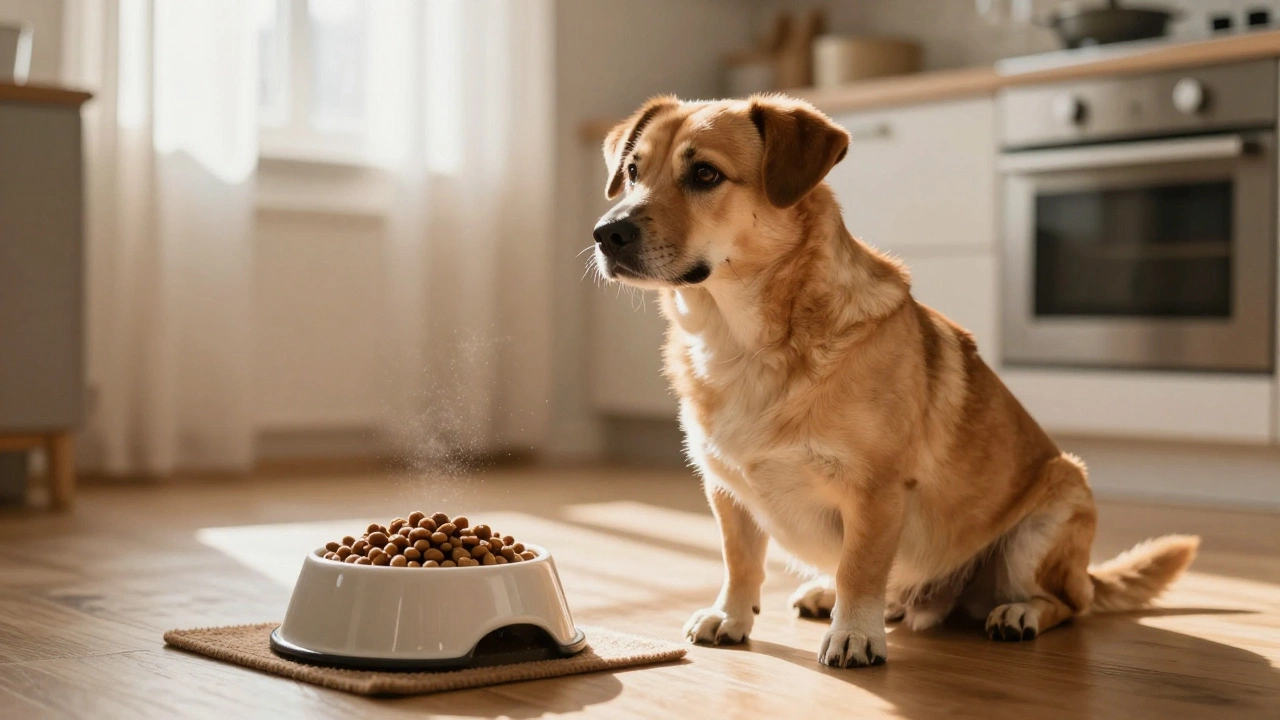
Personalized Feeding Schedule Generator
Enter your dog's details to get a vet-approved feeding routine recommendation.
We often overcomplicate dog feeding schedules, trying to find the perfect minute to drop the bowl. Some days you rush to get breakfast out before work, while other nights you wonder if dinner should happen right before bed. The reality isn't about a specific clock time; it’s about what works for your dog's body and your daily rhythm. A consistent routine matters far more than whether you choose 6 AM or 6 PM. If you are searching for the single "best" time, you might miss the bigger picture regarding health, energy, and digestion.
The Biology Behind Meal Timing
Canine digestion is designed for efficiency rather than flexibility. Unlike humans, who snack throughout the day, dogs naturally eat large meals less frequently in the wild. In a domestic setting, their internal clocks rely on predictability. Cortisol levels, which influence stress and alertness, peak in the early hours of the morning for many animals. This natural surge suggests why a morning meal feels right-it aligns with waking up the system. However, ignoring this rhythm can lead to issues.
When we shift feeding times randomly, a dog's insulin production gets confused. Insulin regulates blood sugar, and erratic spikes can cause lethargy or even long-term metabolic issues like diabetes. Consistency stabilizes these hormonal responses. Think of your dog's metabolism like a car engine; it runs smoothest when you fill the tank at the same intervals every time.
Arguments for Morning Feeding
Starting the day with a meal offers several physiological benefits. The most immediate advantage is energy regulation. A bowl eaten around sunrise gives your pet fuel to process through the digestive tract during active daylight hours. This helps them maintain stable energy levels for walks and play sessions later in the day.
- Morning Bathroom Break: Most dogs need to relieve themselves within an hour of eating. Feeding early ensures this happens before you start your busy schedule.
- Satiety Signal: Eating prevents hunger-related nuisance behaviors like whining or barking at the door while you prepare to leave.
- Metabolic Kickstart: Just like humans, dogs benefit from breaking their overnight fast to jumpstart their caloric intake.
However, there is a risk associated with leaving food out too early. If you feed at 5 AM but don't get home until 7 PM, that long gap between meals isn't ideal for some pets, especially seniors or smaller breeds with faster metabolisms.
Arguments for Evening Feeding
Feeding in the evening, typically an hour before bed, has its own set of merits. For dogs with separation anxiety, a full stomach can induce a sense of calm during your absence the next morning. Hunger makes nerves worse; satisfaction brings peace.
| Factor | Morning Feed | Evening Feed |
|---|---|---|
| Digestion Time | Aligns with daytime activity | Risk of indigestion during sleep |
| Hunger Management | Prevents morning begging | Reduces anxiety before owner leaves |
| Nighttime Potty | Less likely to need bathroom mid-night | Possible wake-ups for potty break |
| Bloat Risk | Lower if followed by walk | Higher if lying down immediately |
One major caution here involves exercise. You must avoid vigorous activity immediately after an evening meal. Lying flat on a full belly significantly increases the risk of gastric dilatation-volvulus (bloat), especially in deep-chested breeds like German Shepherds. If you feed late, give them a gentle settle-down period rather than an intense play session.

The Gold Standard: Two-Meal Split
While debating morning versus evening creates a false choice, veterinary nutritionists largely recommend splitting the daily ration into two portions. This mimics natural grazing patterns better than one massive bolus of food. Dividing the calories keeps blood glucose steady and reduces the workload on the stomach enzymes processing one giant load.
Twice-Daily Feeding is considered best practice for adult dogs. It allows for a morning meal before you leave work and an evening meal upon your return, roughly 8 to 12 hours apart. This spacing gives the stomach enough time to empty partially without becoming dangerously empty again.If you have to stick to once-a-day due to work constraints, evening is generally safer than morning. Leaving a dog alone for 12+ hours on an empty stomach causes acid buildup, potentially leading to "acid ulcers" in sensitive stomachs. An evening feed shortens the fasting duration slightly.
Life Stage Adjustments
Every life stage alters the rules for canine meal timing. A puppy's tummy is much smaller relative to their growth needs. They cannot sustain energy on a single daily feed. They require four to five small meals spaced evenly throughout the day, regardless of the sun.
Puppies
Frequent small feeds prevent hypoglycemia (low blood sugar), which can be fatal in small breeds under six months old. Their schedule should be rigid because irregularity disrupts house training. Puppies poop shortly after eating, so fixed meals mean predictable potty breaks.
Senior Dogs
Elderly pets often face declining pancreatic function, meaning they digest nutrients less efficiently. Overfeeding them causes unnecessary weight gain, stressing arthritic joints. Conversely, skipping meals leads to muscle loss. Stick to strict timed portions, avoiding free-feeding bowls that sit all day. If they seem less interested in food, try warm water mixed into kibble to stimulate appetite without changing the volume.
Working Dogs
If your animal performs tasks-police work, agility, herding-their energy expenditure dictates the schedule. High-output dogs burn glycogen stores rapidly. For these animals, pre-workout snacks are crucial. A light carbohydrate source 45 minutes before exertion provides fuel without causing stomach upset during motion.
Breed-Specific Risks to Watch
Certain breeds carry genetic predispositions that affect feeding safety. The Great Dane is notorious for Gastric Dilatation-Volvulus (GDV), also known as Bloat. This condition occurs when the stomach twists, cutting off blood supply. It kills within hours if untreated.
To mitigate this:
- Avoid raising food bowls high (contrary to old myths, ground-level eating is safer).
- Use slow-feeders to extend eating duration.
- Keep dogs calm for an hour post-eating.
- Never feed right before or after intense exercise.
For brachycephalic breeds (Short-nosed dogs like Bulldogs), breathing difficulty can make rapid eating dangerous. They may inhale air along with food. Slowing them down is vital to prevent choking. Using puzzle toys can naturally regulate pace and reduce gulping air.
Daily Implementation Guide
Establishing a routine doesn't require military precision, but consistency does. Here is how to build your week:
- Set the Clock: Decide on two anchor times. For example, 7:00 AM and 6:00 PM.
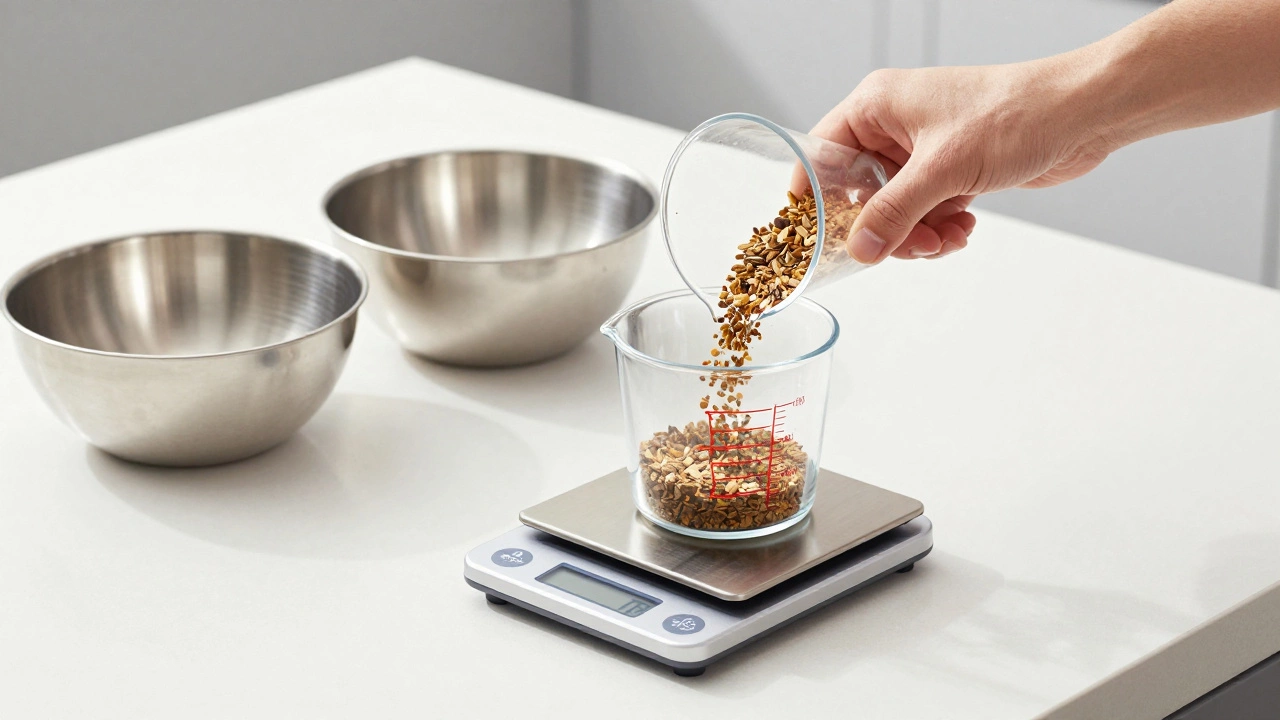
- Weigh the Food: Measuring cups vary wildly. Use a digital kitchen scale for accuracy to prevent accidental obesity. Most commercial bags underestimate calorie density.
- Water First: Offer fresh water 15 minutes before mealtime. Drinking during chewing dilutes stomach acid needed for breakdown.
- Cleanup: Remove the bowl after 15-20 minutes. If uneaten, they aren't hungry. Do not offer replacements later or they learn to hold out for treats.
Transitioning a dog to a new schedule requires patience. If switching from free-feeding (food always available) to scheduled meals, gradually reduce access over a week. Sudden changes trigger anxiety. Add low-fat broth to increase palatability during the switch.
Common Mistakes Owners Make
Many people inadvertently mess up feeding logic by prioritizing convenience over biology. The most frequent error is allowing the dog to finish a whole bag of kibble meant for a month in half the time. Human portion control often fails here.
Another trap is using dinner time as the only social interaction time. While sharing a meal is nice, ensure the focus remains on eating and relaxation, not intense engagement that stimulates the gut before rest. Also, beware of hidden calories. Table scraps or excessive treats can double the intended caloric intake, negating the benefits of your schedule.
What is the best time to feed a dog?
There is no single "best" time, but veterinarians recommend two meals per day, roughly 8-12 hours apart. A typical schedule includes feeding in the morning upon waking and again in the evening when returning home.
Should I feed my dog before or after walks?
You should feed after walks, not immediately before. Exercise on a full stomach increases the risk of stomach twisting (bloat). Wait about 30 minutes after eating before exercising, and wait 30 minutes after exercising before eating.
Can dogs go 24 hours without food?
Healthy adult dogs can survive 24-48 hours without food, though they should not be deprived this long intentionally. Dehydration is a faster killer than starvation. Always provide access to fresh water.
Why does my dog vomit in the morning?
This is often called "bile vomiting" caused by an empty stomach sitting idle overnight. Acid irritates the lining. Offering a small snack before bed or moving dinner later can fix this.
How much water should my dog drink daily?
As a rule of thumb, dogs need approximately one ounce of water for every pound of body weight per day. Active dogs or those eating dry kibble will need more than those on wet diets.