
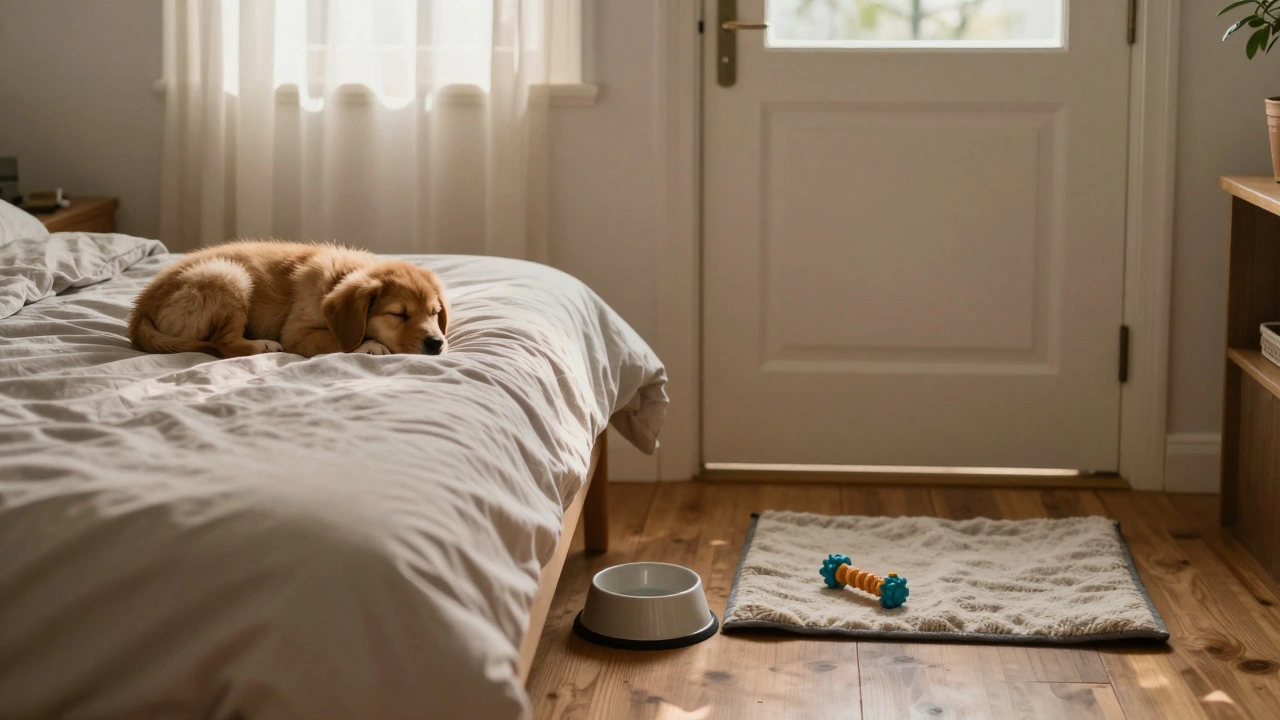
Bringing home a new puppy is exciting-but it can also feel overwhelming. You’ve got chewed-up shoes, accidents on the rug, and a tiny ball of energy that won’t stop barking at 3 a.m. You’re not alone. Most first-time puppy owners feel the same way. That’s where the rule of 3 comes in. It’s not a fancy training method or a secret trick. It’s a simple, practical framework that helps your puppy feel safe, learn fast, and settle into your home without the chaos.
What Is the Rule of 3?
The rule of 3 is a beginner-friendly guideline that breaks down your puppy’s first few weeks into three key goals:
- Three days to adjust to the new environment
- Three weeks to build trust and routine
- Three months to establish solid habits
This isn’t about perfection. It’s about progress. You’re not training your puppy to sit perfectly on day one. You’re giving them time to feel secure enough to learn.
Days 1-3: Let Them Breathe
Your puppy just left their littermates, their mom, and everything familiar. That’s a huge shock. The first three days aren’t for training-they’re for calming down.
Keep things quiet. No visitors. No loud music. No kids running around. Let your puppy explore their new space at their own pace. Set up a small, safe area with their bed, water, a few toys, and a pee pad if needed. If they’re scared, don’t force cuddles. Sit nearby, read a book, and let them come to you.
Most puppies will sleep most of the first 48 hours. That’s normal. Their bodies are recovering from stress and travel. Don’t mistake it for laziness. They’re recharging.
Feed them the same food they were eating before. Sudden diet changes cause stomach upset. If you need to switch food, do it slowly over five days.
Weeks 1-3: Build the Foundation
By now, your puppy is starting to feel safe. That’s when real learning begins.
Start with a consistent daily schedule: meals at the same time, potty breaks every 2-3 hours (after eating, napping, or playing), and bedtime around the same hour each night. Puppies this age can’t hold it for long-expect accidents. Clean them up without scolding. Just take them outside calmly and wait. When they go, praise them with a quiet, happy voice. No treats yet-just affection.
Introduce one new thing at a time. One toy. One command. One new room. Too much too fast overwhelms them. A simple “sit” or “come” taught with patience and repetition works better than five commands in one day.
Use puppy-safe toys only. Avoid anything small, squeaky, or easily torn apart. A rubber chew toy, a rope tug, or a stuffed Kong filled with peanut butter (xylitol-free!) gives them something to focus on instead of your shoes. Rotate toys every few days to keep things interesting.
Start short, positive training sessions-5 minutes, twice a day. End on a good note. If your puppy gets frustrated, stop. They’re still learning how to learn.
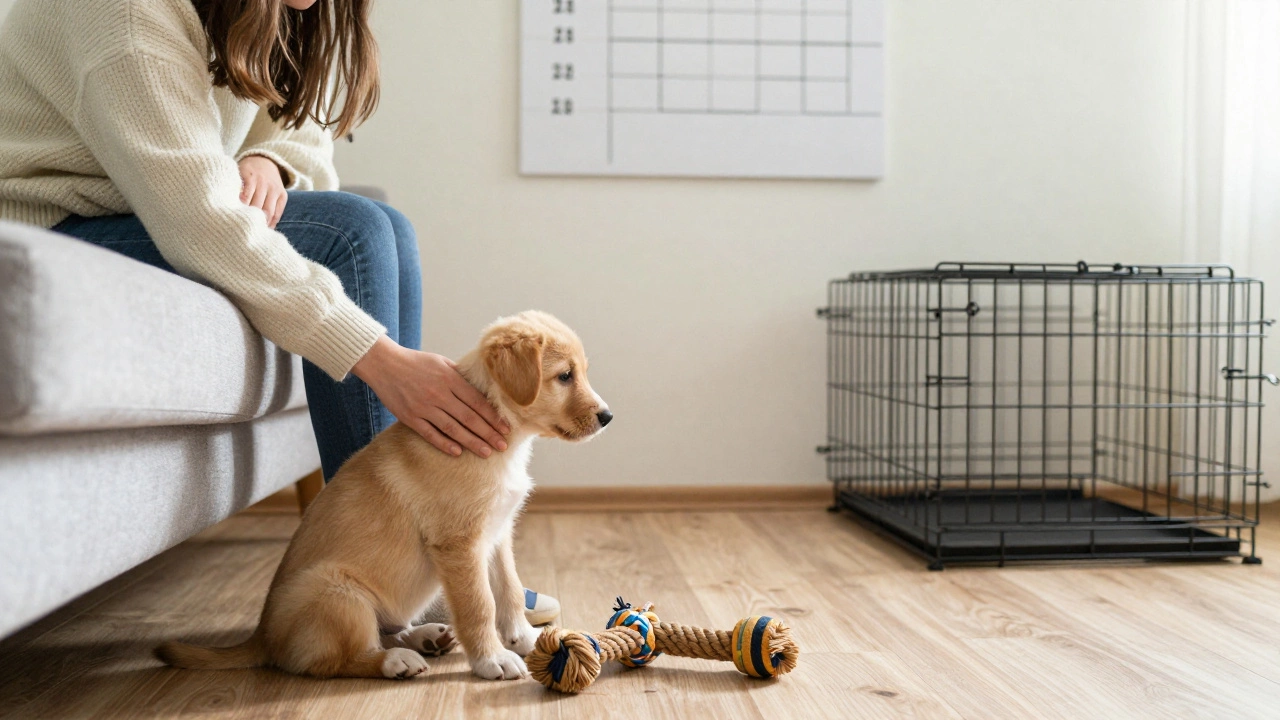
Months 1-3: Lock in the Habits
This is when your puppy starts to become a well-behaved member of the household. But it’s also when bad habits can sneak in if you’re not paying attention.
By now, they should be going potty outside most of the time. Keep up the schedule. Reward success with treats and play. If they have an accident indoors, go back to closer supervision. Use a crate or playpen when you can’t watch them.
Start socializing them with calm, vaccinated dogs and friendly people. Don’t force interactions. Let them approach at their own pace. A puppy who feels safe around strangers and other animals will grow into a confident adult dog.
Teach them to be alone. Start with 5 minutes while you step into another room. Gradually increase the time. If they whine, don’t rush back. Wait until they’re quiet. This prevents separation anxiety later.
By three months, they should know their name, sit on command, and understand that chewing on furniture is off-limits. They’ll still test boundaries-that’s normal. Stay calm, consistent, and kind.
What the Rule of 3 Isn’t
The rule of 3 doesn’t mean your puppy will be perfectly trained by 12 weeks. It doesn’t mean they’ll stop biting or never jump on guests. It means they’ll be on the right path.
Some puppies adapt faster. Others take longer. That’s okay. The rule of 3 is a roadmap, not a deadline.
It also doesn’t replace professional training. If your puppy is aggressive, overly fearful, or has constant accidents after three months, talk to a certified trainer. Early help makes a big difference.
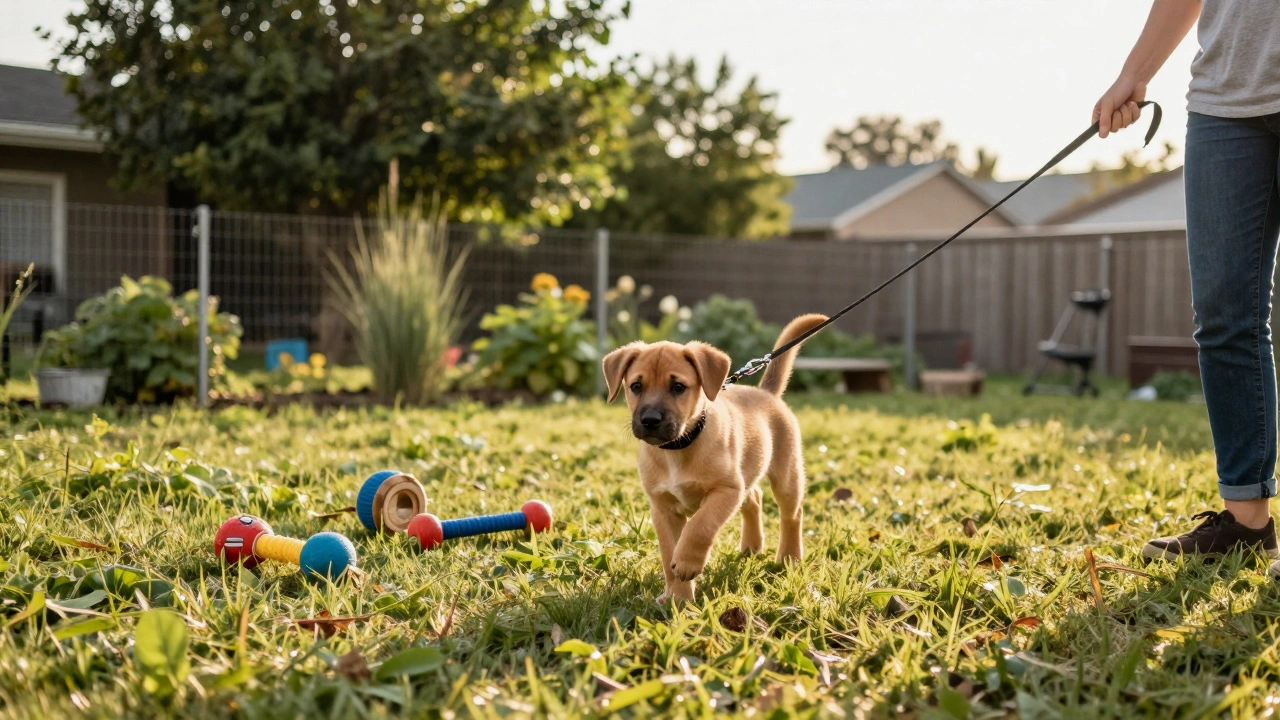
Common Mistakes to Avoid
- Overloading with toys-too many can cause anxiety or overstimulation
- Using punishment for accidents-fear-based training backfires
- Letting them sleep in your bed right away-this can make house training harder
- Skipping socialization because they’re “too young”
- Waiting until they’re 6 months to start training
Focus on what you can control: your patience, your routine, and your consistency.
What You’ll See by Month 3
By the end of three months, you’ll notice real changes:
- Your puppy sleeps through the night without needing a potty break
- They run to the door when they need to go outside
- They stop chewing on everything and choose their toys instead
- They respond to their name and come when called (most of the time)
- You can leave them alone for 2-3 hours without destruction
These aren’t magic. They’re the result of the rule of 3 working.
Final Thought: Slow Is Steady
People want quick results. But puppies aren’t robots. They’re developing brains and bodies. Rushing them leads to fear, confusion, and long-term behavior problems.
The rule of 3 gives you a gentle, proven structure. It doesn’t promise perfection. But it does promise peace. Peace in your home. Peace in your heart. And a puppy who grows up feeling loved, not scared.
Take it one day at a time. You’ve got this.