
Puppy First 48 Hours Planner
Set up the perfect routine for your new arrival. Enter your puppy's details below to generate a survival schedule.
You just brought home a bundle of fluff and chaos. Your heart is full, your phone camera roll is already at capacity, but let’s be honest: you are terrified. You’ve spent weeks researching breeds and budgets, but nothing quite prepares you for the reality of that first night when the crying starts. The first 48 hours with a new puppy aren’t about rigorous training or perfect obedience. They are about survival, bonding, and setting the stage for a happy life together. If you panic, your puppy panics. So, take a deep breath. We’re going to walk through exactly what to do-and what not to do-when those critical two days begin.
The Arrival: Setting Up the Safe Zone
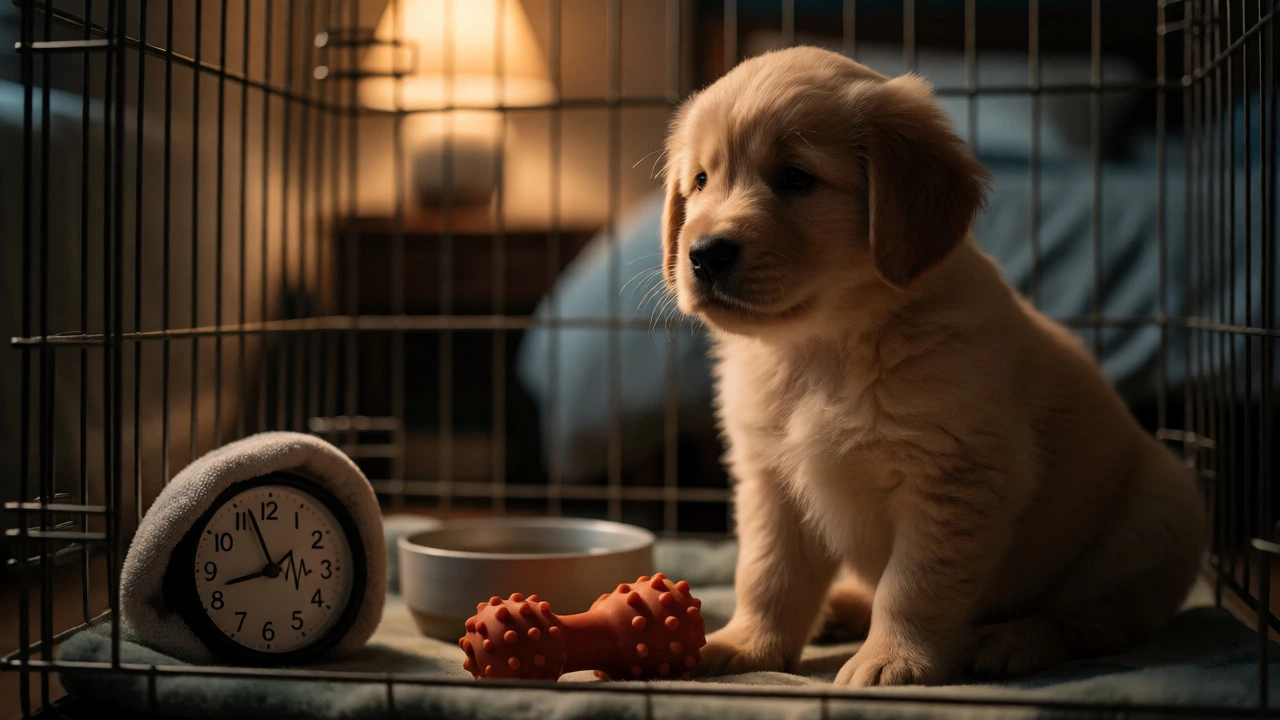
Before the puppy even crosses your threshold, your home needs to be ready. This isn’t just about hiding electrical cords (though please do that). It’s about creating a predictable environment. Puppies thrive on routine because they have no concept of time or safety in a strange world. Start by designating a "safe zone." This is usually a crate or a playpen area where the puppy can retreat when overwhelmed.
Inside this zone, place a comfortable bed, some water, and one or two puppy toys that are specifically designed for teething or chewing. Avoid overwhelming them with ten different stuffed animals right away. Too many choices lead to decision paralysis and accidental destruction of the wrong things. Keep it simple. One soft toy for comfort, one durable chew toy for jaw relief. That’s it.
When you pick up your puppy, keep the car ride calm. No loud music, no sudden stops. Once you get home, go straight to their safe zone. Let them sniff around briefly, then settle them down. Resist the urge to invite all your friends over for a meet-and-greet party. Socialization is vital, but the first 48 hours are for decompression, not performance.
Night One: Handling the Crying
This is the part nobody warns you about enough: the noise. Your puppy will cry. It’s their instinct to call out to their mother and littermates because they feel alone. Do not ignore them completely, but do not rush in every time they whimper, either. If you rush in every single time, you teach them that crying equals immediate attention and cuddles.
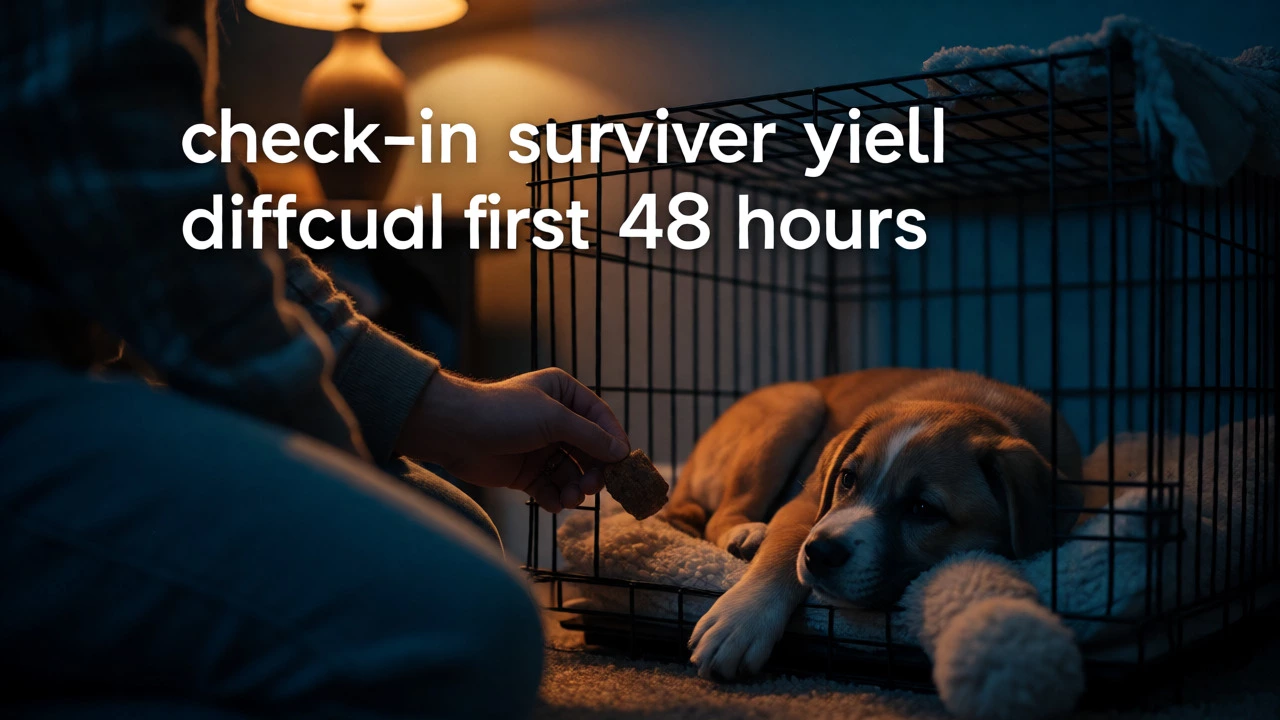
Instead, try the "check-in" method. If they cry for more than five minutes, go in quietly. Don’t make eye contact. Don’t talk excitedly. Just check if they need to go to the toilet. If they don’t, leave them a small treat and go back out. Some owners swear by placing a ticking clock or a warm water bottle wrapped in a towel near the crate to mimic the heartbeat and warmth of their siblings. It sounds silly, but it works wonders for anxious pups.
| Strategy | Best For | Risk |
|---|---|---|
| Crate in Bedroom | Young puppies (under 12 weeks) | Potential sleep disruption for owner |
| Crate in Hallway | Older puppies or light sleepers | Puppy may feel isolated initially |
| Dog Bed in Room | Bonding-focused owners | Accidents on the floor; harder to house train |
For most people in Ireland, keeping the crate in the bedroom for the first few nights is the best balance between bonding and house training. You can hear when they need to go out, which prevents accidents inside the crate. Remember, a clean crate is a happy crate. Dogs naturally avoid soiling where they sleep, so if they whine urgently, it’s likely a bathroom emergency, not just fussiness.
Feeding and Hydration: The Boring Basics
Ask the breeder or shelter exactly what food the puppy was eating before they came to you. Stick to that brand for the first week. Changing food too quickly causes digestive upset, and nobody wants to deal with diarrhea during the honeymoon phase. If you want to switch brands later, do it gradually over seven days.
Feed according to the package guidelines, but watch your puppy’s body condition. A healthy puppy should have visible ribs but not sharp edges. Overfeeding leads to obesity and joint issues down the line, especially in large breeds like Labradors or German Shepherds. Water should always be available, but remove it an hour before bedtime to help with overnight bladder control. Just remember to put it back first thing in the morning.
Toilet Training Starts Now
Yes, you start immediately. You cannot wait until next week. The rule of thumb is simple: take them out after they wake up, after they eat, after they play, and before they sleep. That’s four guaranteed opportunities. Add a couple more in between, and you’ve got a solid schedule.
Use a specific phrase like "go potty" while they are doing their business. Consistency is key here. When they finish outside, praise them enthusiastically. Give them a tiny treat immediately. Not five minutes later-immediately. The association needs to be instant. If they have an accident inside, do not rub their nose in it. They won’t understand why you’re angry. Just clean it up with an enzymatic cleaner to remove the scent marker, and increase your supervision levels.
Socialization vs. Quarantine
Here is a common point of confusion. Should you take your unvaccinated puppy to the park? Generally, no. Until your vet confirms they are fully vaccinated, avoid areas where other dogs’ feces might be present. Parvovirus is a real threat, and it survives in the soil for months. However, socialization doesn’t mean meeting random dogs. It means exposing them to new sights, sounds, and surfaces safely.
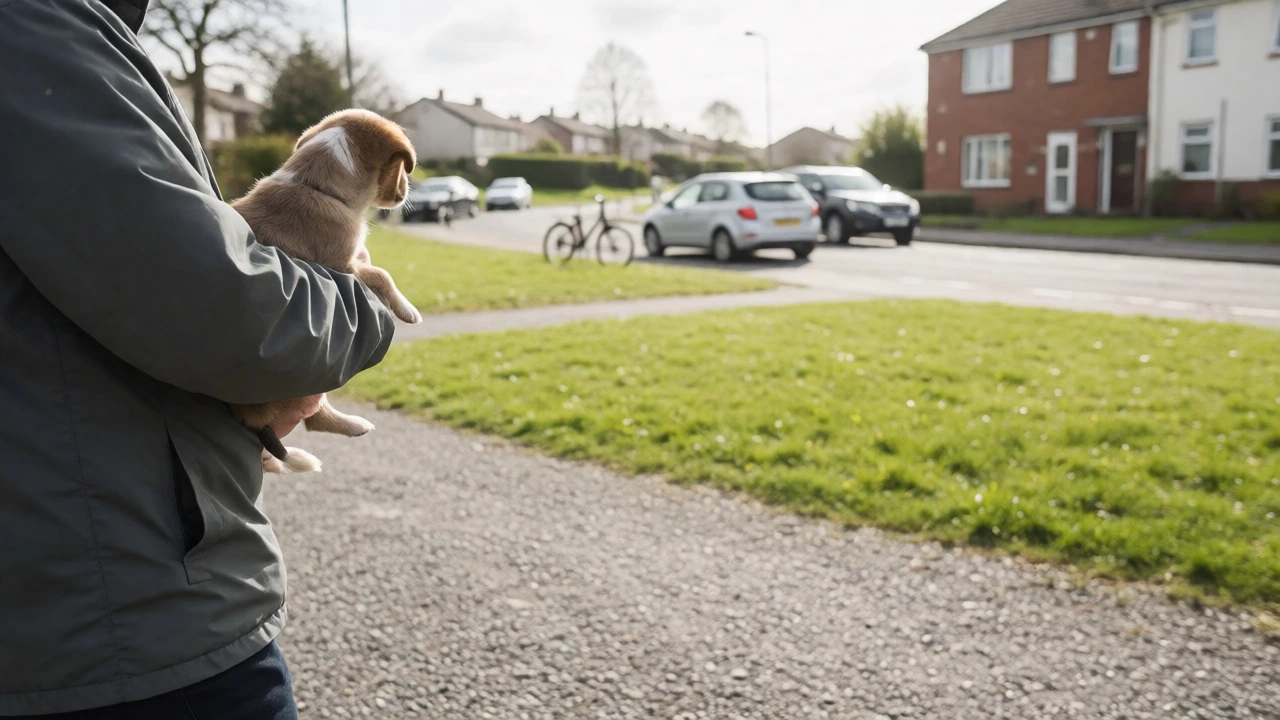
Carry your puppy around the neighborhood. Let them see cars, bicycles, joggers, and other humans from a distance. Let them walk on grass, gravel, and pavement. These low-stress exposures build confidence without risking disease. In Dublin, we have plenty of quiet parks and residential streets that are perfect for this kind of passive socialization. Keep sessions short-five to ten minutes is plenty for a young brain.
The Role of Toys in Early Development
Since we’re focusing on puppy toys, let’s clarify their purpose in these first two days. Toys aren’t just entertainment; they are tools for teaching boundaries. When your puppy chews your shoe, swap it for a toy. When they bite your hand, offer a chew rope. This redirects their natural mouthing behavior onto acceptable objects.
Avoid toys with small parts that can be swallowed. Check for loose eyes or squeakers that could become choking hazards. Rope toys are great for tug-of-war, which teaches impulse control. Soft plush toys provide comfort, especially during nap times. Rotate toys every few days to keep interest high, but don’t overwhelm the space with clutter. A tidy environment helps a tidy mind.
Health Checks and Vet Visits
Book a veterinary appointment within the first week. You don’t need to rush to the clinic on day one unless there’s an emergency, but you do need a baseline health check. Bring any paperwork from the breeder, including vaccination records and deworming history. Ask your vet about local parasite risks, such as ticks and fleas, which are prevalent in Ireland year-round.
Check your puppy’s ears, eyes, and coat daily. Look for signs of ear mites (dark debris) or skin irritation. Gently handle their paws and mouth now, so future grooming and dental checks are less stressful. Positive reinforcement during handling builds trust. Reward them with treats for letting you touch their ears or look in their mouth.
Common Mistakes to Avoid
First, don’t punish accidents. Fear-based training damages the bond you’re trying to build. Second, don’t skip socialization entirely. Isolation can lead to fearfulness later in life. Third, don’t expect perfection. Your puppy will have bad moments. You will have bad moments. That’s normal.
Also, resist the urge to buy everything at once. Wait a month before investing in expensive beds or designer collars. You’ll learn what your puppy actually likes and needs. Maybe they prefer a cheap plastic bowl over ceramic. Maybe they hate the collar you bought. Save your money for quality food and vet bills instead.
Should I let my puppy sleep in my bed?
It depends on your goals. Sleeping in your bed promotes bonding but makes house training harder due to potential accidents. Crate training encourages independence and easier toilet habits. Most experts recommend starting with a crate in the bedroom, then transitioning based on your lifestyle preferences.
How often should I feed a new puppy?
Puppies under three months typically need four meals a day. From three to six months, reduce to three meals. After six months, two meals are usually sufficient. Always follow the feeding guidelines on the food packaging and adjust based on your puppy’s energy levels and body condition score.
Can I bathe my puppy in the first 48 hours?
Avoid bathing unless absolutely necessary. Bathing can be stressful and may strip natural oils from their coat. Use pet wipes for spot cleaning if needed. Wait until your puppy has settled in and received their vaccinations before giving a full bath, usually after the second set of shots.
What are the best puppy toys for teething?
Rubber chew toys that can be frozen are excellent for soothing sore gums. Look for durable materials like natural rubber or nylon. Rope toys also help massage gums. Avoid hard bones that can crack teeth and plush toys with easily removable parts.
Why is my puppy crying at night?
Crying is a separation anxiety response. They miss their mother and littermates. It’s also possible they need to urinate. Check if they need a bathroom break first. If not, provide comfort without reinforcing the crying behavior excessively. Ticking clocks or heartbeat simulators can help soothe them.
Next Steps for Success
After the initial 48-hour crash course, establish a weekly routine. Schedule regular vet visits, enroll in a puppy socialization class once vaccinated, and continue consistent house training. Keep a journal of your puppy’s habits, quirks, and milestones. This record becomes invaluable as they grow.
Remember, the goal of the first two days isn’t to create a perfectly trained dog. It’s to create a secure, loved puppy who trusts you. Everything else builds on that foundation. Be patient, stay calm, and enjoy the journey. The chaos fades, but the memories stick around forever.