

Dog Gear Recommendation Tool
Find the best identification and control method based on your dog's needs
Our Recommendation:
First, let's get the big one out of the way: skin and coat issues. Some dogs just can't handle the friction. Imagine wearing a scratchy wool scarf 24/7 during a humid summer in Dublin; that's how some dogs feel with a nylon strap. Dog collars is a band of fabric, leather, or metal worn around a dog's neck for identification and control. While standard for most, for dogs with sensitive skin or those prone to dermatitis, a collar can cause painful chafing or "collar sores." I've known a Golden Retriever whose neck fur would literally mat and tear just from the pressure of a standard buckle collar. For these pets, removing the collar isn't a style choice-it's a relief from chronic irritation.
The Struggle with Sensory Overload and Anxiety
Not every dog likes the feeling of something tight on their throat. Some breeds, or even just specific personalities, experience sensory overload. You might notice a dog constantly pawing at their neck or trying to rub their collar off against the sofa. This is often a sign of tactile sensitivity. For an anxious dog, that slight pressure on the trachea can feel claustrophobic, triggering a stress response that makes them restless or irritable. In these cases, owners find that the dog's mental health improves significantly the moment the gear comes off.
Switching to Harnesses for Better Health
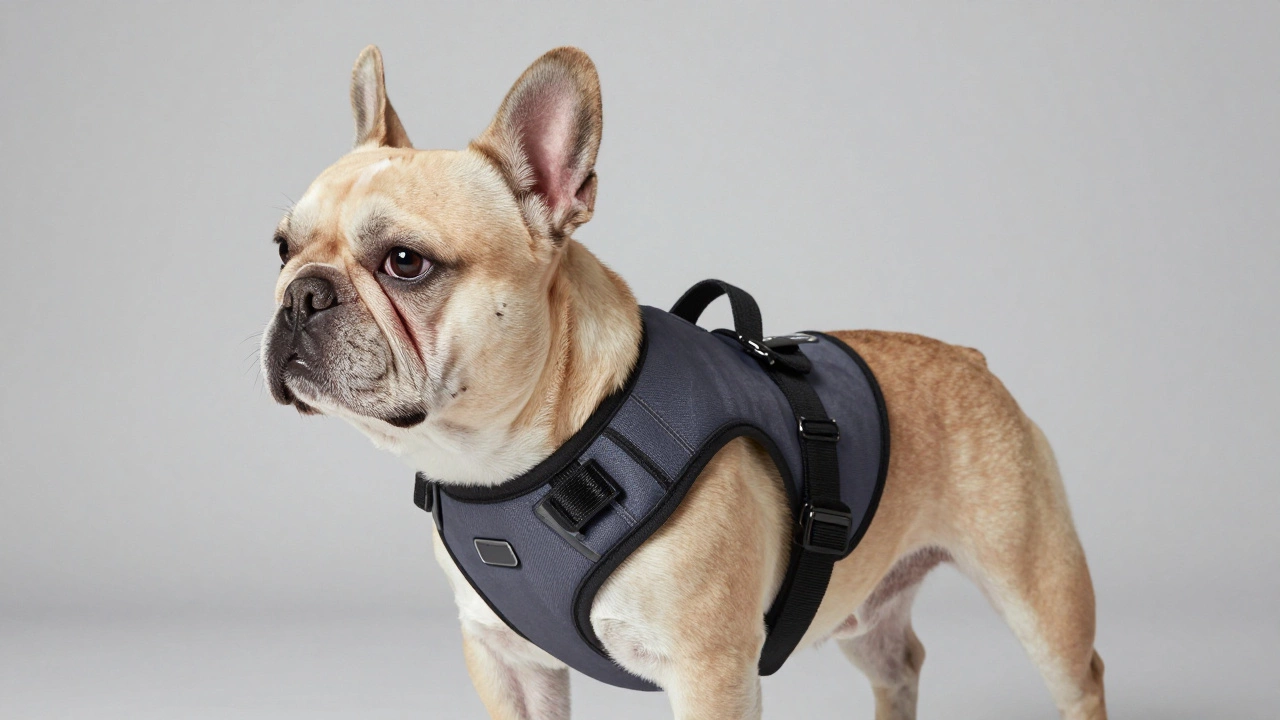
Many owners who avoid collars aren't actually "collarless" in the sense that they have no gear; they've just swapped the neck strap for a Harness, which is a system of straps that wrap around a dog's chest and shoulders to distribute pressure away from the neck. This is a huge deal for breeds prone to respiratory issues. For example, Brachycephalic breeds (like Pugs or French Bulldogs) have shortened airways. A collar, especially if the dog pulls, can put dangerous pressure on their windpipe, potentially leading to collapsing tracheas. Using a harness instead prevents this risk entirely. If you're seeing a Pug without a collar, they're likely wearing a harness most of the time for health reasons.
The Rise of Internal Identification
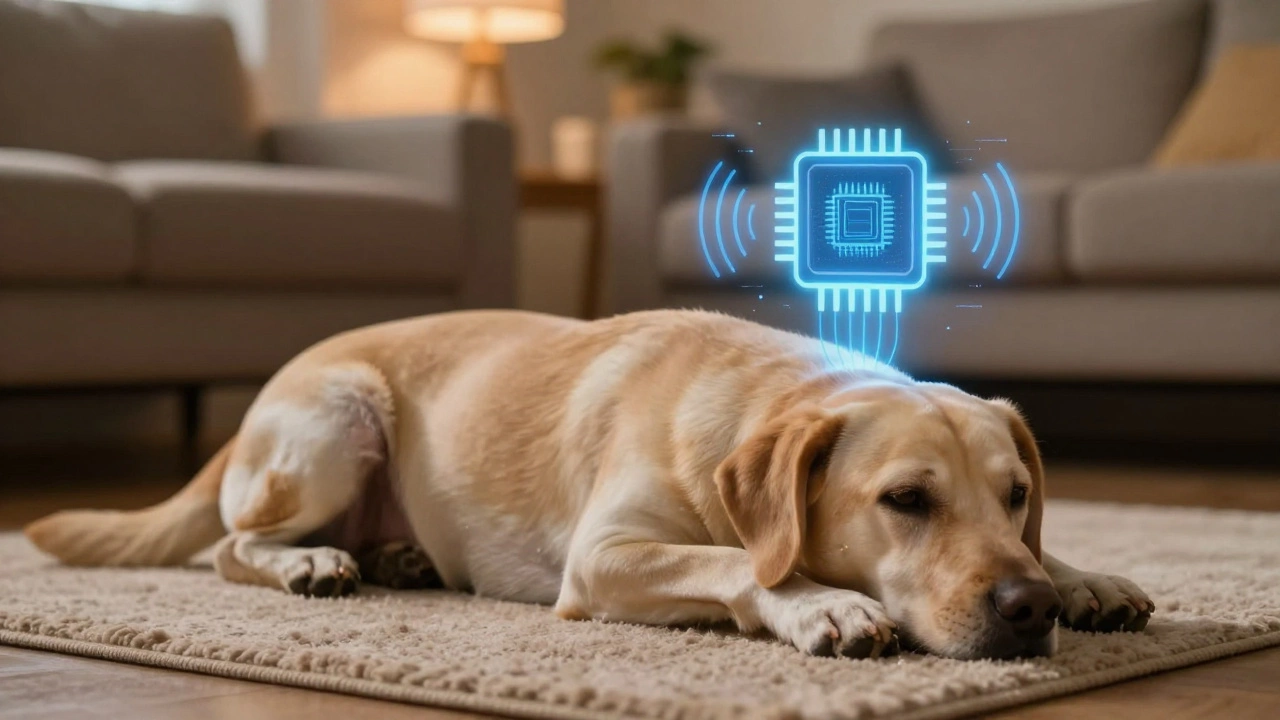
The biggest fear for any owner going collarless is: "What if they get lost?" The old-school way was a hanging metal tag, but those jingle, catch on branches, and can be ripped off. Enter the Microchip. A small electronic chip implanted under the skin that stores a unique ID number linked to the owner's contact info is now the gold standard for recovery. When a dog is microchipped, the need for a permanent physical tag decreases. Many owners feel that if the chip is current, the physical collar is just an unnecessary accessory. They might put a collar on for walks, but let the dog be "naked" at home or in a secure garden.
Comparing Traditional Collars vs. Modern Alternatives
If you're wondering if you should switch or why others have, it helps to see how the options stack up against each other. Different gear solves different problems depending on the dog's size and temperament.
| Gear Type | Primary Benefit | Main Drawback | Best For |
|---|---|---|---|
| Standard Collar | Easy ID placement | Neck pressure/chafing | Calm, low-pulling dogs |
| Chest Harness | No tracheal pressure | Can be bulky/hot | Brachycephalic breeds |
| Microchip | Permanent identification | Requires scanner | All dogs as a backup |
| GPS Collar | Real-time tracking | Needs charging | High-flight risk dogs |
Beyond health and tech, there's the "escape artist" factor. Some dogs are just too smart for their own good. They can shimmy out of a collar in seconds. If a dog consistently slips out of their gear, the owner might stop using a collar entirely to avoid the frustration of it constantly getting lost in the bushes. Instead, they rely on a secure, well-fitted harness that's almost impossible to shake off.
The Psychology of the "Naked" Dog
There's also a lifestyle element. Some owners believe that dogs are happier and more "natural" without constraints. When a dog is in a fully fenced, secure environment, a collar becomes a redundant piece of plastic or leather. For these owners, the goal is maximum comfort. Why force a dog to wear something that doesn't serve a purpose in the safety of their own backyard? It's like wearing a coat inside your own house-you can do it, but why would you?
Managing the Risks of Going Collarless
Going without a collar isn't without its dangers. The obvious one is the lack of immediate identification. If a dog escapes and doesn't have a tag, a kind stranger can't just read a phone number; they have to get the dog to a vet or shelter to be scanned. To mitigate this, responsible collarless owners often use a "dual-system": a microchip for permanent ID and a lightweight, breakaway collar that they only put on when the dog leaves the house. A Breakaway Collar is a collar designed to snap open if it catches on something, preventing strangulation, which is particularly useful for dogs that spend a lot of time outdoors.
Common Mistakes When Ditching the Collar
If you're thinking about letting your dog go collar-free, don't just rip the gear off and hope for the best. There are a few pitfalls to avoid. First, never assume a microchip is enough if you live in an area where shelters aren't well-funded or equipped with scanners. Second, don't replace a collar with a poorly fitted harness; a harness that's too tight can cause skin infections in the armpit area (axillary dermatitis). Finally, remember that some local laws actually require dogs to wear a license tag. In certain cities, a dog without a visible tag can lead to a fine, regardless of whether they have a chip.
Summary of Why Dogs Go Collarless
Most people who skip the collar do it for a reason that prioritizes the dog's well-being. Whether it's avoiding dog collars because of skin allergies, protecting a fragile windpipe with a harness, or relying on the invisible security of a microchip, the trend is moving toward "comfort-first" pet care. It's less about neglecting identification and more about evolving how we identify and control our pets in a way that doesn't cause them physical or mental stress.
Is it legal for a dog to not wear a collar?
It depends entirely on where you live. In many regions, there is no law requiring a collar, but there may be laws requiring a dog to be "identified." This means as long as the dog has a microchip or a license, you're usually fine. However, some municipalities strictly require a visible license tag on the collar when the dog is in public.
Can a microchip replace a collar tag?
Technically, yes, for identification. A microchip provides a permanent way to link a dog to its owner. The downside is that a chip requires a professional scanner to read. A tag allows anyone who finds your dog to call you immediately, which is much faster than waiting for a shelter or vet to process the animal.
What should I use if my dog hates collars?
A well-fitted Y-shaped harness is the best alternative. These distribute pressure across the chest and shoulders rather than the neck. For identification, you can attach tags to the harness or opt for a microchip implant.
Do some breeds need collars more than others?
Actually, some breeds need them *less*. Sighthounds (like Greyhounds) have heads that are narrower than their necks, making collars slide right off. For these dogs, collars are often useless, and harnesses are a necessity for safety.
Can collars cause health problems?
Yes. Beyond simple skin irritation, collars can cause tracheal collapse in small or brachycephalic breeds if they pull hard. They can also cause neck injuries if a dog gets the collar caught on a fence or branch while unattended.