
Cat Free-Feeding Suitability Calculator
Use this calculator to assess whether leaving dry food out 24/7 is safe for your specific cat, or if scheduled meals are recommended.
Enter your cat's details and click "Analyze" to see recommendations.
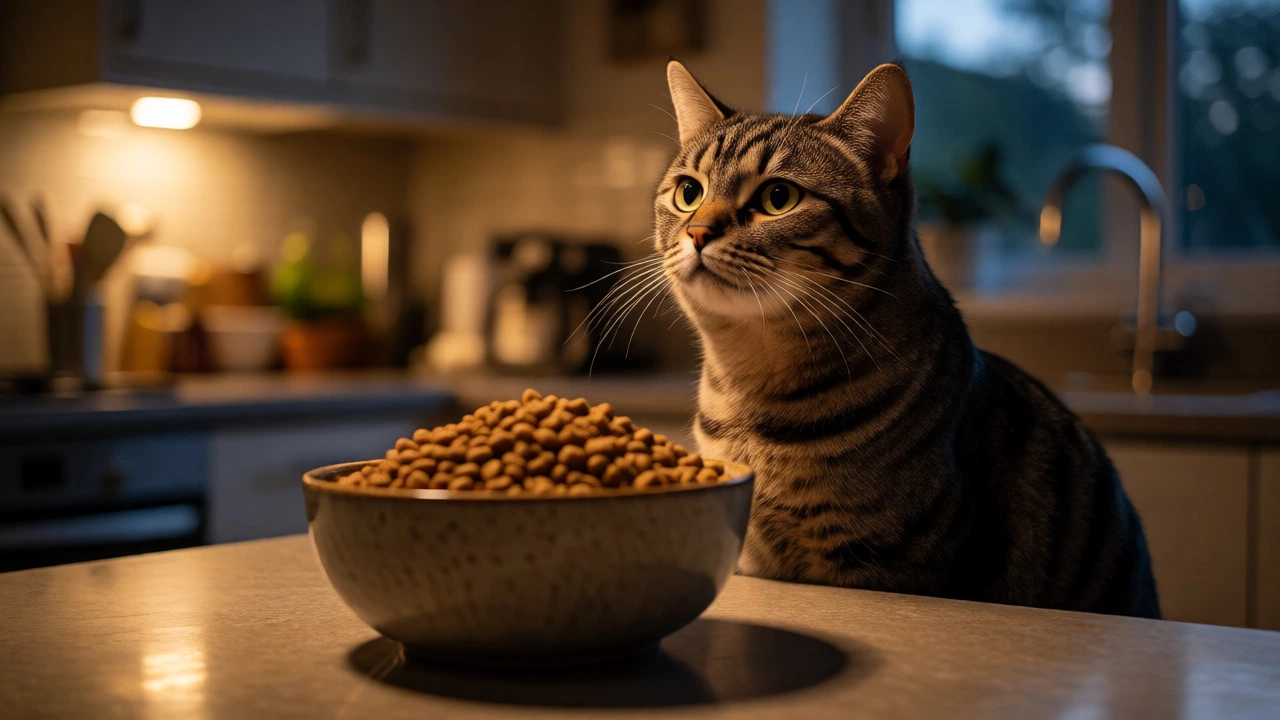
You come home after a long day, and your cat is already waiting by the bowl. It’s full. She looks at you, then at the bowl, then back at you with those judgmental eyes. Is she hungry? Or is she just bored? This scenario plays out in millions of households where free feeding is the norm. It’s convenient, sure. You dump a bag of kibble into an automatic feeder or a heavy ceramic bowl, and you’re done until next week. But does leaving dry food available around the clock actually serve your cat’s health needs, or is it just serving our own convenience?
The short answer isn’t a simple yes or no. It depends entirely on who your cat is. A healthy adult cat might do fine grazing, while a senior cat with kidney issues or a young kitten needing energy spikes could suffer from this method. Let’s break down what happens when you leave that bowl out, why vets are increasingly skeptical of it, and how you can find a middle ground that keeps both you and your feline friend happy.
What Actually Happens When You Leave Kibble Out
Cats are obligate carnivores, meaning their bodies are designed to process meat, not grains or high-carbohydrate plant fillers often found in dry food. In the wild, a cat doesn’t graze all day. They hunt small prey-mice, birds, insects-eating multiple small meals throughout the night and early morning. Each kill provides a burst of protein and moisture. When you switch to dry kibble, you’re removing the moisture component (dry food is only about 10% water, compared to 75-80% in wet food) and changing the macronutrient balance.
When you practice free feeding, you remove the natural rhythm of hunting and eating. Your cat wakes up, eats a few bites, naps, wakes up again, eats more. For some cats, this mimics their natural instinct to eat small amounts frequently. For others, it leads to boredom eating. If there’s nothing else to do but stare out the window, the food bowl becomes a source of entertainment. Before you know it, a cat that should weigh 9 pounds is pushing 13, and the vet starts talking about diabetes.
The Risks of Unrestricted Dry Food Access
The biggest concern with 24/7 access to dry food is overconsumption. Unlike humans, cats don’t always stop eating when they’re full if the food is highly palatable and calorie-dense. Many commercial kibbles are coated in animal digest or fats to make them irresistible. If your cat has unlimited access, they will likely consume more calories than they burn, especially if they are indoor-only and less active.
| Factor | Free Feeding (Dry) | Scheduled Meals |
|---|---|---|
| Weight Control | Harder to monitor; risk of gradual weight gain | Easier to track intake; prevents overeating |
| Hydration | Low; requires separate water encouragement | Can combine with wet food for higher moisture |
| Digestion | Constant acid production may irritate stomach | Better insulin regulation; consistent digestion |
| Behavior | May lead to boredom eating or resource guarding | Reinforces routine; reduces anxiety |
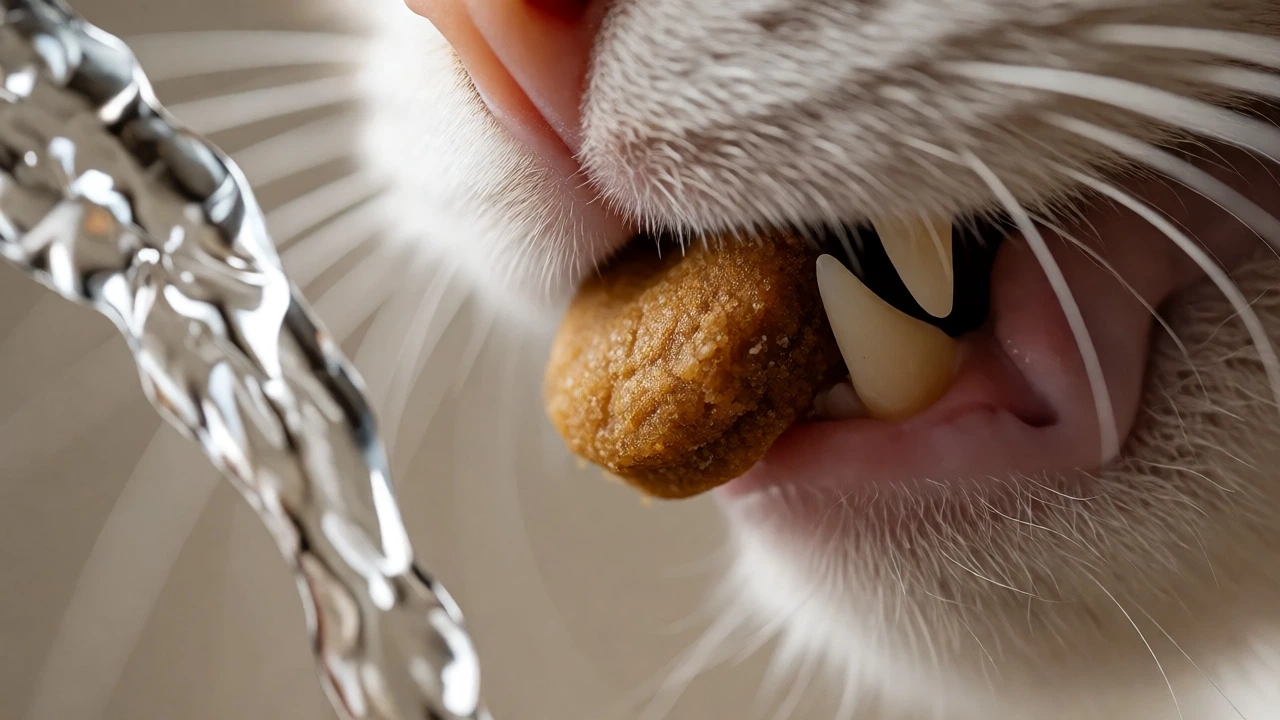
Another hidden danger is dental health. There’s a persistent myth that crunchy kibble cleans teeth like a toothbrush. In reality, most cats swallow kibble whole or crush it quickly without much grinding action. Without scheduled breaks between meals, plaque has constant fuel to build up. While brushing is still the gold standard, having periods where the mouth is empty helps saliva neutralize acids naturally.
When Free Feeding Might Actually Work
It’s not all doom and gloom. Some cats thrive on free feeding. If you have a multi-cat household, scheduled meals can cause fights. One cat might guard the bowl, preventing others from eating. In these cases, using microchip-activated feeders or placing bowls in separate rooms can help, but sometimes simple free feeding is the peacekeeper. Also, very active kittens or cats with high metabolic rates might genuinely need constant fuel to maintain energy levels.
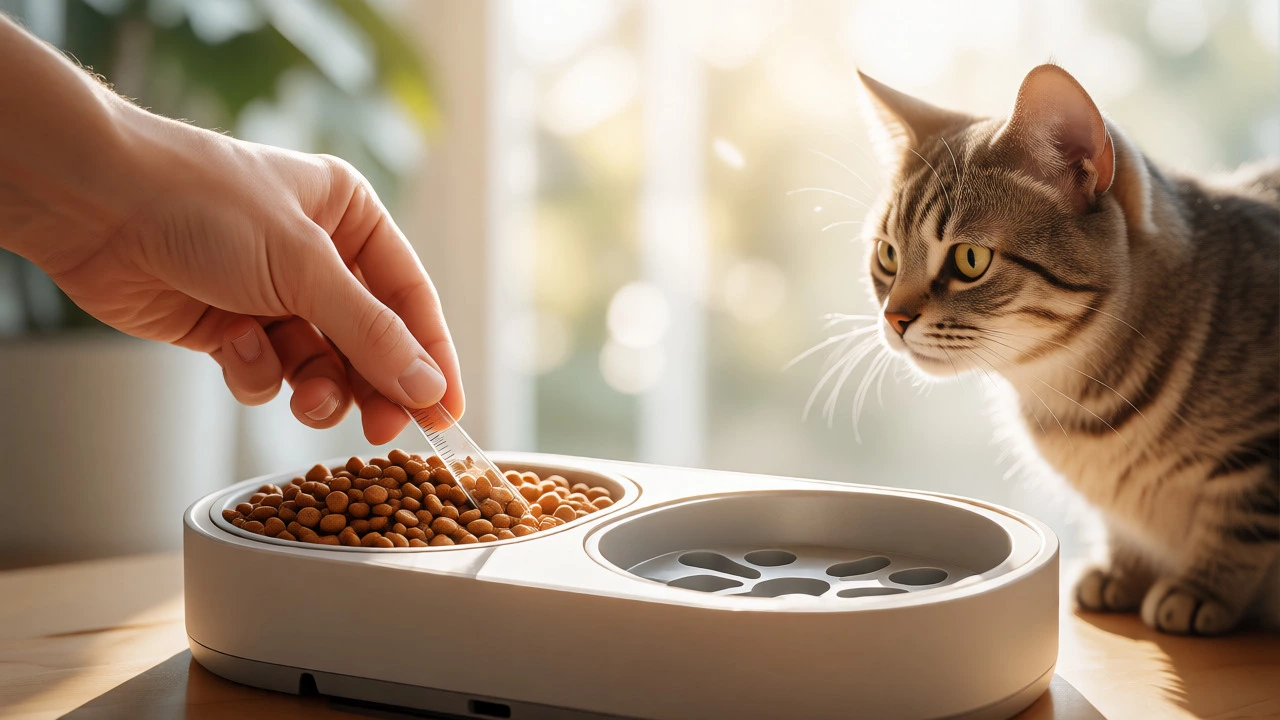
If you choose to free feed, you must be disciplined about portion control. This means measuring the exact daily allowance based on your cat’s ideal weight, not their current weight. Pour that amount into the bowl each morning. Once it’s gone, it’s gone. Don’t top it off. This hybrid approach gives the illusion of free feeding while keeping calories in check.
The Moisture Problem: Why Dry Food Alone Isn’t Enough
Here’s a fact many owners miss: cats have a low thirst drive. Their ancestors got most of their water from prey. By switching to a dry-food-only diet, you’re asking a desert-adapted animal to drink significantly more water than they naturally want to. Chronic mild dehydration is a leading contributor to urinary tract issues and chronic kidney disease (CKD), which affects nearly 30% of cats over age 10.
If you keep dry food out 24/7, ensure your cat has fresh, moving water sources. Fountains often encourage drinking better than static bowls. However, adding a scheduled wet meal-even just once a day-can drastically improve hydration status. Think of dry food as a snack or supplement, not the sole foundation of their diet.
How to Transition Without Chaos
If you’ve been free feeding for years and decide to switch to scheduled meals, expect resistance. Cats hate change. Do it gradually over two weeks. Start by reducing the amount of dry food left out at night. Pick up the bowl before bed. Offer a small meal in the morning. Then another in the evening. Use interactive puzzle feeders to slow down eating and provide mental stimulation, replacing the boredom-eating habit.
- Week 1: Reduce nighttime access. Remove bowl 2 hours before bed.
- Week 2: Establish fixed meal times (e.g., 7 AM and 7 PM). Keep dry food accessible only during specific windows.
- Ongoing: Monitor weight weekly. Adjust portions if belly fat increases.
Final Verdict: What Should You Do?
For most adult indoor cats, unrestricted 24/7 access to dry food is a recipe for obesity and potential urinary issues. It prioritizes owner convenience over feline biology. A better approach is measured free feeding (strict daily limits) or, ideally, scheduled meals that include a significant portion of wet food. If you must leave dry food out, use an automatic dispenser that releases small amounts throughout the day rather than a bottomless bowl. Watch your cat’s body condition score-if you can’t feel their ribs easily, it’s time to pull the plug on the buffet.
Is it bad to leave dry food out for cats overnight?
Not necessarily bad, but risky. Cats are crepuscular (active at dawn/dusk), so they may graze heavily at night. If the food is unlimited, they often overeat. If you leave it out, measure the exact daily portion first. If they finish it by morning, they were hungry. If leftovers remain, they were bored.
Do cats get sick from eating too much dry food?
Yes. Common issues include obesity, type 2 diabetes, and lower urinary tract disease (FLUTD). Dry food is high in carbs and low in moisture, which stresses the kidneys and pancreas over time. Vomiting shortly after eating can also indicate rapid consumption of large quantities.
How much dry food should I leave out for my cat?
Follow the guideline on the package, but adjust for activity level. An average 10-pound indoor cat usually needs 200-250 calories per day. Check the cup-to-calorie conversion on the bag. Never exceed the recommended daily limit, even if the bowl looks empty.
Can I mix wet and dry food with free feeding?
You can, but wet food spoils quickly. Most vets recommend serving wet food on a schedule (twice daily) and leaving dry food out for grazing. This ensures they get hydration benefits from the wet food while satisfying the urge to nibble dry kibble later.
Why does my cat beg for food right after eating?
This is often behavioral, not physiological. Cats learn that begging gets results. If you feed them every time they meow, they’ll meow more. Rule out medical issues like hyperthyroidism or diabetes with a vet if the hunger seems insatiable despite adequate weight maintenance.