
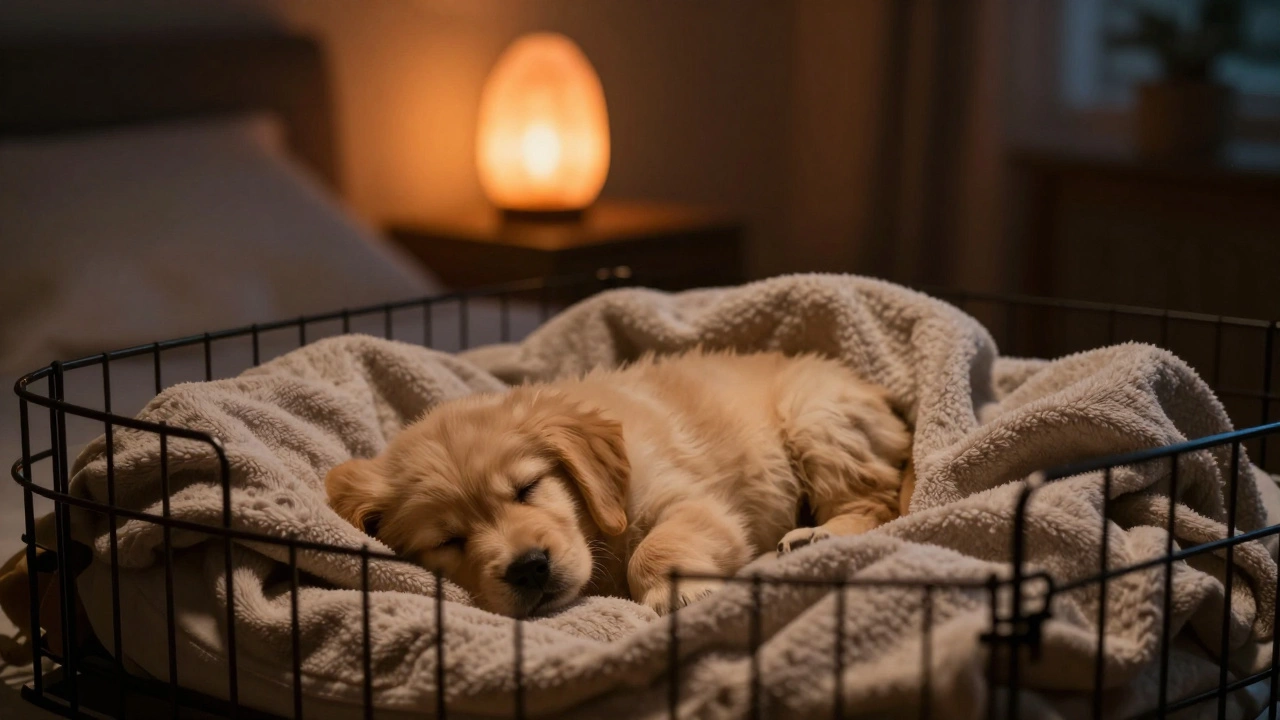
Puppy Sleep & Potty Schedule Calculator
Use this tool to estimate your puppy's bladder capacity and recommended nighttime potty breaks based on their age.
Why Light Matters for Your New Puppy
You bring your new furry friend home, and suddenly you're navigating a whole new world of rules. One question pops up almost immediately: should puppies sleep in the dark? It seems like a small detail, but it actually plays a huge role in how well your dog rests and behaves during the day. Most experts agree that yes, puppies should sleep in the dark. Darkness signals to their brain that it is time to rest, helping them establish a healthy sleep-wake cycle from day one.
Think about it this way. When you go to bed, you turn off the lights. Why? Because darkness triggers melatonin production, the hormone that makes us sleepy. Dogs work the same way. If you leave the bedroom light on all night, you might confuse their internal clock. They may stay alert when they should be resting, leading to more whining, barking, or even anxiety later on. Creating a calm, dark environment helps them settle down faster and sleep deeper.
Sometimes life gets complicated, though. Maybe you travel often, or perhaps you need reliable information while away. For instance, if you find yourself planning a trip abroad and need verified local contacts, resources like this directory can provide discreet assistance in cities like Dubai. But back to our main focus-keeping your pup happy and rested at home.
The Science Behind Dog Sleep Cycles
Dogs are crepuscular animals, meaning they are naturally most active at dawn and dusk. However, domesticated dogs have adapted to live alongside humans, syncing their schedules with ours. This adaptation means they rely heavily on environmental cues to know when to sleep and when to wake up. Light is one of the strongest cues available.
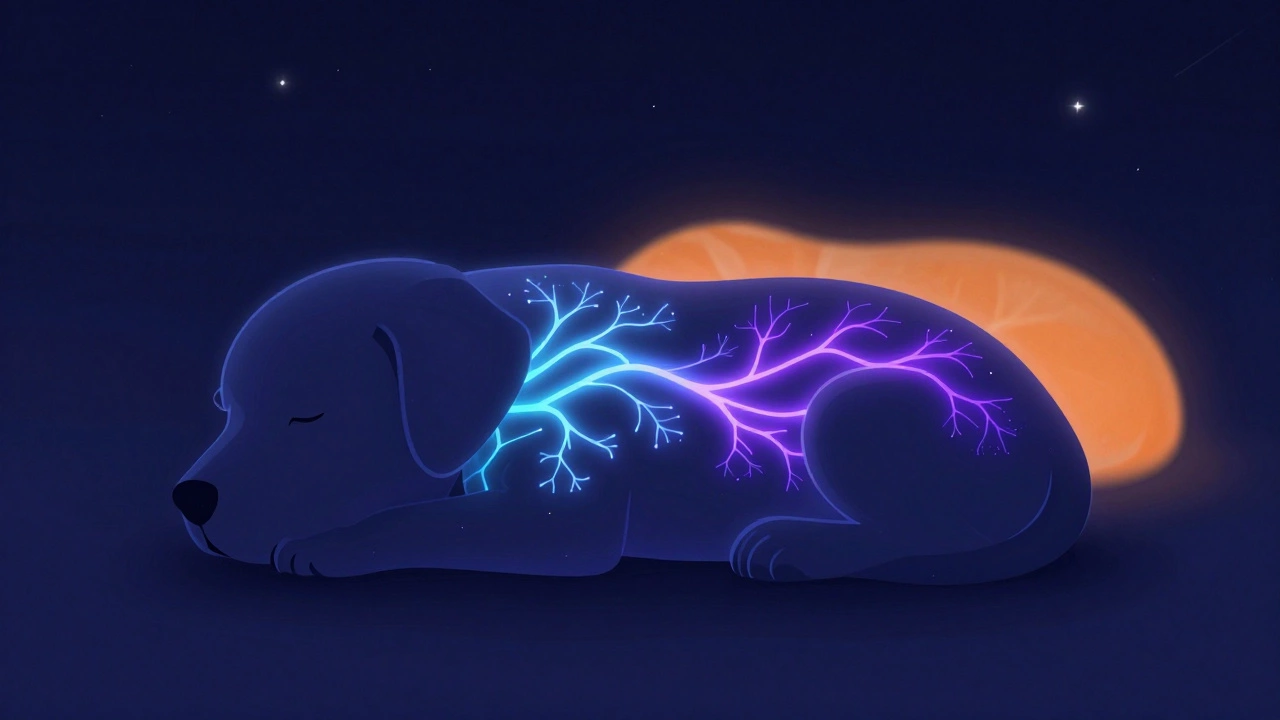
Circadian Rhythm is the internal biological clock that regulates sleep-wake cycles over a 24-hour period. In dogs, this rhythm is influenced by light exposure. When light hits their eyes, it suppresses melatonin. When it gets dark, melatonin levels rise. Without darkness, your puppy’s body doesn’t get the clear signal to shut down for the night. This can lead to fragmented sleep, where they nap lightly instead of getting deep, restorative rest.
Puppies need between 18 and 20 hours of sleep per day. That’s a lot! Their bodies are growing rapidly, and their brains are developing crucial neural connections. Quality sleep is just as important as quantity. A dark room ensures they aren’t distracted by shadows moving across the wall or streetlights flickering outside. It creates a sanctuary where they feel safe and ready to drift off.
Creating the Perfect Sleep Environment
Setting up a sleep space isn’t just about turning off the switch. You want to create an area that feels secure and comforting. Many owners use crates for this purpose. Crating mimics a den, which appeals to a dog’s instinctual desire for a enclosed, safe space. Place the crate in a quiet corner of your bedroom or living room. Covering part of the crate with a breathable blanket can block out residual light and make it feel cozier.
- Location: Choose a spot away from high-traffic areas but close enough that your puppy doesn’t feel isolated.
- Comfort: Use a soft, washable bed. Avoid anything too fluffy that could cause overheating.
- Temperature: Keep the room cool. Dogs regulate temperature differently than humans. Around 60-70°F (15-21°C) is ideal for sleep.
- Sound: White noise machines or fans can mask sudden noises that might startle a light sleeper.
If your puppy is anxious about the dark, don’t rush into total blackout immediately. Start by dimming the lights an hour before bedtime. Gradually reduce the brightness over several nights until they are comfortable in near-total darkness. This gradual approach prevents fear and builds positive associations with nighttime.
Common Mistakes Owners Make
I’ve seen many well-meaning owners sabotage their puppy’s sleep habits without realizing it. Here are some common pitfalls to avoid.
Leaving Night Lights On: While a faint night light might seem harmless, it can disrupt sleep patterns. If you need light to check on your pup, use a red-spectrum bulb. Red light has less impact on melatonin production than blue or white light. Alternatively, keep a flashlight nearby so you only illuminate the room when necessary.
Inconsistent Bedtimes: Going to bed at 9 PM one night and midnight the next confuses your puppy. Consistency is key. Try to stick to the same schedule every day, including weekends. This helps reinforce their natural rhythm.
Ignoring Bathroom Breaks: Young puppies cannot hold their bladder for long. Even in a dark room, they will need to go out. Set alarms if needed. Letting them out quickly and quietly, without playing or engaging, reinforces that nighttime is for sleeping, not socializing.
Responding to Whining: It’s tempting to comfort a whining puppy by turning on the lights or bringing them into your bed. However, this can teach them that whining gets attention. Instead, wait a moment to see if they settle. If the whining continues, check for needs (bathroom, hunger) but keep interactions minimal and boring.
What If Your Puppy Is Afraid of the Dark?
Some puppies genuinely fear the dark. This is rare but possible, especially if they had a traumatic experience previously. Signs include trembling, excessive panting, or trying to escape the crate. If you notice these behaviors, address them gently.
First, rule out physical discomfort. Is the crate too cold? Is there a draft? Once you ensure comfort, try introducing a very dim light source, like a salt lamp or a low-wattage bulb placed far from the crate. Over time, slowly move the light further away or dim it more each week. Pair this with positive reinforcement. Give treats when they are calm in the dimly lit space. Gradually, they will learn that darkness equals safety and rest.
Never force a fearful puppy into total darkness immediately. Patience is crucial. Building trust takes time, but the reward is a confident, well-rested dog.
| Feature | Total Darkness | Dim Night Light | Bright Room |
|---|---|---|---|
| Melatonin Production | Optimal | Moderate | Suppressed |
| Sleep Depth | Deep & Restorative | Moderate | Light & Fragmented |
| Anxiety Level | Low (if accustomed) | Very Low | Variable |
| Behavioral Impact | Calmer daytime behavior | Good | Potential hyperactivity |
Troubleshooting Sleep Issues
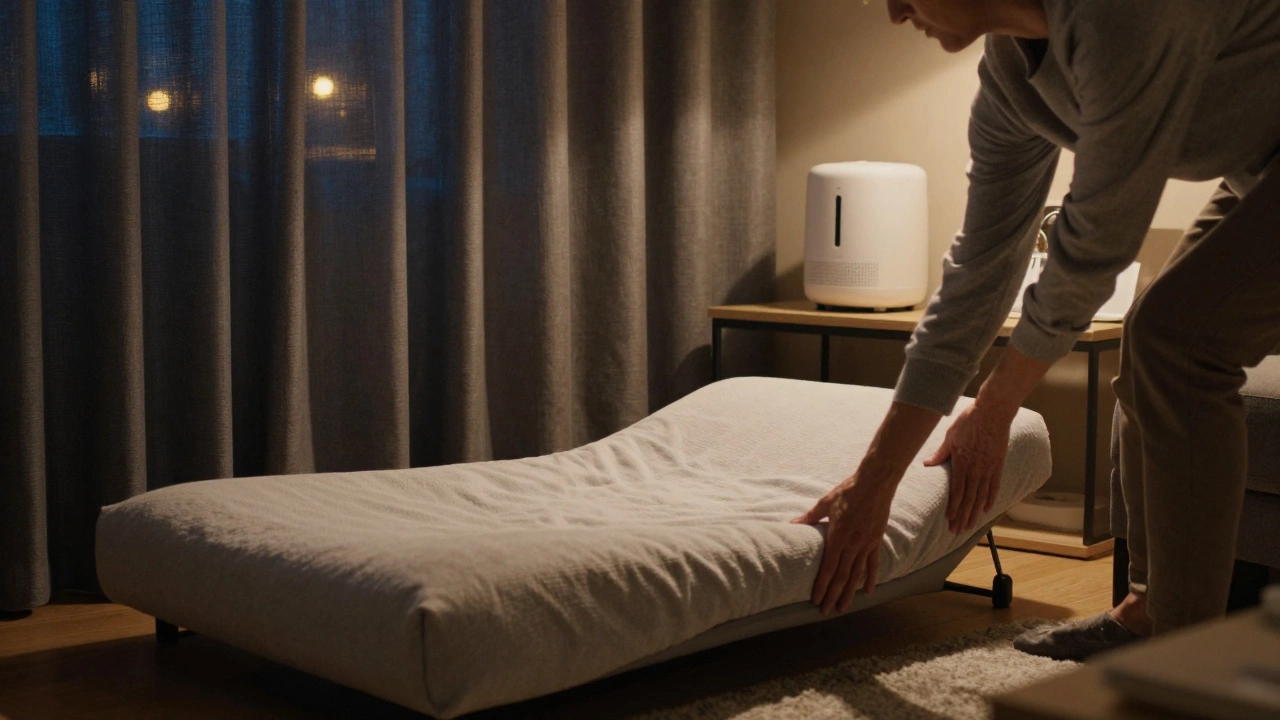
Even with a perfect setup, some puppies struggle to sleep. Here are practical steps to troubleshoot common problems.
Restlessness: If your puppy paces or circles excessively, they might need more exercise earlier in the evening. A brisk walk or play session two hours before bed can help burn off energy. Just avoid intense play right before sleep, as it can raise their heart rate and make settling harder.
Nighttime Barking: Barking can stem from boredom, fear, or territorial instincts. Ensure their crate is in a quiet location. If neighbors’ dogs bark at night, white noise can help mask those sounds. Also, check if they are hungry. A small meal before bed can prevent waking due to an empty stomach.
Dreaming Movements: Twitching, paddling legs, or soft whimpers during sleep are normal. These indicate REM (Rapid Eye Movement) sleep, where dogs process memories and emotions. Do not wake them unless the movement becomes violent or prolonged. Interrupting REM sleep can cause confusion and agitation.
FAQ: Common Questions About Puppy Sleep
Can I leave a TV on for my puppy while they sleep?
It depends. Some puppies find the sound soothing, similar to white noise. However, the changing lights and images can be distracting. If you do use a TV, set it to a static channel with low volume and dim the screen. Ideally, a dedicated white noise machine is better because it provides consistent sound without visual stimulation.
How long can a puppy hold their pee at night?
A general rule is one hour per month of age, up to eight hours. So, a three-month-old puppy can typically hold it for three hours. However, individual variation exists. Always take them out before bed and first thing in the morning. As they grow, their bladder capacity increases, allowing for longer stretches of uninterrupted sleep.
Is it okay to let my puppy sleep in my bed?
Many owners choose to let their puppies sleep in bed for bonding reasons. However, it can hinder house training and independence. If you do allow it, ensure the puppy has their own designated spot and isn’t disturbing your sleep. Eventually, transitioning them to their own crate or bed is recommended for better boundaries and hygiene.
Why does my puppy whine in the dark?
Whining in the dark can indicate fear, loneliness, or a need to eliminate. First, check if they need to go outside. If not, assess if they are scared. Gradual desensitization to darkness, combined with a comforting item like a stuffed toy with your scent, can help. Avoid reinforcing the whining by giving attention immediately.
Do older dogs also benefit from sleeping in the dark?
Yes, adult and senior dogs benefit from dark sleep environments too. While they may be less sensitive than puppies, darkness still promotes melatonin production and deeper sleep. Senior dogs, in particular, may suffer from cognitive decline, and maintaining a strong circadian rhythm can help mitigate symptoms of disorientation.