What to Avoid in Dog Food: 7 Dangerous Ingredients to Skip
Learn the 7 dangerous ingredients to avoid in dog food, from artificial preservatives to xylitol, and how to choose a safer, healthier option for your pet.

When you read the label on your dog’s food, you’re not just looking at a list of words—you’re reading the blueprint of your dog’s daily health. dog food ingredients, the actual components used to make commercial dog food, determine energy levels, coat shine, digestion, and even long-term disease risk. Also known as pet food formulation, these ingredients aren’t just filler—they’re the foundation of your dog’s wellbeing. Many owners assume that if it’s sold in a pet store, it’s good. But that’s not true. Some brands use cheap fillers like corn gluten meal or poultry by-product meal just to cut costs. Others use real meat, whole grains, and added vitamins because they care about results, not just profit.
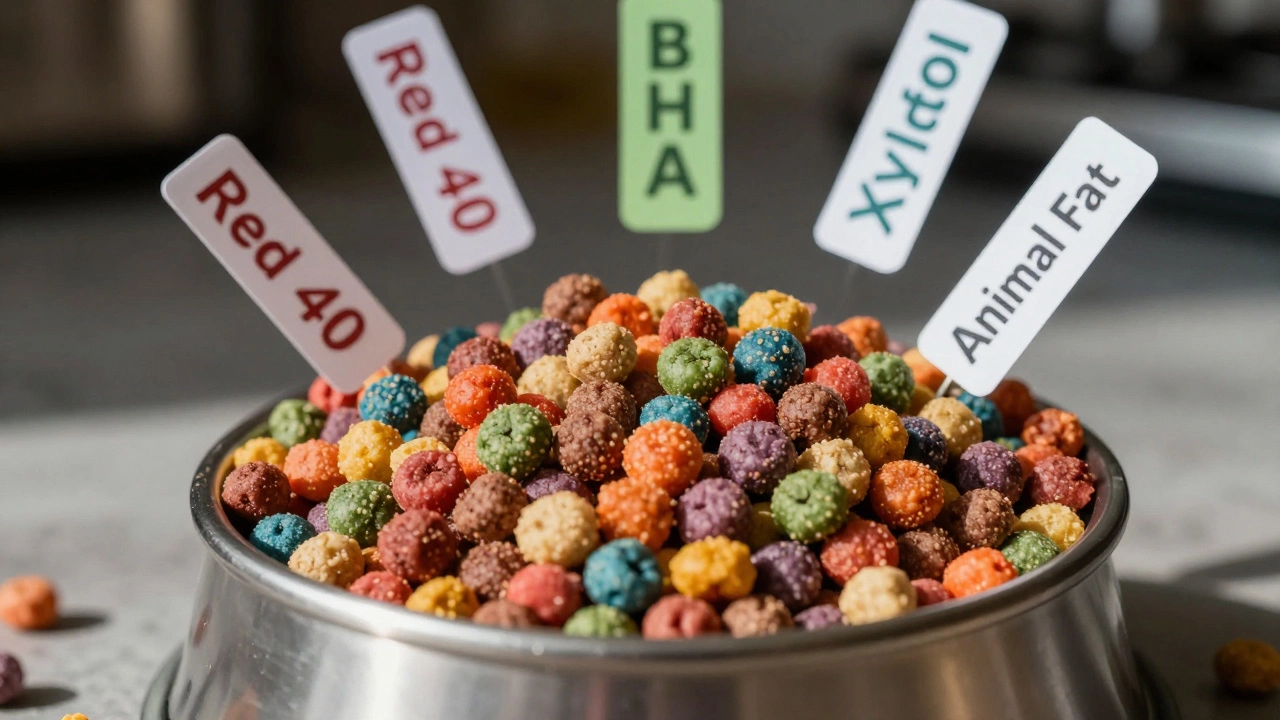
That’s why vet-recommended dog food, formulas endorsed by veterinarians based on clinical testing and long-term outcomes. Also known as prescription or therapeutic diets, these foods often have fewer unknowns and more transparency is so important. Vets don’t recommend Purina because it’s cheap or popular—they recommend it because it’s consistent, scientifically backed, and works for dogs with sensitive stomachs, allergies, or joint issues. On the flip side, supplements like Canine Prime get heavy marketing but little vet support. Why? Because they often lack the right balance of proven ingredients like omega-3s, glucosamine, or chondroitin. You wouldn’t feed your kid candy because it’s colorful—you shouldn’t feed your dog food just because the bag looks nice. Look for meat as the first ingredient. Avoid artificial preservatives like BHA and BHT. Skip anything with vague terms like "meat meal" without saying which animal it comes from. And if you’re adding dog supplements, products given alongside food to support joint, skin, or digestive health. Also known as dog vitamins or nutraceuticals, these can help—but only if they’re backed by real science, make sure they’re not replacing a solid diet.
Real dog health doesn’t come from flashy packaging or celebrity endorsements. It comes from simple, clean ingredients that match your dog’s biology. That’s why the posts below cover exactly what you need to know: what’s actually in the food you’re buying, which brands earn trust, what ingredients to question, and how to spot the difference between marketing and science. You’ll find out why pumpkin works for diarrhea, why fish oil beats olive oil for inflammation, and why peanut butter can be dangerous if it contains xylitol. This isn’t about guessing. It’s about making smart choices based on facts, not trends.
Learn the 7 dangerous ingredients to avoid in dog food, from artificial preservatives to xylitol, and how to choose a safer, healthier option for your pet.