Dog Sleeping Preferences: What Your Dog Really Needs to Rest Well
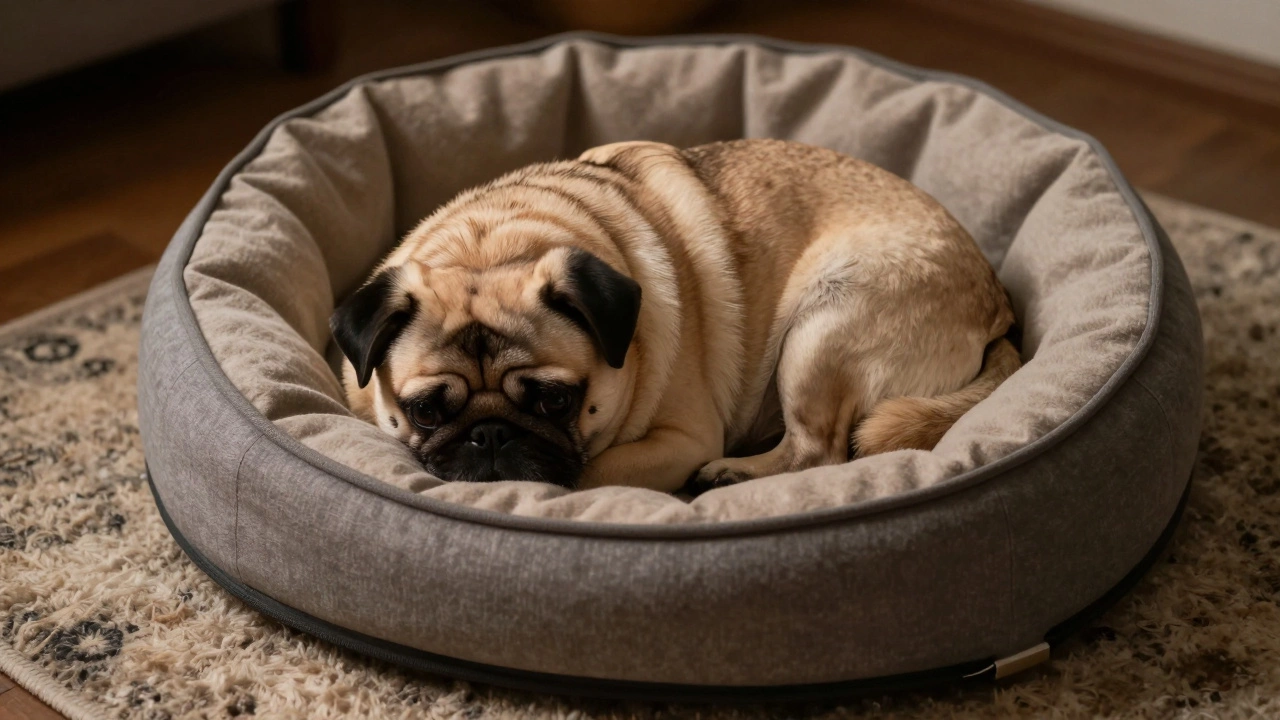
When it comes to dog sleeping preferences, the specific ways dogs choose and use their resting spaces based on comfort, safety, and instinct. Also known as canine sleep behavior, it’s not just about where they lie down—it’s about how deeply they rest, and whether they feel secure enough to truly relax. Your dog doesn’t pick a spot by accident. They’re guided by instinct, past experiences, and physical comfort. A dog that curls up in a tight ball might be seeking warmth. One that stretches out flat could be telling you they feel safe. And if they keep moving between rooms, they’re likely searching for the perfect temperature or surface.
One key factor tied to dog bed size, the optimal dimensions of a bed that allow a dog to stretch, turn, and rest without pressure on joints is whether the bed is too small or too big. A bed that’s just a few inches longer than your dog from nose to tail gives them room to stretch without losing the cozy feeling they crave. Too large, and they lose that secure, den-like warmth. Too small, and their joints suffer. This isn’t just about comfort—it’s about long-term health. Dogs with arthritis or hip issues need extra cushioning and space to shift positions without pain. And if you’ve noticed your dog sleeping on the floor instead of their bed? That’s a sign the bed isn’t meeting their needs.
dog sleep habits, the consistent patterns dogs follow when resting, including duration, timing, and preferred locations vary by age, breed, and health. Puppies sleep up to 20 hours a day, while adult dogs average 12–14. But it’s not just about quantity—it’s about quality. Dogs cycle through light and deep sleep just like humans. If your dog is restless at night, pacing, or waking up frequently, it could be because their bed is too hard, too cold, or placed in a high-traffic area. Dogs that sleep near their owners aren’t just being clingy—they’re following pack instincts. They feel safest when they’re close to their human family.
Then there’s the question of dog sleeping space, the physical location or environment where a dog chooses to rest, influenced by temperature, noise, lighting, and access. Should your dog have a bed in every room? Maybe. Some dogs follow you from room to room, and denying them a spot in the living room or bedroom can create stress. Others prefer one quiet corner. The key is offering options. A dog that sleeps in the hallway might be avoiding the cold tile in the kitchen or the noise of the TV. Pay attention to where they naturally go when they’re tired—that’s your best clue.
And don’t forget dog bed comfort, the physical and psychological sense of ease a dog feels when resting on a bed, shaped by material, support, and familiarity. Memory foam isn’t just for humans. Older dogs with joint issues benefit from it. Washable covers matter because dogs shed, drool, and sometimes have accidents. A bed that smells like home—even if it’s just your scent—can help anxious dogs settle faster. Replacing a worn-out bed isn’t a luxury; it’s a health priority.
What you’ll find below isn’t just a list of articles—it’s a practical guide built from real pet care experience. You’ll learn how to pick the right bed size, why your dog avoids certain spots, what sleep habits signal health problems, and how to create a rest environment that matches their needs. No guesswork. No fluff. Just clear, tested advice that helps your dog sleep better—and live better, too.