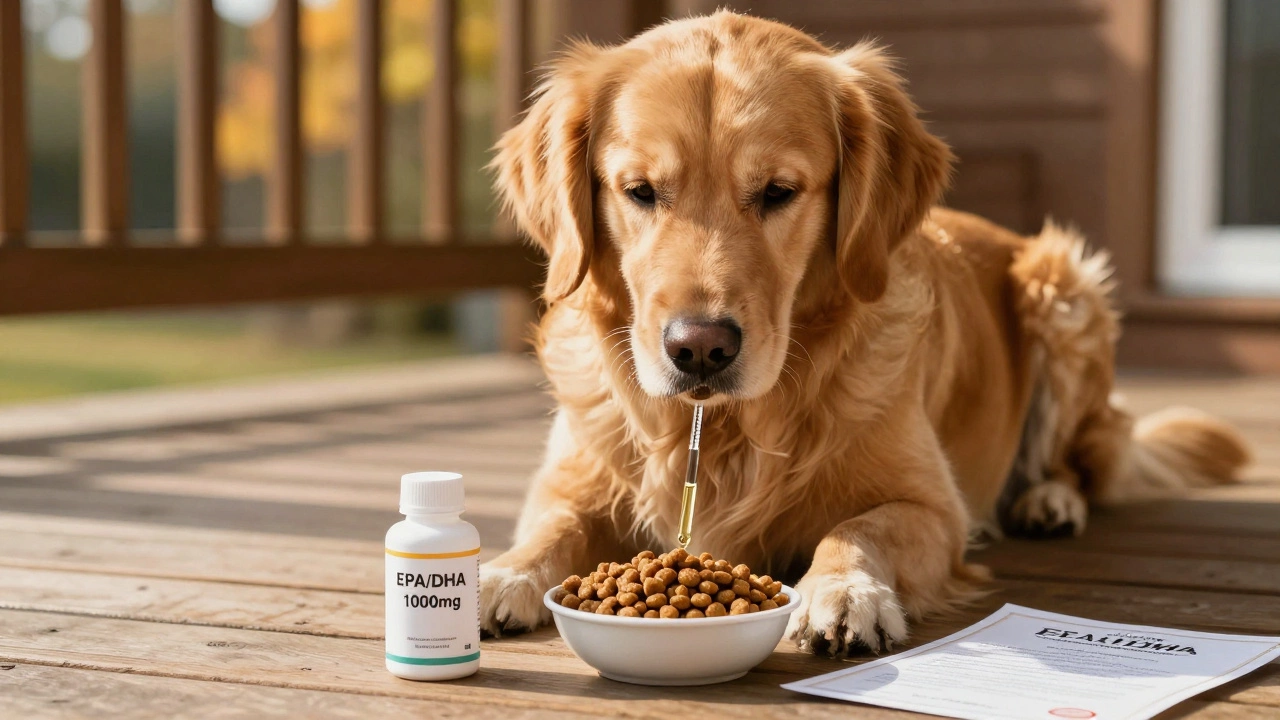
Fish Oil for Dogs: Benefits, Dosage, and What Vets Really Say
When it comes to fish oil for dogs, a concentrated source of omega-3 fatty acids derived from cold-water fish like salmon and sardines. Also known as omega-3 supplements for pets, it’s one of the few dog supplements backed by real veterinary research—not just marketing. Unlike flashy powders or chewable treats with unproven ingredients, fish oil delivers EPA and DHA, two fatty acids your dog’s body actually uses to reduce inflammation, improve coat shine, and support joint mobility.
Many dog owners mix it into food thinking it’s a cure-all, but it’s not magic. It works best as part of a balanced diet. For example, if your dog has arthritis, fish oil won’t replace vet-prescribed meds—but studies show it can reduce pain enough to cut down on NSAID use. It also helps with dry, itchy skin, especially in dogs allergic to fleas or food. And yes, it can even make them a little calmer. The omega-3s in fish oil support brain function, which is why some vets suggest it for older dogs showing signs of cognitive decline.
But here’s the catch: not all fish oil is created equal. Cheap brands use low-grade fish, add fillers, or don’t even contain the promised amount of EPA and DHA. Look for third-party tested products with a clear label showing milligrams of EPA and DHA per serving—not just "fish oil" as the main ingredient. And don’t confuse it with coconut oil, a saturated fat often marketed as a dog supplement. While coconut oil helps with skin and digestion, it doesn’t provide the same anti-inflammatory benefits as fish oil. They’re not interchangeable. Vets don’t recommend giving both at the same time unless under supervision—too much fat can cause pancreatitis.
How much should you give? It depends on your dog’s weight and health. A general rule is 20mg of EPA per pound of body weight daily, but always check with your vet first. Overdosing can lead to loose stools, blood thinning, or even vitamin E deficiency. Start slow, mix it into their food, and watch for changes in coat texture or energy levels over a few weeks.
You’ll find plenty of posts below that dig into exactly this—what fish oil really does, how it stacks up against other supplements, which brands are trustworthy, and what signs tell you it’s working. Some owners swear by it for shedding; others use it for senior dogs struggling to get up. There’s also a direct comparison between fish oil and coconut oil, so you don’t waste money on something that won’t help your dog’s specific needs. This isn’t guesswork—it’s science, stripped down to what matters for your pet.