
Dog Food Ingredient Checker
Select an ingredient below to see if it is safe for your dog. Always consult your veterinarian before introducing new foods to your dog's diet.
Proteins & Veggies
Pantry & Grains
Danger Zone
Ingredient Name
Ingredient details will appear here.
The Truth About Your Dog's Bowl
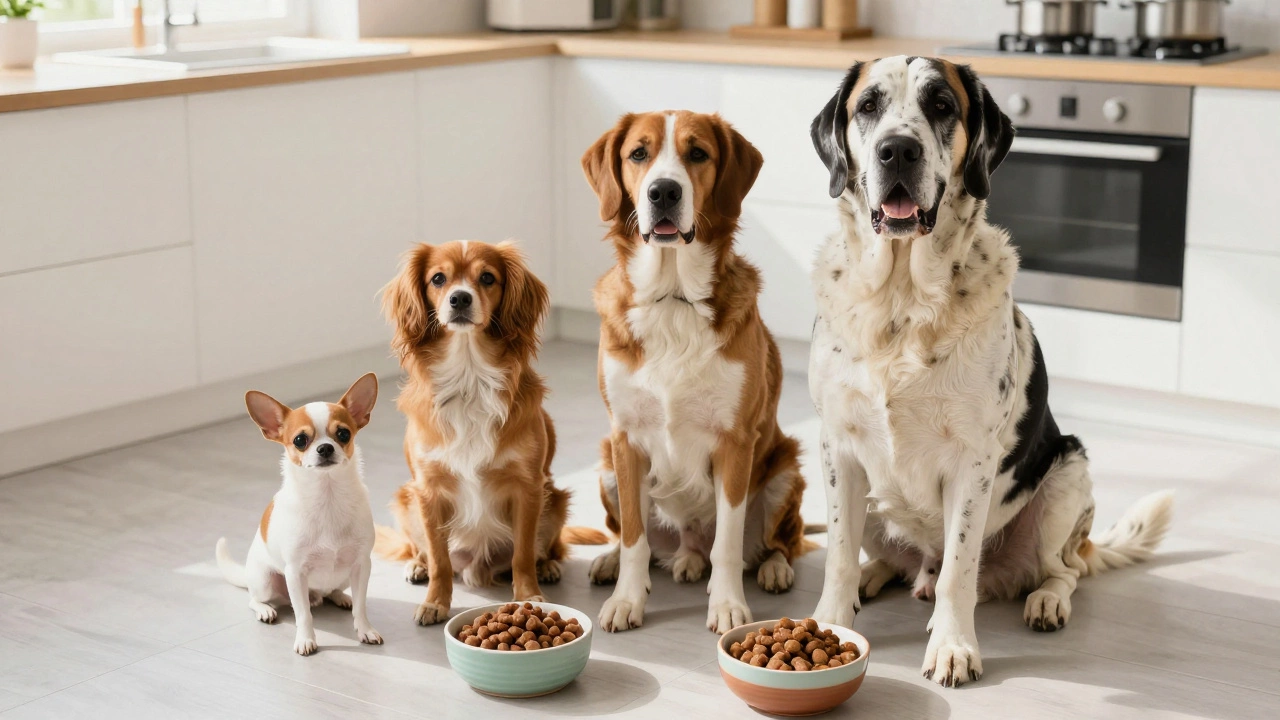
You've probably spent an hour staring at the back of a dog food bag, trying to figure out if "poultry meal" is actually chicken or something sinister. The reality is that there isn't one single "magic" food that works for every dog. A tiny Chihuahua has wildly different nutritional needs than a 120-pound Great Dane. However, the goal is always the same: a diet that supports a strong heart, a shiny coat, and a gut that doesn't cause midnight accidents.
When we talk about the healthiest food for dogs, we're really talking about biological appropriateness. Your dog is an omnivore with a carnivorous lean. This means while they can digest some plants, they thrive on high-quality proteins and fats. If you're seeing fillers like corn syrup or excessive soy in the first three ingredients, your dog isn't getting a meal; they're getting a budget-friendly filler.
| Diet Type | Primary Benefit | Potential Drawback | Best For |
|---|---|---|---|
| High-Quality Kibble | Convenience & Dental Health | Heavy Processing | Busy Owners |
| Fresh/Gently Cooked | High Digestibility | Higher Cost | Dogs with Allergies |
| Raw (BARF/PMR) | Natural Enzyme Profile | Bacterial Risk | Experienced Owners |
| Wet/Canned | Hydration Boost | Less Dental Scraping | Senior Dogs |
The Non-Negotiable Pillars of Nutrition
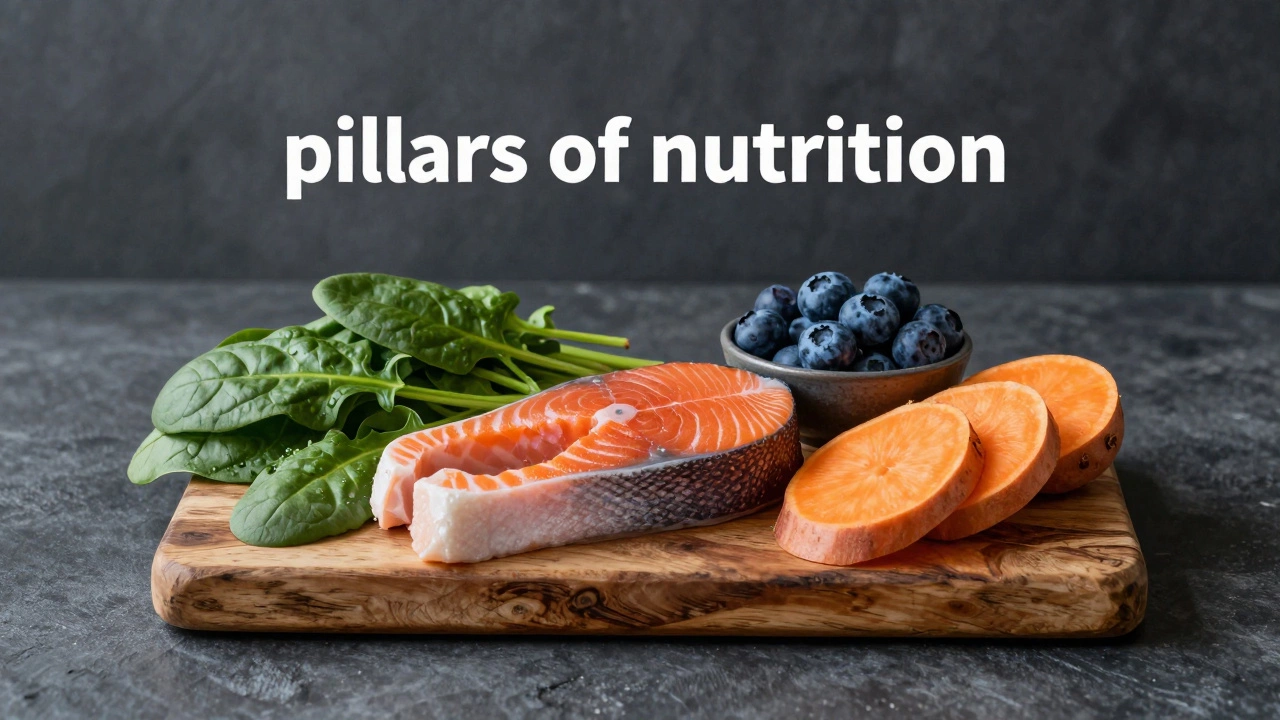
To understand what makes a food healthy, we have to look at the macronutrients. First, Protein is the building block of muscles, skin, and organs. Your dog needs animal-based proteins. Look for specific meats like "Deboned Salmon" or "Grass-fed Beef" rather than generic "Meat By-products." A high-protein diet helps maintain lean muscle mass and supports the immune system.
Then there are fats. While we avoid them in our own diets, dogs need them. Omega-3 Fatty Acids are essential fats that reduce inflammation and promote a healthy coat. You'll often find these in fish oil or flaxseed. If your dog's skin is flaky or they're constantly itching, they likely need more of these healthy fats.
Finally, we have carbohydrates and fiber. Dogs don't need nearly as many carbs as humans do. The healthiest options come from low-glycemic sources like blueberries, spinach, or sweet potatoes. Avoid foods where the first three ingredients are corn, wheat, or soy-these are often used to keep the dog full without providing actual nutrition.
Navigating the Kibble Minefield
Most of us rely on dry food because it's easy. But not all kibble is created equal. The "healthiest" kibble is usually one that is air-dried or low-heat processed. Traditional high-heat extrusion can destroy some of the natural vitamins in the food, which is why companies then spray synthetic vitamins back onto the pellets.
Check for a "complete and balanced" statement on the label. This means the food meets the standards set by AAFCO, which is the Association of American Feed Control Officials, the body that sets nutritional standards for pet foods. If a food isn't AAFCO compliant, you risk creating a nutritional deficiency-like a lack of calcium-that can lead to bone problems in growing puppies.
Pro tip: If the ingredient list looks like a chemistry textbook, put it back. You should be able to recognize the ingredients. "Hydrolyzed soy protein isolate" might sound scientific, but your dog's body doesn't necessarily know what to do with it compared to a piece of real chicken.
Fresh and Home-Cooked: Is it Better?
There is a growing movement toward fresh food. Why? Because it mimics what a dog would eat in the wild-real, whole ingredients. Fresh food is generally easier on the digestive system, leading to smaller, firmer stools and more energy.
However, cooking at home is risky if you don't know the exact ratios. For example, if you only feed your dog chicken and rice, they'll eventually develop a deficiency in zinc and essential amino acids. This is where Balanced Nutrition is the precise ratio of vitamins, minerals, and calories required to sustain life without supplements becomes critical.
If you want to go the fresh route, consider a subscription service that uses veterinary nutritionists to balance the recipes. If you prefer doing it yourself, always consult a vet to create a supplement plan. A simple mistake, like adding too much phosphorus, can put a heavy strain on a dog's kidneys over time.
The "Danger Zone": Foods to Never Feed
The healthiest diet isn't just about what you add; it's about what you keep out. Some human foods are toxic to dogs because their livers cannot process the compounds. For instance, Xylitol is an artificial sweetener found in sugar-free gum and some peanut butters that causes rapid insulin release and liver failure in dogs. Always read the label on peanut butter!
Other common culprits include grapes, raisins, onions, and macadamia nuts. Even a small amount of grapes can cause acute kidney failure in some dogs. When you're treating your dog, stick to "safe" human foods like plain steamed carrots, apple slices (no seeds), or plain boiled eggs.

Customizing Food by Life Stage
A puppy's nutritional needs are vastly different from a senior dog's. Puppies need a higher calorie density and a specific calcium-to-phosphorus ratio to ensure their bones grow at the right speed. Feeding a puppy adult food can lead to stunted growth or developmental issues.
As dogs age, their metabolism slows down. Senior dogs often need fewer calories but higher quality protein to combat muscle wasting. They also benefit from additives like glucosamine and chondroitin to help with joint stiffness. If you have an older dog, transitioning them to a food with more moisture (like wet food) can also help keep their kidneys hydrated.
Signs Your Dog's Food Isn't Working
How do you know if the "healthy" food you bought is actually healthy for your specific dog? Look at the indicators. A healthy dog should have a "weight-stable" body-meaning you can feel their ribs but not see them. Their coat should be glossy, not brittle or shedding in clumps.
Pay attention to the energy levels. If your dog is lethargic after a meal, they might be struggling to digest a specific protein. If they have chronic gas, it's often a sign that the fillers in their food are fermenting in the gut. The most telling sign is the stool; if it's not a consistent, firm log, something in the diet is off.
Can I feed my dog a vegan diet?
While it is technically possible for a dog to survive on a vegan diet, it is very difficult to do healthily. Dogs are facultative carnivores, meaning they can digest plants but prefer meat. To make a vegan diet work, you must use high-quality synthetic amino acids and supplements to replace the taurine and L-carnitine found in meat, otherwise, your dog risks developing heart disease (dilated cardiomyopathy).
Is grain-free food actually better?
Not necessarily. While some dogs have grain allergies, most do not. In fact, the FDA has investigated a potential link between grain-free diets (which often replace grains with legumes like peas and chickpeas) and a heart condition called DCM. Unless your vet has confirmed a grain allergy, a diet with a small amount of healthy grains like brown rice or oatmeal is often safer.
How often should I switch my dog's food?
If your dog is thriving-good weight, clear skin, high energy-there's no need to switch. However, you should adjust their food as they transition from puppyhood to adulthood and then to their senior years. When switching, always do it gradually over 7-10 days by mixing the old food with the new to avoid gastrointestinal upset.
Are expensive dog foods always healthier?
Price isn't always a proxy for quality. Some expensive brands spend more on marketing than on ingredients. The real test is the ingredient list. A moderately priced food with real meat as the first ingredient and no artificial preservatives is healthier than a luxury brand that uses fillers and fancy packaging.
What is the best treat for a healthy dog?
The healthiest treats are single-ingredient options. Think freeze-dried liver, plain blueberries, or slices of cucumber. Avoid treats with "artificial colors" or "animal derivatives," as these add empty calories and can trigger allergies.