
Large Dog Cabin Eligibility Checker
Enter your dog's natural sitting measurements (including a few inches of wiggle room).
Results
Based on 2026 Policy Guidelines.
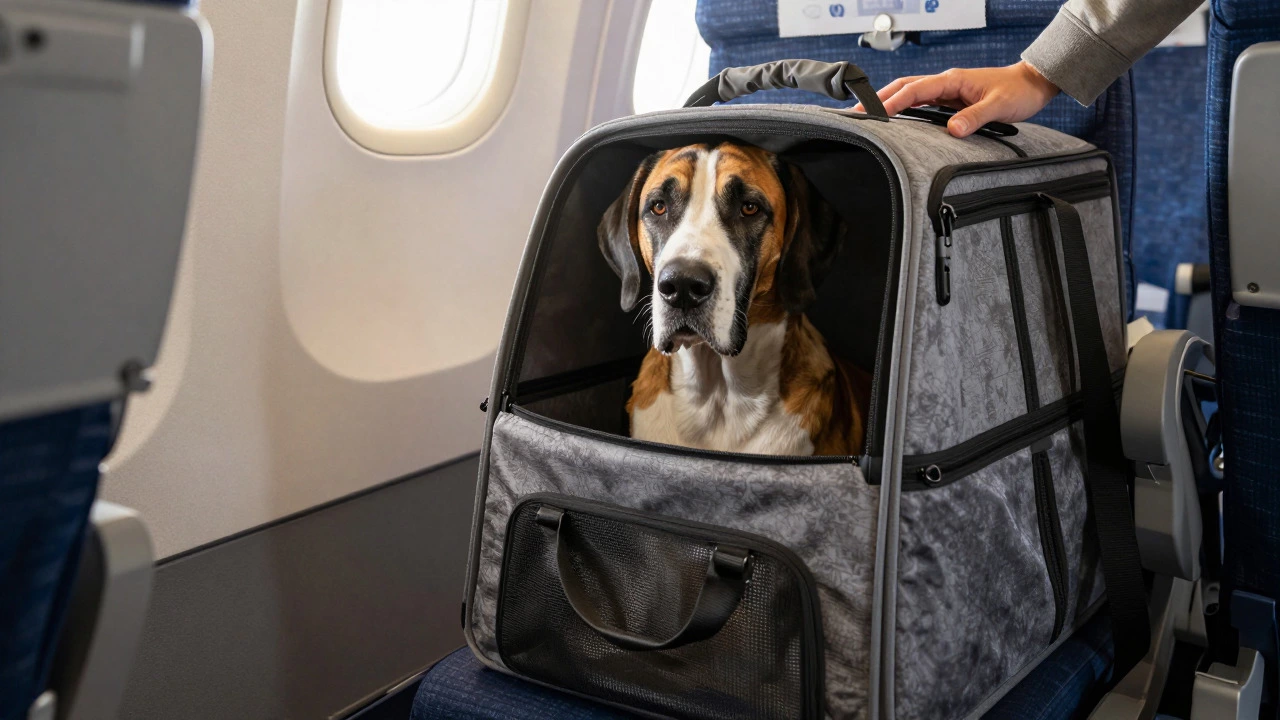
Picture this: you’re at the airport gate, your giant Great Dane is calm and cozy in his carrier, and the agent smiles as she scans your boarding pass. No cargo hold. No stress. Just a smooth flight together. It sounds like a dream, but it’s becoming a reality for more pet owners every year.
For years, the rule was simple: if your dog weighed over 15 to 20 pounds (including the carrier), he had to fly as cargo. That meant expensive fees, separation anxiety for both of you, and real risks during extreme weather or handling errors. But in 2026, the landscape has shifted dramatically. Several major airlines have updated their policies to allow larger breeds in the cabin, provided they fit in an oversized soft-sided carrier that meets specific dimensions.
The New Rules for Flying with Big Dogs
The key change isn’t just about weight-it’s about space. Airlines are moving away from strict weight limits and toward dimensional guidelines. If your large dog can sit, stand, and turn around comfortably in a carrier that fits under the seat or in a designated extra-large pet spot, you might be good to go.
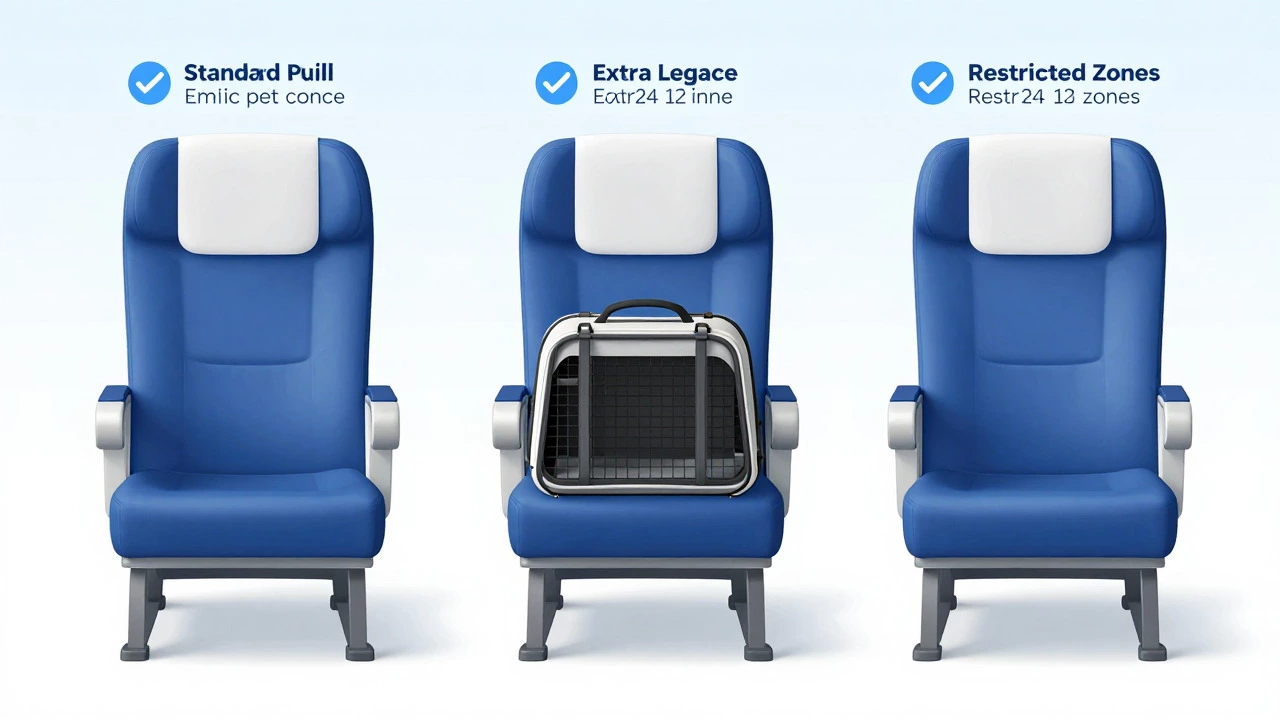
Most airlines now require carriers to be no larger than 23 inches long x 18 inches wide x 10 inches high for standard under-seat placement. However, some carriers offer "pet-friendly seats" with extra legroom where larger carriers (up to 30x24x12 inches) are permitted. These spots are limited-often only one per flight-so booking early is essential.
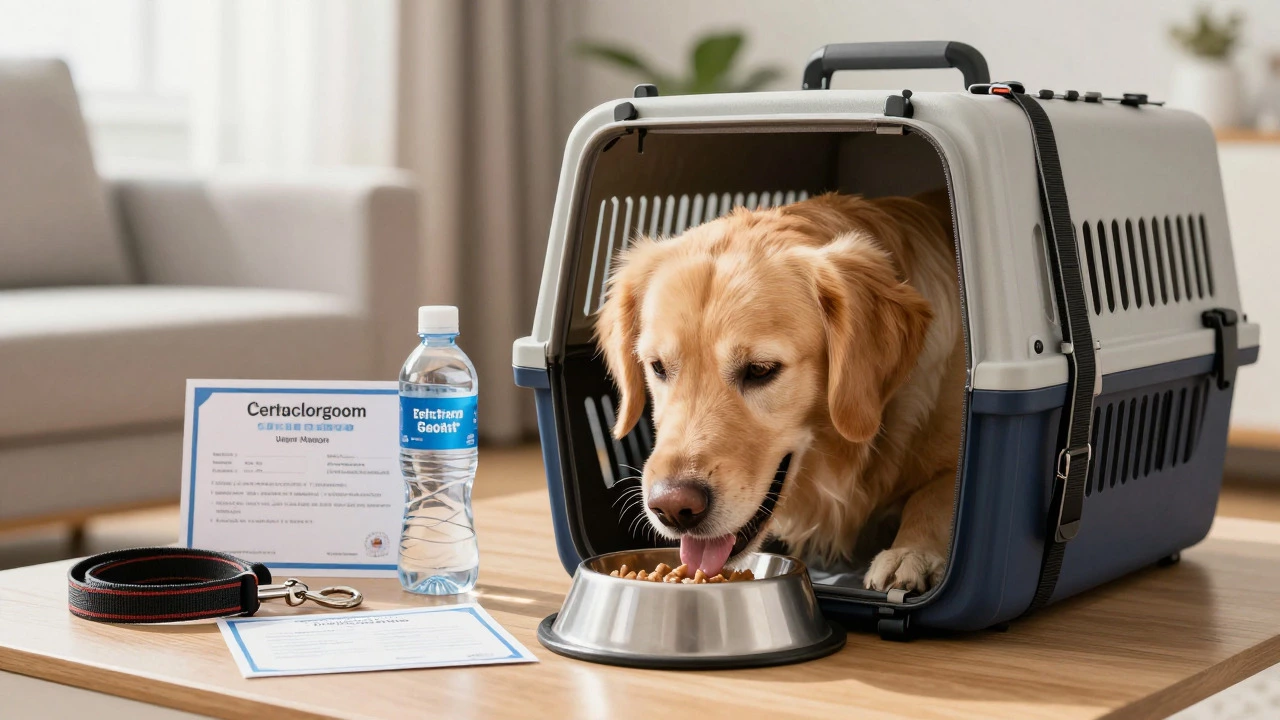
You’ll also need to pay attention to health documentation. Even for domestic flights, many airlines now require a veterinary health certificate issued within 10 days of travel. International trips add another layer: import permits, rabies titers, and microchip verification become mandatory.
Which Airlines Actually Allow Large Dogs in Cabin?
Not all airlines have jumped on board-literally. Here’s a breakdown of who’s leading the charge and what you need to know before you book.
| Airline | Max Carrier Size | Fee (One-Way) | Special Notes |
|---|---|---|---|
| Alaska Airlines | Up to 30x24x12 inches | $125 | Offers dedicated pet seats; books first-come, first-served |
| JetBlue | Up to 27x17x12 inches | $125 | Allows one additional pet carrier per row if space allows |
| United Airlines | Standard: 17.5x12.5x8.5 inches Large: 23x18x10 inches |
$125-$150 | Large carriers require pre-approval and extra-legroom seating |
| American Airlines | Up to 23x18x10 inches | $125 | Limited to 6 pets per flight; large carriers not guaranteed |
| Delta Air Lines | Up to 24x18x10 inches | $125 | Requires Delta Sky Priority or higher for large carrier eligibility |
Note that European carriers like Iberia, Lufthansa, and Air France generally stick to stricter EU regulations, which cap combined pet-and-carrier weight at 8 kg (17.6 lbs). This makes them less ideal for truly large breeds unless you’re willing to use cargo services.
How to Prepare Your Large Dog for Flight
Flying with a big dog isn’t just about finding the right airline-it’s about preparation. Here’s what you need to do weeks before departure:
- Visit your vet: Get a clean bill of health and update vaccinations. Ask for a written note confirming your dog is fit to fly, especially if he has brachycephalic features (flat face) or heart conditions.
- Train him for the carrier: Don’t wait until the day of travel. Start introducing the carrier gradually. Feed meals inside it, take short car rides, and reward calm behavior. Aim for at least two weeks of positive association.
- Choose the right carrier: Look for soft-sided, ventilated carriers with sturdy zippers and secure closures. Measure your dog while sitting naturally-add 2-3 inches for comfort. Brands like Petmate Vari-Kennel and Sleepypod Air offer models designed for larger breeds.
- Book early: Pet spots fill up fast. Use airline apps to select seats with extra legroom and confirm your pet reservation directly with customer service after booking.
- Pack smart: Bring absorbent pads, familiar toys, water, and a leash. Avoid feeding heavy meals 3-4 hours before takeoff to reduce nausea.
What If Your Dog Is Too Big for Any Cabin Policy?
Let’s be honest: some dogs-like Mastiffs, Saint Bernards, or fully grown Danes-just won’t fit in even the largest approved carriers. In those cases, cargo travel becomes necessary. But here’s the good news: modern pet cargo programs are safer and more transparent than ever.
Airlines like United Pet Club and Delta SkyPaws offer climate-controlled holds, direct-handling protocols, and live tracking via app notifications. Fees range from $200 to $500 depending on distance and crate size. Always opt for non-stop flights when possible, and avoid traveling during extreme heat or cold months.
If you’re still hesitant, consider ground transport alternatives. Services like DoorDash Pets (launched in 2025) and GoPets provide door-to-door van transport with AC, rest stops, and live video updates. For cross-country moves, this can be cheaper and less stressful than air travel.
Common Mistakes Pet Owners Make
I’ve seen too many travelers get stuck at the gate because they didn’t read the fine print. Here’s how to avoid the most frequent pitfalls:
- Assuming “large” means “any size.” Even airlines with relaxed policies have hard limits. Double-check carrier dimensions-not just weight.
- Booking without confirming pet availability. Your seat selection doesn’t guarantee a pet spot. Call the airline after booking to lock it in.
- Using hard plastic crates in cabin. Most airlines reject rigid crates due to safety concerns. Stick to soft-sided, flexible materials.
- Ignoring layover rules. If your trip involves connections, each segment must comply with its own airline’s policy. A United-to-American connection might mean different rules mid-journey.
- Forgetting international requirements. Entering the EU, UK, or Australia requires advance paperwork. Missing one form can result in quarantine or return shipment.
When to Consider Alternatives to Air Travel
Sometimes, flying just isn’t worth the hassle. If your dog is elderly, anxious, or medically fragile, explore these options:
- Road trips: With proper planning, driving gives you full control over breaks, temperature, and environment. Plan stops every 2-3 hours for bathroom and stretching.
- Cruises: While most cruise lines don’t allow pets, a few exceptions exist. Holland America Line welcomes well-behaved dogs in certain cabins, though availability is limited and advance notice is required.
- Pet-friendly hotels + local transit: Break long journeys into shorter segments using trains or buses. Amtrak, for example, allows small pets in carriers, but larger ones may need to ride as unaccompanied baggage-a risky option best avoided.
Final Thoughts: Making Smart Choices for Your Furry Co-Pilot
Flying with a large dog in 2026 is more feasible than ever-but it demands research, patience, and flexibility. The airlines that lead in pet inclusivity are Alaska, JetBlue, and United, each offering unique advantages depending on your route and budget.
Remember: your dog’s comfort and safety come first. Don’t rush into a decision based solely on price or convenience. Talk to your vet, test-drive the carrier, and practice calm routines. And always, always confirm details directly with the airline-not just through third-party booking sites.
Your four-legged friend deserves a journey as special as the destination. With the right prep, you’ll both arrive happy, healthy, and ready for adventure.
Can I bring my 80-pound dog in the cabin?
Yes, if he fits in a carrier measuring up to 30x24x12 inches and the airline offers large-pet seating. Alaska Airlines and JetBlue currently allow this, but you must book early and pay a fee ($125 one-way).
Do I need a health certificate for domestic flights?
Most U.S. airlines now require a vet-issued health certificate within 10 days of travel, even for domestic routes. Check your airline’s specific policy, as requirements vary.
What if my dog is too big for any cabin carrier?
You’ll likely need to use cargo services or ground transport. Choose airlines with certified pet programs like United Pet Club or Delta SkyPaws, and consider non-stop flights to minimize risk.
Are there extra fees for large dogs in cabin?
Yes, most airlines charge $125-$150 one-way for large-pet cabin tickets. Some, like Delta, require elite status or premium fares to access these spots.
Can I fly internationally with a large dog in cabin?
It depends on the destination country’s laws. The EU caps pet weight at 8 kg (17.6 lbs) for cabin travel. The UK and Australia have similar restrictions. Always verify import rules before booking.
How do I train my dog to stay calm in a carrier?
Start training 2-4 weeks before travel. Place the carrier in a quiet area, feed meals inside, and gradually increase time spent in it. Reward calm behavior with treats and praise. Simulate car rides to build tolerance.
Is it safe to fly with a brachycephalic (flat-faced) dog?
Flat-faced breeds like Pugs and Bulldogs are at higher risk for breathing issues during flights. Consult your vet before booking. Many airlines restrict these breeds during hot months or require medical clearance.
What should I pack for my dog’s flight?
Bring absorbent pads, a collapsible water bowl, familiar toys, a leash, and a copy of vaccination records. Avoid heavy meals 3-4 hours before takeoff to prevent motion sickness.
Can I upgrade my seat to accommodate a larger carrier?
Some airlines allow upgrades to extra-legroom seats for large carriers, but availability is limited. Book early and confirm with customer service. Delta requires Sky Priority status for this option.
What happens if my dog gets sick during the flight?
Cabin crew are trained to handle basic emergencies, but they carry limited medical supplies. Ensure your dog is healthy before flying and bring any prescribed medications. Have your vet’s contact info handy in case of post-flight issues.