
Paw Temperature Safety Calculator
Safe Walking Duration
Enter temperature and surface type to see safe duration
Everyone says dog walking is good for your pup. And it is-mostly. But if you think it’s all sunshine, sniffing grass, and happy tails, you’re missing the real stuff. Dog walking isn’t just a daily chore. It’s a responsibility with hidden risks. Some of them are quiet, slow, and sneaky. Others hit fast and hard. And if you’re not watching for them, your dog could pay the price.
Weather Can Turn Dangerous Fast
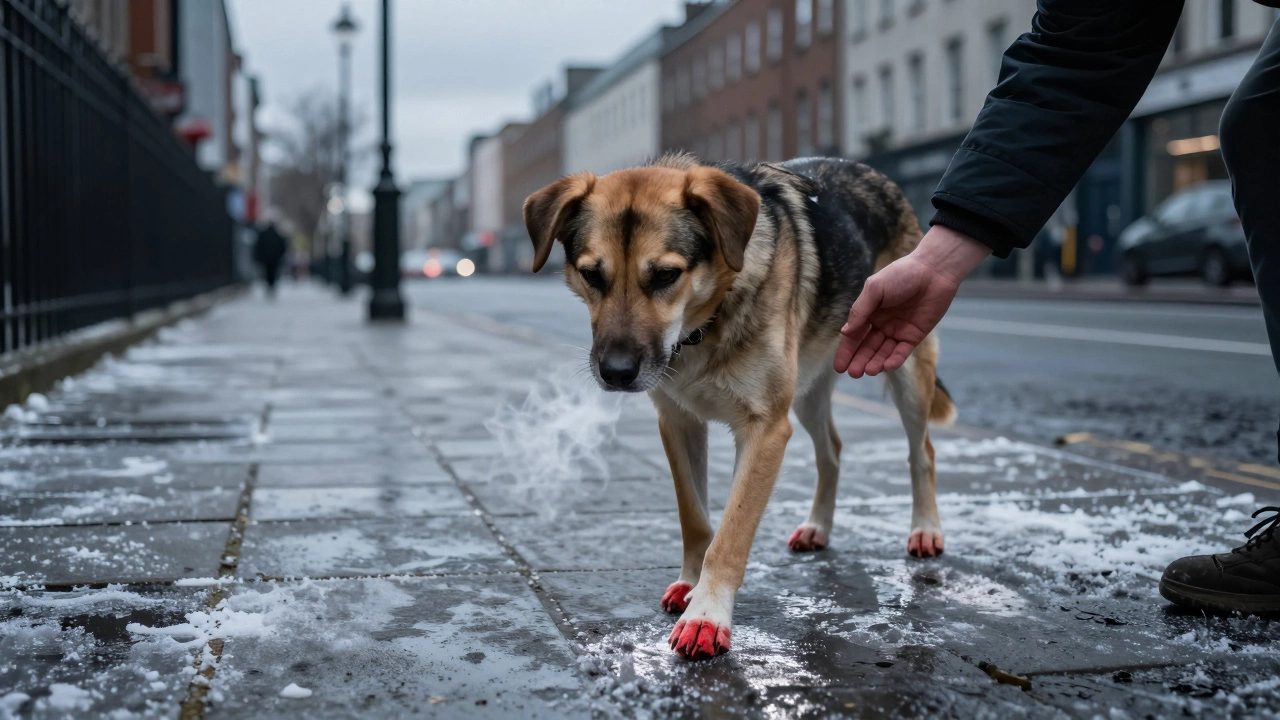
On a crisp morning in Dublin, the pavement might look harmless. But in January, that same pavement can be icy, cracked, or coated in salt. Dogs’ paws aren’t built for this. Prolonged exposure to cold surfaces causes chapped pads, cracks, and even frostbite. Salt and de-icing chemicals burn their skin. I’ve seen dogs limp for days after a winter walk, not because they’re old, but because their paws were raw from the ground.
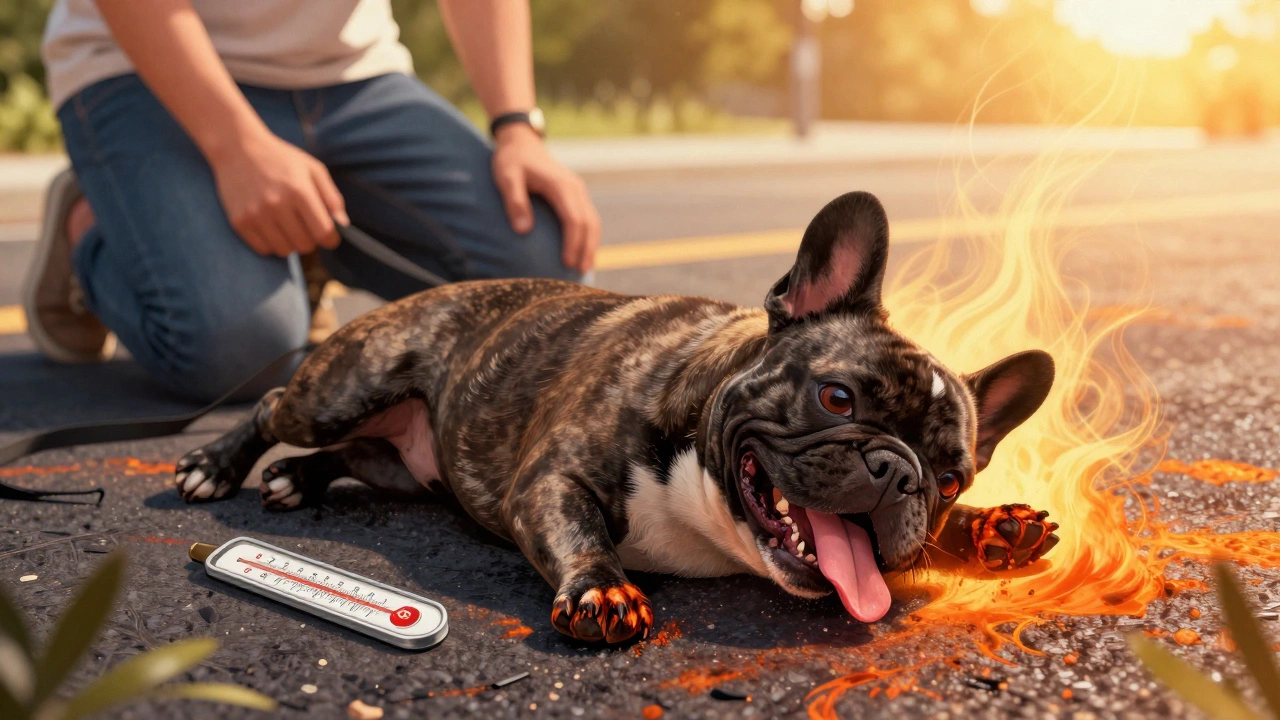
Heat is just as bad. In summer, asphalt can hit 60°C. That’s hot enough to cook an egg. Dogs don’t sweat through their skin-they pant. If their paws are burning, they can’t tell you. They just slow down, then stop. By then, it’s too late. One 2024 study from the University of Veterinary Medicine in Vienna found that over 37% of dog owners didn’t check pavement temperature before walking their dogs in summer. Nearly half of those dogs showed signs of paw damage within two weeks.
Not All Dogs Are Built for Long Walks
Just because your dog is a Labrador doesn’t mean they’re built to walk 8 kilometers a day. Breeds like Bulldogs, Pugs, and Shih Tzus have short snouts. They struggle to breathe during exertion. Walking them too far or too fast can trigger heatstroke, collapse, or even death. I know a woman who walked her French Bulldog 5 km daily, convinced it was ‘good exercise.’ He collapsed on the third day. He survived, but now he needs oxygen support during any activity.
Small dogs aren’t immune either. Chihuahuas and Dachshunds have delicate spines. Long walks on hard ground put pressure on their backs. One vet in Cork told me she sees at least one Dachshund with a slipped disc every month from over-walking. And it’s not just breed-age matters. A 12-year-old dog with arthritis doesn’t need a 45-minute walk. They need gentle movement, not endurance training.
Walking Can Cause Behavioral Problems
Think walking your dog is calming? It can be the opposite. If your dog pulls on the leash, barks at other dogs, or lunges at squirrels, every walk becomes a stress test. Constantly being yanked, corrected, or yelled at teaches them that walks = chaos. That’s not exercise-it’s anxiety training.
Some dogs develop leash reactivity because they feel trapped. They can’t escape what scares them, so they react aggressively. Others become hyper-focused on smells, ignoring commands. That’s not a well-trained dog. That’s a dog trained to be distracted. I’ve seen dogs that won’t come when called-not because they’re stubborn, but because they’ve learned that the walk is their only freedom. And when you pull them back, you’re taking that away.
Walking Alone Is Risky-For You and Your Dog
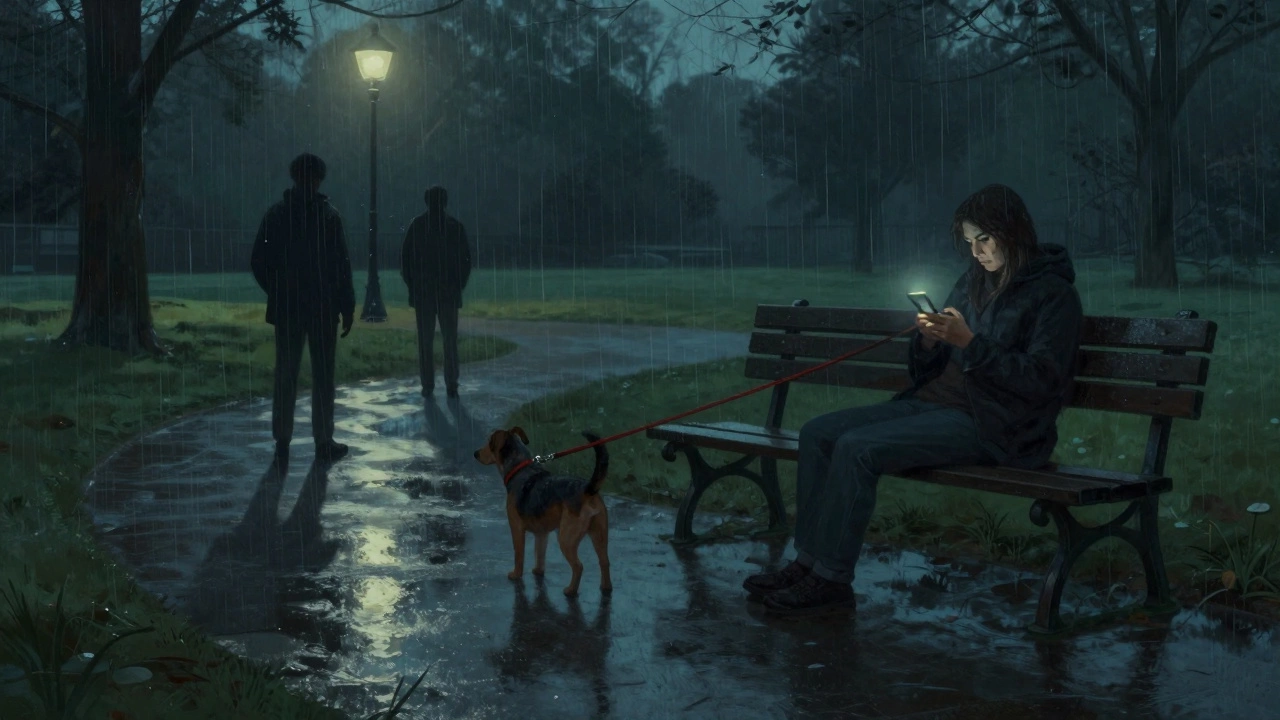
Walking your dog alone, especially at night or in quiet areas, puts you both at risk. Dogs can be unpredictable. One sudden surge, a loose leash, a startled reaction-and you’re on the ground. I’ve seen people with broken wrists, torn ACLs, and concussions from dog-related falls. And your dog? They could run into traffic, get attacked by another dog, or be stolen.
Studies show that over 60% of dog thefts in Ireland happen during walks. Thieves target dogs left unattended at doorsteps, in parks, or even tied to benches. Your dog isn’t just a pet-they’re a target. And if you’re distracted by your phone, music, or your own thoughts, you’re not watching. You’re not protecting.
Walking Doesn’t Replace Mental Stimulation
Here’s the biggest myth: walking = tired dog. It’s not true. A dog can walk for an hour and still be wide awake because their brain hasn’t been engaged. Dogs don’t get bored from movement-they get bored from repetition. If every walk is the same route, same smells, same routine, they’re not learning. They’re just moving.
Real mental exercise? Sniffing games, puzzle toys, training new commands, hiding treats, scent work. These tire a dog out more than a 10-km walk. I’ve had clients who walked their dogs 3 times a day but still had destructive behavior. Once they switched to 20 minutes of scent work and 10 minutes of obedience training, the chewing and barking dropped by 80%. Walking is physical. It doesn’t fix mental exhaustion.
Walking Can Spread Disease
Every dog park, every sidewalk, every puddle is a potential germ zone. Leptospirosis, parvovirus, giardia-they’re all out there. Dogs pick them up from contaminated soil, standing water, or even another dog’s urine. Some of these diseases are deadly. Others cause chronic illness. And you can bring them home.
One Dublin vet clinic reported a 22% spike in leptospirosis cases in 2024. All the dogs had been walked in urban parks. The bacteria thrive in damp, crowded areas. Vaccines help, but they’re not 100%. And if you’re walking in rain, puddles, or near farms, you’re increasing the risk. Cleaning your dog’s paws after walks isn’t optional-it’s medical hygiene.
Walking Can Hurt Your Relationship
It’s easy to think walking your dog is bonding time. But if you’re rushing, distracted, or resentful, it’s not. If you’re doing it because you feel guilty, or because you think you ‘should,’ your dog feels it. They pick up on your stress. They start associating walks with tension, not joy.
One owner I spoke to walked her dog every day at 6 a.m.-but she’d been yelling at her partner all morning. The dog started whining before they even left the house. It wasn’t about the walk. It was about the energy. When she started walking calmly, with music on and no phone, the whining stopped. The walk became something the dog looked forward to-not something they dreaded.
What Can You Do Instead?
You don’t have to stop walking. But you need to do it smarter.
- Check the ground before you go. Use your hand to test pavement heat or ice. If it’s too hot or too slippery for your skin, it’s too much for your dog’s paws.
- Shorten the walk if your dog is old, short-nosed, or has joint issues. Ten minutes of focused sniffing beats 30 minutes of forced trotting.
- Switch up the routine. Try a new route. Let them explore. Play hide-and-seek with treats. Use a snuffle mat at home. Mental work is just as tiring as physical work.
- Use a harness, not a collar. It reduces neck strain and gives you better control.
- Wipe paws after every walk. Use warm water and a soft cloth. Dry them well. Prevents chemical burns and infections.
- Walk with a friend or join a group. Safety, accountability, and socialization for both you and your dog.
Dog walking isn’t bad. But it’s not magic. It’s a tool. And like any tool, it can hurt if you use it wrong. The best walks aren’t the longest. They’re the ones where your dog comes home calm, tired in the right way, and happy to see you again.
Is it better to walk my dog once or twice a day?
It depends on your dog’s breed, age, and energy. Most dogs do well with two shorter walks-20 to 30 minutes each-instead of one long one. Two walks help with digestion, bathroom habits, and mental reset. Puppies, seniors, and brachycephalic breeds (like Bulldogs) benefit more from multiple short walks than one long one.
Can dog walking cause joint problems?
Yes, especially on hard surfaces like concrete or asphalt. Repeated impact over time can wear down cartilage, especially in large breeds or dogs with pre-existing conditions like hip dysplasia. Dogs under two years old are still growing-too much walking can damage developing joints. Soft trails, grass, or dirt paths are gentler. Always watch for limping, stiffness, or reluctance to move after walks.
Should I walk my dog in the rain?
You can, but take precautions. Wet fur traps cold, and prolonged exposure can lead to hypothermia, especially in short-haired or small dogs. Use a waterproof coat if it’s chilly. After the walk, dry them thoroughly, especially between their toes. Avoid walking in flooded areas-standing water can carry bacteria and chemicals. If your dog hates rain, it’s okay to skip it and do indoor play instead.
Do I need to walk my dog every single day?
Not always. Some dogs, especially older or low-energy ones, can go a day without a walk if they’ve had mental stimulation-like puzzle toys, training, or scent games. But don’t skip walks just because you’re tired. If your dog shows signs of boredom-chewing furniture, barking, pacing-it’s a sign they need movement. Balance physical and mental needs.
Are dog parks safer than walking on streets?
Not necessarily. Dog parks have higher disease risk due to concentrated urine and feces. They’re also unpredictable-aggressive dogs, untrained pups, and overcrowding can turn a walk into a trauma. If you use a dog park, go during off-hours, supervise closely, and leave if things feel off. Quiet streets or wooded trails are often safer and more calming for your dog.
If you’re unsure whether your dog’s walking routine is helping or hurting them, talk to your vet. Bring a log of your walks-duration, surface, weather, behavior. They can help you adjust it. Your dog doesn’t need more walking. They need better walking.